
• Research
  • Emissary
  • About
  • Experts
Carnegie Global logoCarnegie lettermark logo
DemocracyIran
  • Donate
{
  "authors": [
    "Thomas Carothers"
  ],
  "type": "other",
  "centerAffiliationAll": "dc",
  "centers": [
    "Carnegie Endowment for International Peace"
  ],
  "collections": [],
  "englishNewsletterAll": "democracy",
  "nonEnglishNewsletterAll": "",
  "primaryCenter": "Carnegie Endowment for International Peace",
  "programAffiliation": "DCG",
  "programs": [
    "Democracy, Conflict, and Governance"
  ],
  "projects": [],
  "regions": [],
  "topics": [
    "Political Reform"
  ]
}
REQUIRED IMAGE

REQUIRED IMAGE

Other

Blessings of Liberty

Link Copied
By Thomas Carothers
Published on Oct 14, 2001
Program mobile hero image

Program

Democracy, Conflict, and Governance

The Democracy, Conflict, and Governance Program is a leading source of independent policy research, writing, and outreach on global democracy, conflict, and governance. It analyzes and seeks to improve international efforts to reduce democratic backsliding, mitigate conflict and violence, overcome political polarization, promote gender equality, and advance pro-democratic uses of new technologies.

Learn More

Source: Carnegie

Review of Cass Sunstein, Designing Democracy: What Constitutions Do (Oxford University Press, 2001)

New York Times Book Review (14 October 2001)

Full text (Password required)

About the Author

Thomas Carothers

Harvey V. Fineberg Chair for Democracy Studies; Director, Democracy, Conflict, and Governance Program

Thomas Carothers, director of the Carnegie Endowment for International Peace’s Democracy, Conflict, and Governance Program, is a leading expert on comparative democratization and international support for democracy.

    Recent Work

  • Article
    How Anger Over Corruption Keeps Driving Global Politics
      • McKenzie Carrier

      Thomas Carothers, McKenzie Carrier

  • Commentary
    When Do Mass Protests Topple Autocrats?
      • McKenzie Carrier

      Thomas Carothers, McKenzie Carrier

Thomas Carothers
Harvey V. Fineberg Chair for Democracy Studies; Director, Democracy, Conflict, and Governance Program
Thomas Carothers
Political Reform

Carnegie does not take institutional positions on public policy issues; the views represented herein are those of the author(s) and do not necessarily reflect the views of Carnegie, its staff, or its trustees.

More Work from Carnegie Endowment for International Peace

  • Commentary
    Carnegie Politika
    Who Is Responsible for the Demise of the Russian Internet?

    The Russian state has opted for complete ideological control of the internet and is prepared to bear the associated costs.

      Maria Kolomychenko

  • Commentary
    Carnegie Politika
    Is Opposition to Online Restrictions an Inflection Point for the Russian Regime?

    After four years of war, there is no one who can stand up to the security establishment, and President Vladimir Putin is increasingly passive. 

      Tatiana Stanovaya
  • Commentary
    Carnegie Politika
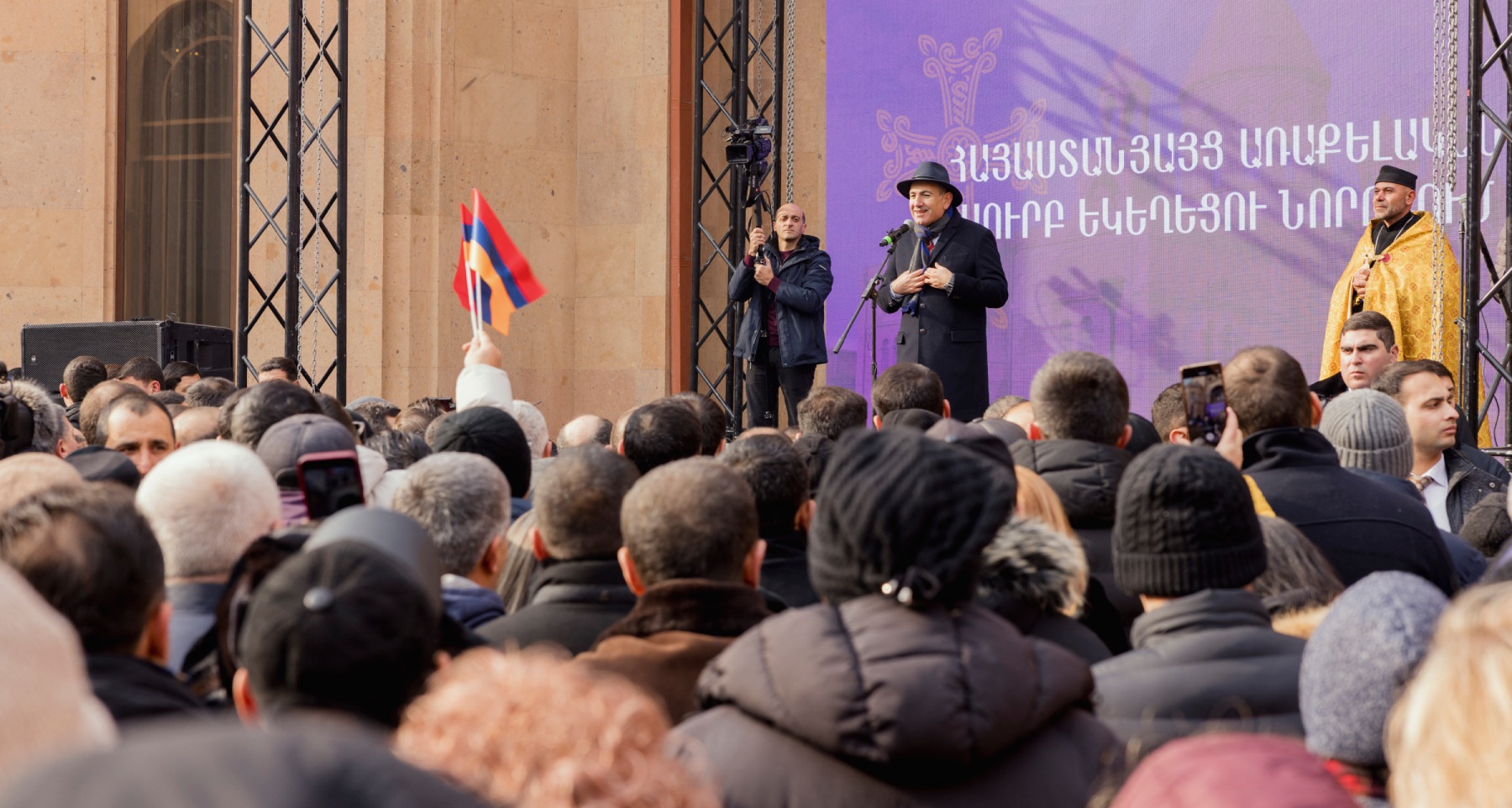
    Is Frustration With Armenia’s Pashinyan Enough to Bring the Pro-Russia Opposition to Power?

    It’s true that many Armenians would vote for anyone just to be rid of Pashinyan, whom they blame for the loss of Nagorno-Karabakh, but the pro-Russia opposition is unlikely to be able to channel that frustration into an electoral victory.
      Mikayel Zolyan
  • Commentary
    Strategic Europe
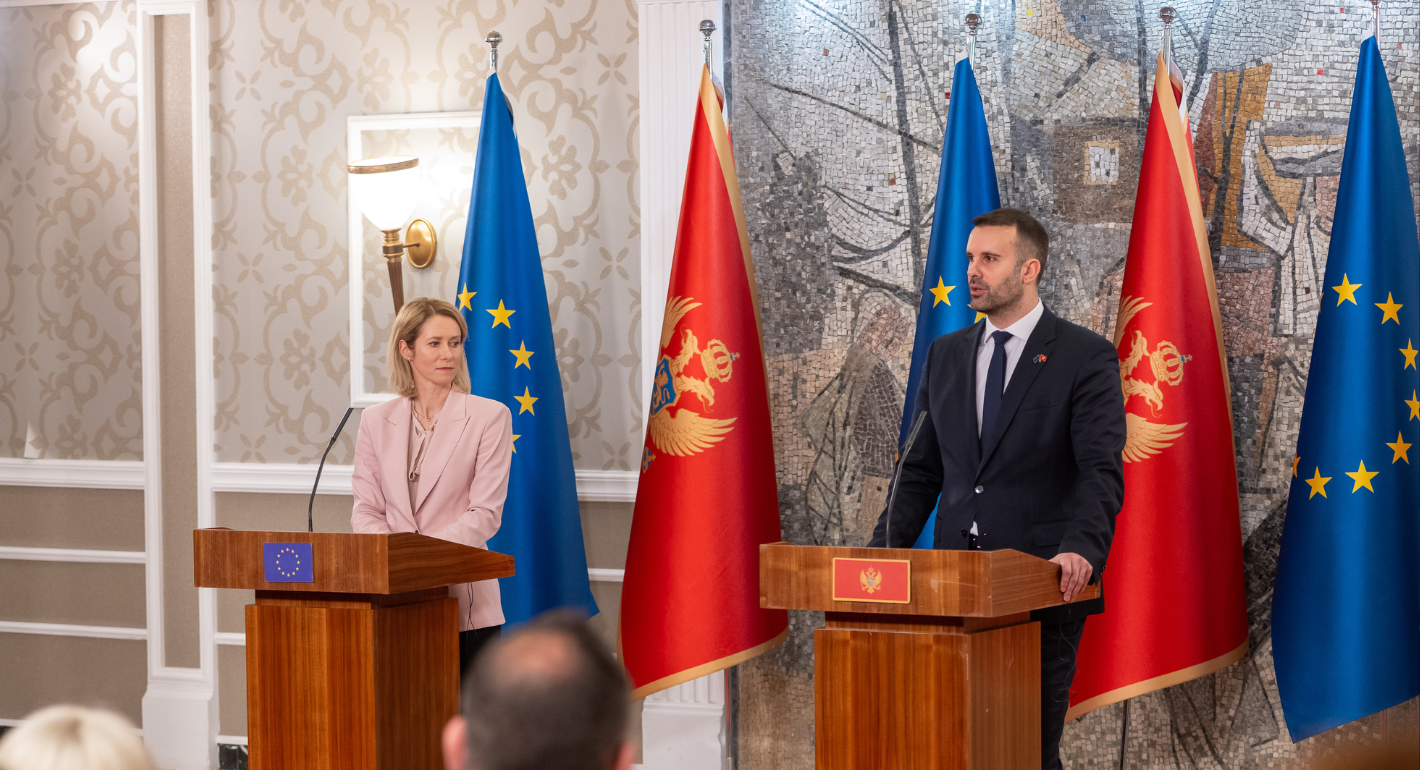
    How to Join the EU in Three Easy Steps

    Montenegro and Albania are frontrunners for EU enlargement in the Western Balkans, but they can’t just sit back and wait. To meet their 2030 accession ambitions, they must make a strong positive case.


      Dimitar Bechev, Iliriana Gjoni
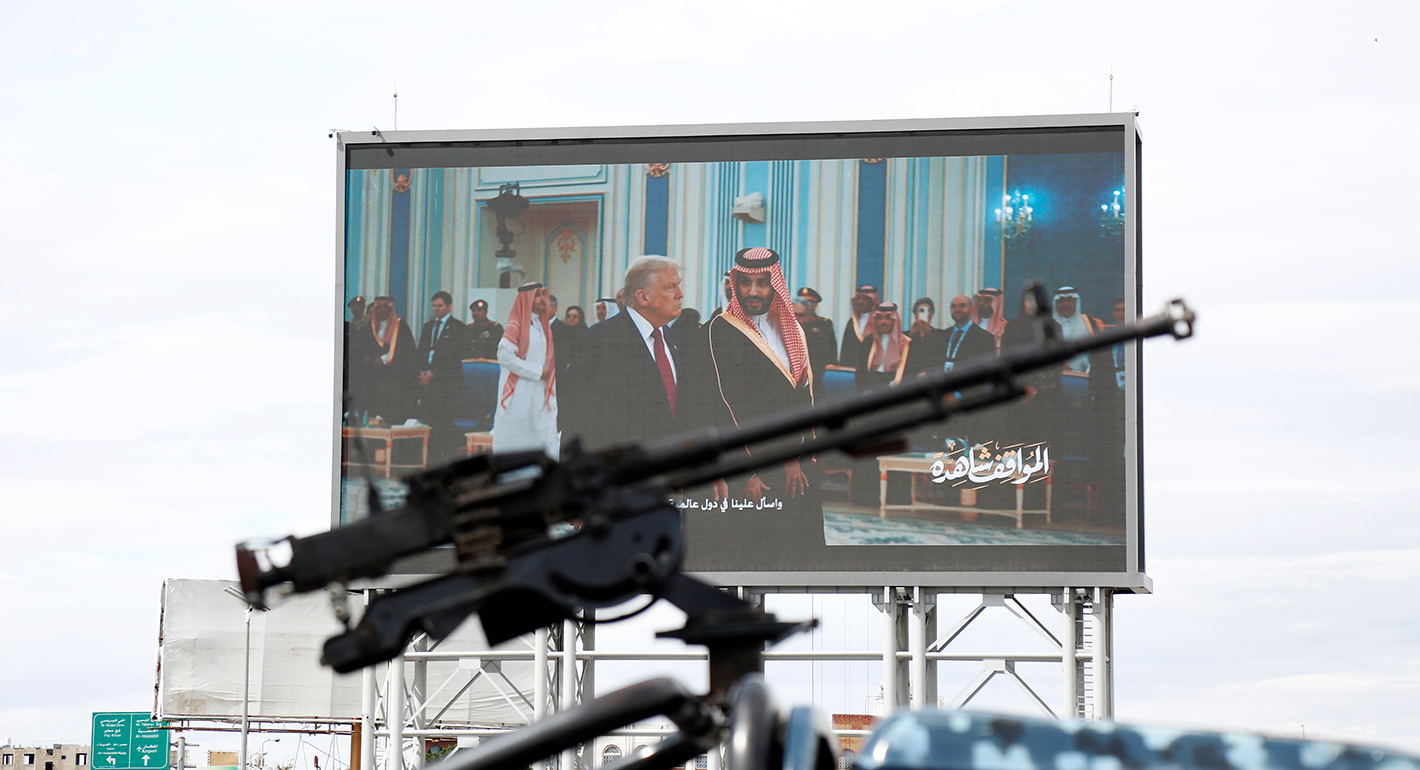
  •  A machine gun of a Houthi soldier mounted on a police vehicle next to a billboard depicting the U.S. president Donald Trump and Mohammed Bin Salman, the Crown Prince and Prime Minister of Saudi Arabia, during a protest staged to show support to Iran against the U.S.-Israel war on March 27, 2026 in Sana'a, Yemen.
    Article
    Amid Iran War, Gulf Countries Slow the Pace of Reforms

    The return of war as the organizing factor in Middle Eastern politics has predictable consequences: governments are prioritizing regime stability and becoming averse to political and social reform.


      • Sarah Yerkes

      Sarah Yerkes, Amr Hamzawy

Get more news and analysis from
Carnegie Endowment for International Peace
Carnegie global logo, stacked
1779 Massachusetts Avenue NWWashington, DC, 20036-2103Phone: 202 483 7600
  • Research
  • Emissary
  • About
  • Experts
  • Donate
  • Programs
  • Events
  • Blogs
  • Podcasts
  • Contact
  • Annual Reports
  • Careers
  • Privacy
  • For Media
  • Government Resources
Get more news and analysis from
Carnegie Endowment for International Peace
© 2026 Carnegie Endowment for International Peace. All rights reserved.