

Commentary
Closer EU-UK ties could help address urgent European concerns. But is the EU ready for rapprochement with the United Kingdom?
Rym Momtaz, ed.

REQUIRED IMAGE
In presenting its case for war in Iraq, Bush administration officials carefully framed the issues in ways compatible with its larger goals and forced opponents to debate on its terms. By controlling the questions, the administration could control the answers. Instead of addressing the risks of invading Iraq, officials emphasized the risks of not invading Iraq. Instead of a careful assessment of costs and benefits, they cast the decision to go to war as a test of strength and resolve. This tactic is best illustrated in the way the administration presented its three main points: Iraq was a gathering threat, Saddam Hussein was a madman who could not be deterred, and Iraq was tied to September 11 and the war on terror.
In presenting its case for war in Iraq, Bush administration officials carefully framed the issues in ways compatible with its larger goals and forced opponents to debate on its terms. By controlling the questions, the administration could control the answers. Instead of addressing the risks of invading Iraq, officials emphasized the risks of not invading Iraq. Instead of a careful assessment of costs and benefits, they cast the decision to go to war as a test of strength and resolve. This tactic is best illustrated in the way the administration presented its three main points: Iraq was a gathering threat, Saddam Hussein was a madman who could not be deterred, and Iraq was tied to September 11 and the war on terror.
Instead of giving specifics about Iraq’s current threat to the U.S., the administration focused on the growing nature of that threat, and its future potential. In an October 2002 speech, the president said, "If we know Saddam Hussein has dangerous weapons today—and we do—does it make any sense for the world to wait to confront him as he grows even stronger and develops even more dangerous weapons?" This changed the choice from "should we invade Iraq?" to "should we invade Iraq now or later?" Under these terms, the logical case was for immediate action, since hesitance would only hurt us in the future.
The administration was also ingenious in conflating Saddam’s cruelty with his resistance to deterrence. They argued that since Saddam had used chemical weapons against his own people, invaded Kuwait and attempted to assassinate former President Bush, he obviously was a madman. Thus, deterrence (based on an element of rationality) would not work. By equating cruelty with an inability to be deterred, the question became "is Saddam cruel?"—a simple question with a simple answer—and the complexities of the deterrence argument were pushed aside. This forced opponents to concede that yes, well, Saddam was cruel, thus starting their argument with a caveat that immediately handicapped their case.
The most important technique used was to link Iraq to the attacks of September 11 and the larger war on terror. The president called Iraq and 9/11 "different faces of the same evil," saying that Saddam had supported terrorists and could transfer weapons technology to them. With the horror of that day so near, framing war with Iraq as a response to 9/11 made it very difficult to challenge. Officials effectively portrayed doubters as cowardly and weak on terrorism. Twisting the question into "should we be strong on terror?" forced opponents to defend their patriotism instead of deliberating an invasion.
Before the administration’s public campaign began with Vice-President Cheney’s speech in August 2002, the public was overwhelming against war with Iraq; by the time it concluded, the public was overwhelmingly in favor. Within this well-constructed frame, even diplomatic failure became an American victory. President Bush transformed his failure to win allied support into a failure of the allies to show courage: "Some permanent members of the Security Council have publicly announced they will veto any resolution that compels the disarmament of Iraq," he said, "These governments share our assessment of the danger, but not our resolve to meet it." With superb rhetorical skill and determined repetition of his themes, President Bush left his opponents with little ground on which to stand. It is a model of political manipulation that may not soon be matched.
Ingrid Bruns is a second-year graduate student in the Georgetown University School of Foreign Service.
Ingrid Bruns
Carnegie does not take institutional positions on public policy issues; the views represented herein are those of the author(s) and do not necessarily reflect the views of Carnegie, its staff, or its trustees.
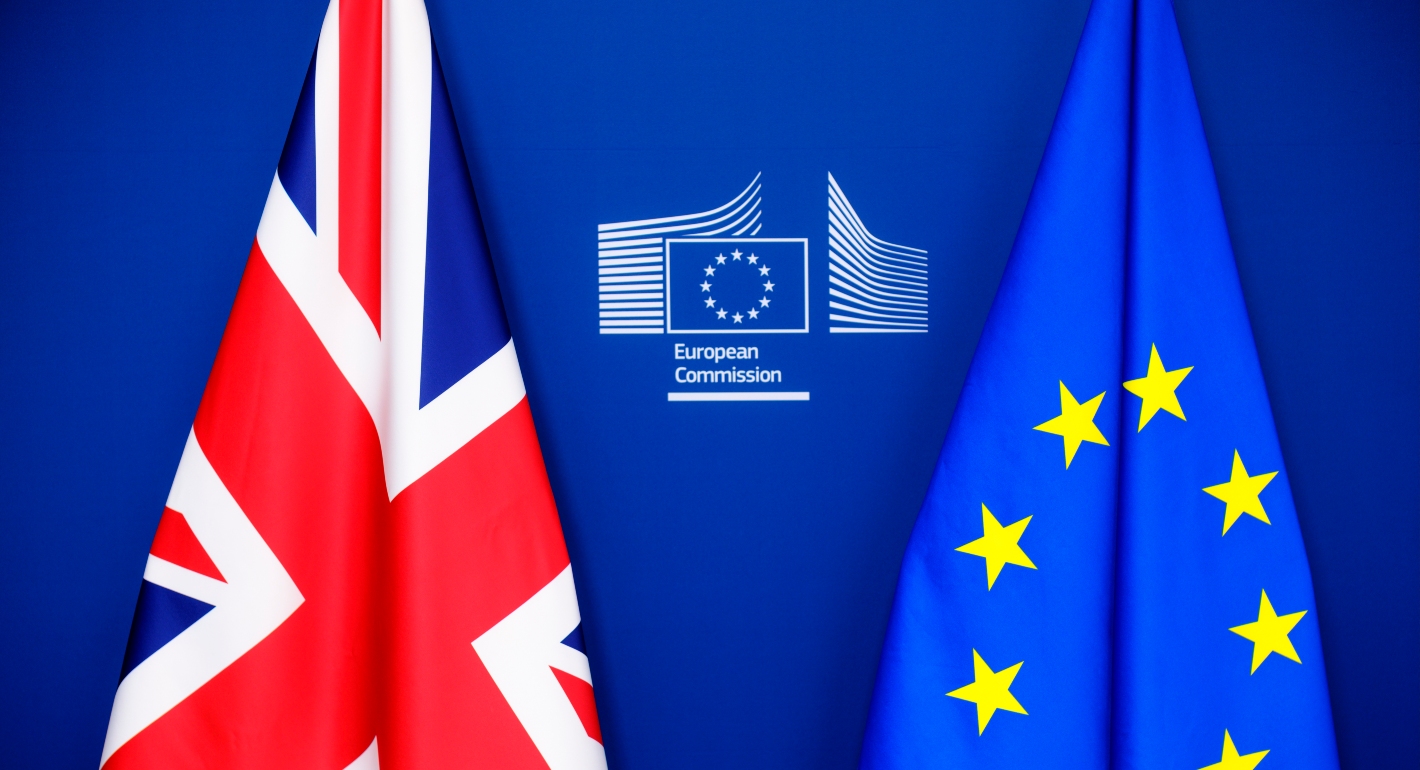
Closer EU-UK ties could help address urgent European concerns. But is the EU ready for rapprochement with the United Kingdom?

Rym Momtaz, ed.
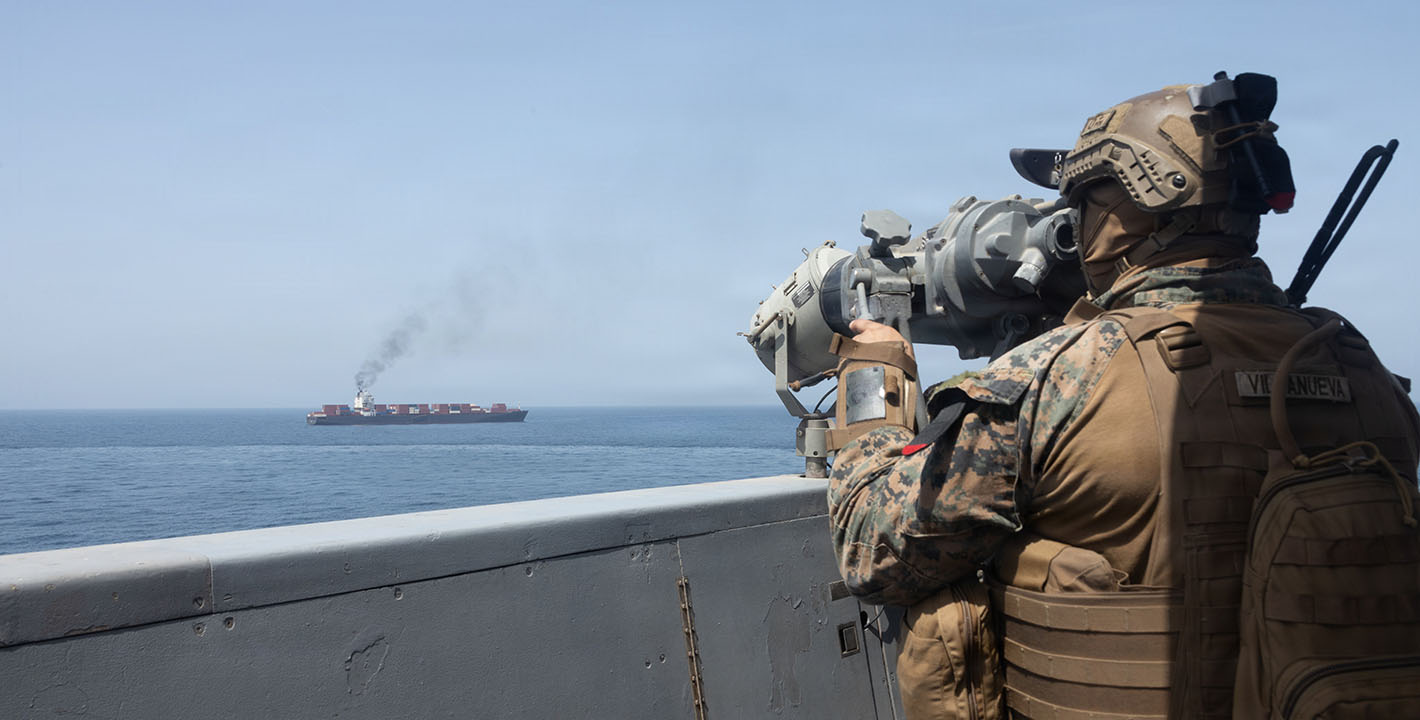
In an interview, Jim Lamson discusses the ongoing regional conflict and sees an unclear picture when it comes to winners and losers.

Michael Young

Our new report offers a path forward for local officials and future policymakers.



Joe McCannon, Jenny Keroack, Lauren Jensen, …

Present and future policymakers seeking to address climate-related health challenges can draw lessons from the successes and failures of the Biden administration.
Joe McCannon, Jenny Keroack, Lauren Jensen, …
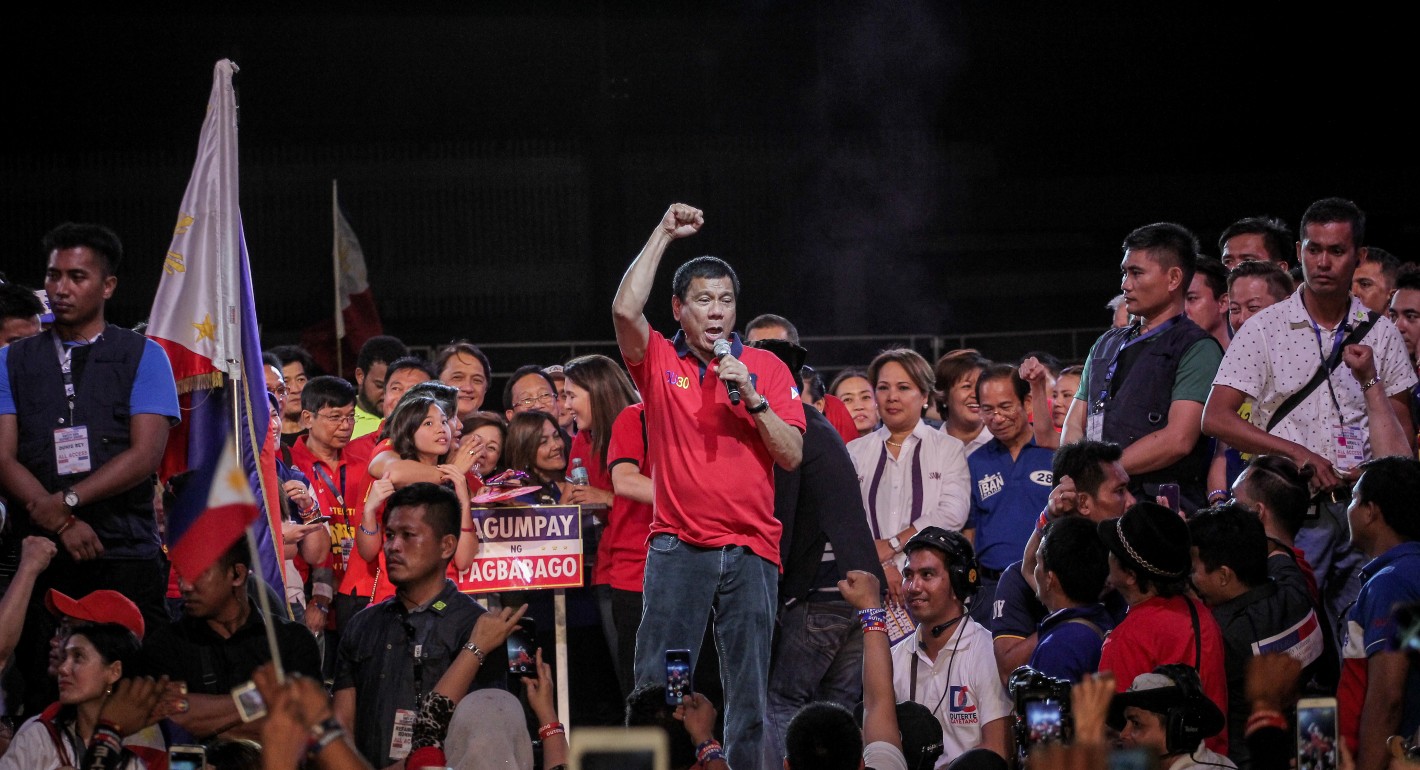
In the Philippines, Duterte-era discourse emphasizing sovereignty, anti-Western skepticism, and strongman diplomacy mirrors tenets of populist foreign policy around the world.

Aries A. Arugay