Q&A
- +1
Amr Hamzawy, Andrew Leber, Eric Lob, …
{
  "authors": [
    "Amr Hamzawy"
  ],
  "type": "other",
  "centerAffiliationAll": "dc",
  "centers": [
    "Carnegie Endowment for International Peace"
  ],
  "collections": [],
  "englishNewsletterAll": "democracy",
  "nonEnglishNewsletterAll": "",
  "primaryCenter": "Carnegie Endowment for International Peace",
  "programAffiliation": "DCG",
  "programs": [
    "Democracy, Conflict, and Governance",
    "Middle East"
  ],
  "projects": [],
  "regions": [
    "Middle East",
    "North Africa",
    "Egypt",
    "Lebanon",
    "Palestine"
  ],
  "topics": [
    "Political Reform",
    "Democracy"
  ]
}
Source: Getty
Mass demonstrations in Lebanon, joint protest rallies of Egyptian Islamists and liberals against the Mubarak regime in Egypt, and municipal elections in Saudi Arabia are just as much features of the current situation as are cease-fire declarations by Palestinian resistance movements and multiparty negotiations for forming a coalition government in Iraq.
We are witnessing unusual scenes in the Middle East. Mass demonstrations in Lebanon, joint protest rallies of Egyptian Islamists and liberals against the Mubarak regime in Egypt, and municipal elections in Saudi Arabia are just as much features of the current situation as are cease-fire declarations by Palestinian resistance movements and multiparty negotiations for forming a coalition government in Iraq.
About the Author
Amr Hamzawy is a senior associate at the Carnegie Endowment, and a noted Egyptian political scientist who previously taught at Cairo University and the Free University of Berlin. His research interests include the changing dynamics of political participation and the prospects of democratic transformation in the Arab world, with special attention both to Egypt and the Gulf countries.

Director, Middle East Program
Amr Hamzawy is a senior fellow and the director of the Carnegie Middle East Program. His research and writings focus on governance in the Middle East and North Africa, social vulnerability, and the different roles of governments and civil societies in the region.
Recent Work


Amr Hamzawy, Andrew Leber, Eric Lob, …
Sarah Yerkes, Amr Hamzawy
Carnegie does not take institutional positions on public policy issues; the views represented herein are those of the author(s) and do not necessarily reflect the views of Carnegie, its staff, or its trustees.

Montenegro and Albania are frontrunners for EU enlargement in the Western Balkans, but they can’t just sit back and wait. To meet their 2030 accession ambitions, they must make a strong positive case.


Dimitar Bechev, Iliriana Gjoni
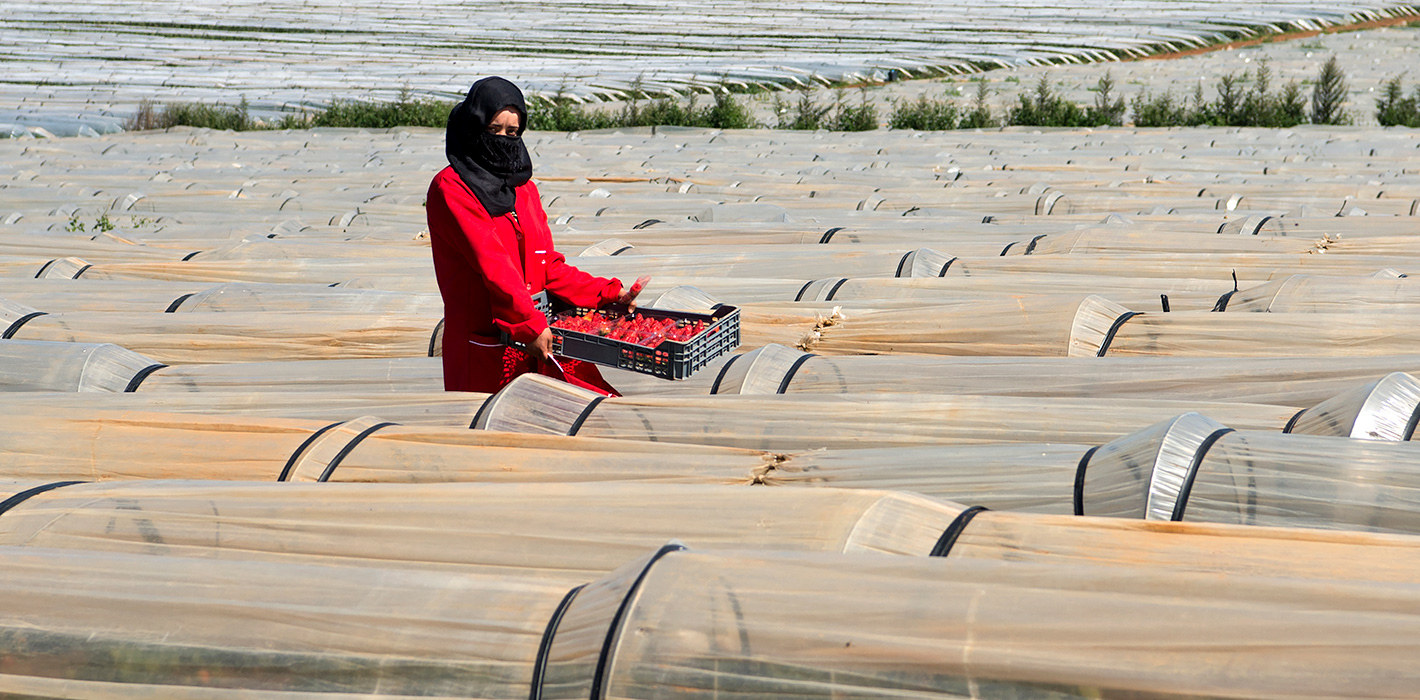
For Morocco, integrating gender into climate governance is not simply a matter of social justice. It is a strategic imperative for effective adaptation.
Fadwa Rajoauni
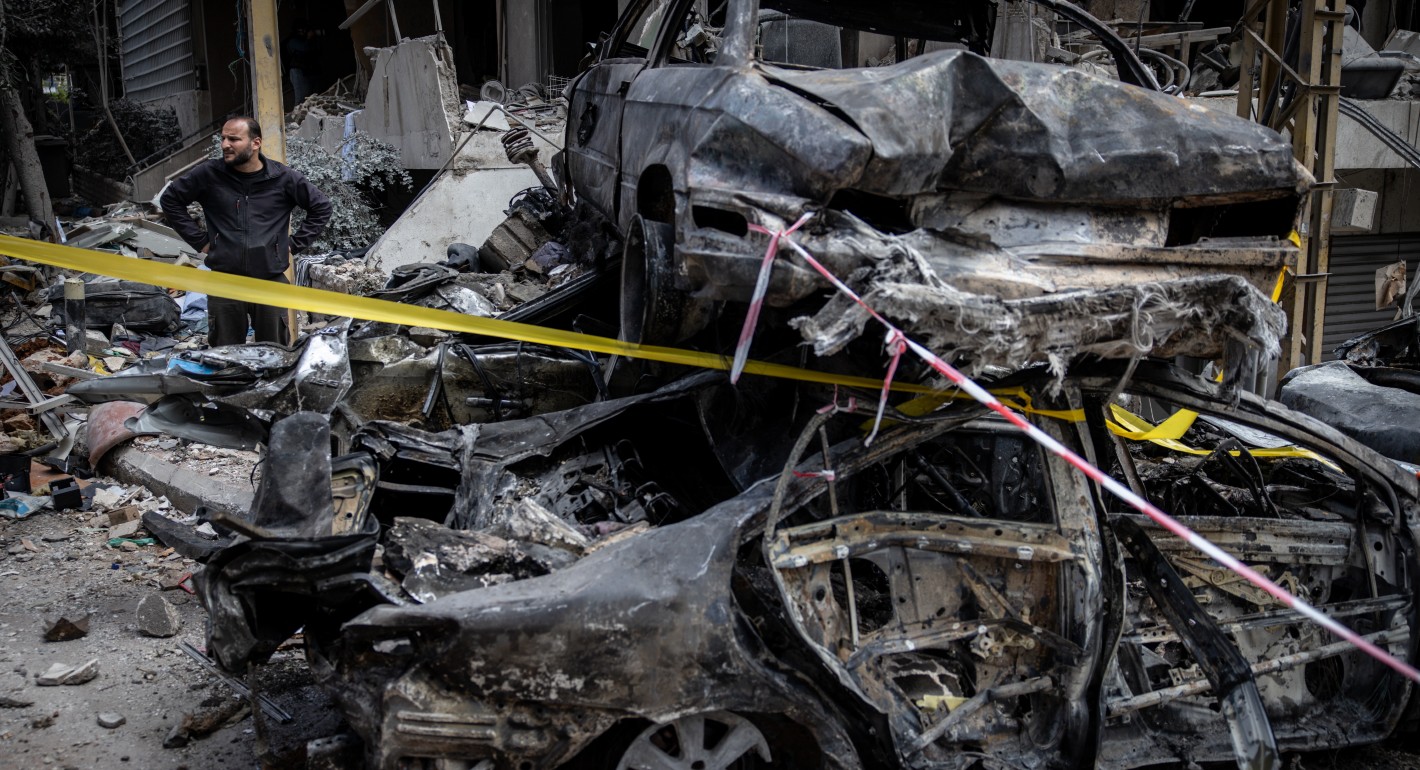
Four Middle East experts analyze the region’s reactions and next steps.
Amr Hamzawy, Andrew Leber, Eric Lob, …
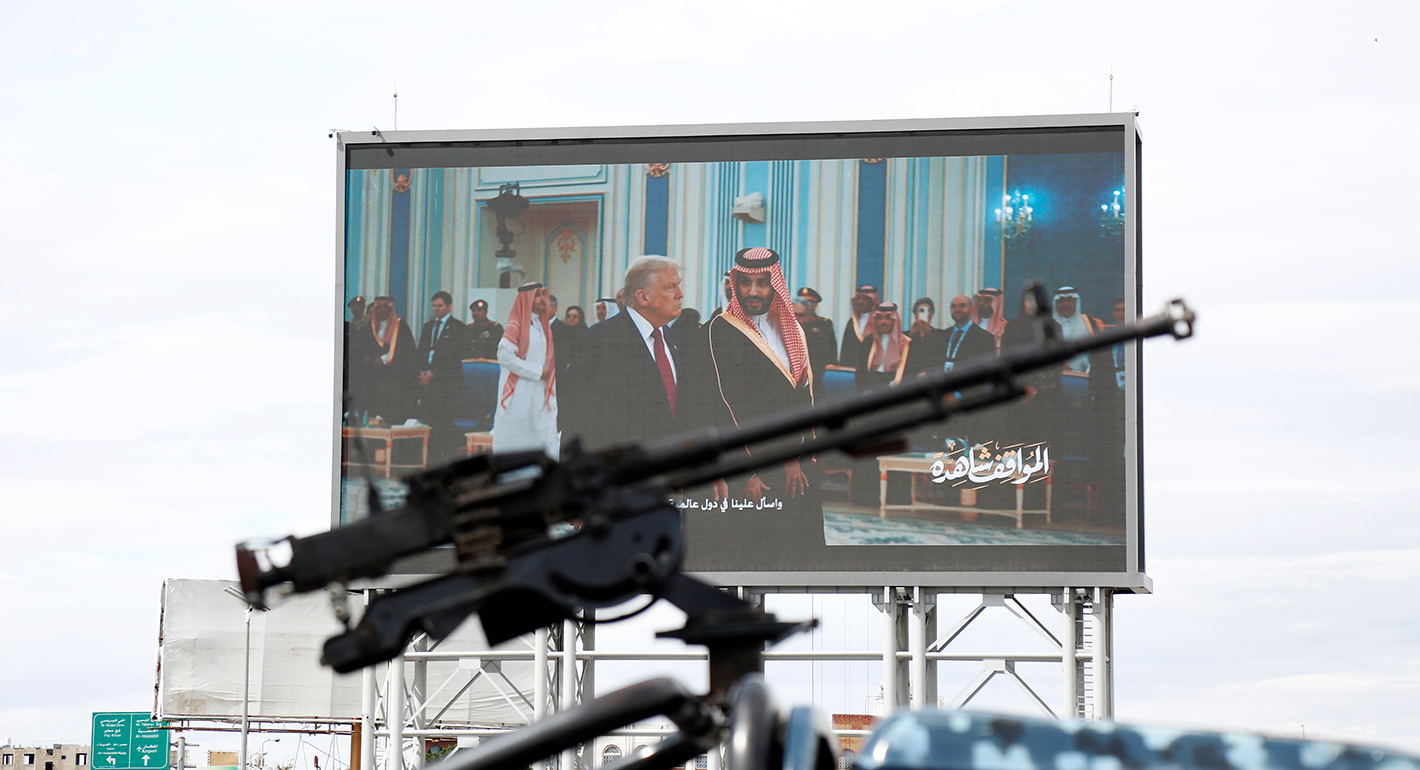
As the war between the United States, Israel, and Iran continues, Carnegie scholars contribute cutting-edge analysis on the events of the war and their wide-reaching implications. From the impact on Iran and its immediate neighbors to the responses from Gulf states to fuel and fertilizer shortages caused by the effective shutdown of the Strait of Hormuz, the war is reshaping Middle East alliances and creating shockwaves around the world. Carnegie experts analyze it all.
The return of war as the organizing factor in Middle Eastern politics has predictable consequences: governments are prioritizing regime stability and becoming averse to political and social reform.
Sarah Yerkes, Amr Hamzawy