Commentary
Montenegro and Albania are frontrunners for EU enlargement in the Western Balkans, but they can’t just sit back and wait. To meet their 2030 accession ambitions, they must make a strong positive case.
Dimitar Bechev, Iliriana Gjoni

REQUIRED IMAGE
The fall of the Berlin wall and the subsequent breakup of the Soviet Union presented an unparalleled opportunity for fundamental political and economic change in more than two dozen countries. As postcommunist countries sought to attain the economic development of their Western neighbors, it became clear that the existing framework of laws and institutions would not support the desired growth.
Summary
The fall of the Berlin wall in 1989 and the subsequent breakup of the Soviet Union presented an unparalleled opportunity for fundamental political and economic change in more than two dozen countries. As postcommunist countries sought to attain the economic development of their Western neighbors, it became clear that the existing framework of laws and institutions would not support the desired growth. Reformers and development experts soon identified a panoply of gaps and shortcomings in financial resources, human resources, and organizational capacity, all of which appeared ripe for outside assistance.
About the Author
Wade Channell is an independent consultant specializing in legal reform and economic development issues in developing and transition countries. Since graduating from Southern Methodist University Law School in 1985, he has lived in Eastern Europe, Western Europe, Latin America, Africa, and the United States, and has worked in more than thirty-five countries. He is currently based in Brussels.
A limited number of print copies are available.
Request a copy
Wade Channell
Carnegie does not take institutional positions on public policy issues; the views represented herein are those of the author(s) and do not necessarily reflect the views of Carnegie, its staff, or its trustees.

Montenegro and Albania are frontrunners for EU enlargement in the Western Balkans, but they can’t just sit back and wait. To meet their 2030 accession ambitions, they must make a strong positive case.


Dimitar Bechev, Iliriana Gjoni
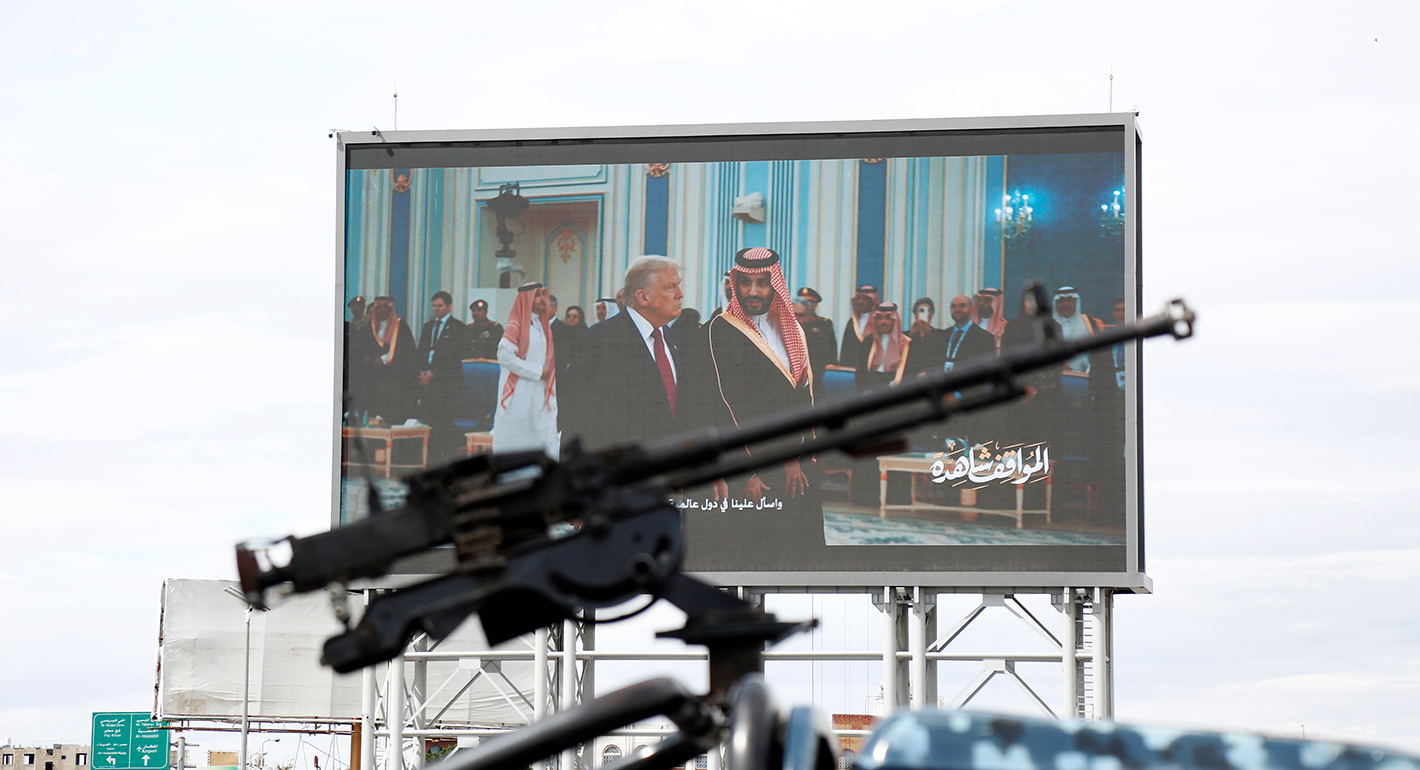
As the war between the United States, Israel, and Iran continues, Carnegie scholars contribute cutting-edge analysis on the events of the war and their wide-reaching implications. From the impact on Iran and its immediate neighbors to the responses from Gulf states to fuel and fertilizer shortages caused by the effective shutdown of the Strait of Hormuz, the war is reshaping Middle East alliances and creating shockwaves around the world. Carnegie experts analyze it all.
The return of war as the organizing factor in Middle Eastern politics has predictable consequences: governments are prioritizing regime stability and becoming averse to political and social reform.


Sarah Yerkes, Amr Hamzawy

The future looks bleak for independent media worldwide, but there is a robust infrastructure of knowledge, organizations, and people to build upon.


Daniel Sabet, Susan Abbott
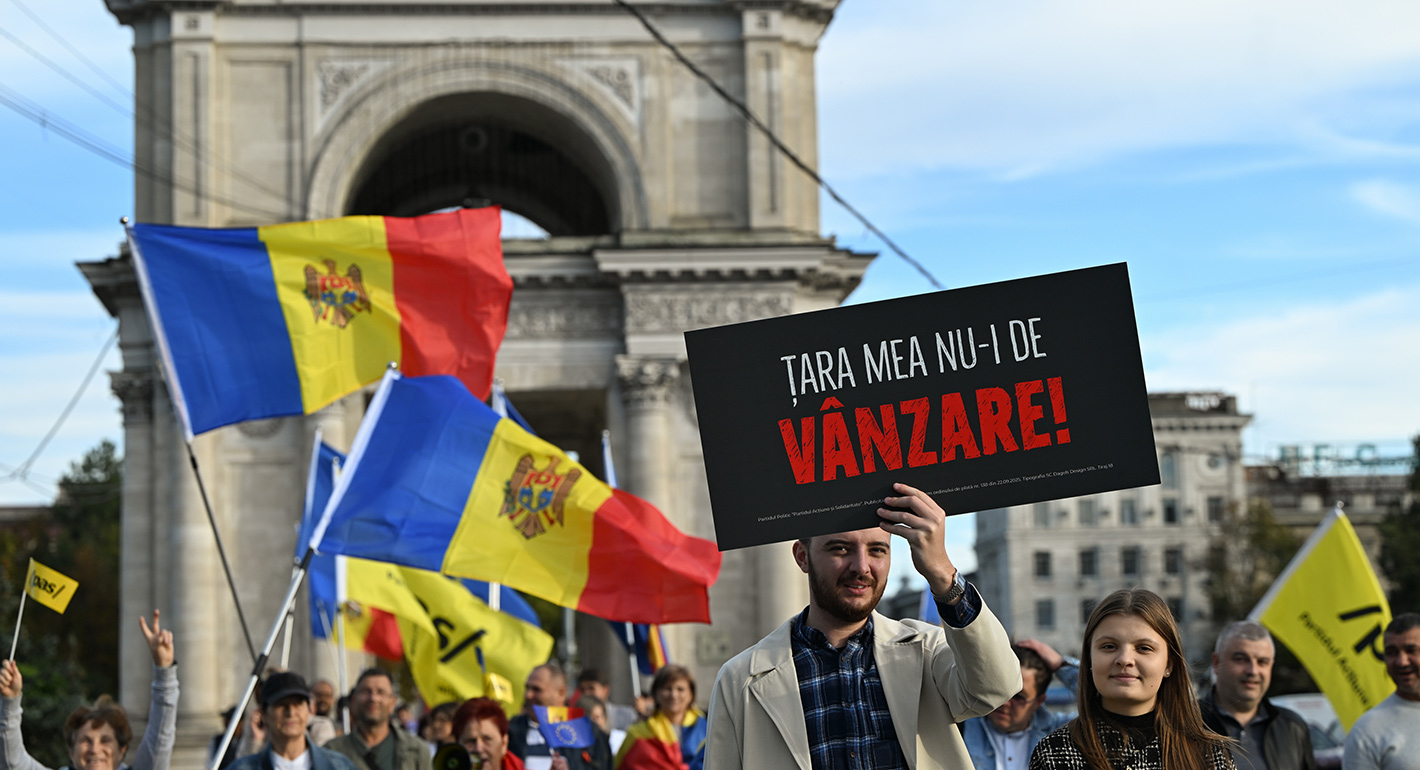
Defenders of democracy often split over perceptions, methods, urgency levels, and priorities.


Murat Somer, Jennifer McCoy