• Research
  • Emissary
  • About
  • Experts
Carnegie Global logoCarnegie lettermark logo
DemocracyIran
  • Donate
Managing Relations with the United States
Book

Managing Relations with the United States

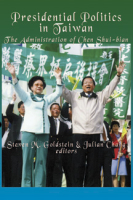
Chen Shui-Bien focused excessively on electoral politics in Taiwan, allowing them to trump a careful consideration of the long-term strategic importance of its delicate relationship with the United States.

Link Copied
By Michael D. Swaine
Published on Jun 30, 2005
Program mobile hero image

Program

Asia

The Asia Program in Washington studies disruptive security, governance, and technological risks that threaten peace, growth, and opportunity in the Asia-Pacific region, including a focus on China, Japan, and the Korean peninsula.

Learn More

Source: EastBridge

Michael Swaine focuses on Taiwan's relationship with the United States.  The Chen administration "traveresed the full spectrum of relations with the United States: from trusted democratic friend and quasi-ally with increasingly convergent views, to highly distrusted and disliked leader, viewed by Washington as potentially disruptive of some vital U.S. interests".  Swaine places the blame for this change squarely at Chen's door.  Electoral politics trumped a careful consideration of the long-term strategic importance of the delicate relationship with the United States.  Although the strains of the relationship were clear, in his second term Chen continued to "push the envelope" on the independence issue.  But, Swaine concludes, the general public, having been to the brink of exacerbated relations with the United States and potential conflict with the Mainland, may become increasingly attracted to a middle course of pragmatism in cross-Strait relations. 

This book is available from EastBridge. 
To order the book from EastBridge, please
click here.

About the Author

Michael D. Swaine

Former Senior Fellow, Asia Program

Swaine was a senior fellow at the Carnegie Endowment for International Peace and one of the most prominent American analysts in Chinese security studies.

    Recent Work

  • Other
    What Kind of Global Order Should Washington and Beijing Strive For?

      Michael D. Swaine

  • Commentary
    A Smarter U.S. Strategy for China in Four Steps

      Michael D. Swaine

Michael D. Swaine
Former Senior Fellow, Asia Program
Michael D. Swaine
East AsiaChinaTaiwan

Carnegie does not take institutional positions on public policy issues; the views represented herein are those of the author(s) and do not necessarily reflect the views of Carnegie, its staff, or its trustees.

More Work from Carnegie Endowment for International Peace

  • Article
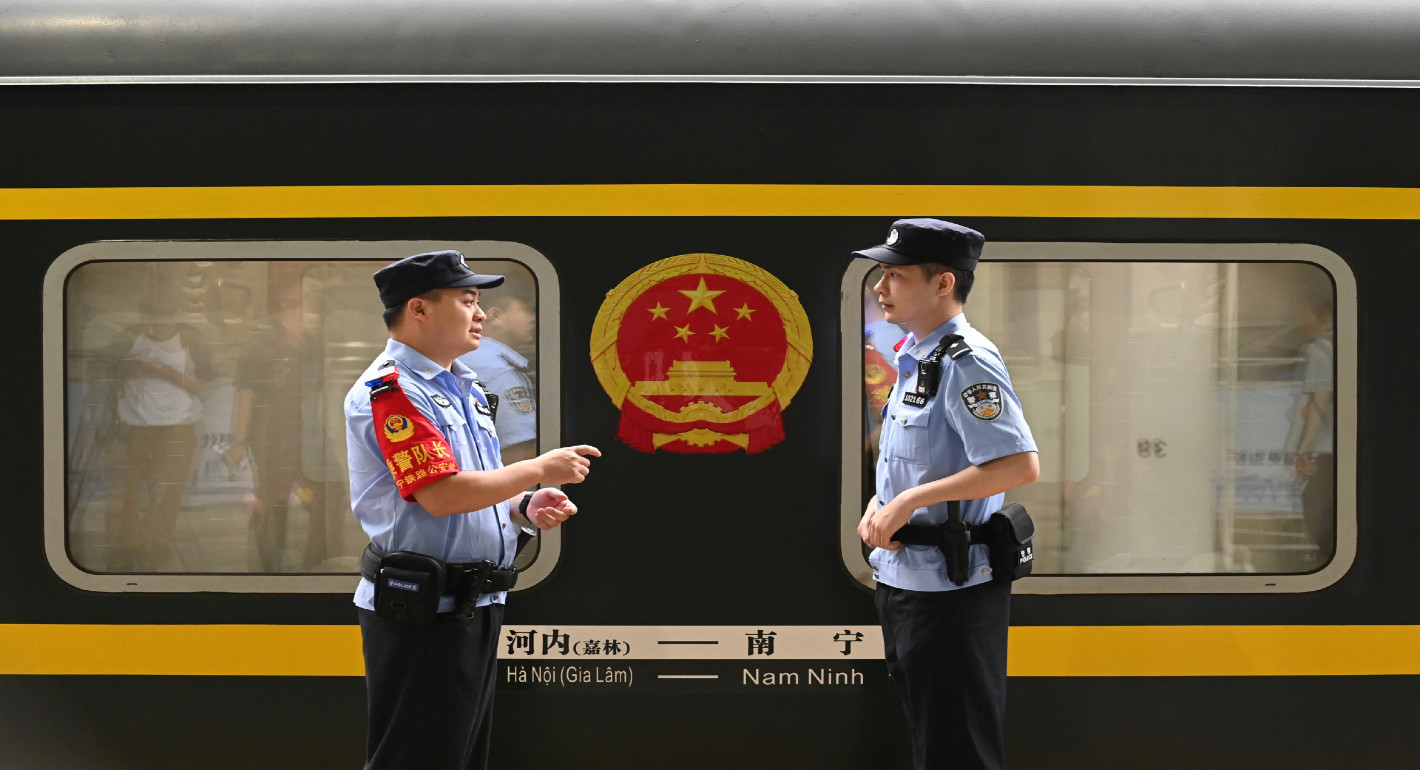
    Leveraging Internal Security Cooperation with Vietnam Offers a Glimpse of Future Chinese Diplomacy with Southeast Asia

    Despite long-standing differences, China and Vietnam are reinforcing common ground for collaboration, especially in public security. This internal security–centered diplomacy offers a strengthened road map for how China moves forward with Southeast Asia.

      Sophie Zhuang

  • Commentary
    China’s Energy Security Doesn’t Run Through Hormuz but Through the Electrification of Everything

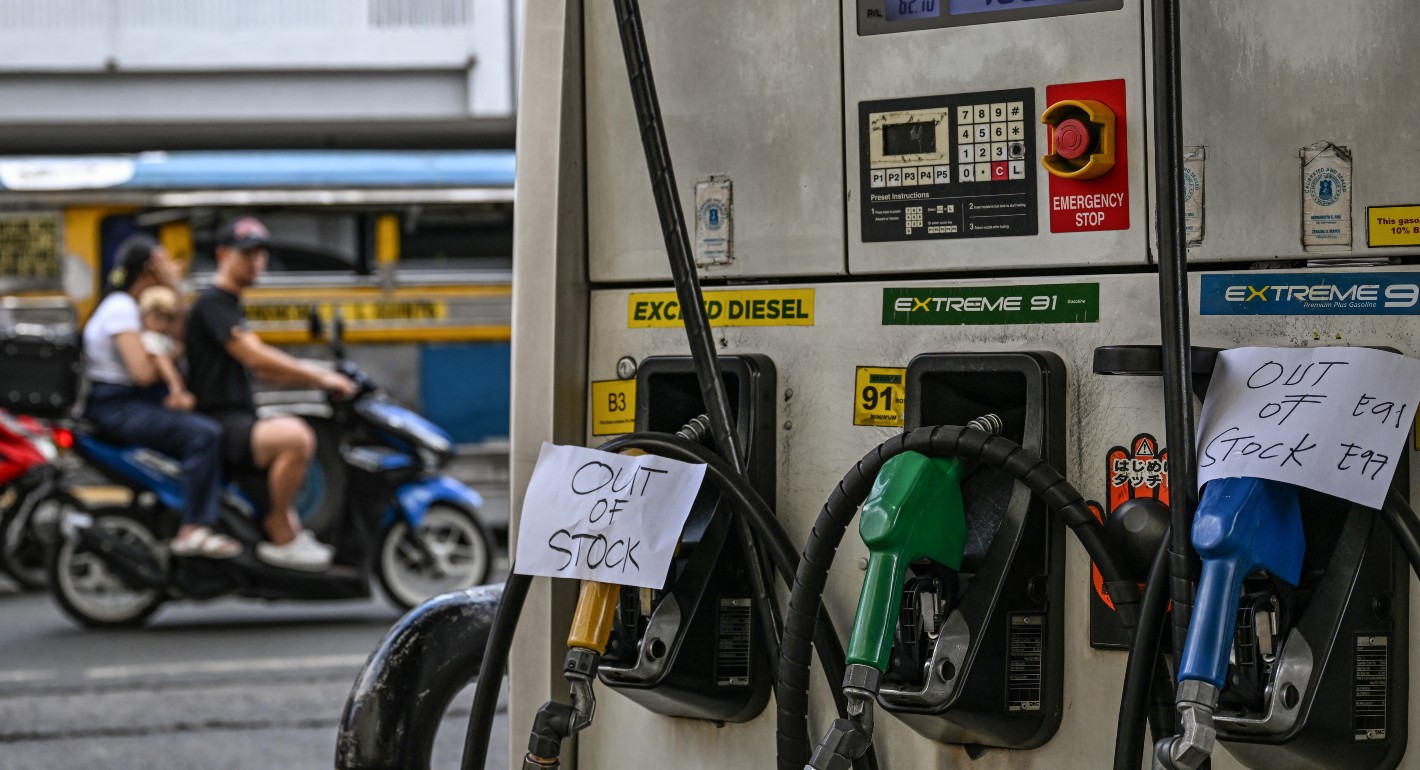
    Across Asia, China is better positioned to withstand energy shocks from the fallout of the Iran war. Its abundant coal capacity can ensure stability in the near term. Yet at the same time, the country’s energy transition away from coal will make it even less vulnerable during the next shock.


      • Damien Ma

      Damien Ma

  • Commentary
    Emissary
    In Its Iran War Debate, Washington Has Lost the Plot in Asia

    The United States ignores the region’s lived experience—and the tough political and social trade-offs the war has produced—at its peril.

      Evan A. Feigenbaum

  • Commentary
    China Financial Markets
    What GDP Means in a Soft Budget Economy Like China

    The GDP measure is an attempt to measure value creation in an economy. This measure, however, can vary greatly between economies that have disciplinary mechanisms that force them to recognize investment losses quickly and economies that don’t, and can postpone this recognition for many years.

      Michael Pettis

  • Xi walking into a room with people standing and applauding around him
    Commentary
    Emissary
    The Xi Doctrine Zeros in on “High-Quality Development” for China’s Economic Future

    In the latest Five-Year Plan, the Chinese president cements the shift to an innovation-driven economy over a consumption-driven one.

      • Damien Ma

      Damien Ma

Get more news and analysis from
Carnegie Endowment for International Peace
Carnegie global logo, stacked
1779 Massachusetts Avenue NWWashington, DC, 20036-2103Phone: 202 483 7600Fax: 202 483 1840
  • Research
  • Emissary
  • About
  • Experts
  • Donate
  • Programs
  • Events
  • Blogs
  • Podcasts
  • Contact
  • Annual Reports
  • Careers
  • Privacy
  • For Media
  • Government Resources
Get more news and analysis from
Carnegie Endowment for International Peace
© 2026 Carnegie Endowment for International Peace. All rights reserved.