

Article
Frederic Grare
Source: Getty
Taliban insurgents and their Al Qaeda allies, once thought defeated in Afghanistan, are regaining strength. Frederic Grare examines the evolution of the situation in Afghanistan and takes a look at Afghanistan through Pakistan's eyes. In addition, Grare provides policy recommendations for regional relations in a post-U.S. Afghanistan.
Source: Carnegie Endowment

In a new Carnegie Paper, Pakistan-Afghanistan Relations in the Post-9/11 Era, Visiting Scholar Frederic Grare examines the evolution of the situation in Afghanistan and takes a look at Afghanistan through Pakistan's eyes. In addition, Grare provides policy recommendations for regional relations in a post-U.S. Afghanistan. He suggests that only the end of military rule in Pakistan can clear the way for more stabilized relations with Afghanistan. To achieve these ends, democratizing Pakistan is first and foremost a strategic imperative.
Click on icon above for the full text of this Carnegie Paper.
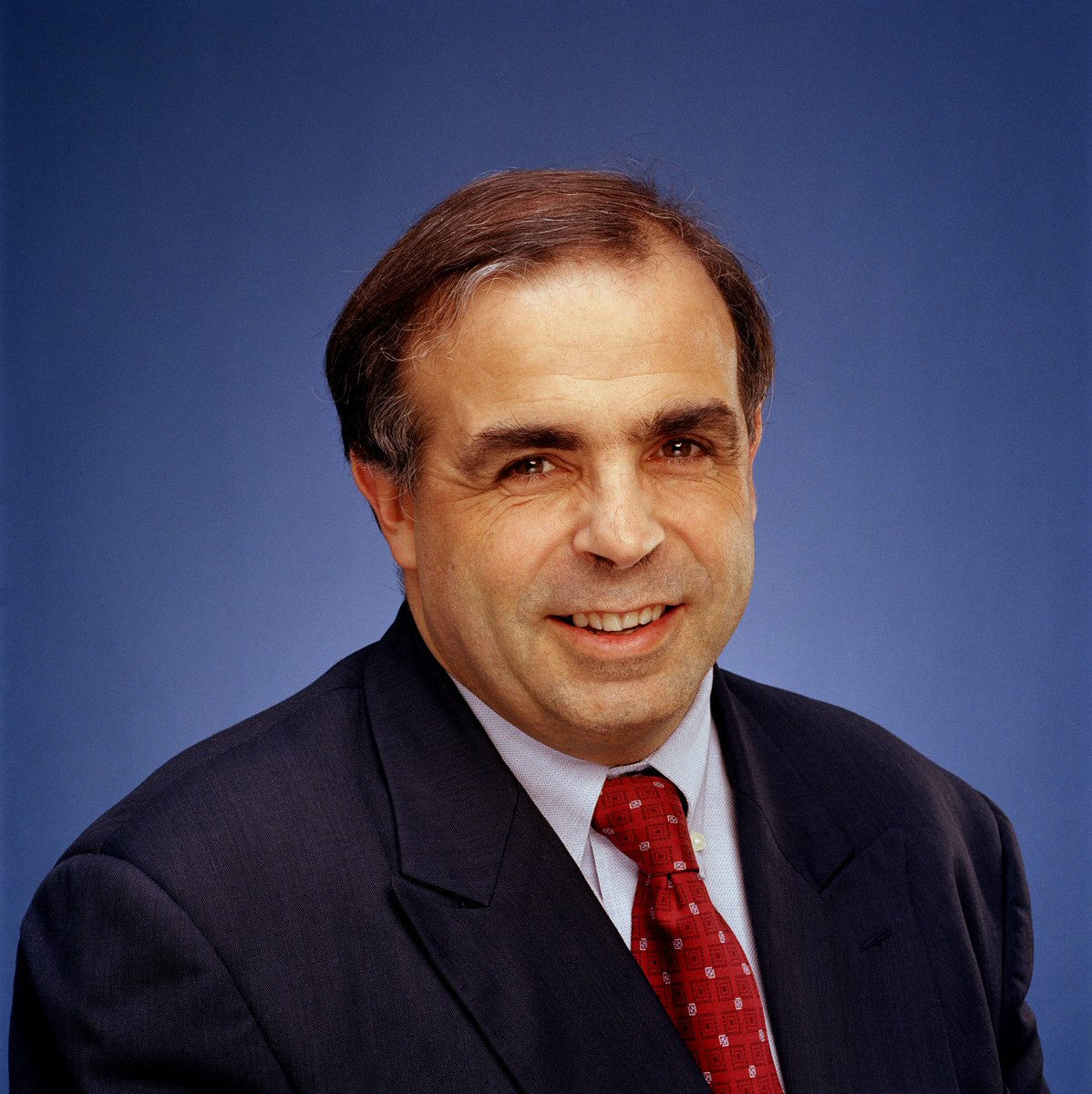
Frederic Grare is a visiting scholar in the South Asia Program at the Carnegie Endowment. He focuses on the tension between stability and democratization in Pakistan.
Former Nonresident Senior Fellow, South Asia Program
Frédéric Grare was a nonresident senior fellow at the Carnegie Endowment for International Peace, where his research focuses on Indo-Pacific dynamics, the search for a security architecture, and South Asia Security issues.
Recent Work
Frederic Grare
Frederic Grare
Carnegie does not take institutional positions on public policy issues; the views represented herein are those of the author(s) and do not necessarily reflect the views of Carnegie, its staff, or its trustees.
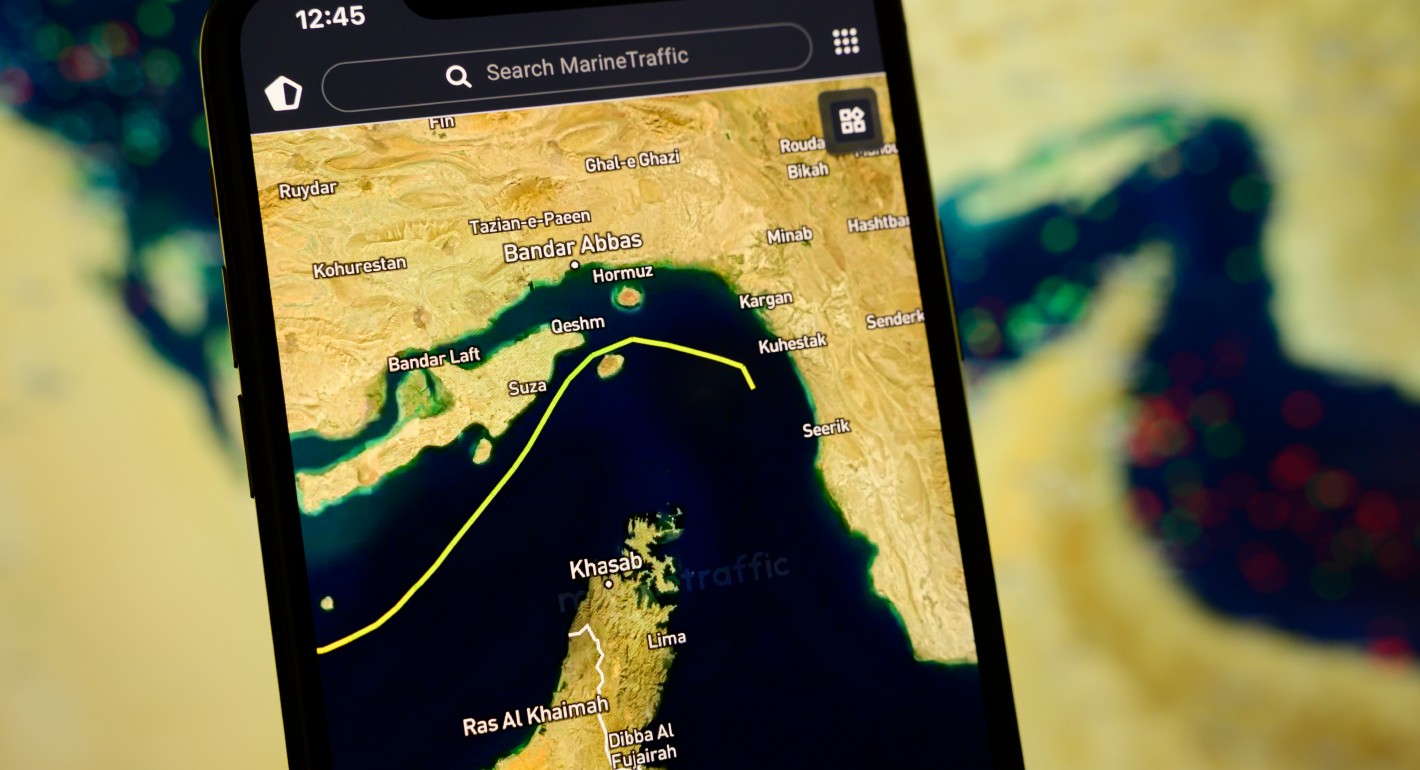
Why the Iran ceasefire isn’t a quick fix to the Strait of Hormuz energy crisis.

Helima Croft, Aaron David Miller
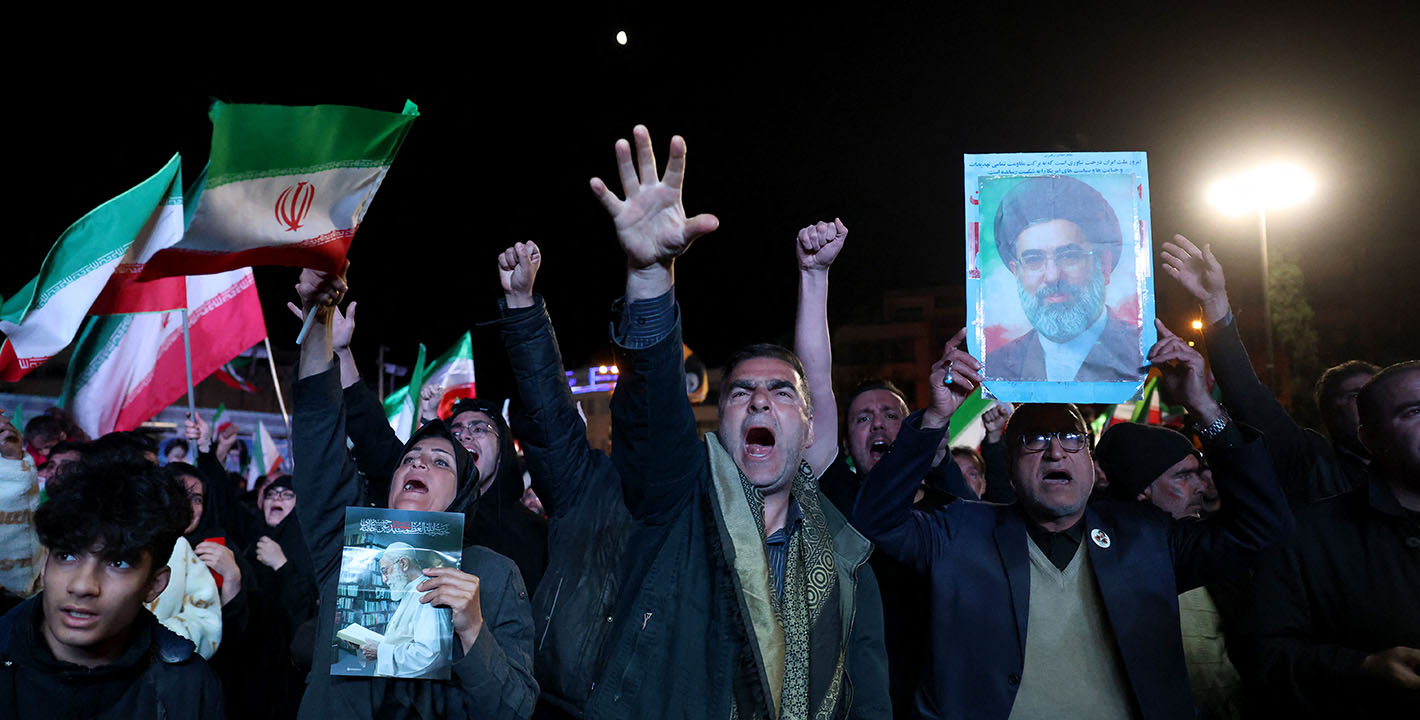
Spot analysis from Carnegie scholars on events relating to the Middle East and North Africa.

Michael Young

Across Asia, China is better positioned to withstand energy shocks from the fallout of the Iran war. Its abundant coal capacity can ensure stability in the near term. Yet at the same time, the country’s energy transition away from coal will make it even less vulnerable during the next shock.

Damien Ma
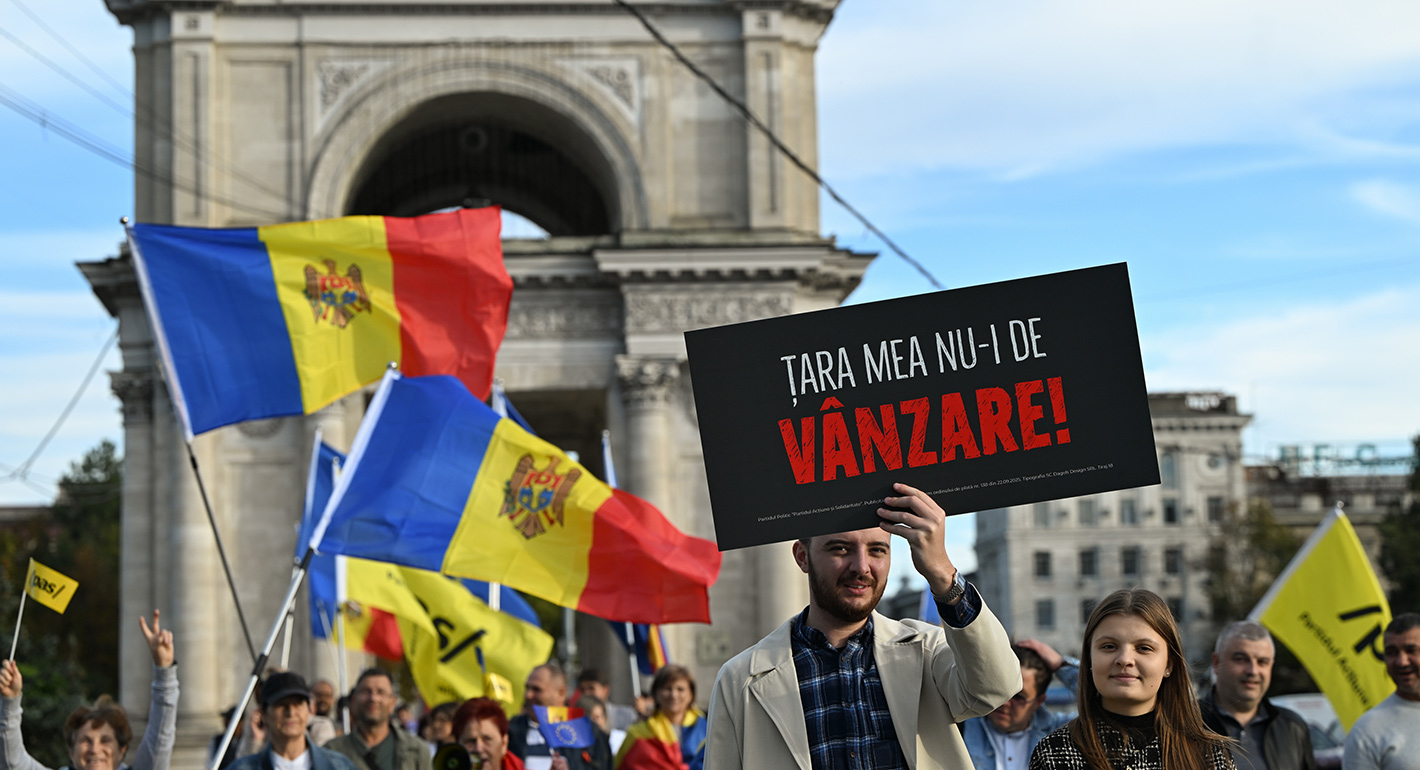
Defenders of democracy often split over perceptions, methods, urgency levels, and priorities.

Murat Somer, Jennifer McCoy
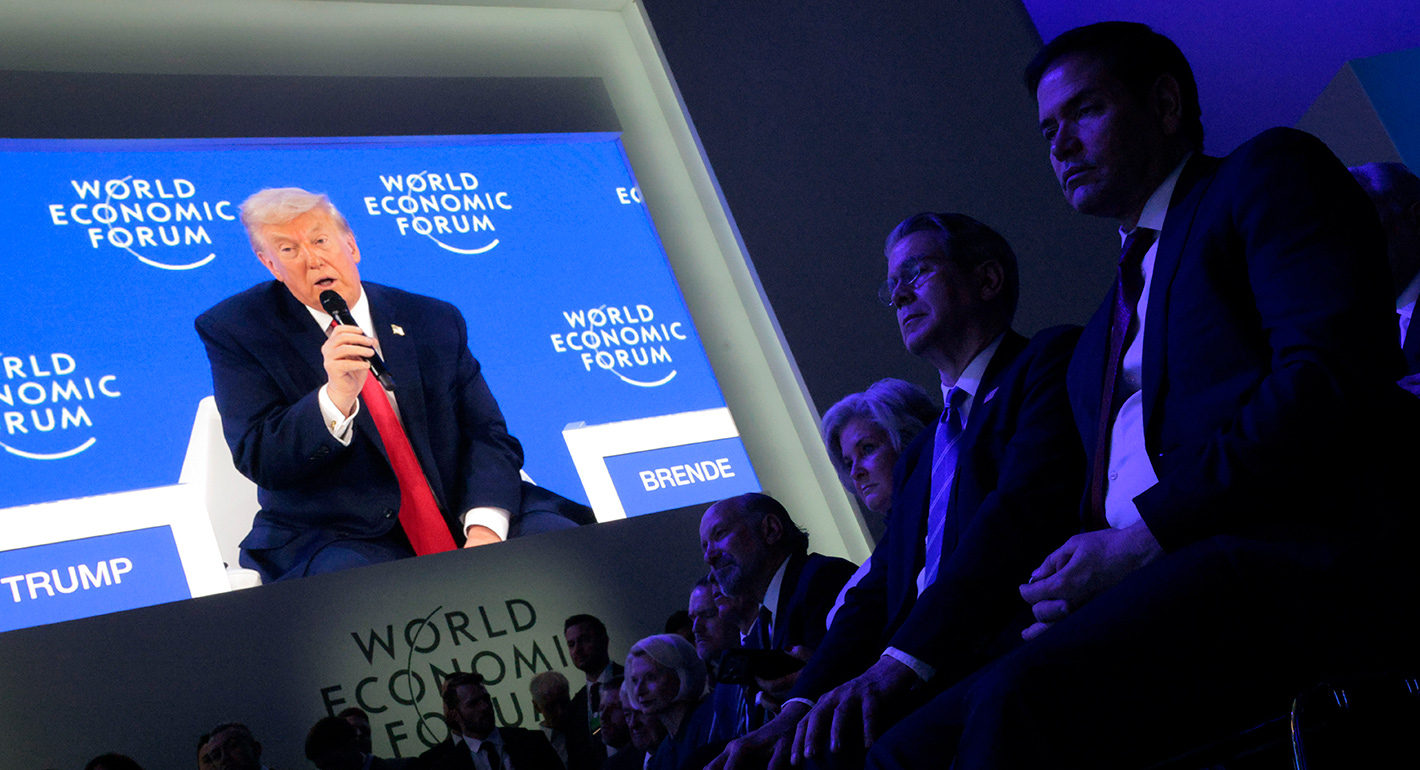
The behaviors, public statements, and policies of Donald Trump’s administration have perverted America’s strategic posture toward Europe.

Dan Baer, Erik Brown