In The Media
Josh Kurlantzick
{
  "authors": [
    "Josh Kurlantzick"
  ],
  "type": "legacyinthemedia",
  "centerAffiliationAll": "dc",
  "centers": [
    "Carnegie Endowment for International Peace"
  ],
  "collections": [],
  "englishNewsletterAll": "asia",
  "nonEnglishNewsletterAll": "",
  "primaryCenter": "Carnegie Endowment for International Peace",
  "programAffiliation": "AP",
  "programs": [
    "Asia"
  ],
  "projects": [],
  "regions": [
    "East Asia",
    "China",
    "Japan"
  ],
  "topics": [
    "Political Reform",
    "Security",
    "Military"
  ]
}
Source: Getty
One month ago, foreign policy conservative Shinzo Abe became Japan's prime minster. But instead of inflammatory nationalistic rhetoric, Abe has signaled a warming to China. If he fails to continue his early progress, in a part of the world becoming increasingly dangerous, Tokyo and Beijing might not have another chance for reconciliation.
Source: The New Republic (Online)

Okazaki was only reflecting Abe's thinking. Abe had acquired his high political profile in 2002 by declaring that Japan must take a much tougher approach to North Korea. He expanded his policy thinking to announce that Japan, restrained by a pacifist post-WWII constitution, should revise its charter and develop a more powerful army. Abe also defended Japanese politicians' right to visit the Yasukuni shrine, where 14 World War II-era convicted Japanese Class A war criminals are honored.
These conservative ideas pleased Abe's base but angered other nations in Northeast Asia, who still seethe at memories of World War II, which they believe Japan has never truly accepted responsibility for. For five years, Chinese leaders refused to formally invite Abe's conservative predecessor, Junichiro Koizumi, who also repeatedly visited Yasukuni, while South Korea repeatedly criticized Japan's tough policies toward Pyongyang. Much of the Japanese press, too, worried about the future if Abe ascended to the prime minister's job. Abe "has made it clear, if ever there were any doubt, that he will pursue an ultra-conservative, nationalistic ... political and foreign-policy agenda," wrote one Japanese commentator.
A month ago, Shinzo Abe became Japan's prime minister. And, since then, he has apparently shifted course, launching a highly publicized reconciliation visit to China, tamping down his political rhetoric, and charming the domestic and foreign press. Indeed, like Richard Nixon, the conservative Abe could be Japan's best chance for long-term stability with China. If he fails, in a part of the world becoming increasingly dangerous, Tokyo and Beijing might not have another chance for reconciliation.
Since becoming prime minister, Abe has reached out to Japan's key neighbors, China and South Korea, revealing himself to be a potential pragmatist rather than an idealogue. Abe quickly visited both nations, winning over elites with soothing words and his telegenic wife, who declared her love for Korean soap operas and was featured in a large profile on Chinese television. He also declared that Japan's World War II leaders had greatly damaged Asia--a bitter pill for him to swallow, since his grandfather was one of those men--and has stopped openly declaring his visits to the Yasukuni Shrine. Northeast Asia responded, with Chinese president Hu Jintao announcing Japan-China relations had reached a "turning point" and with Beijing declaring that "China also hopes that there will be good weather in bilateral ties." Abe even pleased the Japanese press, with prominent commentator Keizo Nabehima announcing that "Abe off to an impressive start."
Like Nixon, Abe can make these moves because he had already shored up the conservative base in the Liberal Democratic Party. Unlike Abe, according to Japan expert You Ji, former Koizumi did not have such support in the party, and he had to use populist statements, like visiting the Yasukuni Shrine, to rally public sentiment.
In a way, Abe also has gotten lucky. As Abe was flying to South Korea, Kim Jong Il decided to set off a nuclear weapon, a move that led Japan and South Korea to announce they were in "lockstep" in reacting to Pyongyang. That unity would fade--Japan quickly imposed much harsher sanctions on the North than South Korea may be willing to tolerate--but Kim's actions did remind China and South Korea that there are far greater threats in Asia than the specter of Japanese militarism.
Nonetheless, the future could still be dangerous. Years of growing tension and nationalism in both China and Japan have soured public opinion, particularly among young people. A study released in September by the Pew Global Attitudes Project showed that over 70 percent of Japanese viewed China unfavorably, while another study, by the Cabinet Office of Japan, revealed the number of Japanese with relatively warm feelings toward China had declined from over 75 percent in 1980 to 32 percent in 2005. This mutual suspicion can explode, especially when stoked by the state, as it did last year when anti-Japan riots swept across China.
At heart, Abe also still has policy goals that, though sensible, could cause tension in Asia. He pledges to revise Japan's pacifist constitution to allow Tokyo real armed forces, and he may move Japan closer to the U.S. missile defense program. Abe's conservative supporters also may not always stay on message, either. In an interview with Time, Okazaki announced that China must accept a closer U.S.-Japan alliance, and Japan has "to be prepared for war."
Still, Abe might be the best hope for long-term peace. In modern history, Japan and China have never been powerful in Asia at the same time, as they are today, and no one has a model for how to get them to cooperate. As China becomes more powerful, it will only scare Japan even more, and the two countries have already had near-clashes over disputed areas in the seas between them. If Tokyo and Beijing have not developed smoother relations a decade from now, even an Abe-like figure might not be able to prevent disaster.
This article was originally published in The New Republic (Online), November 1, 2006.

Former Visiting Scholar, China Program
A special correspondent for The New Republic, a columnist for Time, and a senior correspondent for The American Prospect, Kurlantzick assesses China’s relationship with the developing world, including Southeast Asia, Africa, and Latin America.
Recent Work
Josh Kurlantzick
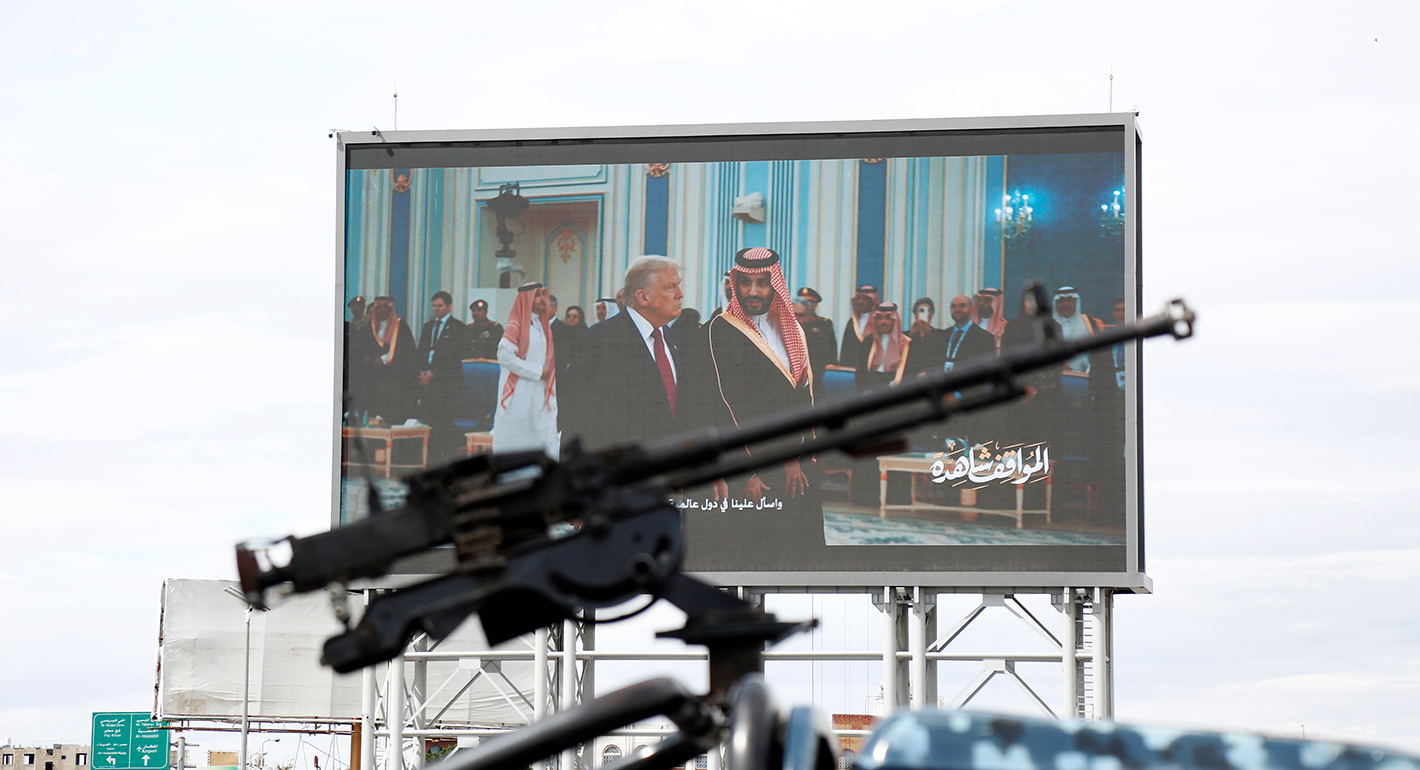
As the war between the United States, Israel, and Iran continues, Carnegie scholars contribute cutting-edge analysis on the events of the war and their wide-reaching implications. From the impact on Iran and its immediate neighbors to the responses from Gulf states to fuel and fertilizer shortages caused by the effective shutdown of the Strait of Hormuz, the war is reshaping Middle East alliances and creating shockwaves around the world. Carnegie experts analyze it all.
The return of war as the organizing factor in Middle Eastern politics has predictable consequences: governments are prioritizing regime stability and becoming averse to political and social reform.


Sarah Yerkes, Amr Hamzawy
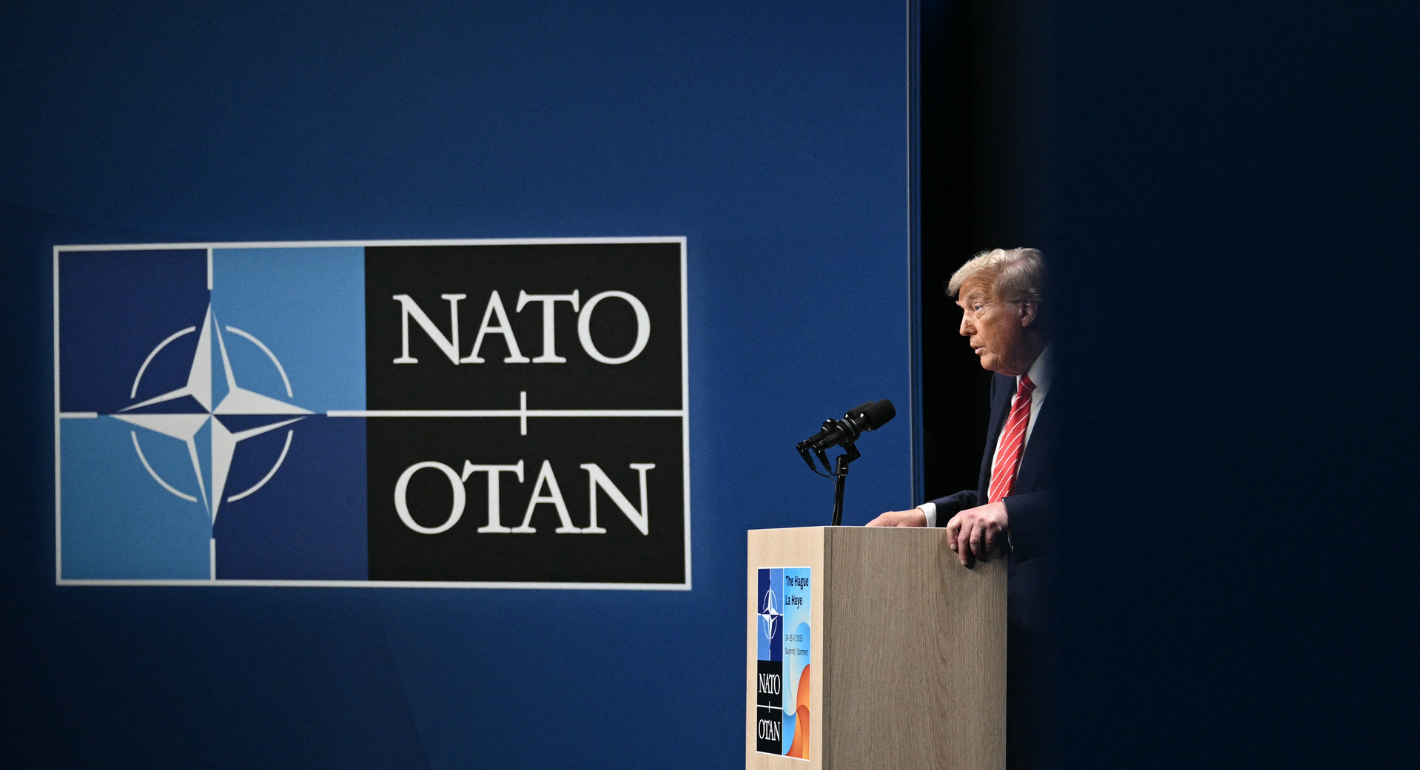
Donald Trump has repeatedly bashed NATO and European allies, threatening to annex Canada and Greenland and deploring their lack of enthusiasm for his war of choice in Iran. Is this latest round of abuse the final straw?

Rym Momtaz, ed.

Across Asia, China is better positioned to withstand energy shocks from the fallout of the Iran war. Its abundant coal capacity can ensure stability in the near term. Yet at the same time, the country’s energy transition away from coal will make it even less vulnerable during the next shock.

Damien Ma
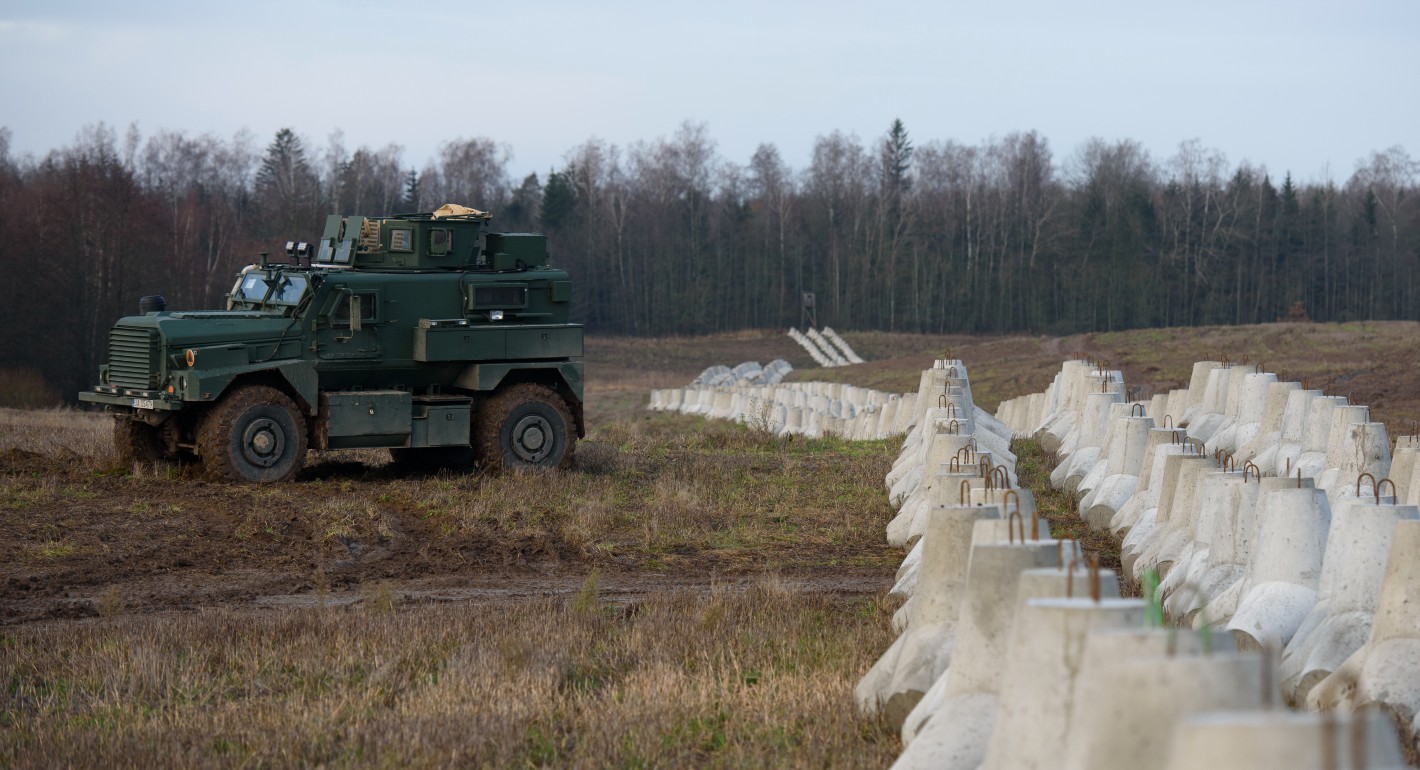
Putin’s blunder has created new and enduring security challenges for Russia and Europe.
Eugene Rumer