

Other
Wang Yanjia, William Chandler
{
  "authors": [
    "William Chandler"
  ],
  "type": "testimony",
  "centerAffiliationAll": "dc",
  "centers": [
    "Carnegie Endowment for International Peace"
  ],
  "collections": [],
  "englishNewsletterAll": "ctw",
  "nonEnglishNewsletterAll": "",
  "primaryCenter": "Carnegie Endowment for International Peace",
  "programAffiliation": "SCP",
  "programs": [
    "Sustainability, Climate, and Geopolitics"
  ],
  "projects": [],
  "regions": [
    "North America",
    "United States",
    "East Asia",
    "China"
  ],
  "topics": [
    "Climate Change"
  ]
}
Source: Getty
Successful Post-Kyoto leadership on climate policy requires three elements: stronger goals, effective implementation, and the participation of the United States and China.
Successful Post-Kyoto leadership on climate policy requires three elements: stronger goals, effective implementation, and the participation of the United States and China.
In a presentation at the opening plenary of the ACEEE/CEE 12th annual National Symposium on Market Transformation, Carnegie Energy and Climate Program Director William Chandler suggests achievable climate targets and policies for G8 countries and China. Governments can change climate behavior through four mechanisms: regulation, taxation, spending on R&D and subsidies, and providing information. To reach ambitious climate targets, policy-makers must understand how these tools interact to affect individual and industrial consumption of energy. This, in turn, requires better application of behavioral economics and grassroots organizing.
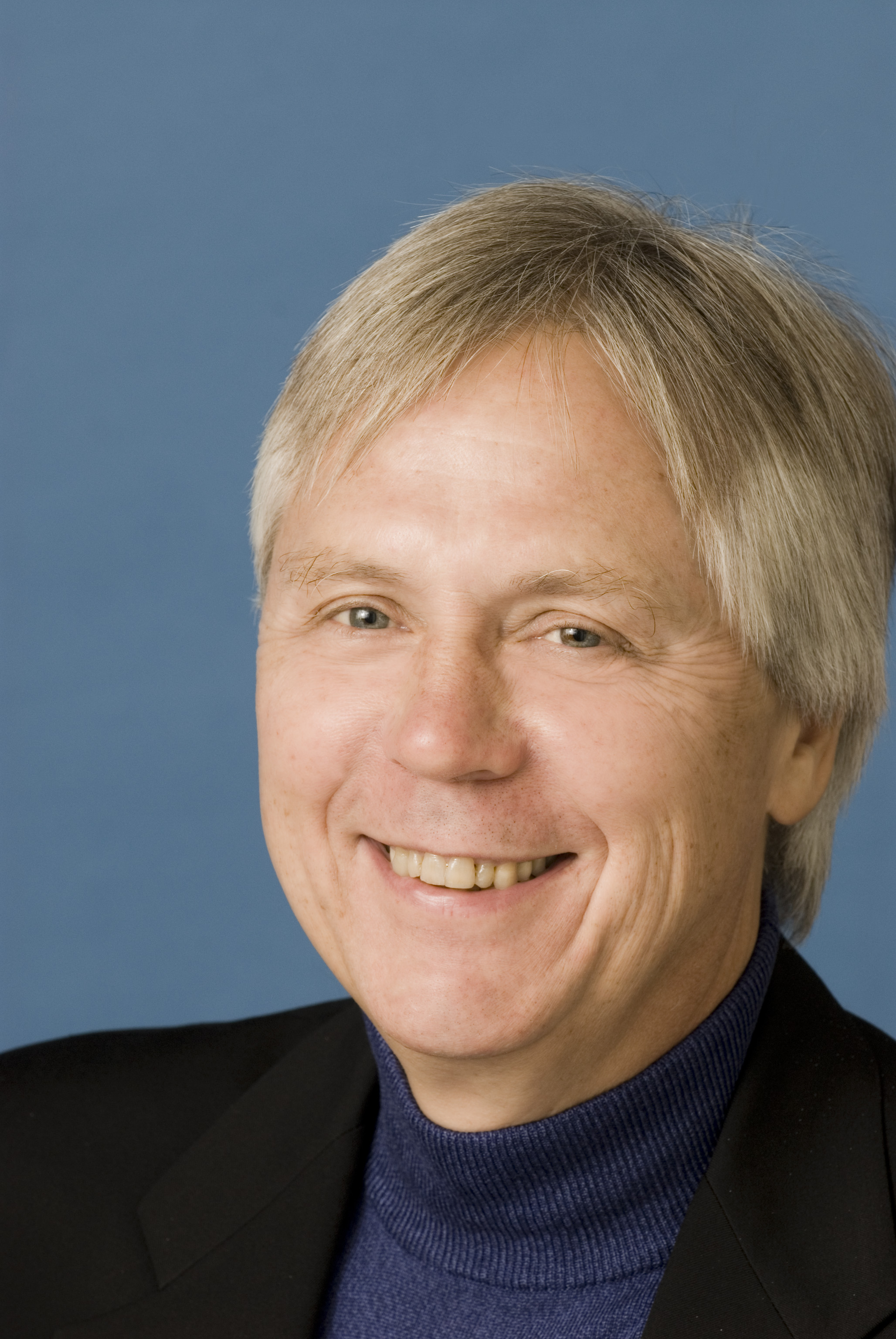
Former Adjunct Senior Associate, Energy and Climate Program
Chandler is a leading expert on energy and climate. As an adjunct senior associate in the Energy and Climate Program he supports Carnegie’s work in these fields, collaborating closely on projects with Carnegie’s offices in Moscow, Beijing, Brussels, and Beirut.
Recent Work
Wang Yanjia, William Chandler

William Chandler, Taiya M. Smith
Carnegie does not take institutional positions on public policy issues; the views represented herein are those of the author(s) and do not necessarily reflect the views of Carnegie, its staff, or its trustees.
Although Ukrainian strikes have led to a noticeable decline in the physical volume of Russian oil exports, the rise in prices has more than made up for it.

Sergey Vakulenko

Five problems—and solutions—to make it actually work as a tool of great power competition.

Afreen Akhter
Lebanon’s largest water reservoir is a house of many mansions when it comes to converging failures.

Camille Ammoun
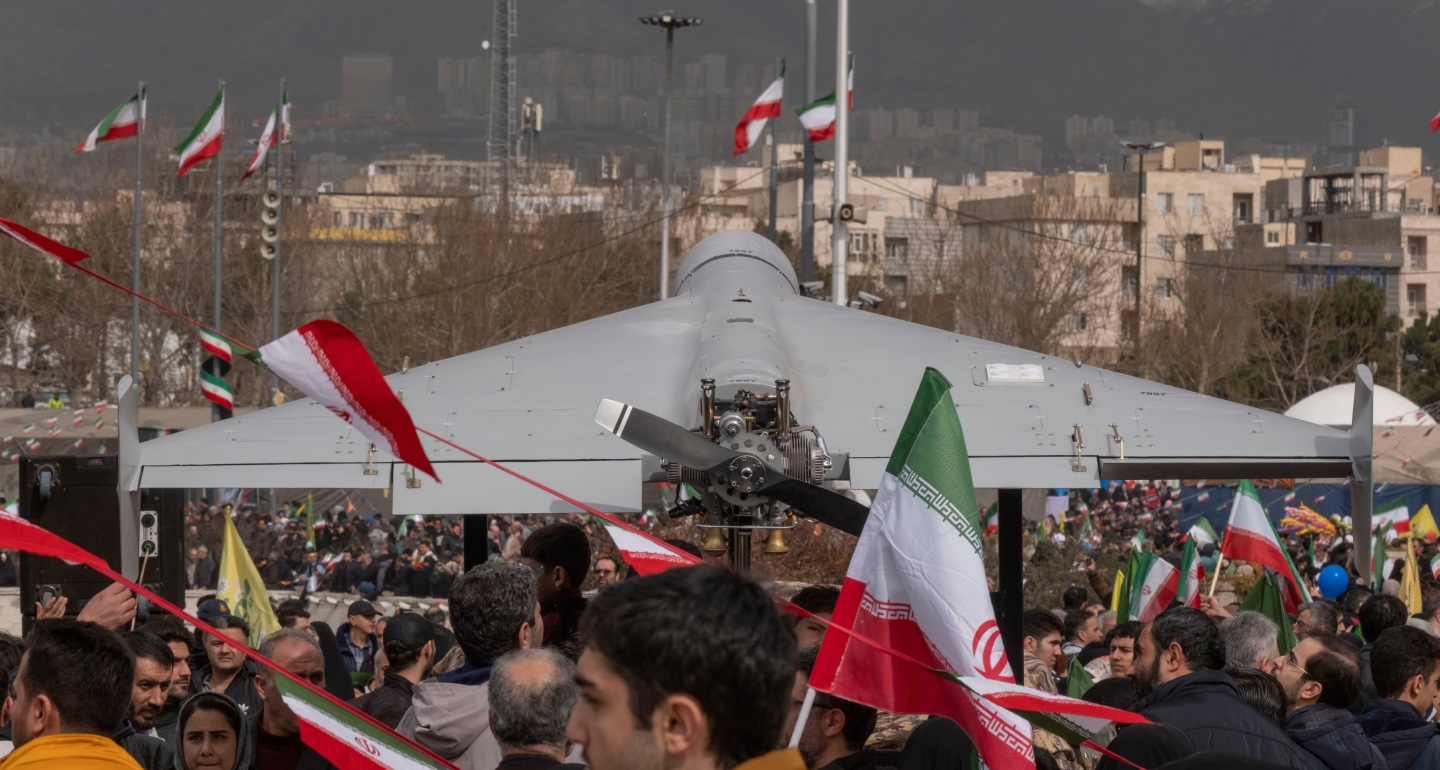
The Russian leadership wants to avoid a dangerous precedent in which it is squeezed out of Iran by the United States and Israel—and left powerless to respond in any meaningful way.

Nikita Smagin
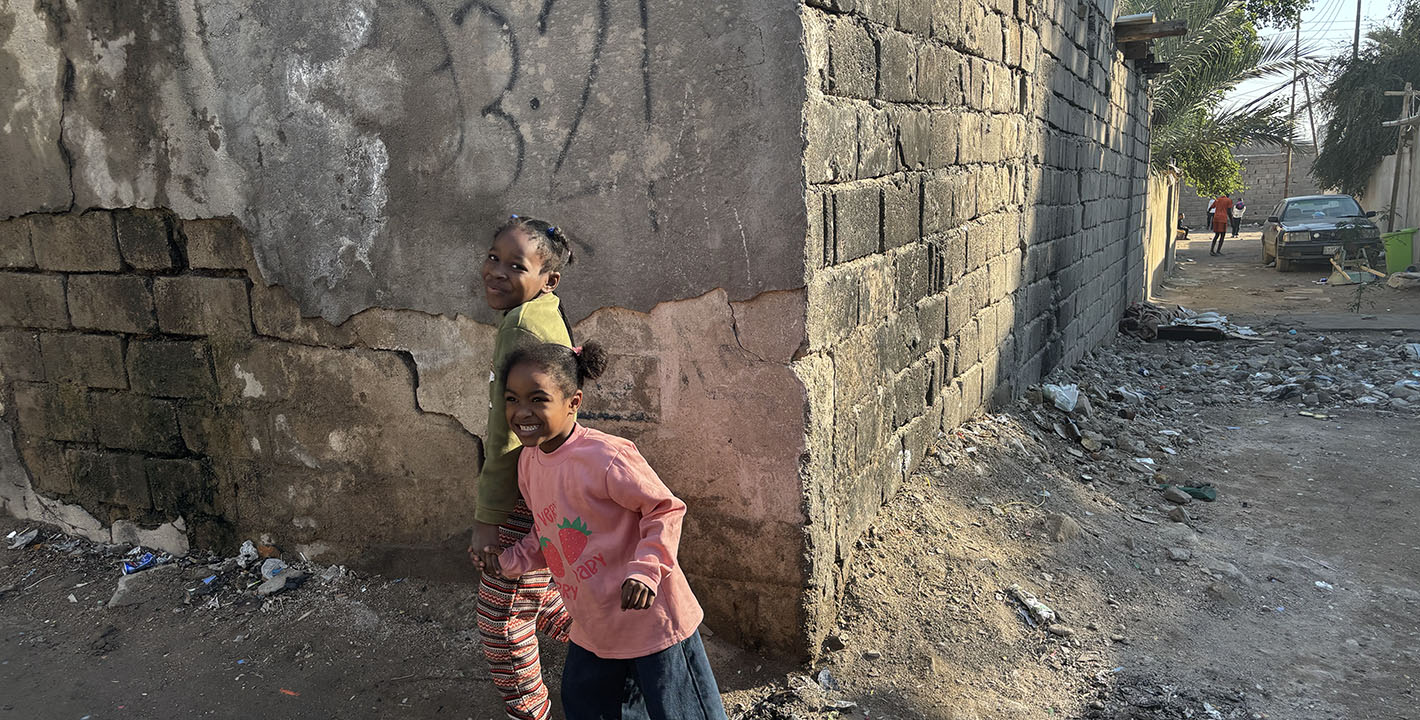
Afro-Iraqis experience political, economic, and social marginalization and discrimination, which exposes the poorest members of the community to the harsh realities of the region’s climate disaster.

Zeinab Shuker