

Commentary
Montenegro and Albania are frontrunners for EU enlargement in the Western Balkans, but they can’t just sit back and wait. To meet their 2030 accession ambitions, they must make a strong positive case.
Dimitar Bechev, Iliriana Gjoni
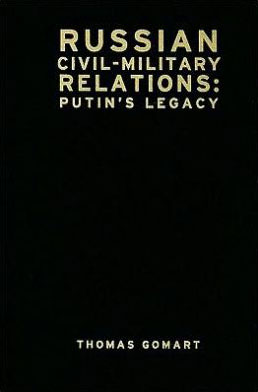
Russian Civil-Military Relations provides crucial analysis of the nature and evolution of the balance between civilian and military institutions. These relations will continue to influence regime development, security policy, and societal attitudes that build from Putin’s Russia, to Medvedev’s administration, and into the future.
Source: Washington

Russian Civil-Military Relations provides crucial analysis of the nature and evolution of the balance between civilian and military institutions. These relations will continue to influence regime development, security policy, and societal attitudes that build from Putin’s Russia, to Medvedev’s administration, and into the future.
About the Author
Thomas Gomart is director of the Russia/NIS Center at the French Institute for International Relations (IFRI) in Paris and lectures on international affairs and geopolitics at the Special Military School of Saint-Cyr Coëtquidan. He has been Lavoisier Fellow at the Moscow State Institute for International Relations, Visiting Fellow at the Institute for Security Studies, Paris, and Marie Curie Fellow at Department of War Studies, King’s College, London.
“This perceptive and well-informed study highlights the continuity of the Russian (civilian and military) security community’s distrust of the outside world, fueled by NATO enlargement. Communism may be dead in Russia, but the obsession with ‘threats’ continues, rallying the population and keeping security elites in power. This makes Russia an uncomfortable world player to live with. A must read.”
—Beatrice Heuser, professor and chair of International Relations, School of Politics and International Relations, University of Reading, UK
“It is my pleasure to recommend this book by Thomas Gomart to all those who are interested in the transformation of Russia and which remains an important factor not only for Russia’s direct neighbors, but to the international system more broadly. The Russian army, which for decades opposed the West, merits sustained attention. As the old saying goes, it is never as strong as it wants to look, but is never as feeble as it at times appears.”
—From the foreword by Dmitri Trenin, deputy director of the Carnegie Moscow Center and senior associate at the Carnegie Endowment for International Peace
Thomas Gomart
Carnegie does not take institutional positions on public policy issues; the views represented herein are those of the author(s) and do not necessarily reflect the views of Carnegie, its staff, or its trustees.
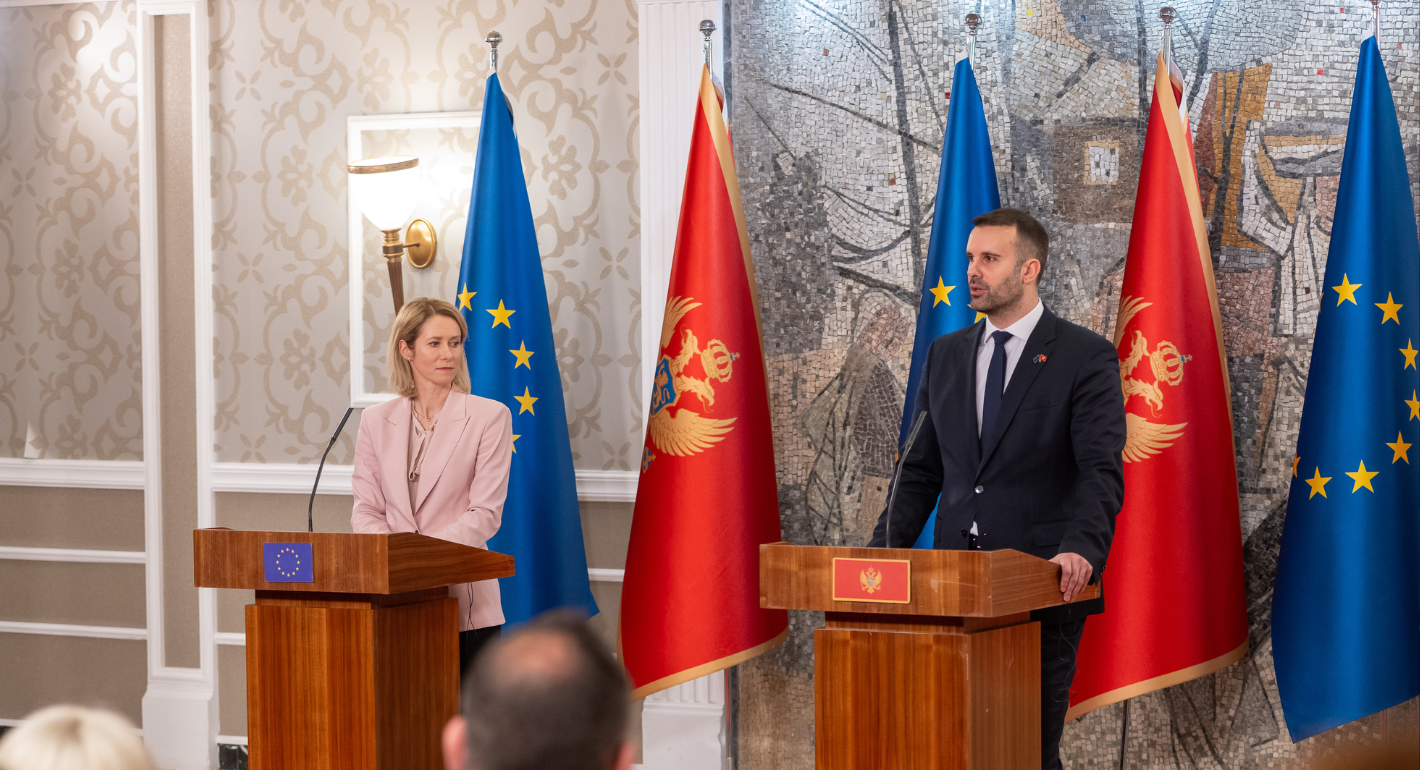
Montenegro and Albania are frontrunners for EU enlargement in the Western Balkans, but they can’t just sit back and wait. To meet their 2030 accession ambitions, they must make a strong positive case.


Dimitar Bechev, Iliriana Gjoni
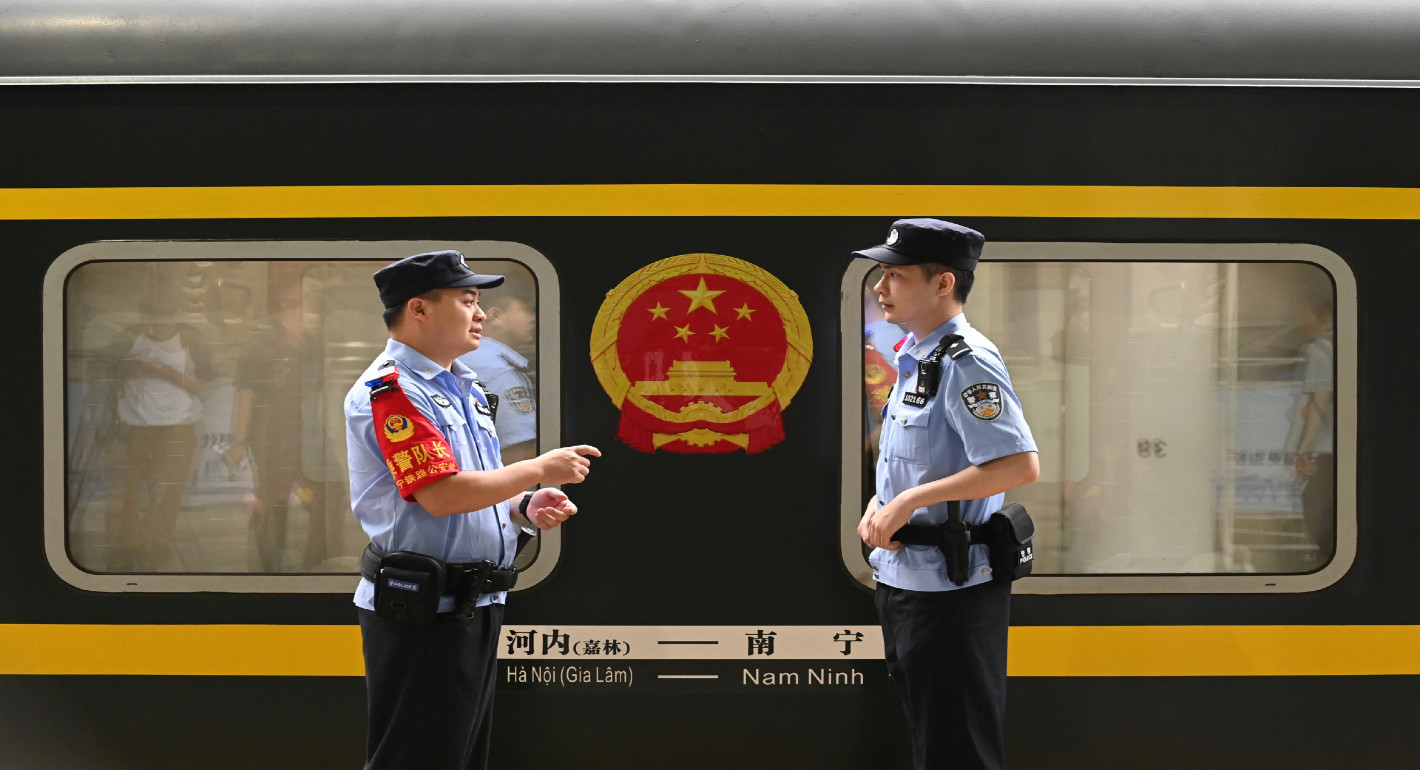
Despite long-standing differences, China and Vietnam are reinforcing common ground for collaboration, especially in public security. This internal security–centered diplomacy offers a strengthened road map for how China moves forward with Southeast Asia.
Sophie Zhuang
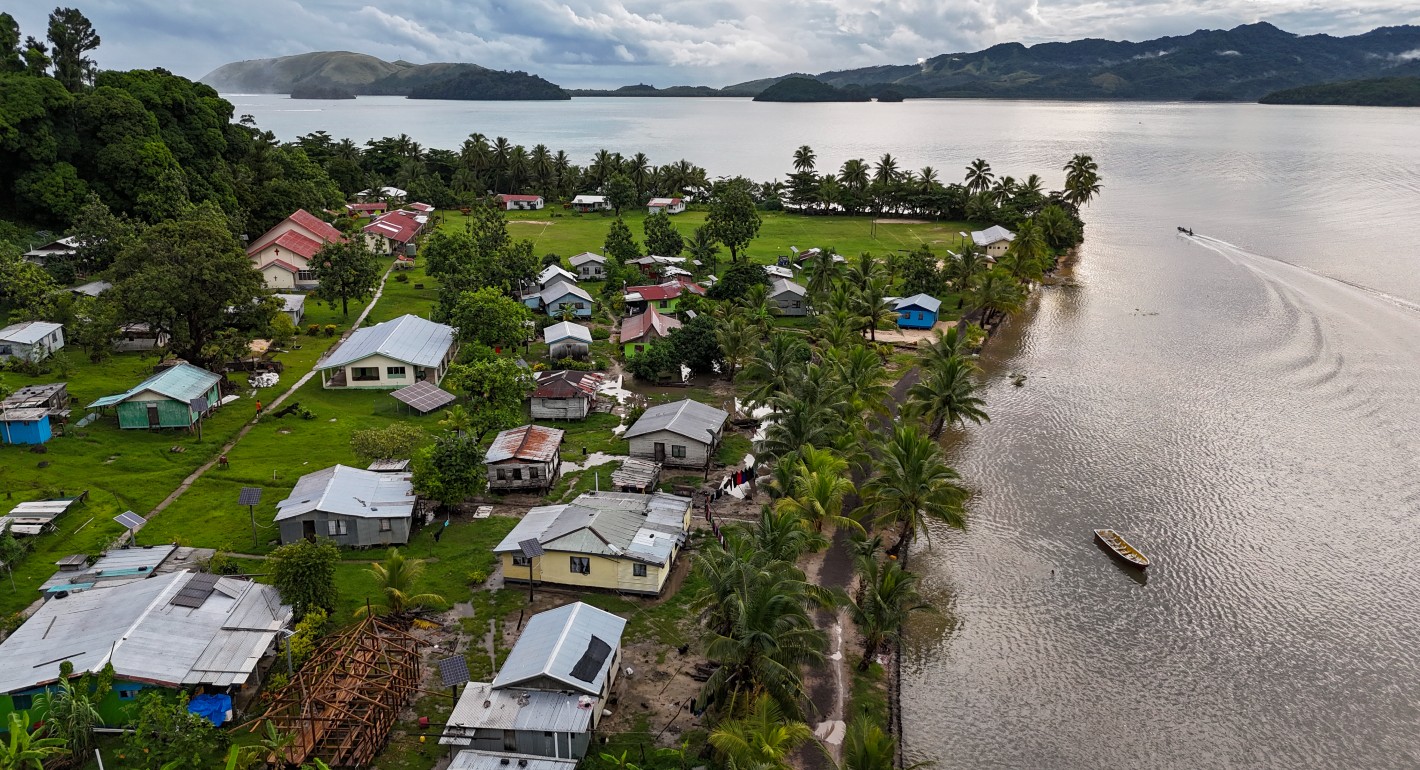
Climate mobility interventions can vary, but they all present opportunities to unlock transformative results that mitigate costs associated with inaction.

Alejandro Martin Rodriguez
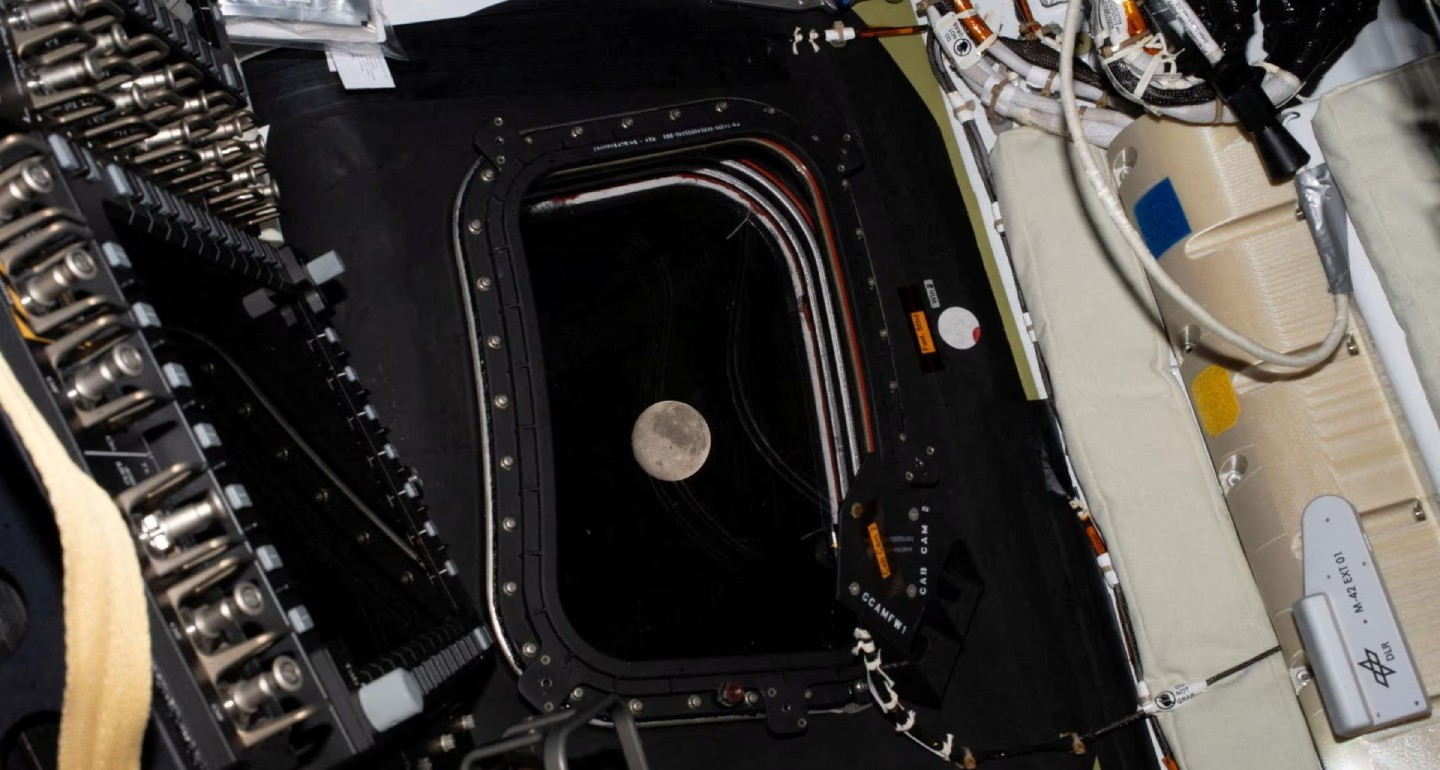
Despite having the resources and expertise, the Russian space industry missed the opportunity to offer the United States or China a mutually rewarding partnership in the lunar race.

Georgy Trishkin
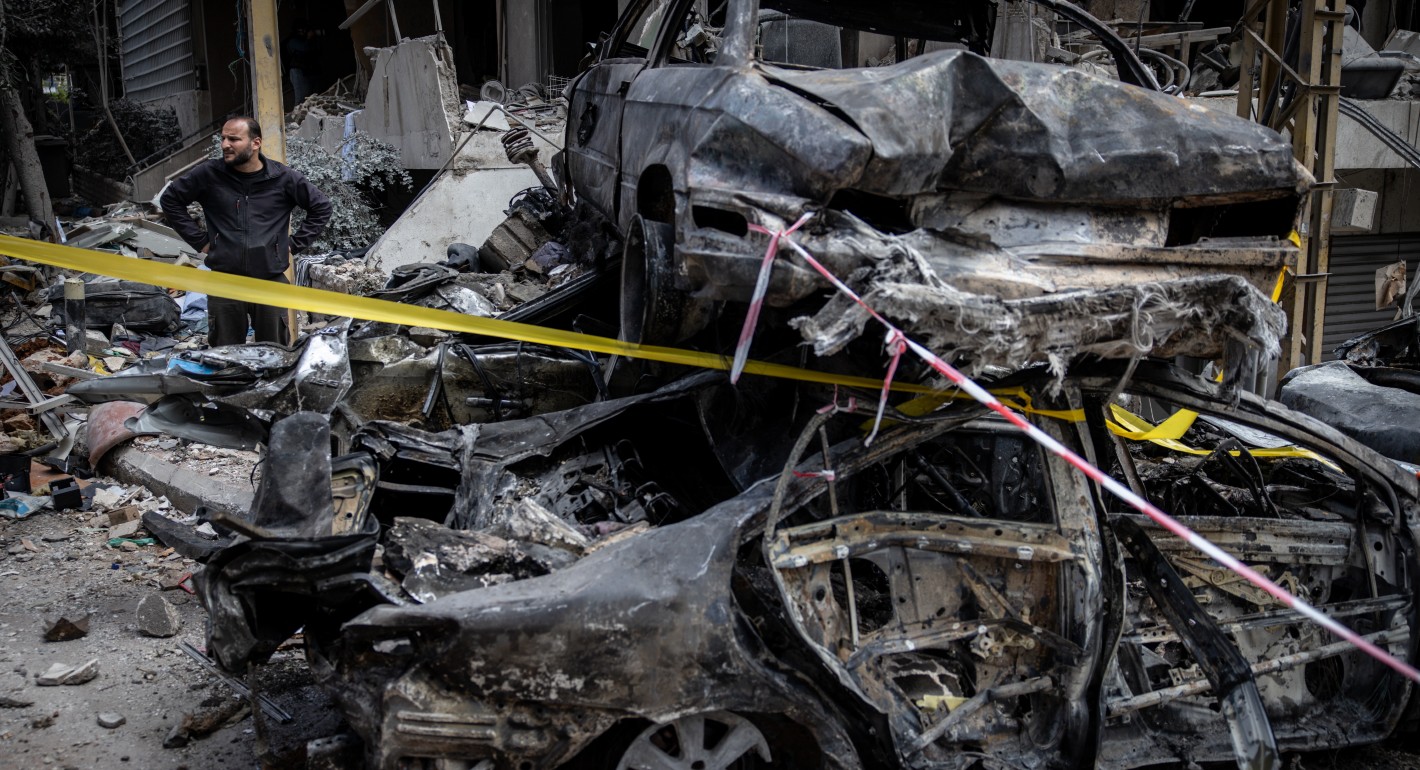
Four Middle East experts analyze the region’s reactions and next steps.



Amr Hamzawy, Andrew Leber, Eric Lob, …