• Research
  • Emissary
  • About
  • Experts
Carnegie Global logoCarnegie lettermark logo
DemocracyIran
  • Donate
{
  "authors": [
    "James F. Collins"
  ],
  "type": "legacyinthemedia",
  "centerAffiliationAll": "dc",
  "centers": [
    "Carnegie Endowment for International Peace"
  ],
  "collections": [],
  "englishNewsletterAll": "ctw",
  "nonEnglishNewsletterAll": "",
  "primaryCenter": "Carnegie Endowment for International Peace",
  "programAffiliation": "russia",
  "programs": [
    "Russia and Eurasia"
  ],
  "projects": [],
  "regions": [
    "North America",
    "United States",
    "Caucasus",
    "Russia",
    "Georgia"
  ],
  "topics": [
    "Security",
    "Foreign Policy"
  ]
}
Source: Getty

In The Media

Conflict Harming Relations

The Russia-Georgia crisis has caused a substantial erosion in Russia-U.S. relations. In order to move forward in such a challenging diplomatic environment, the United States should fully support the French initiative to achieve a cease fire.

Link Copied
By James F. Collins
Published on Aug 14, 2008
Program mobile hero image

Program

Russia and Eurasia

The Russia and Eurasia Program continues Carnegie’s long tradition of independent research on major political, societal, and security trends in and U.S. policy toward a region that has been upended by Russia’s war against Ukraine.  Leaders regularly turn to our work for clear-eyed, relevant analyses on the region to inform their policy decisions.

Learn More

Source: CNN International

The Russia-Georgia crisis has caused a substantial erosion in Russia-U.S. relations. Additionally, the situation has no doubt created a challenging diplomatic moment.  On CNN International, Amb Ret. Jim Collins argues that in order to implement a cease-fire, the United States should fully support the French initiative. Additionally, he argues a resolution to this conflict will have to involve an agreement that addresses both the interests of Russia, as well as, Georgia.

Although the situation is grim, Collins does hope that something positive may come out of it- that the dialogue between Russia and the United States will no longer be focused on the zero-sum thinking that has long dominated it in the past.
About the Author

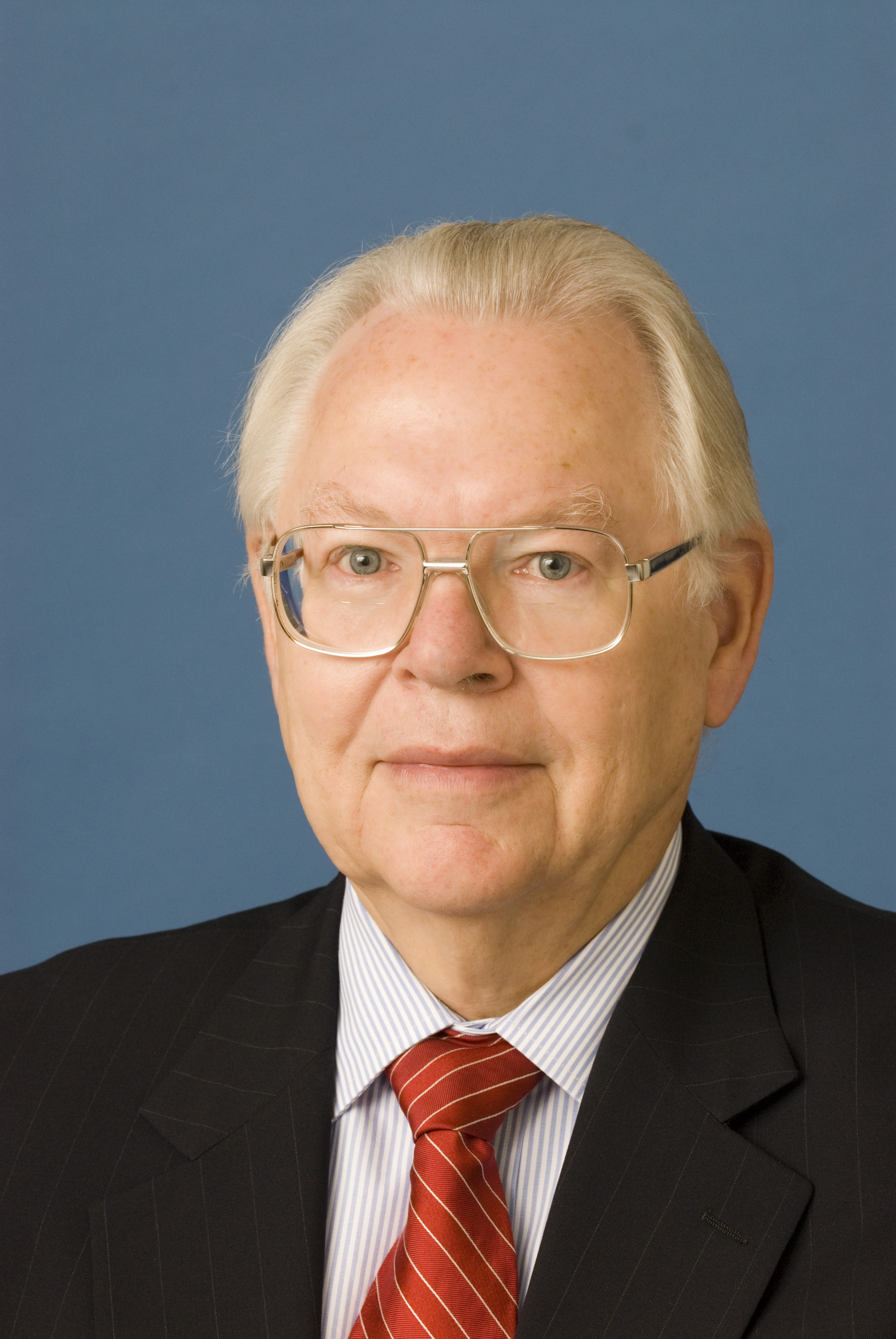
James F. Collins

Nonresident Senior Fellow, Russia and Eurasia Program; Diplomat in Residence

Ambassador Collins was the U.S. ambassador to the Russian Federation from 1997 to 2001 and is an expert on the former Soviet Union, its successor states, and the Middle East.

    Recent Work

  • Article
    Daunting Challenges and Glimmers of Hope in Ukraine

      James F. Collins

  • Commentary
    The Game Changer: Cooperative Missile Defense

      Dmitri Trenin, James F. Collins

James F. Collins
Nonresident Senior Fellow, Russia and Eurasia Program; Diplomat in Residence
James F. Collins
SecurityForeign PolicyNorth AmericaUnited StatesCaucasusRussiaGeorgia

Carnegie does not take institutional positions on public policy issues; the views represented herein are those of the author(s) and do not necessarily reflect the views of Carnegie, its staff, or its trustees.
More Work from Carnegie Endowment for International Peace

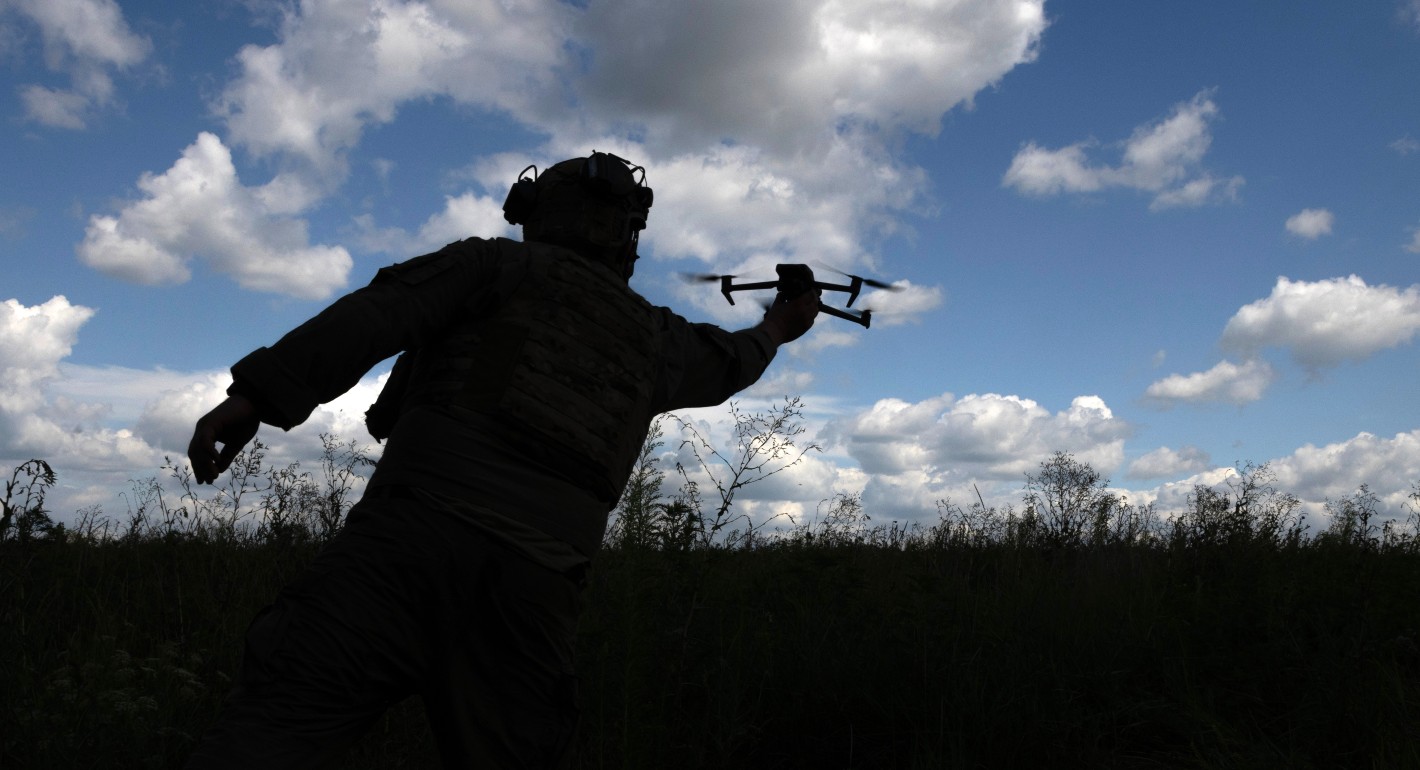
  • A shadow man holds a shadow drone against a blue sky with clouds.
    Article
    The New Revolution in Military Affairs

    How Ukraine is driving doctrinal change in modern warfare.

      • Andriy Zagorodnyuk

      Andriy Zagorodnyuk

  • Commentary
    Carnegie Politika
    What’s Having More Impact on Russian Oil Export Revenues: Ukrainian Strikes or Rising Prices?

    Although Ukrainian strikes have led to a noticeable decline in the physical volume of Russian oil exports, the rise in prices has more than made up for it.

      • Sergey Vakulenko

      Sergey Vakulenko

  • Shipping port at dawn from above
    Commentary
    Emissary
    The U.S. Export-Import Bank Was Built for a Different Era. Here's How to Fix It.

    Five problems—and solutions—to make it actually work as a tool of great power competition.

      • Afren Akhter

      Afreen Akhter

  • Commentary
    Carnegie Politika
    Russia Is Meddling for Meddling’s Sake in the Middle East

    The Russian leadership wants to avoid a dangerous precedent in which it is squeezed out of Iran by the United States and Israel—and left powerless to respond in any meaningful way.

      Nikita Smagin
  • Man speaking into two mics
    Commentary
    Emissary
    Three Scenarios for the Gulf States After the Iran War

    One is hopeful. One is realistic. One is cautionary.

      • Andrew Leber

      Andrew Leber, Sam Worby

Get more news and analysis from
Carnegie Endowment for International Peace
Carnegie global logo, stacked
1779 Massachusetts Avenue NWWashington, DC, 20036-2103Phone: 202 483 7600Fax: 202 483 1840
  • Research
  • Emissary
  • About
  • Experts
  • Donate
  • Programs
  • Events
  • Blogs
  • Podcasts
  • Contact
  • Annual Reports
  • Careers
  • Privacy
  • For Media
  • Government Resources
Get more news and analysis from
Carnegie Endowment for International Peace
© 2026 Carnegie Endowment for International Peace. All rights reserved.