

Commentary
Before the next wave of EU enlargement takes place, the union needs to grapple with thorny questions of how power is distributed among its members.
Emil Sondaj Hansen, Ditte Brasso Sørensen
{
  "authors": [],
  "type": "pressRelease",
  "centerAffiliationAll": "dc",
  "centers": [
    "Carnegie Endowment for International Peace"
  ],
  "collections": [],
  "englishNewsletterAll": "menaTransitions",
  "nonEnglishNewsletterAll": "",
  "primaryCenter": "Carnegie Endowment for International Peace",
  "programAffiliation": "MEP",
  "programs": [
    "Middle East"
  ],
  "projects": [],
  "regions": [
    "Saudi Arabia"
  ],
  "topics": [
    "Political Reform",
    "Democracy",
    "Security",
    "Foreign Policy"
  ]
}
REQUIRED IMAGE
The increasing use of unconventional, “soft” measures to combat violent extremism in Saudi Arabia is bearing positive results, leading others in the region, including the United States in Iraq, to adopt a similar approach.
WASHINGTON, Sept 22—The increasing use of unconventional, “soft” measures to combat violent extremism in Saudi Arabia is bearing positive results, leading others in the region, including the United States in Iraq, to adopt a similar approach. Understanding the successes of the Saudi strategy—composed of prevention, rehabilitation, and aftercare programs—will be important in the fight against radical Islamist extremism, says Christopher Boucek in a new Carnegie Paper.
Roughly 3,000 prisoners have participated in Saudi Arabia’s rehabilitation campaign—which seeks to address the underlying factors that facilitate extremism and prevent further violent Islamism. Saudi authorities claim a rehabilitation success rate of 80 to 90 percent, having re-arrested only 35 individuals for security offenses.
Key components of the Saudi strategy:
Boucek concludes:
“In only a few years’ time, Saudi Arabia’s soft strategy to combat extremism and terrorism has generated some very promising results. It warrants greater evaluation, especially as other nations struggling with extremism look at what is being accomplished in the kingdom for lessons they can apply in their homeland. Throughout the Middle East, Europe, and Asia, similar programs are starting to emerge. That other nations emulate the Saudi program is ultimately based upon the recognition that the defeat of extremism cannot be achieved through hard security measures alone. That, in itself, is a major accomplishment.”
###

Christopher Boucek is an associate in the Carnegie Middle East Program and an associate fellow with the Royal United Services Institute for Defense and Security Studies in London. Previously, he was a postdoctoral researcher at Princeton University and lecturer in Politics at the Woodrow Wilson School, and a security editor with Jane’s Information Group.
The Carnegie Middle East Program combines in-depth local knowledge with incisive comparative analysis to examine economic, socio-political, and strategic interests in the Arab world. Through detailed country studies and the exploration of key cross-cutting themes, the Carnegie Middle East Program, in coordination with the Carnegie Middle East Center, provides analysis and recommendations in both English and Arabic that are deeply informed by knowledge and views from the region. The Carnegie Middle East Program has special expertise in political reform and Islamist participation in pluralistic politics throughout the region.
The Carnegie Middle East Center is a public policy think tank and research center based in Beirut, Lebanon. Bringing together senior researchers from the region, the Carnegie Middle East Center aims to better inform the process of political change in the Middle East and deepen understanding of the issues the region and its people face.
The Arab Reform Bulletin has been transformed into a full featured website that offers greatly enhanced search functionality, the option for readers to comment on articles, and frequent news updates.
Carnegie does not take institutional positions on public policy issues; the views represented herein are those of the author(s) and do not necessarily reflect the views of Carnegie, its staff, or its trustees.

Before the next wave of EU enlargement takes place, the union needs to grapple with thorny questions of how power is distributed among its members.


Emil Sondaj Hansen, Ditte Brasso Sørensen
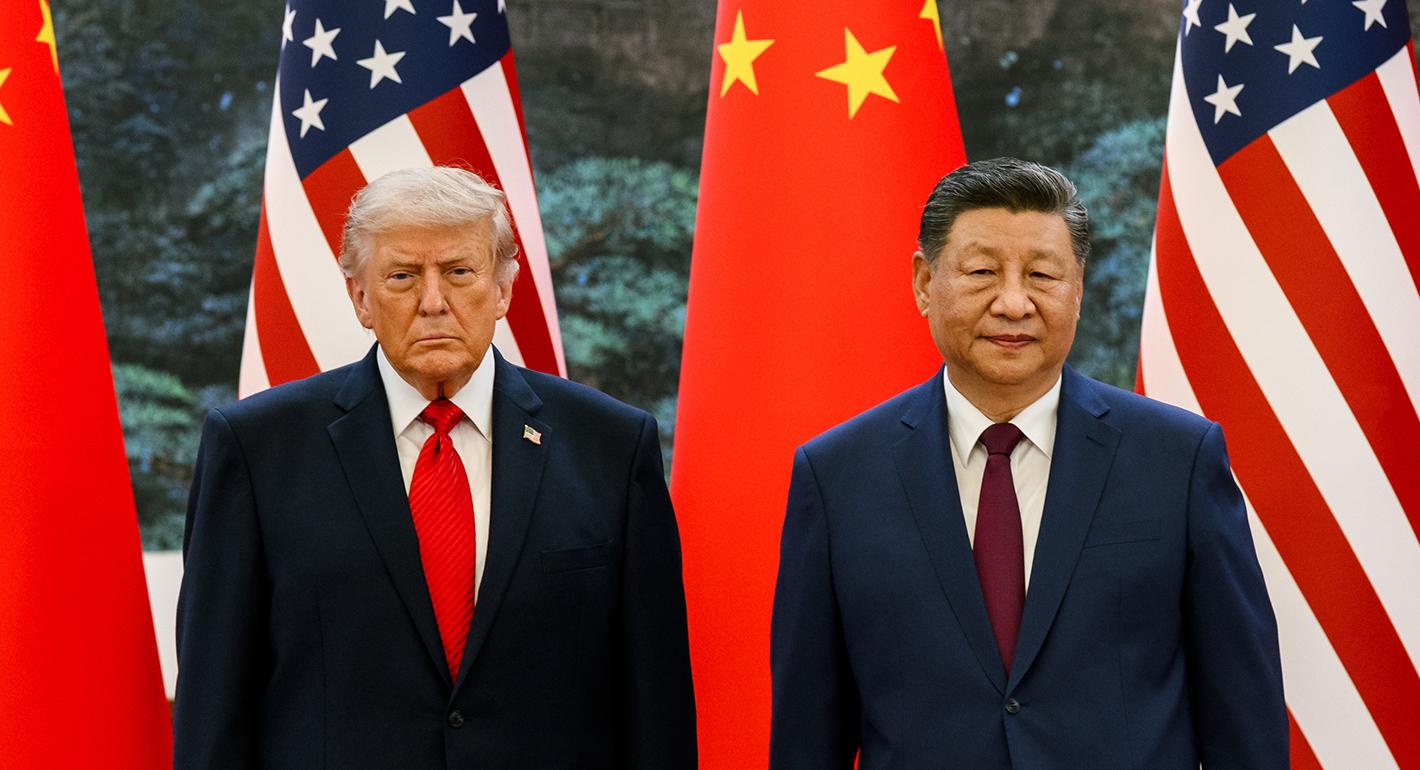
The real test may come after the leaders leave the room.



Sheena Chestnut Greitens, Oriana Skylar Mastro, Yukon Huang, …

The Horn of Africa countries are among those facing a new security calculus.


Andrew Leber, Lesley Anne Warner

The European far right might fail to steer EU policy in the direction Russia wants, but they will create enough chaos inside Europe to benefit the Kremlin.

Dimitar Bechev

The new U.S.–Denmark–Greenland agreement will help Washington exert political, economic, and financial dominance under the guise of security. Yet, it acknowledged Copenhagen’s and Nuuk’s sovereignty on the island.

Marc Pierini