

In The Media
Michele Dunne, Robert Kagan
{
  "authors": [
    "Robert Kagan"
  ],
  "type": "legacyinthemedia",
  "centerAffiliationAll": "",
  "centers": [
    "Carnegie Endowment for International Peace"
  ],
  "collections": [],
  "englishNewsletterAll": "",
  "nonEnglishNewsletterAll": "",
  "primaryCenter": "Carnegie Endowment for International Peace",
  "programAffiliation": "",
  "programs": [],
  "projects": [],
  "regions": [
    "North America",
    "United States",
    "Caucasus",
    "Russia",
    "Eastern Europe"
  ],
  "topics": [
    "Political Reform",
    "Security",
    "Foreign Policy"
  ]
}
Source: Getty
The presidential transition has raised a variety of questions regarding the future of U.S. foreign policy. In an Bloggingheads debate with Robert Wright of the New America Foundation, Robert Kagan expressed his views and reaffirmed his belief that the power of nations—rather than international legal principles—must still play the defining role in shaping international relations.
Source: Bloggingheads.tv

Kagan highlighted his pragmatic viewpoint and praised Hillary Clinton, the presumptive nominee for Secretary of State, for her similar pragmatism. Debating the role of the United Nations Security Council and other international decision-making frameworks, Kagan maintained that nations tend to pursue their national interest, as the Russian example has shown. The U.S., therefore, must be realistic in its expectations for international cooperation as the president-elect begins to define his foreign policy goals.

Former Senior Associate
Kagan, author of the recent book, The Return of History and the End of Dreams (Knopf 2008), writes a monthly column on world affairs for the Washington Post and is a contributing editor at both the Weekly Standard and the New Republic.
Recent Work

Michele Dunne, Robert Kagan
Robert Kagan, Michele Dunne
Carnegie does not take institutional positions on public policy issues; the views represented herein are those of the author(s) and do not necessarily reflect the views of Carnegie, its staff, or its trustees.

Five problems—and solutions—to make it actually work as a tool of great power competition.
Afreen Akhter
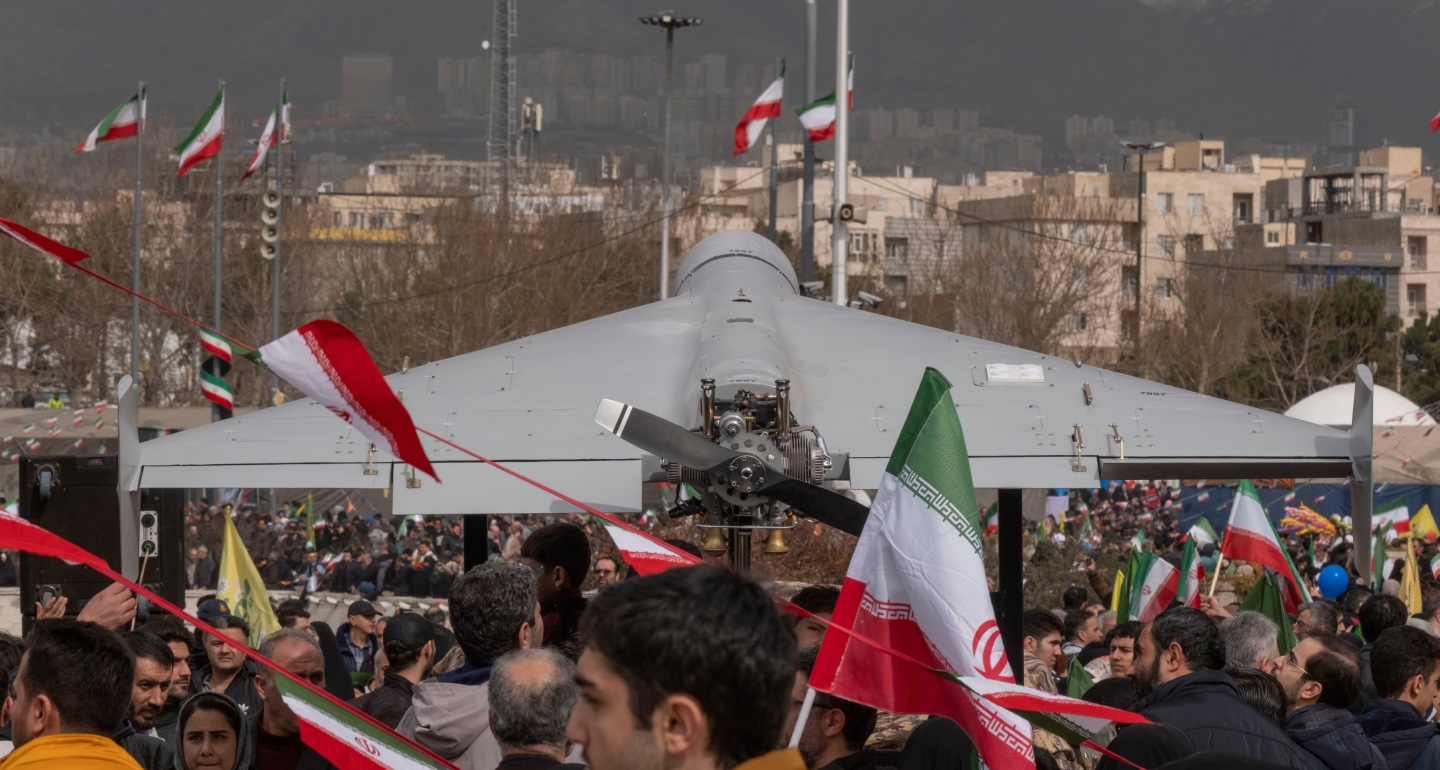
The Russian leadership wants to avoid a dangerous precedent in which it is squeezed out of Iran by the United States and Israel—and left powerless to respond in any meaningful way.

Nikita Smagin

One is hopeful. One is realistic. One is cautionary.

Andrew Leber, Sam Worby

In Ukraine, Gaza, and Iran, AI warfare has come to dominate, with barely any oversight or accountability. Europe must lead the charge on the responsible use of new military technologies.

Raluca Csernatoni
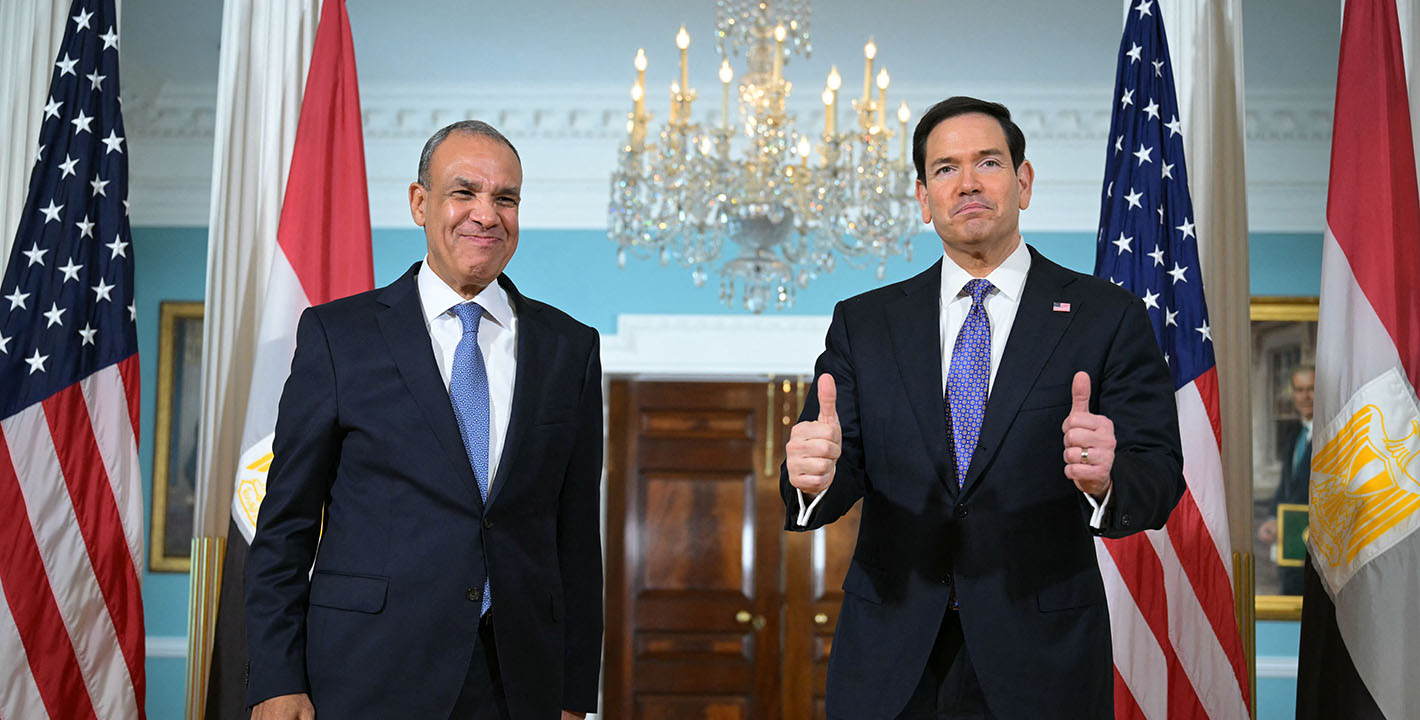
Cairo’s efforts send a message to the United States and the region that it still has a place at the diplomatic table.

Angie Omar