

Commentary
Five problems—and solutions—to make it actually work as a tool of great power competition.
Afreen Akhter

In the past three decades, China’s legal system has undergone significant reform. Although a recent study shows improvement, China’s legal reform remains a work in progress.
In the past three decades, China’s legal system has undergone significant reform. But only a few empirical studies have tried to measure whether the reforms are succeeding in protecting the rights of individuals or businesses. To come up with a better understanding of how well China’s revamped legal system is performing in the protection of property rights, Minxin Pei worked with a group of researchers at the Shanghai Academy of Social Sciences to conduct two surveys of litigants in Shanghai covering 214 individuals and 190 companies. Respondents were asked a range of questions about their cases, including their preparations for trials and court proceedings.

Former Adjunct Senior Associate, Asia Program
Pei is Tom and Margot Pritzker ‘72 Professor of Government and the director of the Keck Center for International and Strategic Studies at Claremont McKenna College.
Zhang Guoyan
Pei Fei
Chen Lixin
Carnegie does not take institutional positions on public policy issues; the views represented herein are those of the author(s) and do not necessarily reflect the views of Carnegie, its staff, or its trustees.
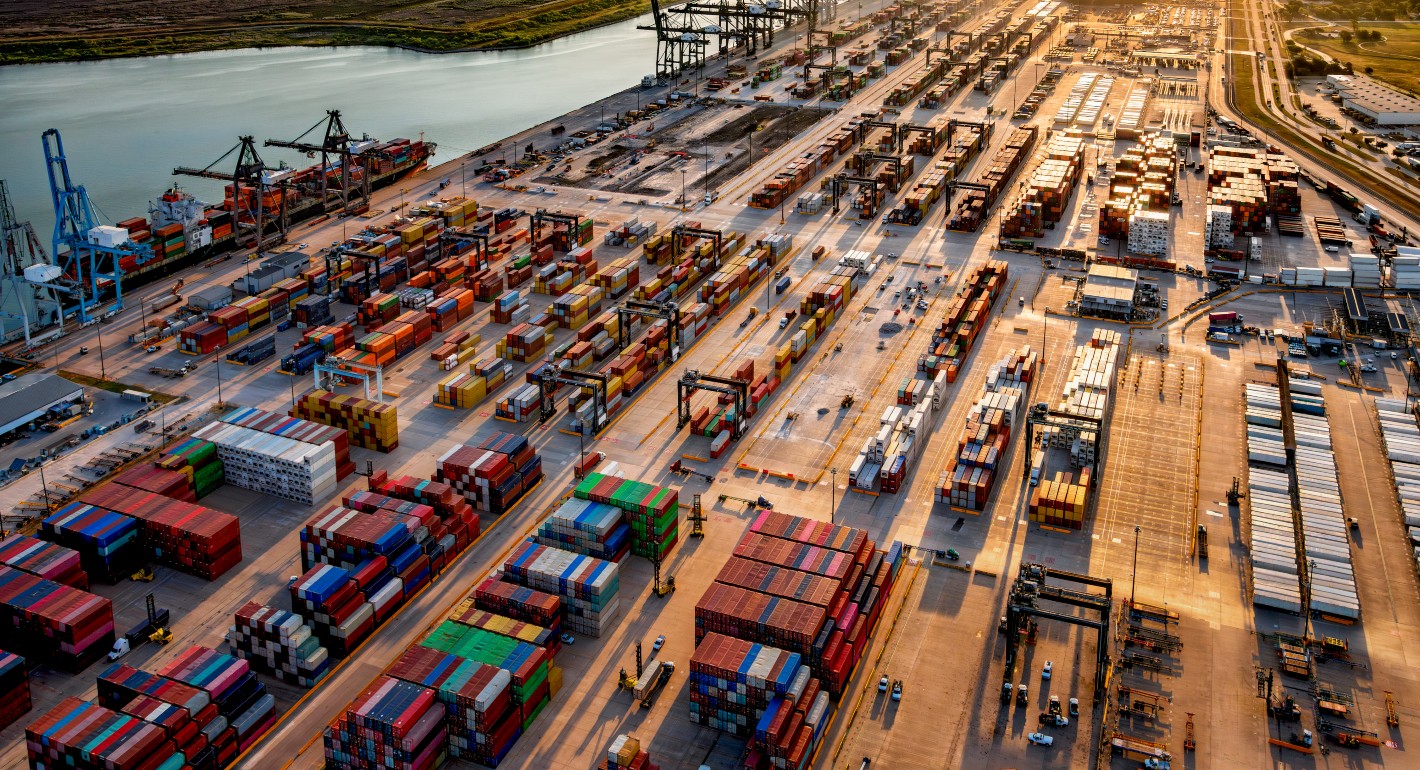
Five problems—and solutions—to make it actually work as a tool of great power competition.

Afreen Akhter

One is hopeful. One is realistic. One is cautionary.

Andrew Leber, Sam Worby

It’s true that many Armenians would vote for anyone just to be rid of Pashinyan, whom they blame for the loss of Nagorno-Karabakh, but the pro-Russia opposition is unlikely to be able to channel that frustration into an electoral victory.

Mikayel Zolyan
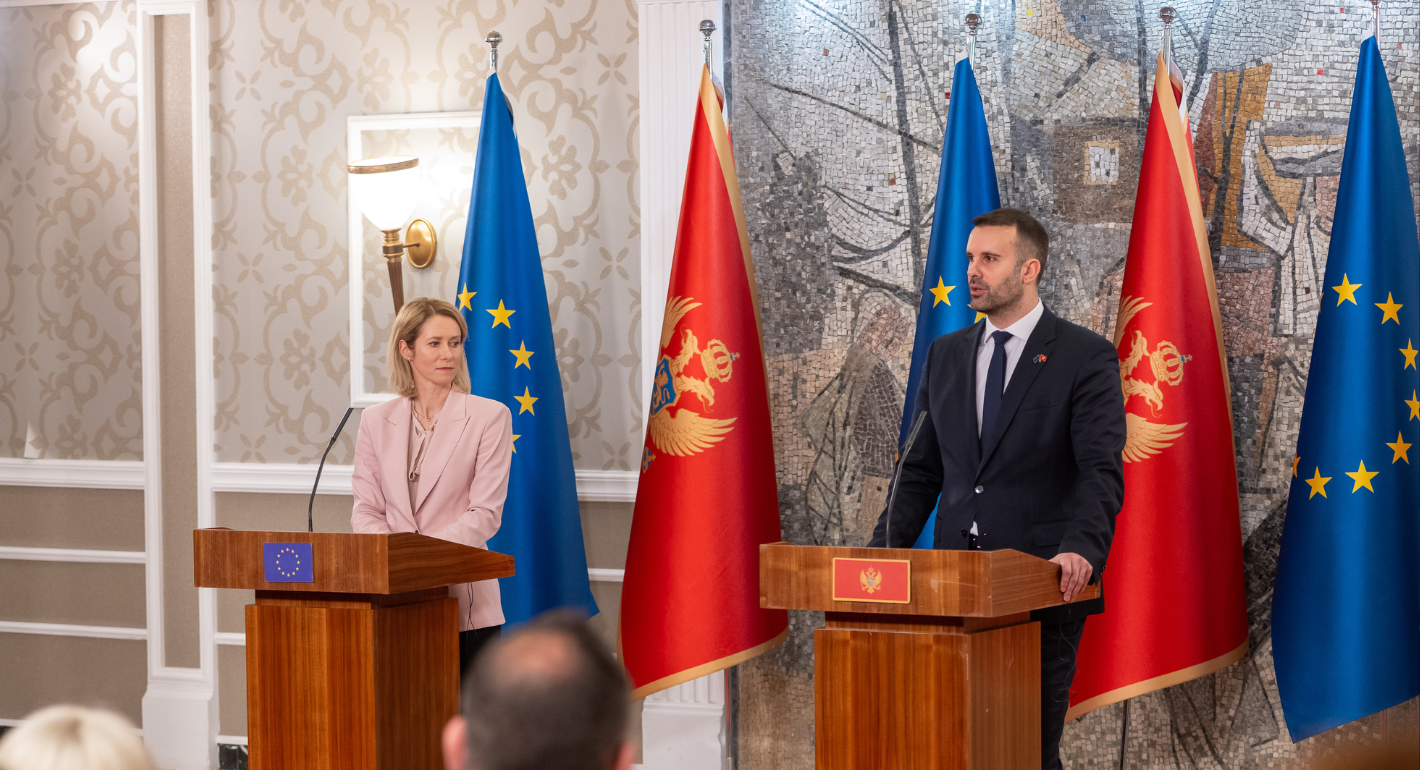
Montenegro and Albania are frontrunners for EU enlargement in the Western Balkans, but they can’t just sit back and wait. To meet their 2030 accession ambitions, they must make a strong positive case.


Dimitar Bechev, Iliriana Gjoni
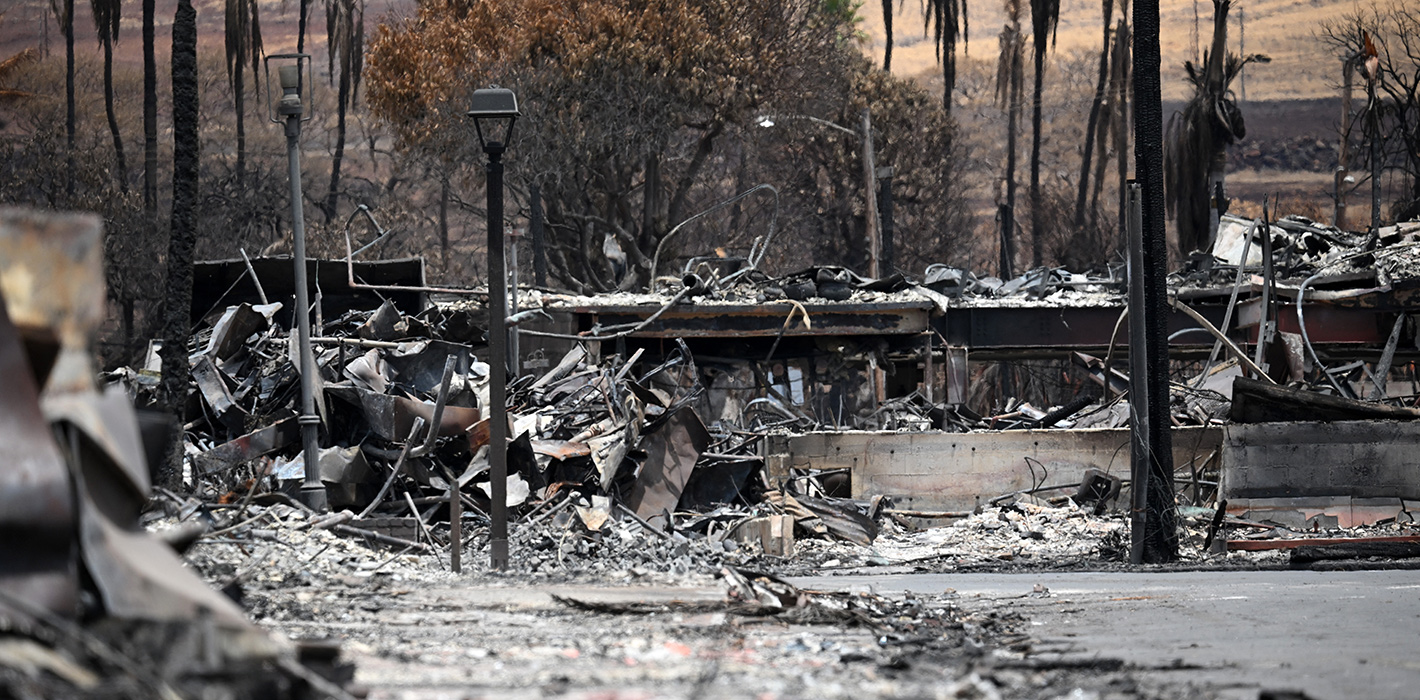
By reorganizing federal disaster policy around the rights of displaced people, the United States could unlock additional federal resources, accelerate the rebuilding of lives and livelihoods, and reduce suffering and economic disruption.

Kayly Ober