

Commentary
Although Ukrainian strikes have led to a noticeable decline in the physical volume of Russian oil exports, the rise in prices has more than made up for it.
Sergey Vakulenko
Source: Getty
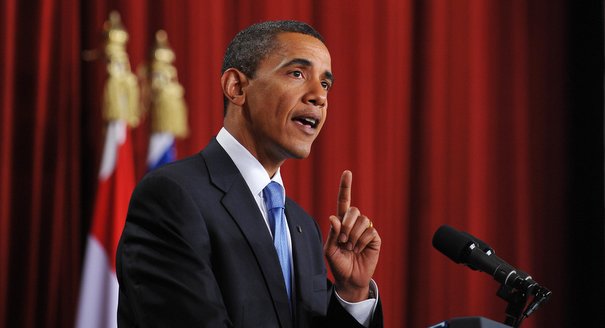
The Middle East greeted President Obama’s Cairo speech with enthusiasm, but many cautioned that words, though welcome and encouraging, must be matched by actions to mend the relationship. To explore the issues the Muslim world hopes the U.S. administration will address, the Carnegie Middle East Center in Beirut commissioned eight commentaries from prominent Arab writers and policy makers.
In December 2008, the Carnegie Middle East Center in Beirut and the Carnegie Endowment for International Peace in Washington solicited commentaries about the election of President Obama from a small number of Arab intellectuals and analysts. The commentaries revealed a complex picture. On the one hand, they showed great enthusiasm about Obama personally and about the fact that Americans had elected as president a member of a minority group that has only enjoyed full rights for a few decades. On the other hand, the commentaries revealed continued, deep skepticism that even the new, admired president would have the capacity to address successfully the burning issues of the region, above all the Palestinian–Israeli conflict. The commentaries also underlined profound differences in the ways issues are perceived in the United States and in the Arab world.
All commentaries are written by well known, respected intellectuals and researchers. And while the responsibility for each commentary ultimately is the author’s alone, we believe that they all denote views and approaches that are widespread in the region and thus deserve attention.
We have decided to publish all the commentaries that were submitted to us, regardless of the authors’ political and ideological inclinations. All commentaries are written by well known, respected intellectuals and researchers. And while the responsibility for each commentary ultimately is the author’s alone, we believe that they all denote views and approaches that are widespread in the region and thus deserve attention.

Director, Middle East Program
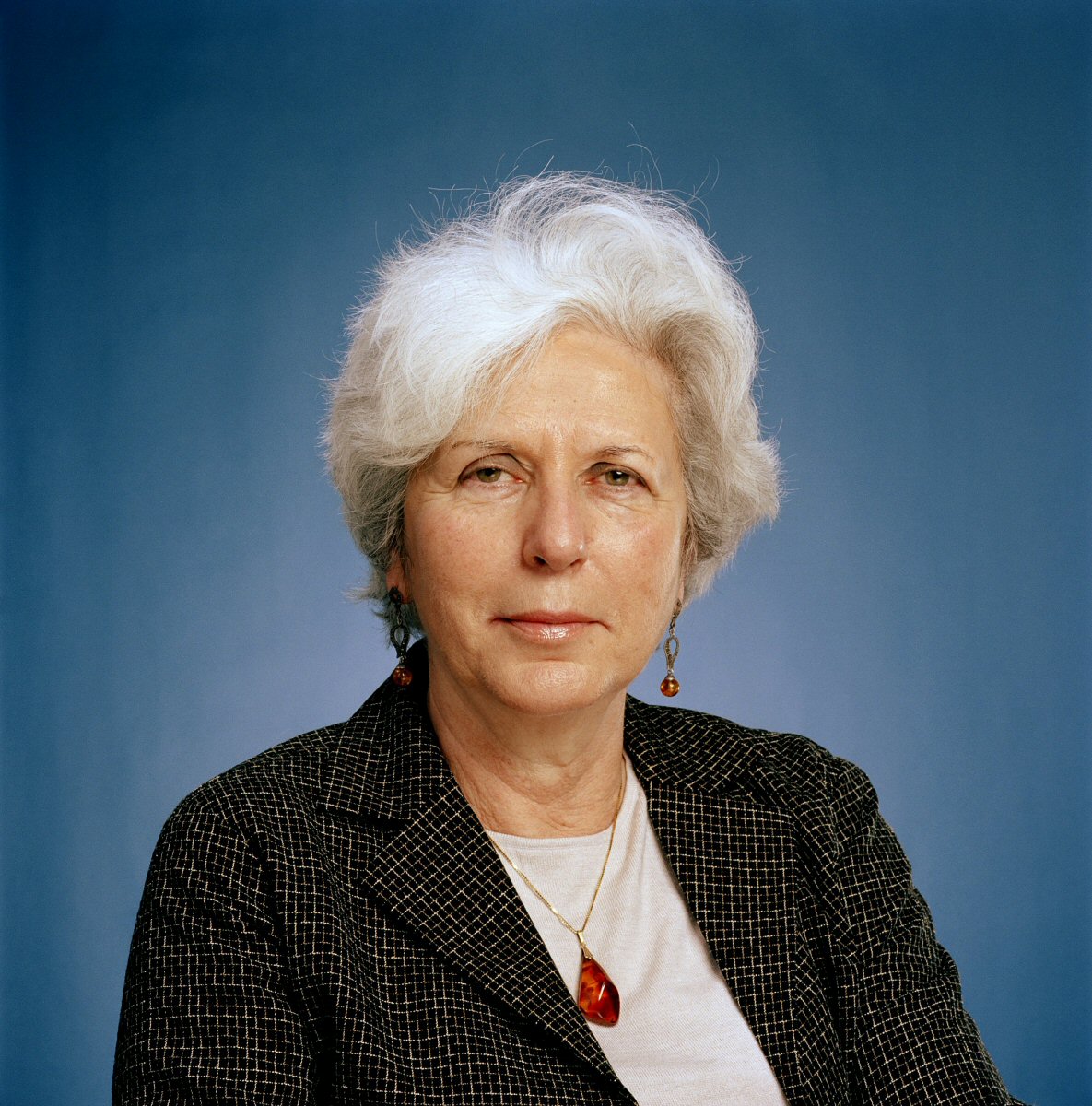
Amr Hamzawy is a senior fellow and the director of the Carnegie Middle East Program. His research and writings focus on Egypt’s and other middle powers’ involvement in regional security in the Middle East, particularly through collective diplomacy and multilateral conflict resolution
Former Senior Associate, Middle East Program
Before joining the Endowment, Ottaway carried out research in Africa and in the Middle East for many years and taught at the University of Addis Ababa, the University of Zambia, the American University in Cairo, and the University of the Witwatersrand in South Africa.
Farah Choucair
Adriana Qubaia
Former Research Assistant, Middle East Program
Carnegie does not take institutional positions on public policy issues; the views represented herein are those of the author(s) and do not necessarily reflect the views of Carnegie, its staff, or its trustees.
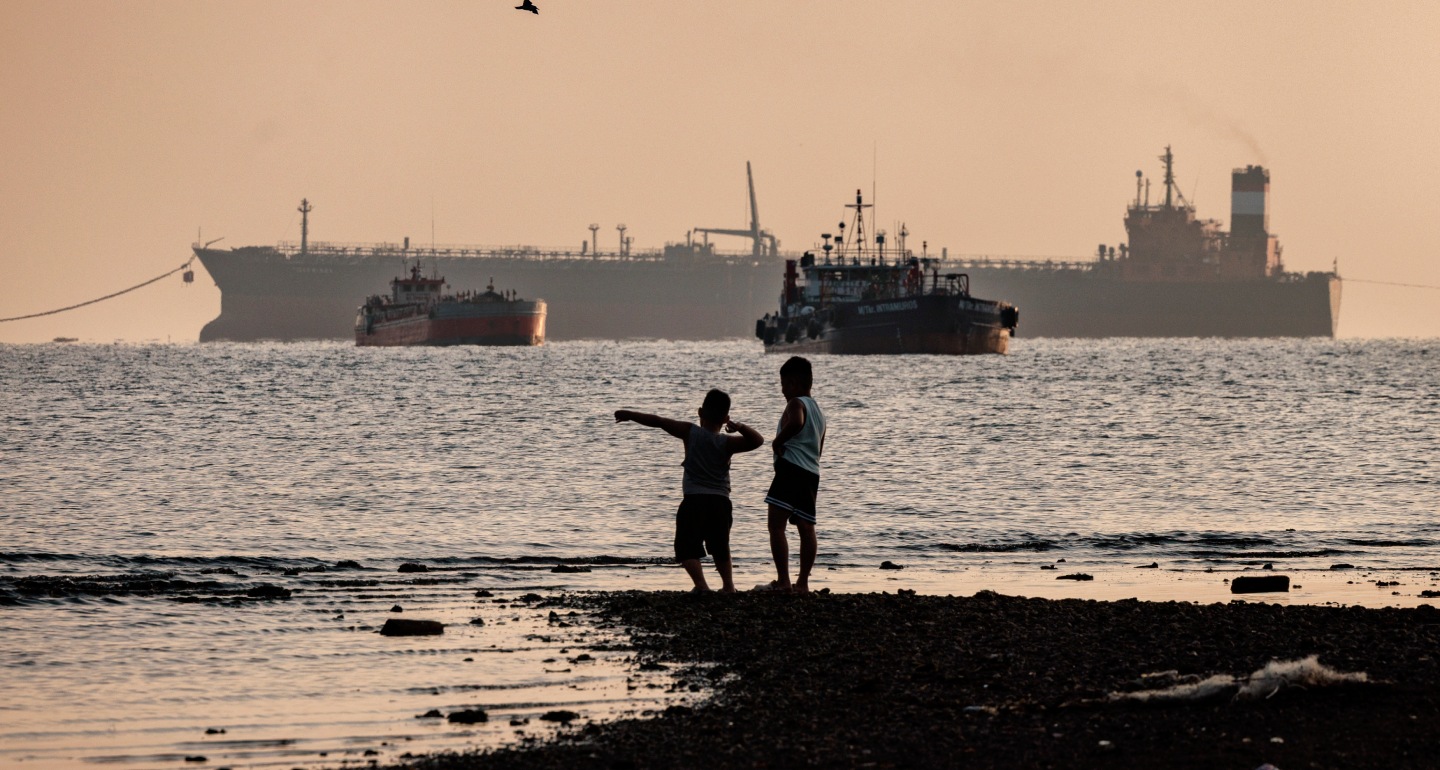
Although Ukrainian strikes have led to a noticeable decline in the physical volume of Russian oil exports, the rise in prices has more than made up for it.

Sergey Vakulenko

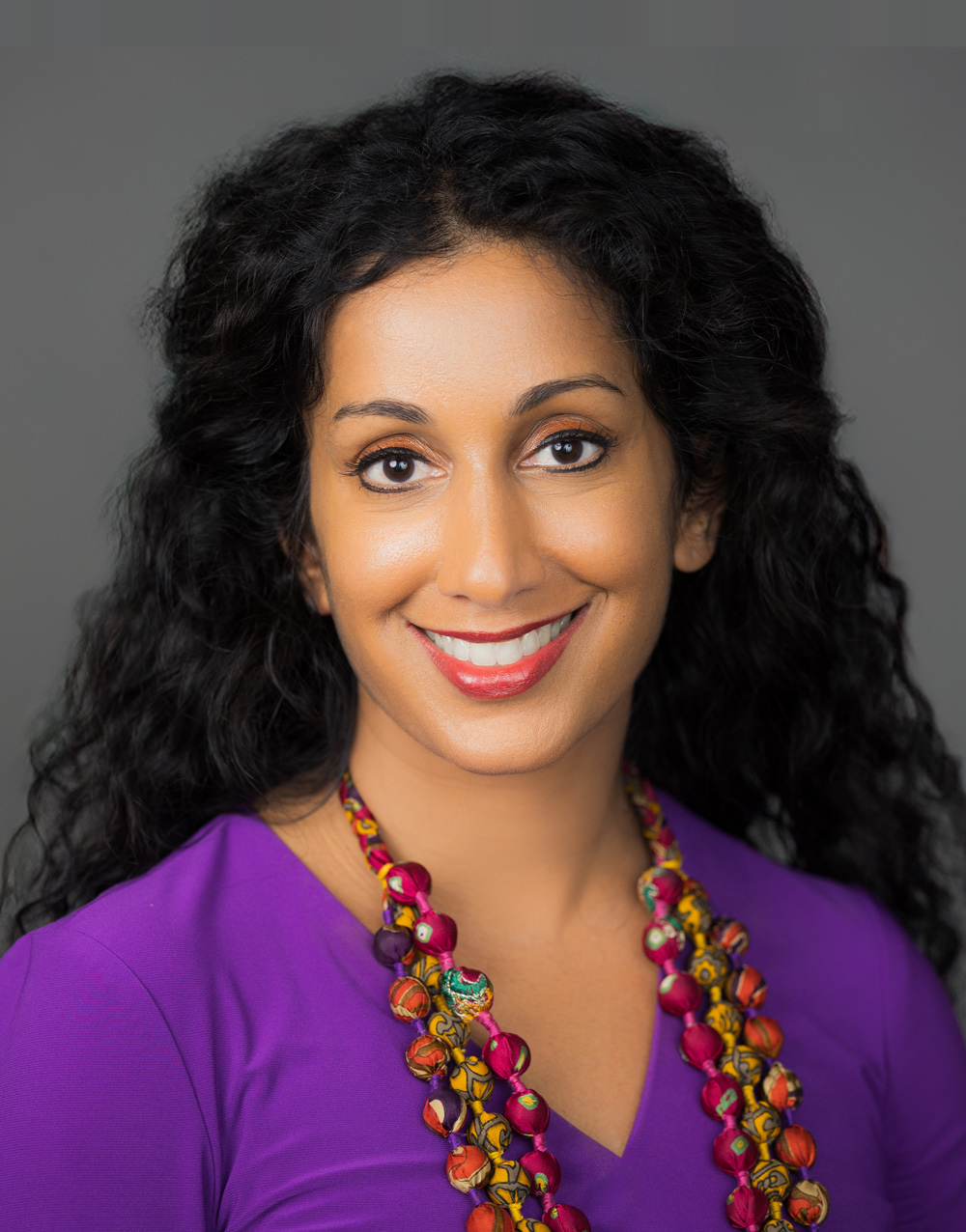
Five problems—and solutions—to make it actually work as a tool of great power competition.
Afreen Akhter
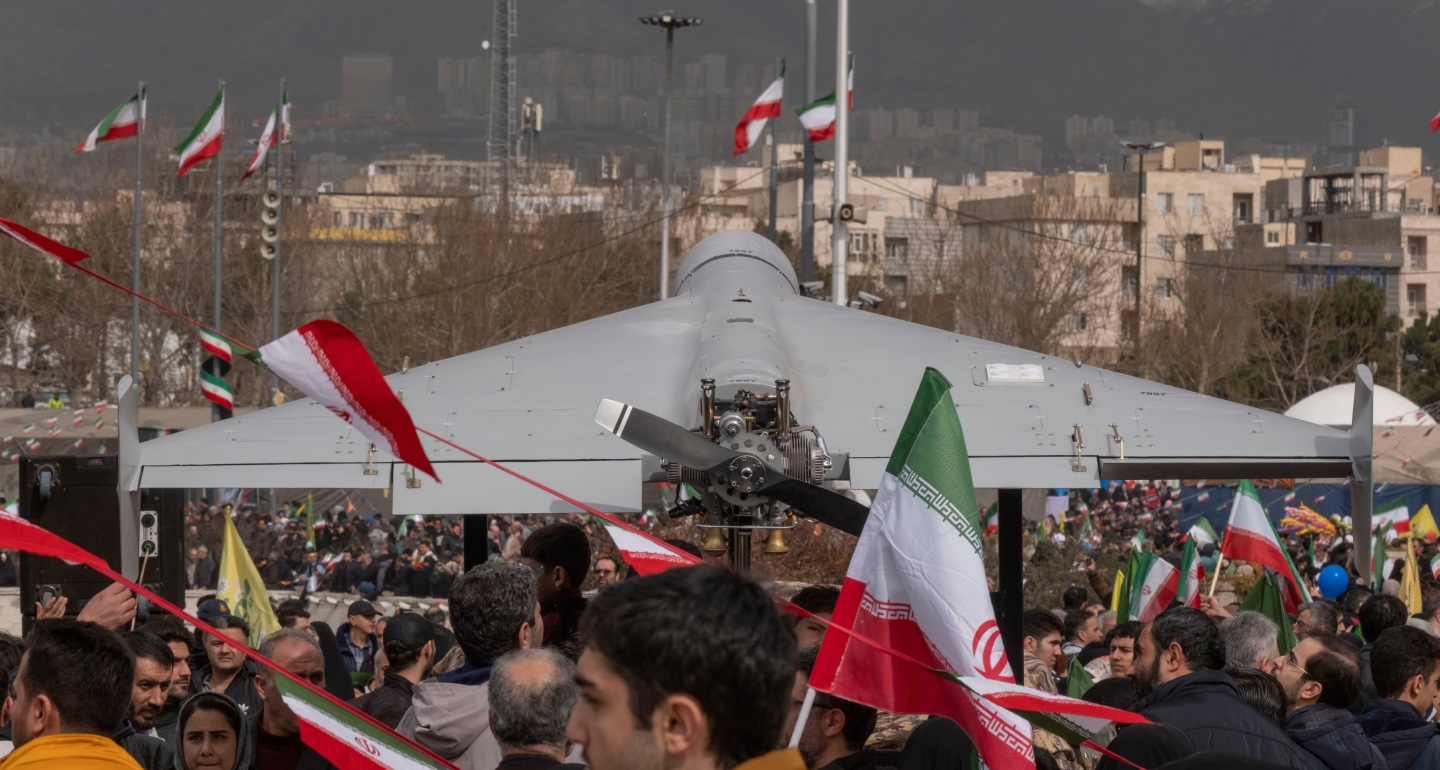
The Russian leadership wants to avoid a dangerous precedent in which it is squeezed out of Iran by the United States and Israel—and left powerless to respond in any meaningful way.

Nikita Smagin
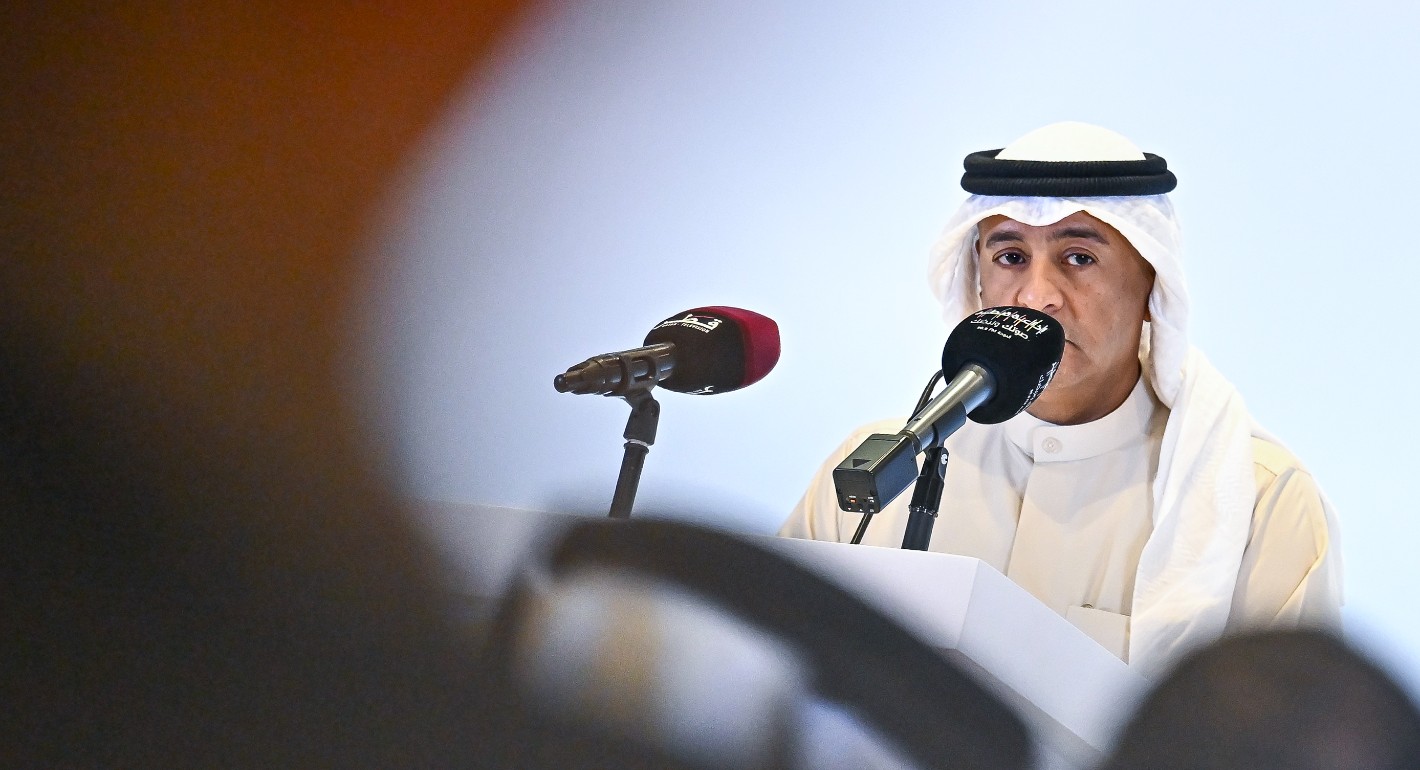
One is hopeful. One is realistic. One is cautionary.

Andrew Leber, Sam Worby
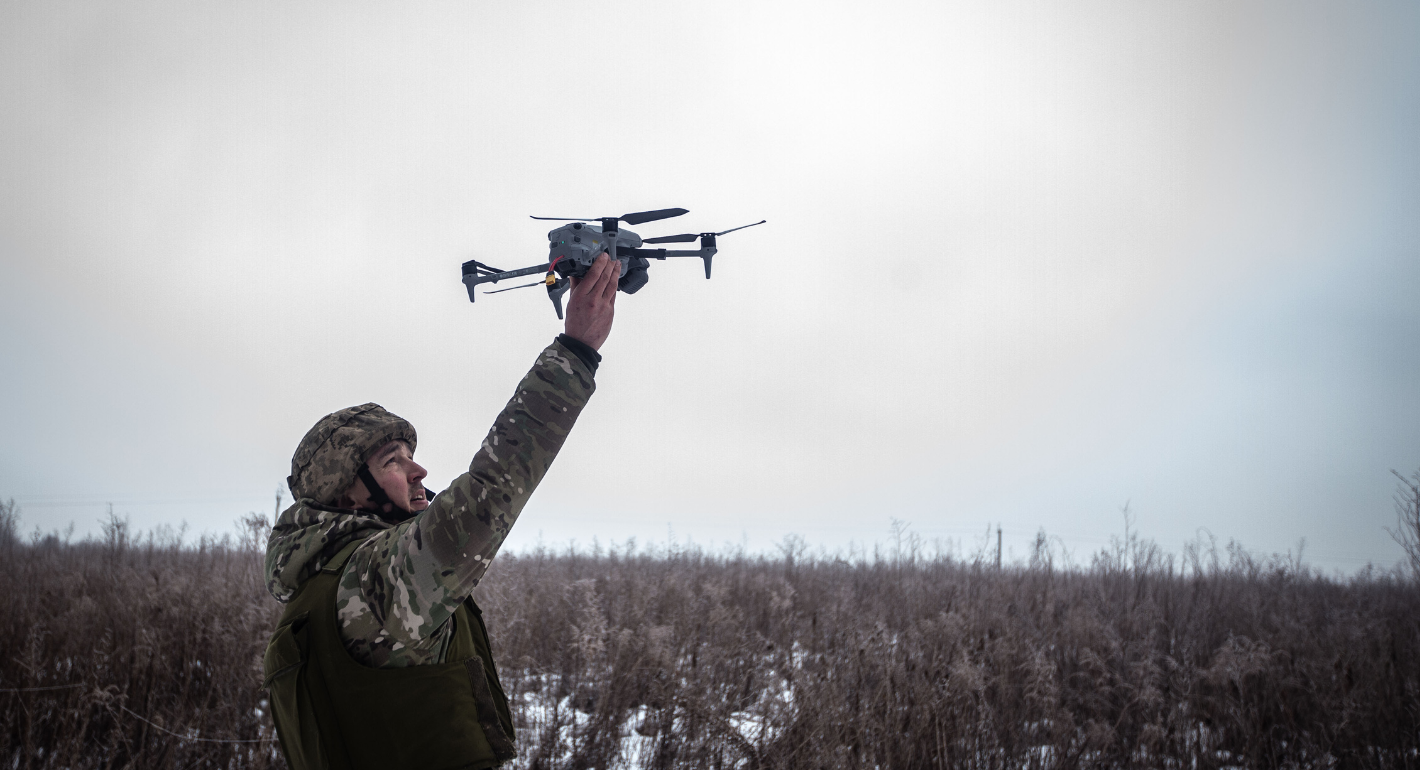
In Ukraine, Gaza, and Iran, AI warfare has come to dominate, with barely any oversight or accountability. Europe must lead the charge on the responsible use of new military technologies.

Raluca Csernatoni