

Paper
Gilles Dorronsoro
{
  "authors": [
    "Gilles Dorronsoro"
  ],
  "type": "legacyinthemedia",
  "centerAffiliationAll": "dc",
  "centers": [
    "Carnegie Endowment for International Peace"
  ],
  "collections": [],
  "englishNewsletterAll": "ctw",
  "nonEnglishNewsletterAll": "",
  "primaryCenter": "Carnegie Endowment for International Peace",
  "programAffiliation": "SAP",
  "programs": [
    "South Asia"
  ],
  "projects": [],
  "regions": [
    "South Asia",
    "Afghanistan"
  ],
  "topics": [
    "Security",
    "Military",
    "Foreign Policy"
  ]
}
Source: Getty
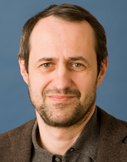
The Taliban should not be underestimated. They are an organized and coordinated enemy, and the United States must change its strategy if there is to be any hope of success.
Source: The Online NewsHour

In an interview with Dan Sagalyn of The NewsHour with Jim Lehrer, Gilles Dorronsoro discusses the Taliban’s strategy in the Afghanistan and alternative options for the U.S. Dorronsoro explains that the Taliban are an organized and coordinated foe, evidenced by the four hundred attacks made on the August 20 elections, their slow but successful extension of the insurgency to the north, and their establishment of parallel governments in the countryside. The U.S. and the Coalition must rethink their strategy, and concentrate on achieving feasible objectives, like securing the cities and key roadways.
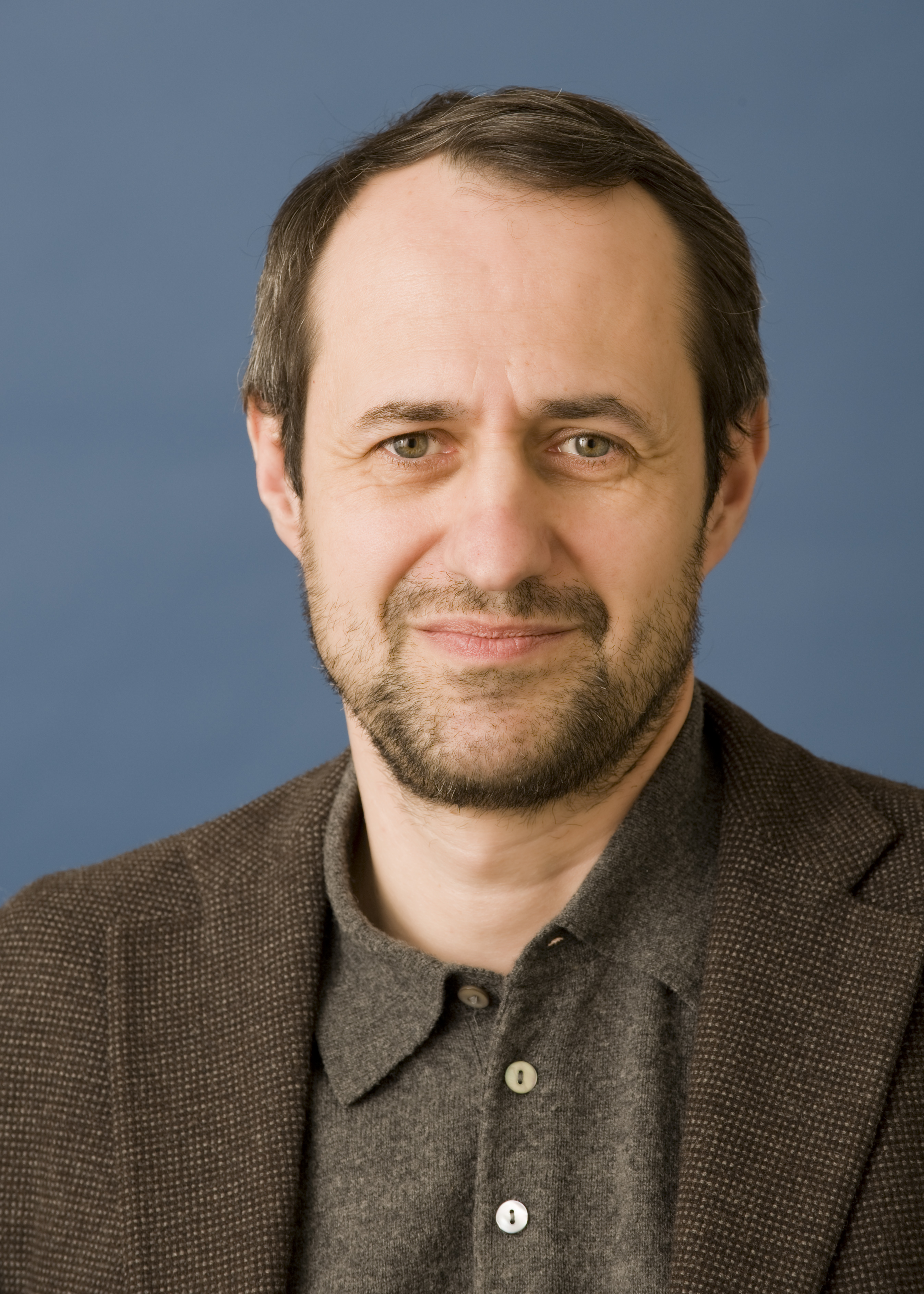
Former Nonresident Scholar, South Asia Program
Dorronsoro’s research focuses on security and political development in Afghanistan. He was a professor of political science at the Sorbonne in Paris and the Institute of Political Studies of Rennes.
Recent Work
Gilles Dorronsoro
Gilles Dorronsoro
Carnegie does not take institutional positions on public policy issues; the views represented herein are those of the author(s) and do not necessarily reflect the views of Carnegie, its staff, or its trustees.
How Ukraine is driving doctrinal change in modern warfare.

Andriy Zagorodnyuk
Although Ukrainian strikes have led to a noticeable decline in the physical volume of Russian oil exports, the rise in prices has more than made up for it.

Sergey Vakulenko

Five problems—and solutions—to make it actually work as a tool of great power competition.

Afreen Akhter
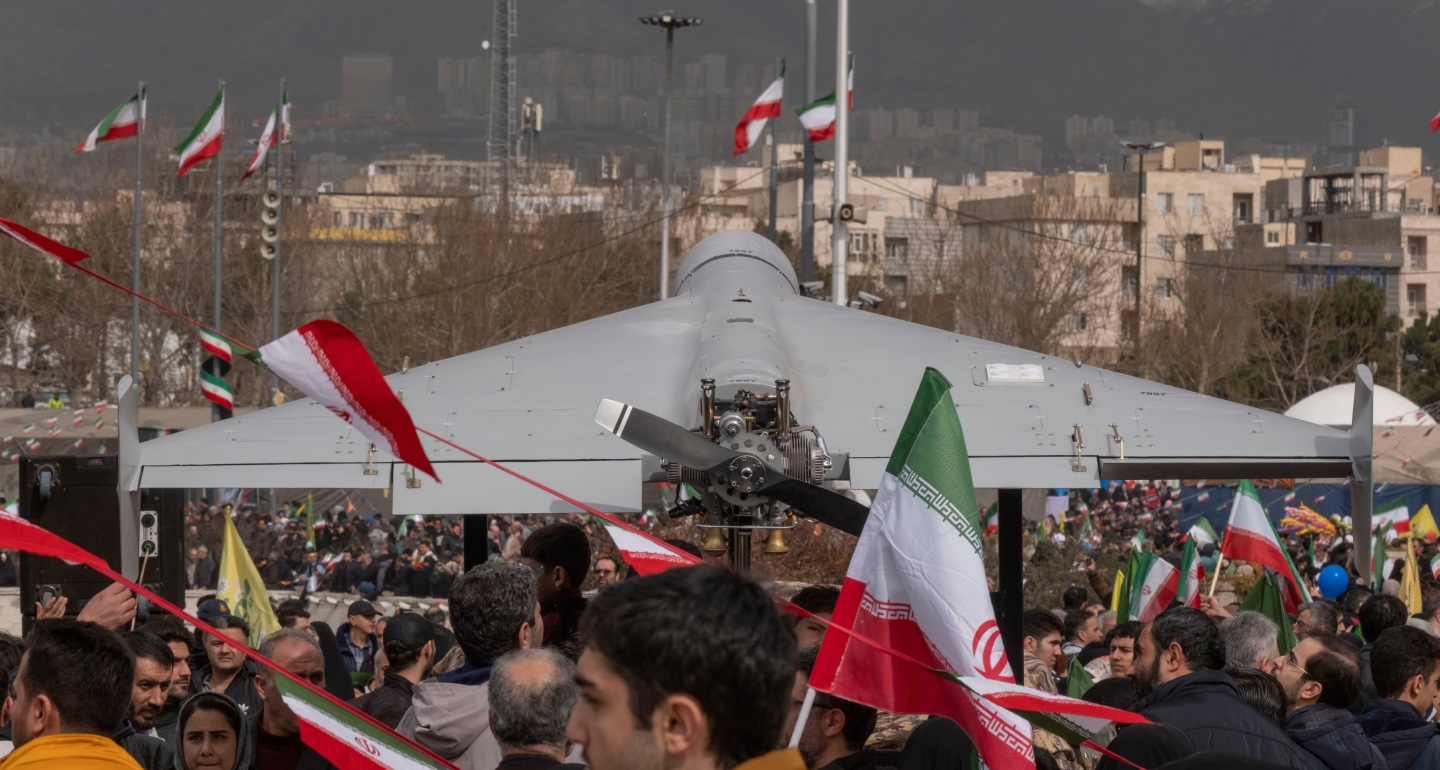
The Russian leadership wants to avoid a dangerous precedent in which it is squeezed out of Iran by the United States and Israel—and left powerless to respond in any meaningful way.

Nikita Smagin

One is hopeful. One is realistic. One is cautionary.

Andrew Leber, Sam Worby