Paper
Gilles Dorronsoro
{
  "authors": [
    "Gilles Dorronsoro"
  ],
  "type": "legacyinthemedia",
  "centerAffiliationAll": "dc",
  "centers": [
    "Carnegie Endowment for International Peace",
    "Carnegie Russia Eurasia Center"
  ],
  "collections": [],
  "englishNewsletterAll": "ctw",
  "nonEnglishNewsletterAll": "",
  "primaryCenter": "Carnegie Endowment for International Peace",
  "programAffiliation": "SAP",
  "programs": [
    "South Asia"
  ],
  "projects": [],
  "regions": [
    "South Asia",
    "Afghanistan"
  ],
  "topics": [
    "Security",
    "Military",
    "Foreign Policy"
  ]
}
Source: Getty
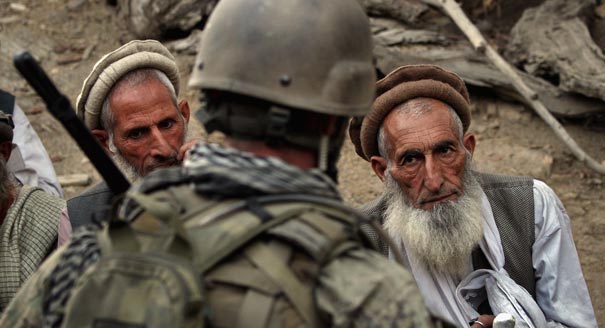
In his long-awaited address, President Obama presented a series of objectives but no clear strategy. His plan will likely leave Afghanistan looking worse than it does now.
Source: The Washington Post

In his long-awaited address, the president presented a series of objectives but no clear strategy. Although al-Qaeda hasn't returned to Afghanistan in great numbers, he conceded that it maintains "safe havens along the border." Yes, on the other side, in Pakistan. Later, he articulated a goal to "disrupt, dismantle and defeat al-Qaeda in Afghanistan and Pakistan."
Even as Obama spoke of focusing U.S. war efforts and preparing for withdrawal, he made it sound as though the United States should be fighting in two countries instead of one, aggregating distinct enemies together and fighting them all.
The signs were evident even in a Freudian slip in a Tuesday White House press briefing, when a senior administration official said, "our goal is to prevent the return of the Taliban -- I'm sorry, of al-Qaeda -- and to prevent the Taliban from overthrowing the Afghan government."
The new troops will not stay in southern Afghanistan long enough for the Afghan army to establish control there and build functioning government institutions. And, indeed, the presence of foreign troops fighting on behalf of a corrupt government in Kabul only makes that government more unpopular, which helps the Taliban grow more entrenched, even as they take losses.
Obama's speech was just a speech. His point about arming Afghan militias and building security from the ground up is where the country is actually headed. But as the Taliban continue to gain on Kabul from several directions -- including the north, where new troops would make more of a difference -- Obama's plan will make it harder for the government to survive and likely that the United States will leave Afghanistan looking worse than it does now.
Former Nonresident Scholar, South Asia Program
Dorronsoro’s research focuses on security and political development in Afghanistan. He was a professor of political science at the Sorbonne in Paris and the Institute of Political Studies of Rennes.
Recent Work
Gilles Dorronsoro
Gilles Dorronsoro
Carnegie does not take institutional positions on public policy issues; the views represented herein are those of the author(s) and do not necessarily reflect the views of Carnegie, its staff, or its trustees.
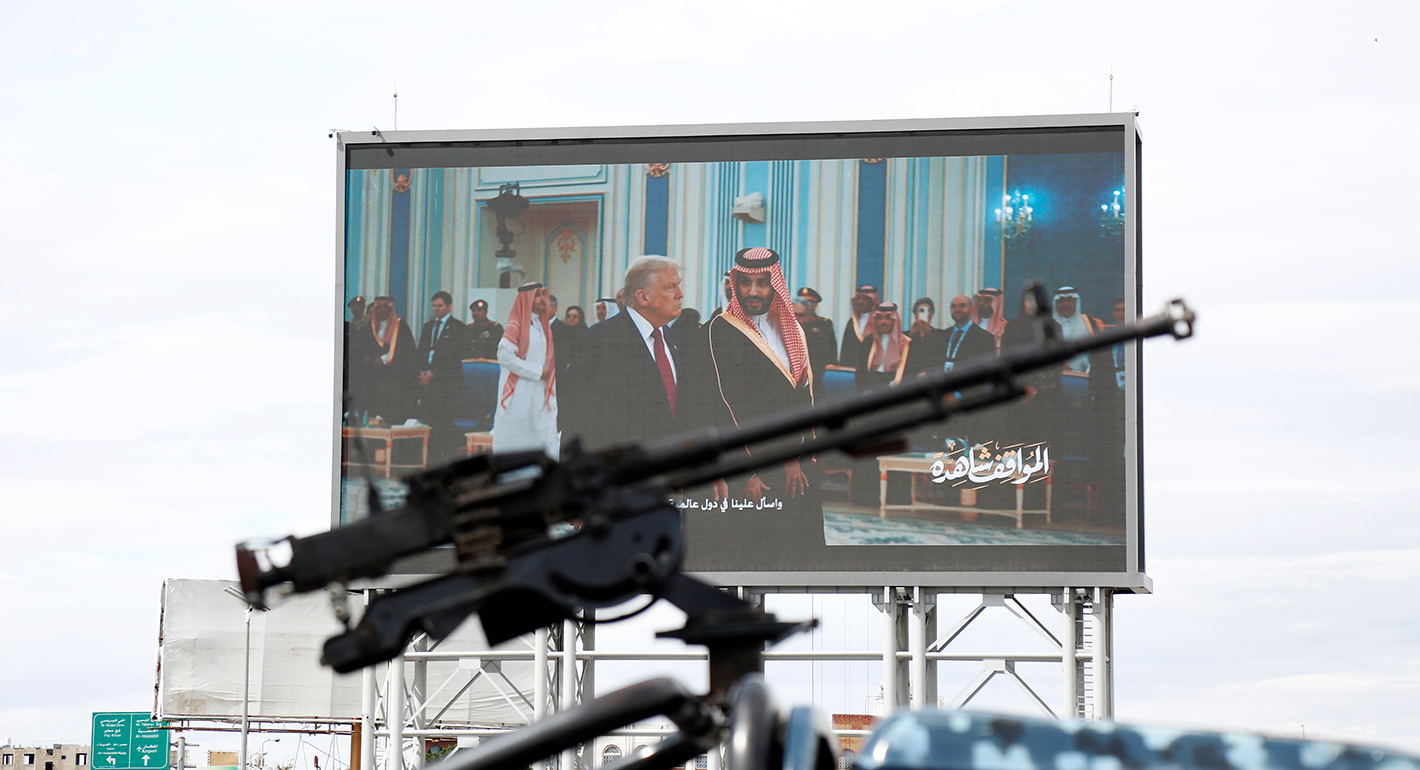
As the war between the United States, Israel, and Iran continues, Carnegie scholars contribute cutting-edge analysis on the events of the war and their wide-reaching implications. From the impact on Iran and its immediate neighbors to the responses from Gulf states to fuel and fertilizer shortages caused by the effective shutdown of the Strait of Hormuz, the war is reshaping Middle East alliances and creating shockwaves around the world. Carnegie experts analyze it all.
The return of war as the organizing factor in Middle Eastern politics has predictable consequences: governments are prioritizing regime stability and becoming averse to political and social reform.


Sarah Yerkes, Amr Hamzawy

Central Asia’s digital ambitions are achievable, but only if policy is aligned with the region’s physical constraints.

Aruzhan Meirkhanova
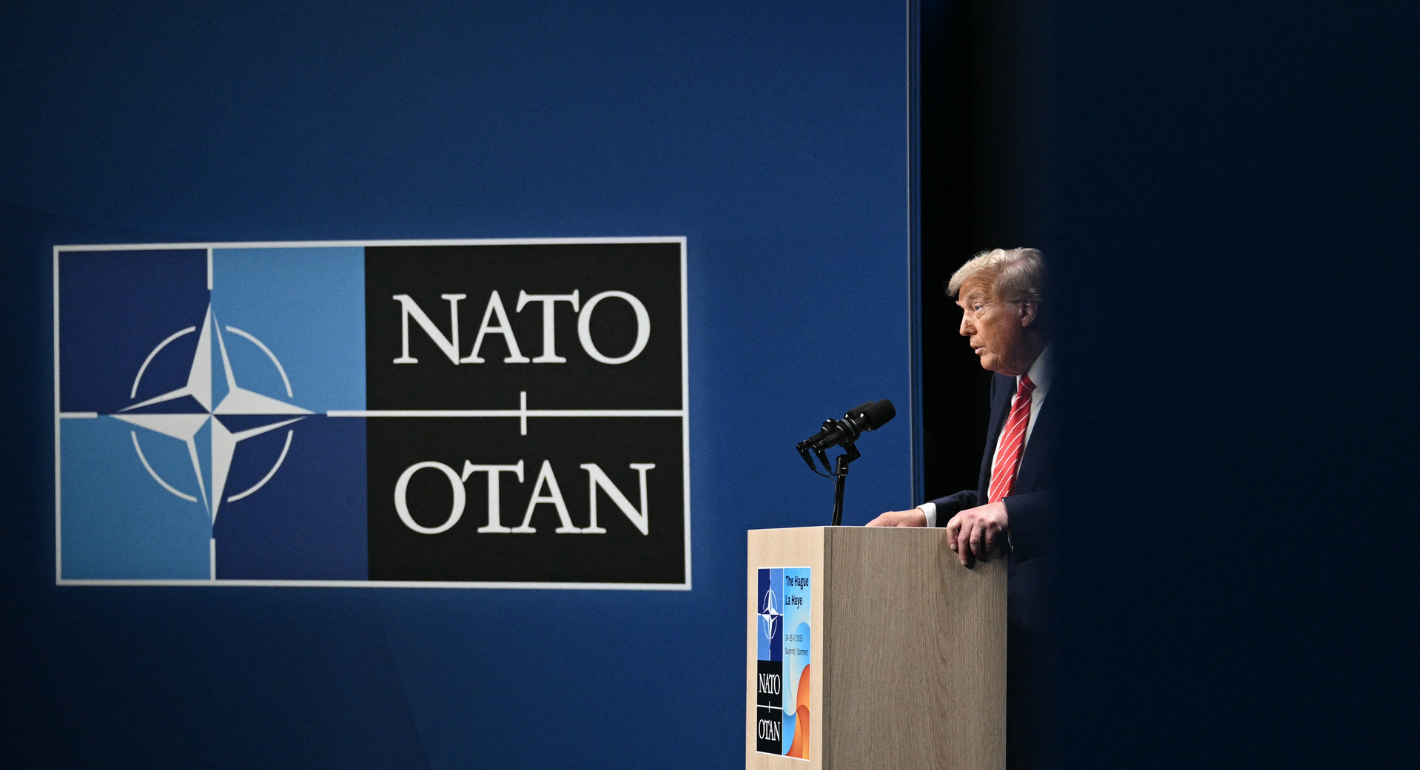
Donald Trump has repeatedly bashed NATO and European allies, threatening to annex Canada and Greenland and deploring their lack of enthusiasm for his war of choice in Iran. Is this latest round of abuse the final straw?

Rym Momtaz, ed.
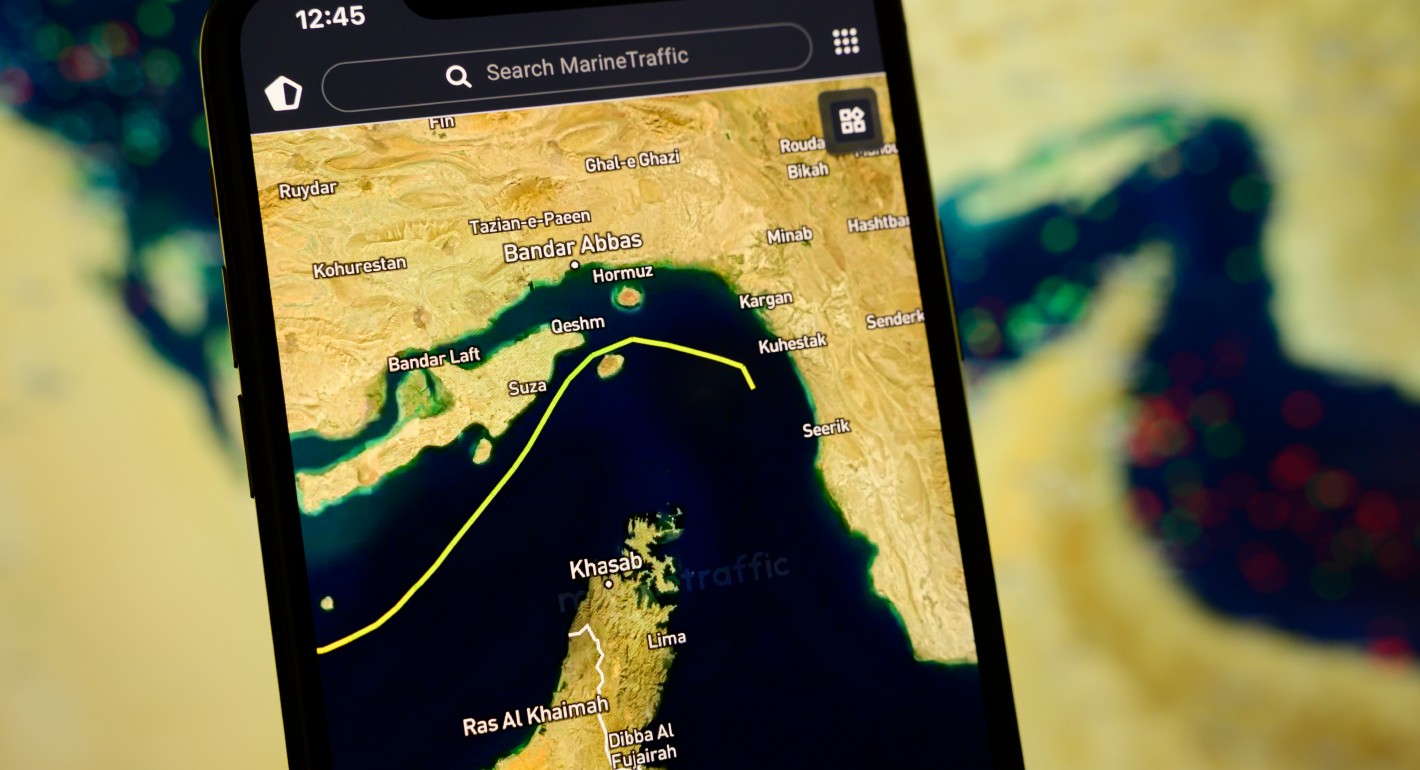
Why the Iran ceasefire isn’t a quick fix to the Strait of Hormuz energy crisis.

Helima Croft, Aaron David Miller