Q&A
Aaron David Miller, Karim Sadjadpour, Robin Wright
{
  "authors": [
    "Karim Sadjadpour"
  ],
  "type": "legacyinthemedia",
  "centerAffiliationAll": "dc",
  "centers": [
    "Carnegie Endowment for International Peace",
    "Malcolm H. Kerr Carnegie Middle East Center"
  ],
  "collections": [],
  "englishNewsletterAll": "menaTransitions",
  "nonEnglishNewsletterAll": "",
  "primaryCenter": "Carnegie Endowment for International Peace",
  "programAffiliation": "MEP",
  "programs": [
    "Middle East"
  ],
  "projects": [],
  "regions": [
    "Middle East",
    "Iran",
    "Gulf"
  ],
  "topics": [
    "Security",
    "Political Reform",
    "Democracy",
    "Foreign Policy",
    "Nuclear Policy"
  ]
}
Source: Getty
It remains to be seen how the Obama administration’s efforts at engagement with Iran will affect the domestic situation, as tensions grow between the opposition leadership’s calls for reform and the movement’s younger members, who are looking for a more fundamental change.
Source: On Point

The regime has dug in its heels as the opposition has become more vehement and daring. Karim Sadjadpour suggests that “the political elites of the regime have no where to go outside of Iran and therefore will not give up power without a fight.” Ayatollah Khamenei learned from the Shah’s mistake of apologizing for past grievances, which opened the door for the Islamic revolution to overthrow the Shah in 1979. Accordingly, “Khamenei has created a zero-sum game”, notes Sadjadpour, where his regime will fight to the bitter end.
The approach of the Obama administration with regards to engagement has unsettled the regime and created dissension among the political elites over how to respond to Obama’s overtures. The administration’s efforts at engagement have demonstrated that “the problems lie in Tehran, not in Washington,” according to Sadjadpour.

Senior Fellow, Middle East Program
Karim Sadjadpour is a senior fellow at the Carnegie Endowment for International Peace, where he focuses on Iran and U.S. foreign policy toward the Middle East.
Recent Work


Aaron David Miller, Karim Sadjadpour, Robin Wright

Aaron David Miller, David Petraeus, Karim Sadjadpour
Carnegie does not take institutional positions on public policy issues; the views represented herein are those of the author(s) and do not necessarily reflect the views of Carnegie, its staff, or its trustees.
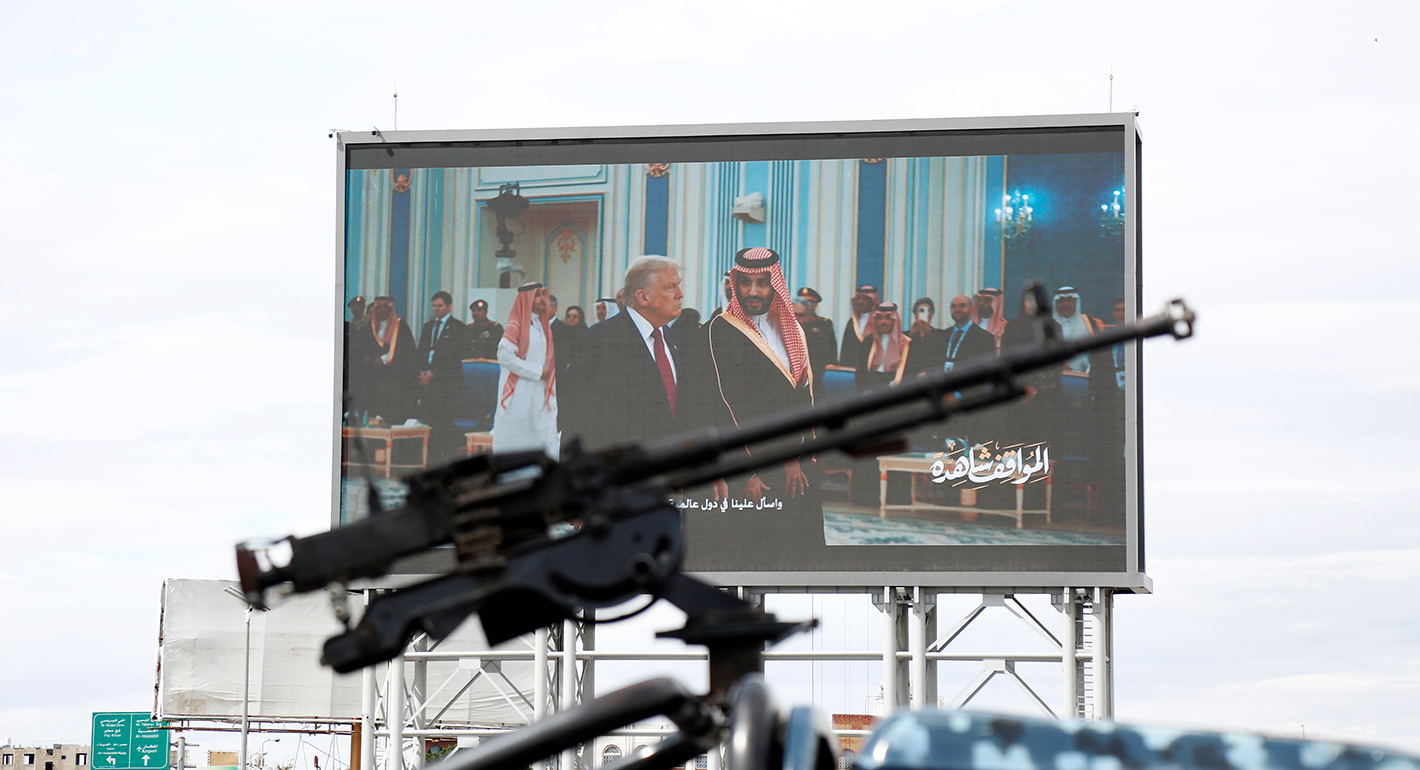
As the war between the United States, Israel, and Iran continues, Carnegie scholars contribute cutting-edge analysis on the events of the war and their wide-reaching implications. From the impact on Iran and its immediate neighbors to the responses from Gulf states to fuel and fertilizer shortages caused by the effective shutdown of the Strait of Hormuz, the war is reshaping Middle East alliances and creating shockwaves around the world. Carnegie experts analyze it all.
The return of war as the organizing factor in Middle Eastern politics has predictable consequences: governments are prioritizing regime stability and becoming averse to political and social reform.


Sarah Yerkes, Amr Hamzawy
Central Asia’s digital ambitions are achievable, but only if policy is aligned with the region’s physical constraints.

Aruzhan Meirkhanova
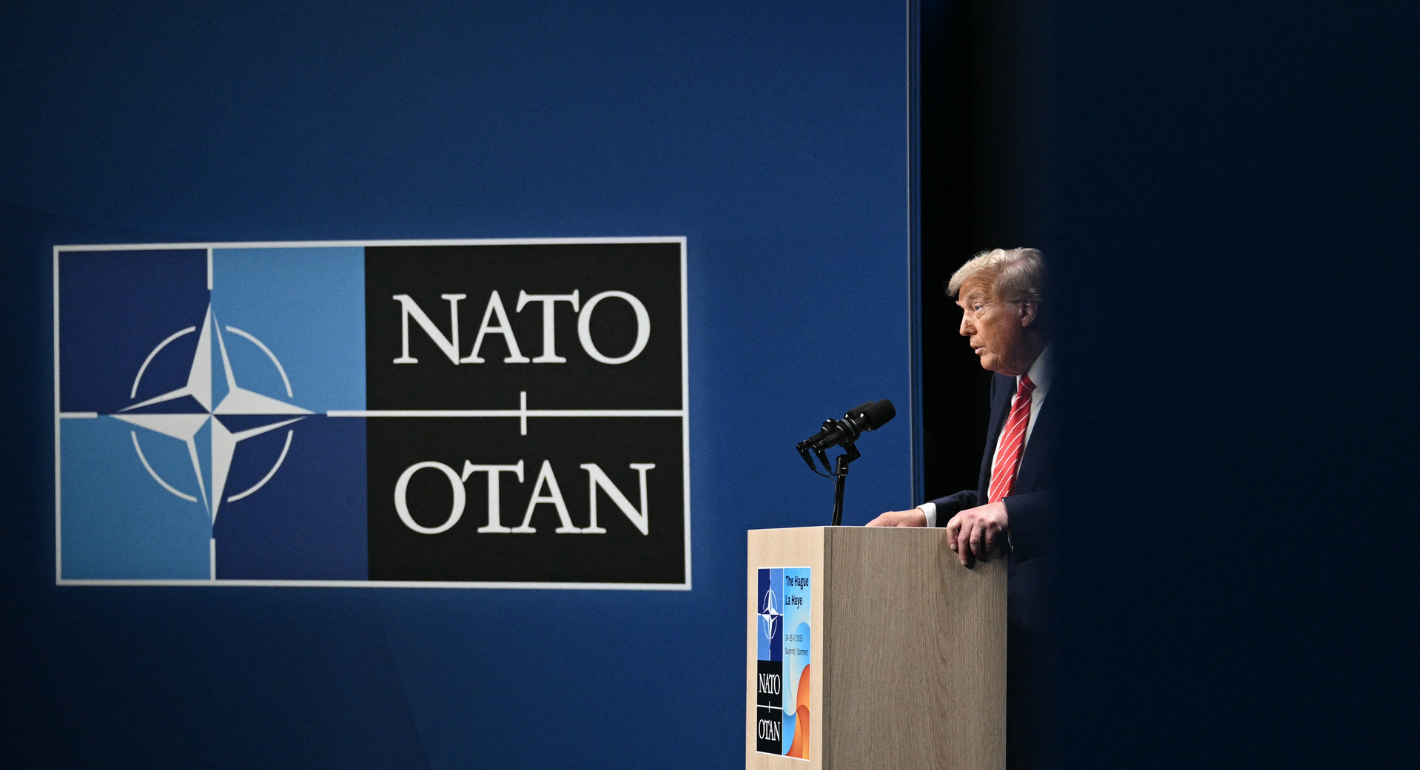
Donald Trump has repeatedly bashed NATO and European allies, threatening to annex Canada and Greenland and deploring their lack of enthusiasm for his war of choice in Iran. Is this latest round of abuse the final straw?

Rym Momtaz, ed.
The future looks bleak for independent media worldwide, but there is a robust infrastructure of knowledge, organizations, and people to build upon.

Daniel Sabet, Susan Abbott