

Commentary
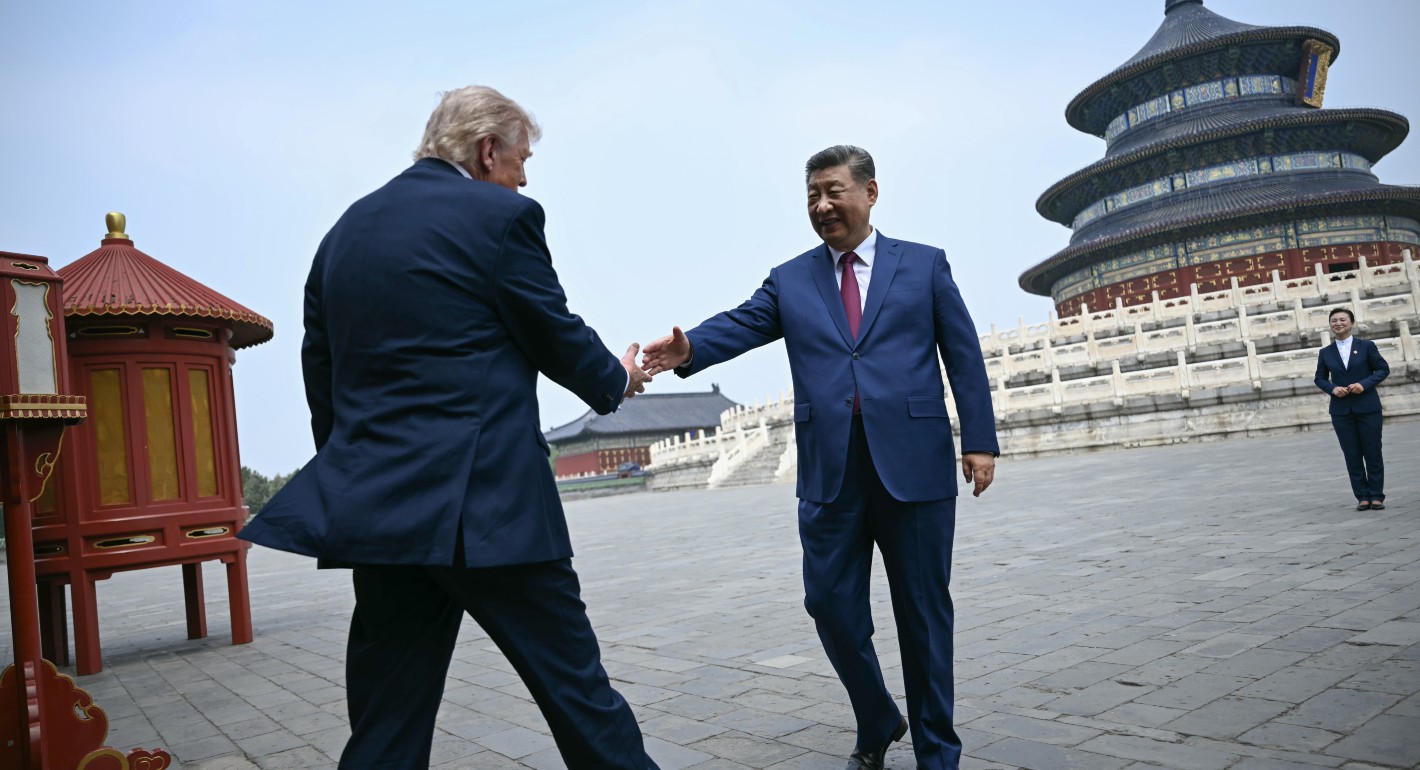
It should address the shortcomings of previous crisis communication efforts and adapt to the demands of frontier AI.
Lucy Luo
{
  "authors": [],
  "type": "pressRelease",
  "centerAffiliationAll": "dc",
  "centers": [
    "Carnegie Endowment for International Peace"
  ],
  "collections": [],
  "englishNewsletterAll": "ctw",
  "nonEnglishNewsletterAll": "",
  "primaryCenter": "Carnegie Endowment for International Peace",
  "programAffiliation": "russia",
  "programs": [
    "Russia and Eurasia"
  ],
  "projects": [],
  "regions": [
    "Caucasus",
    "Russia"
  ],
  "topics": [
    "Foreign Policy"
  ]
}
REQUIRED IMAGE
To overcome its current challenges, Moscow must begin thinking strategically. Policy makers need to open space for public debate and engage in substantive discussions on critical global issues, and Western governments and institutions need to open the door to independent Russian voices.
MOSCOW, Jan 7—The Kremlin was able to consolidate its domestic authority and assert itself globally during Russia’s economic boom, but economic, security, and governance crises have shaken Moscow’s confidence. If it is to overcome its current challenges, Moscow must begin thinking strategically. To do this, policy makers need to open space for public debate and engage in substantive discussions on critical global issues—and Western governments and institutions need to open the door to independent Russian voices—contends a new paper by Sam Greene and Dmitri Trenin.
Key Conclusions:
While these challenges must be addressed by the Russian people and their leaders, the West can help:
The authors conclude:
“If the West seeks to exploit Russia’s absence for its own competitive advantage, a future democratic Russia will rightly feel it has been mistreated, and Russia’s nationalists and isolationists will once again win the day. Eventually, Russia’s interests will have to be taken into account, and there is no reason that moment has to wait until the Kremlin learns to express them clearly and constructively.”
###
NOTES
Carnegie does not take institutional positions on public policy issues; the views represented herein are those of the author(s) and do not necessarily reflect the views of Carnegie, its staff, or its trustees.
It should address the shortcomings of previous crisis communication efforts and adapt to the demands of frontier AI.

Lucy Luo
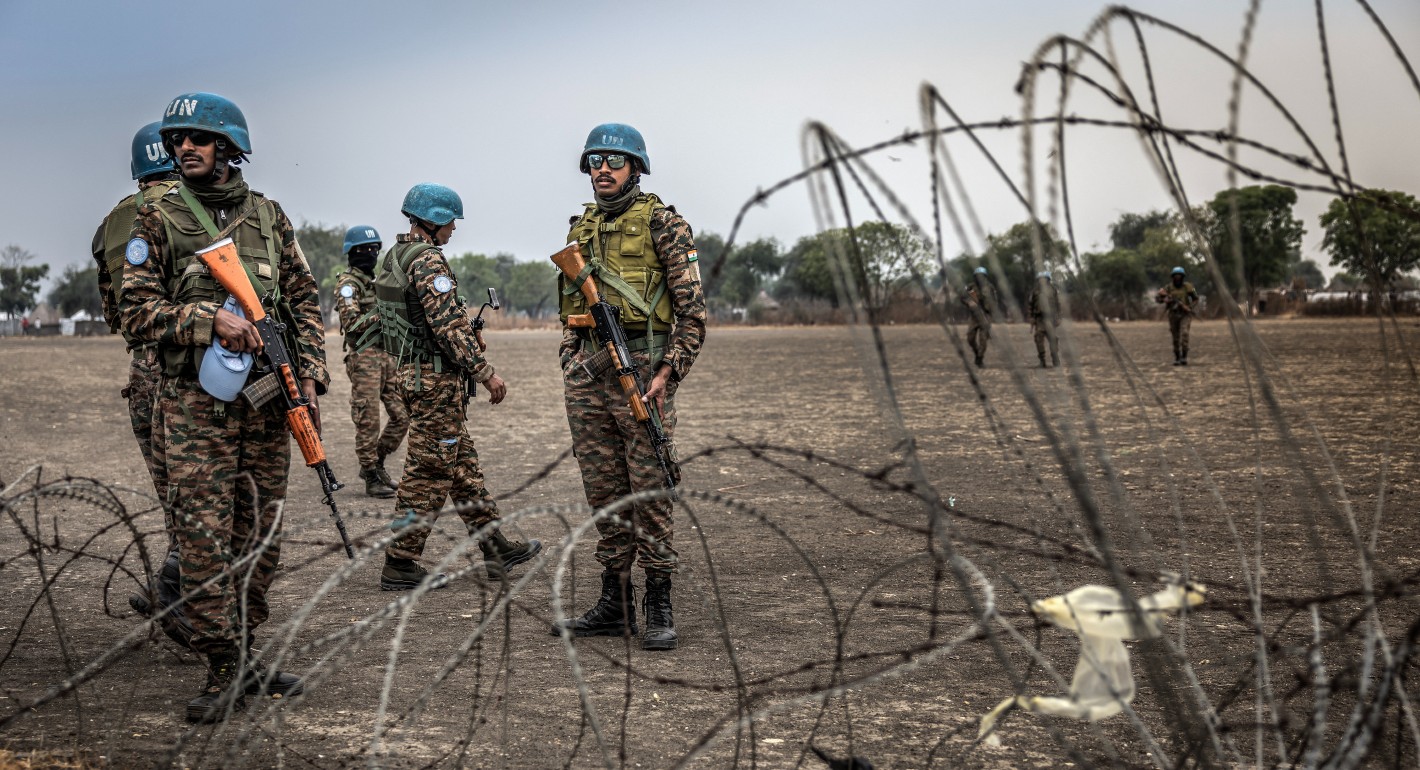
Washington’s decision to support some UN functions while letting others wither is pulling the organization apart at the seams.

Stewart Patrick, Theodore Zaritsky

Are Germany’s economic, industrial, and political struggles becoming a liability for the EU’s ability to rise to the geopolitical moment?

Rym Momtaz, ed.

Russia’s ruling party would have benefited from Putin appearing as its distant patron, but as an active frontman imposing his views on the public, he has done nothing but harm both the party’s election campaign and the ruling system overall.

Andrey Pertsev

China’s police training infrastructure construction projects provide benefits to recipient countries, promote China’s image as a major global security provider, and are likely to reinforce alignment between Beijing’s security priorities and those of countries in the Global South.


Cameron Waltz, Sheena Chestnut Greitens, Kim Nguyen, …