

Q&A
Aaron David Miller, Karim Sadjadpour, Robin Wright
{
  "authors": [
    "Karim Sadjadpour"
  ],
  "type": "legacyinthemedia",
  "centerAffiliationAll": "dc",
  "centers": [
    "Carnegie Endowment for International Peace"
  ],
  "collections": [],
  "englishNewsletterAll": "menaTransitions",
  "nonEnglishNewsletterAll": "",
  "primaryCenter": "Carnegie Endowment for International Peace",
  "programAffiliation": "MEP",
  "programs": [
    "Middle East"
  ],
  "projects": [],
  "regions": [
    "Middle East",
    "Iran"
  ],
  "topics": [
    "Political Reform",
    "Foreign Policy",
    "Nuclear Policy"
  ]
}
Source: Getty
The Obama administration must carefully balance its attempts to engage Iran on its nuclear program, Iraq, and Afghanistan with its need to support the Iranian opposition.
Source: Al Jazeera's Riz Khan
The Obama administration faces a profound dilemma in its attempts at engagement with Iran. On one hand, the administration has attempted to enter talks on the Iran nuclear program and security issues in Iraq and Afghanistan. On the other hand, “the Iranian regime is facing an existential crisis and the Obama administration must figure out how to engage the regime without betraying the opposition,” asserts Karim Sadjadpour. While it is true that the opposition has not explicitly called for direct U.S. intervention, the younger generation has expressed a desire for expressions of solidarity and moral support.

Senior Fellow, Middle East Program
Karim Sadjadpour is a senior fellow at the Carnegie Endowment for International Peace, where he focuses on Iran and U.S. foreign policy toward the Middle East.
Recent Work


Aaron David Miller, Karim Sadjadpour, Robin Wright

Aaron David Miller, David Petraeus, Karim Sadjadpour
Carnegie does not take institutional positions on public policy issues; the views represented herein are those of the author(s) and do not necessarily reflect the views of Carnegie, its staff, or its trustees.
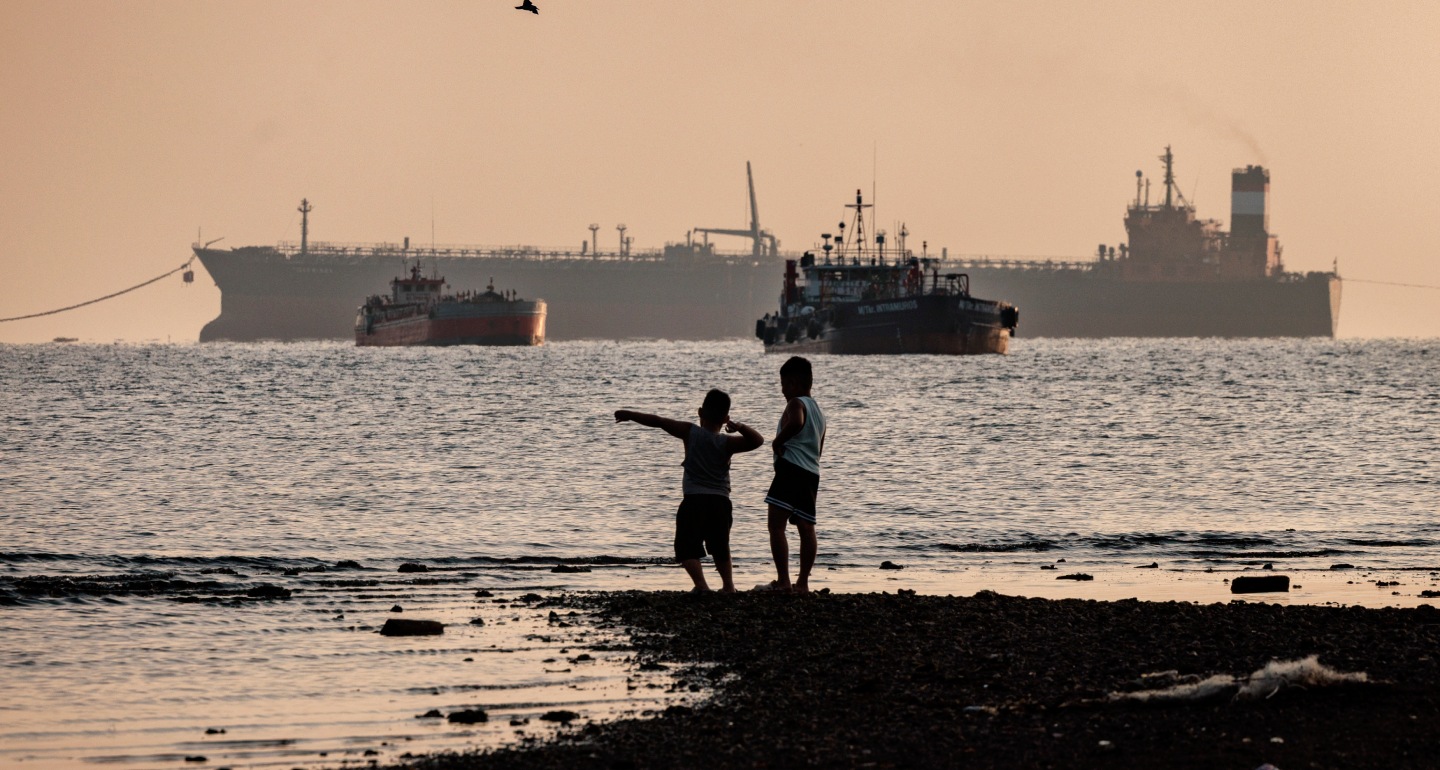
Although Ukrainian strikes have led to a noticeable decline in the physical volume of Russian oil exports, the rise in prices has more than made up for it.

Sergey Vakulenko

Five problems—and solutions—to make it actually work as a tool of great power competition.

Afreen Akhter
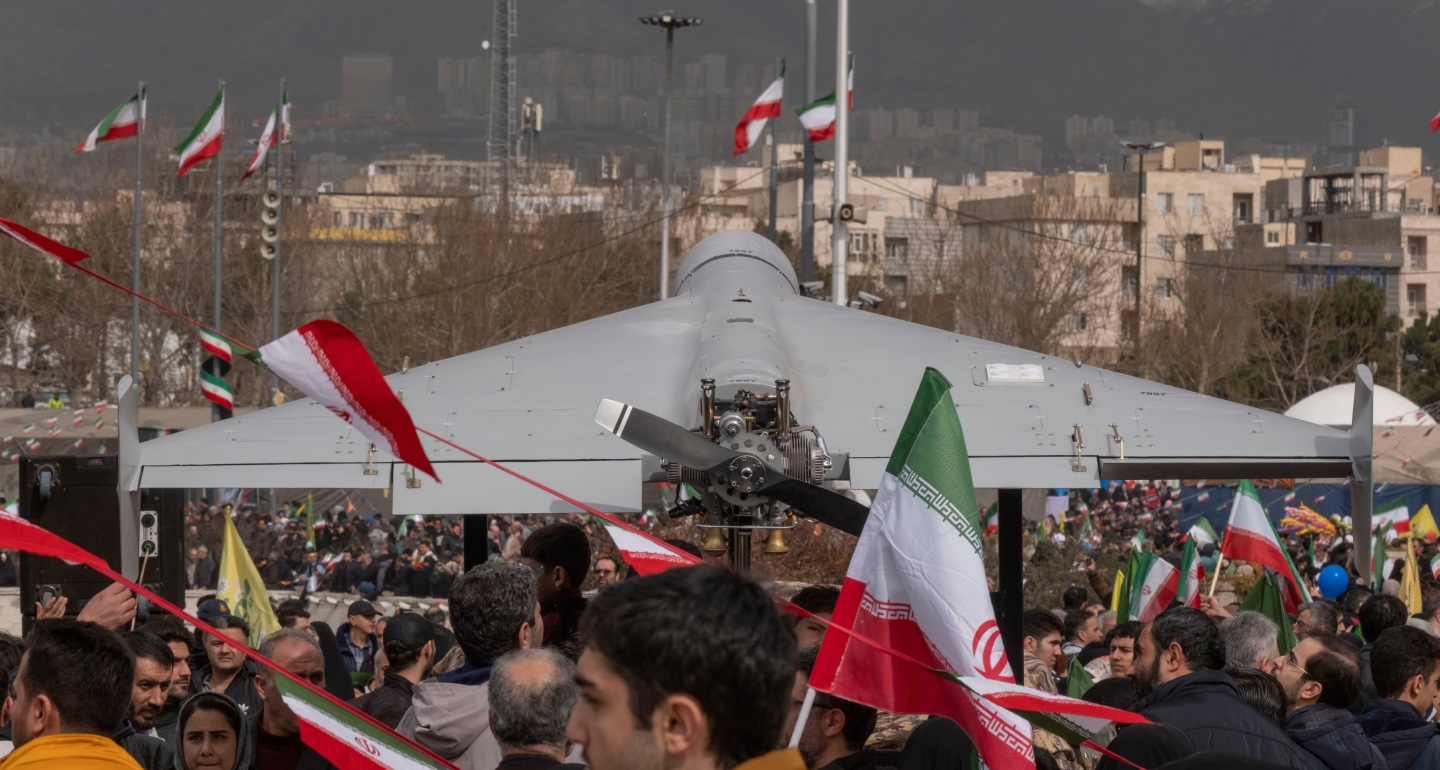
The Russian leadership wants to avoid a dangerous precedent in which it is squeezed out of Iran by the United States and Israel—and left powerless to respond in any meaningful way.

Nikita Smagin

One is hopeful. One is realistic. One is cautionary.

Andrew Leber, Sam Worby
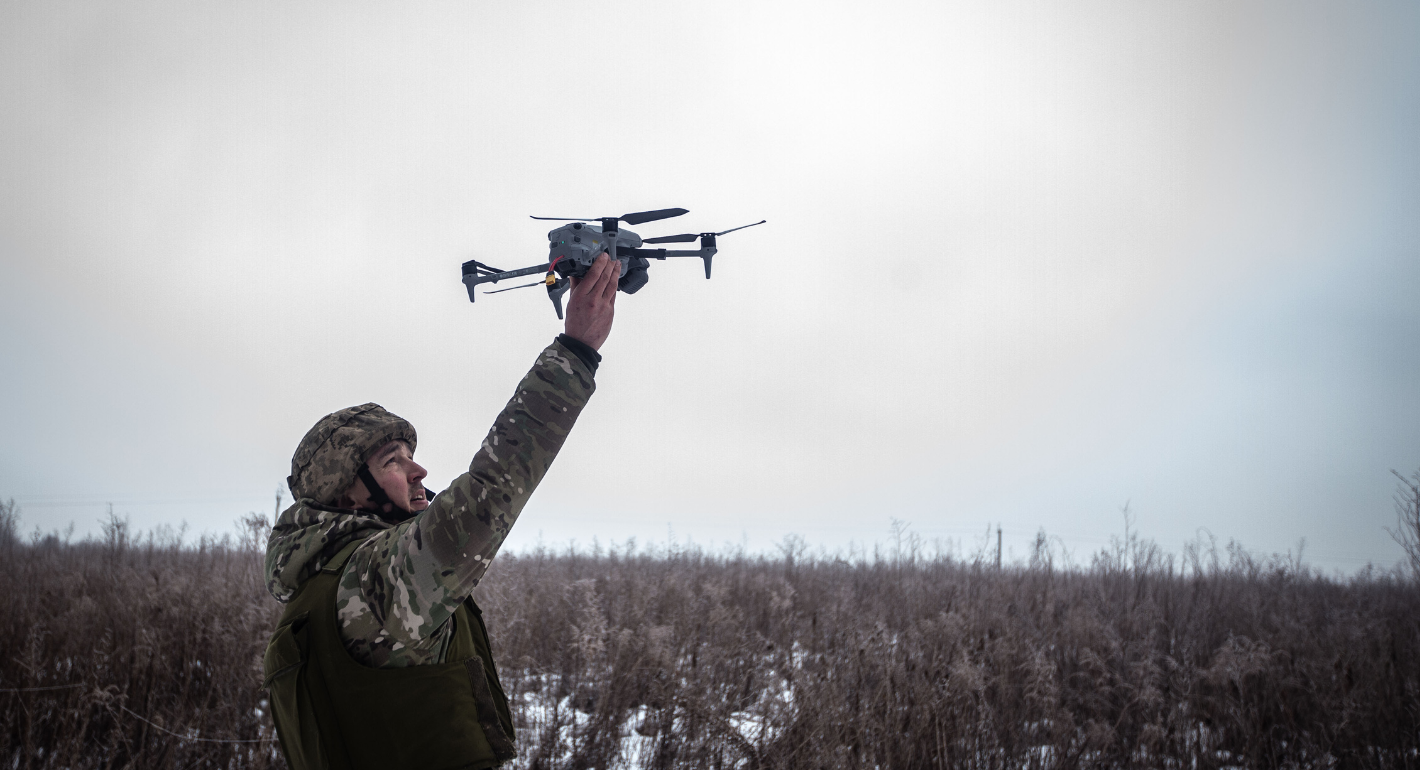
In Ukraine, Gaza, and Iran, AI warfare has come to dominate, with barely any oversight or accountability. Europe must lead the charge on the responsible use of new military technologies.

Raluca Csernatoni