

Paper
Matthew Rojansky
{
  "authors": [
    "Matthew Rojansky"
  ],
  "type": "legacyinthemedia",
  "centerAffiliationAll": "dc",
  "centers": [
    "Carnegie Endowment for International Peace",
    "Carnegie Russia Eurasia Center"
  ],
  "collections": [],
  "englishNewsletterAll": "ctw",
  "nonEnglishNewsletterAll": "",
  "primaryCenter": "Carnegie Endowment for International Peace",
  "programAffiliation": "russia",
  "programs": [
    "Russia and Eurasia"
  ],
  "projects": [],
  "regions": [
    "North America",
    "United States",
    "Caucasus",
    "Russia"
  ],
  "topics": [
    "Security",
    "Foreign Policy"
  ]
}
Source: Getty
Both the United States and Russia face the threat of global terrorism, and they should work together and share intelligence in order to respond to terrorist threats.
Source: Russia Today: The Alyona Show
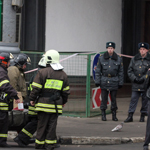
Two female suicide bombers set off explosives at two different Moscow metro stations. The deadly blasts killed 39 people and injured 87. U.S. President Barack Obama released an immediate response to the events, sharing his condolences and stating that the American people stand united with Russia against terrorism.
Matthew Rojansky participated in a live discussion on Russia Today about how the global threat of terrorism can bring two countries together. The United States and Russia both face terrorism at similar levels, asserted Rojansky, but in different ways: the problem manifested in Russia is a domestic threat, whereas the United States is facing a threat that largely comes from the outside. These terrorists are united by the same basic ideology of Islamic fundamentalism, and Rojansky believes that the two countries can learn from each other and work together, to respond to threats of terrorist attack. The basis and the willpower for high-level contact are there, he concluded, but there might be some remaining issues as to what kind of intelligence the two superpowers can share.
Former Deputy Director, Russia and Eurasia Program
Rojansky, formerly executive director of the Partnership for a Secure America, is an expert on U.S. and Russian national security and nuclear-weapon policies.
Recent Work
Matthew Rojansky
Matthew Rojansky
Carnegie does not take institutional positions on public policy issues; the views represented herein are those of the author(s) and do not necessarily reflect the views of Carnegie, its staff, or its trustees.

Five problems—and solutions—to make it actually work as a tool of great power competition.

Afreen Akhter
The Russian leadership wants to avoid a dangerous precedent in which it is squeezed out of Iran by the United States and Israel—and left powerless to respond in any meaningful way.

Nikita Smagin
One is hopeful. One is realistic. One is cautionary.

Andrew Leber, Sam Worby
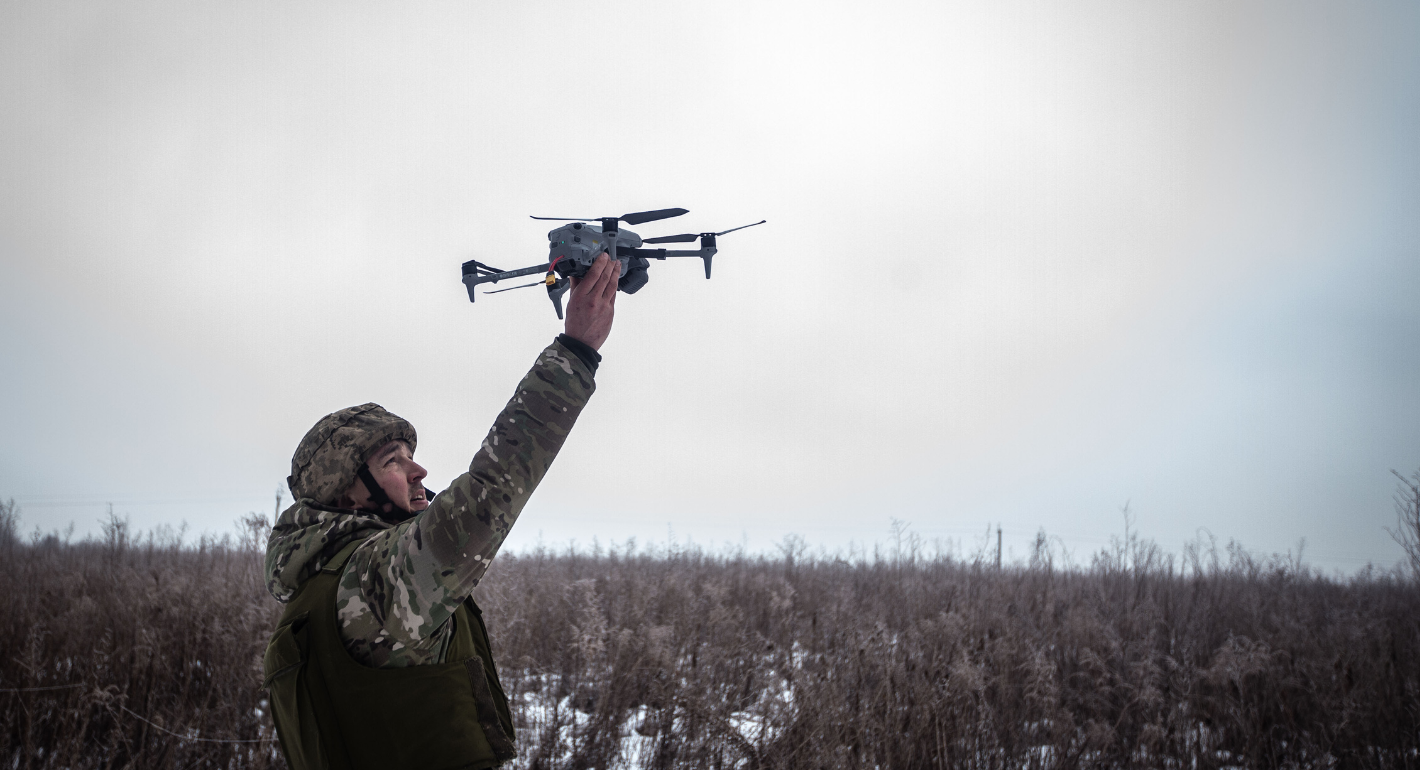
In Ukraine, Gaza, and Iran, AI warfare has come to dominate, with barely any oversight or accountability. Europe must lead the charge on the responsible use of new military technologies.

Raluca Csernatoni
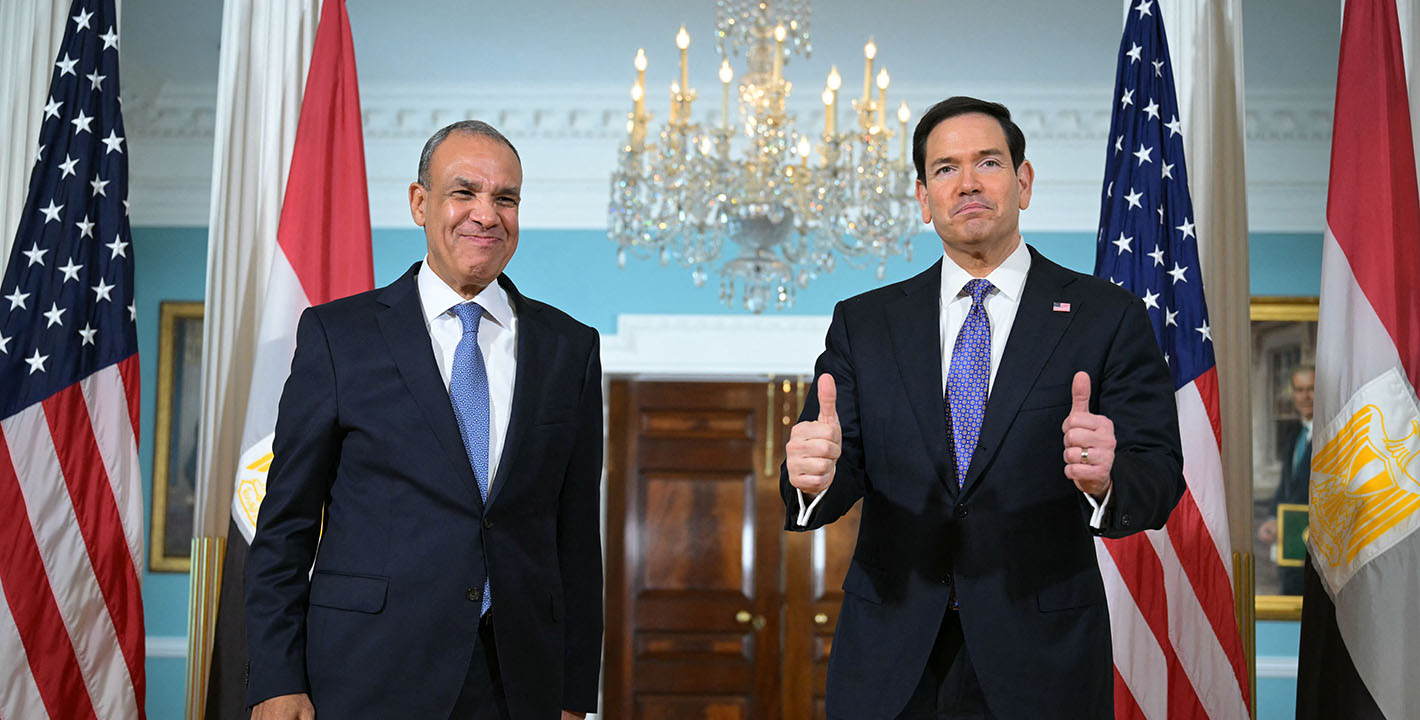
Cairo’s efforts send a message to the United States and the region that it still has a place at the diplomatic table.

Angie Omar