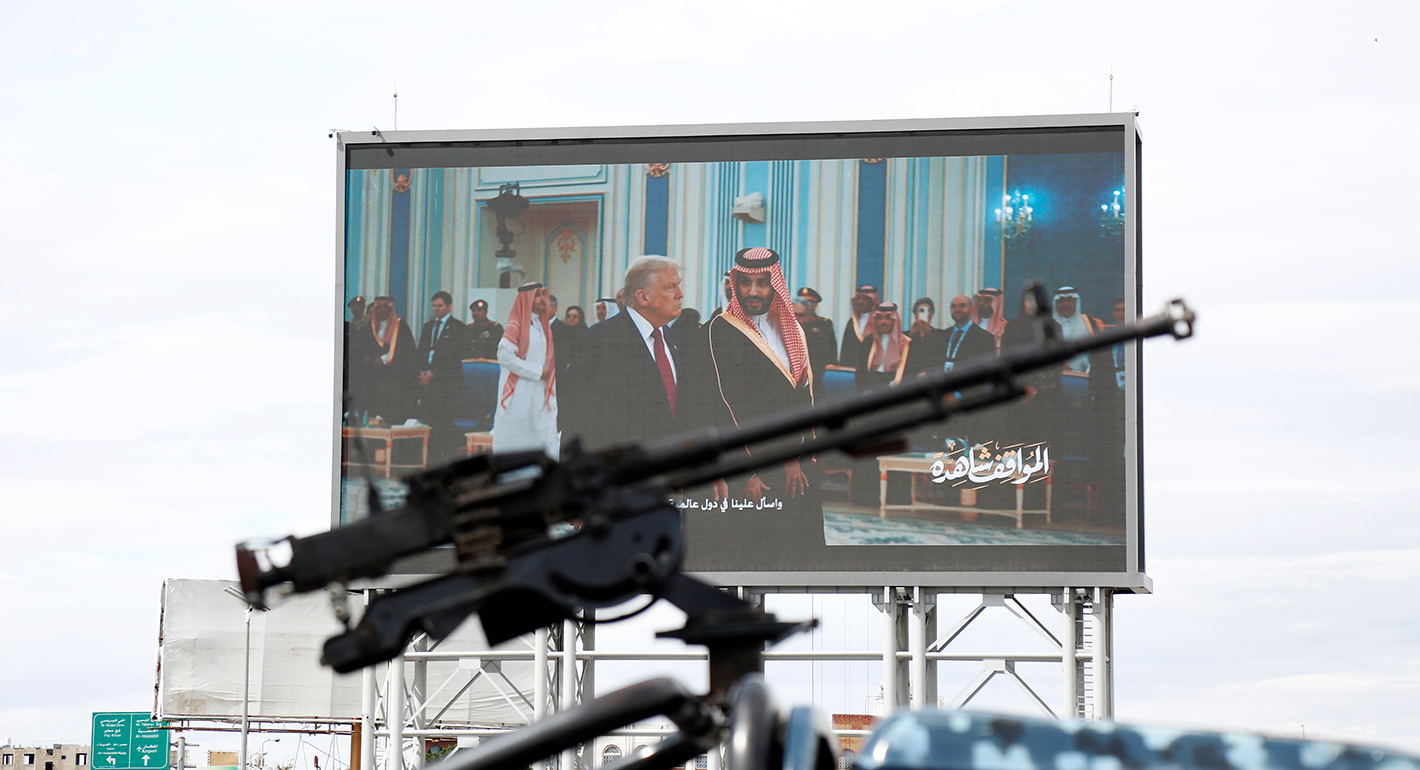
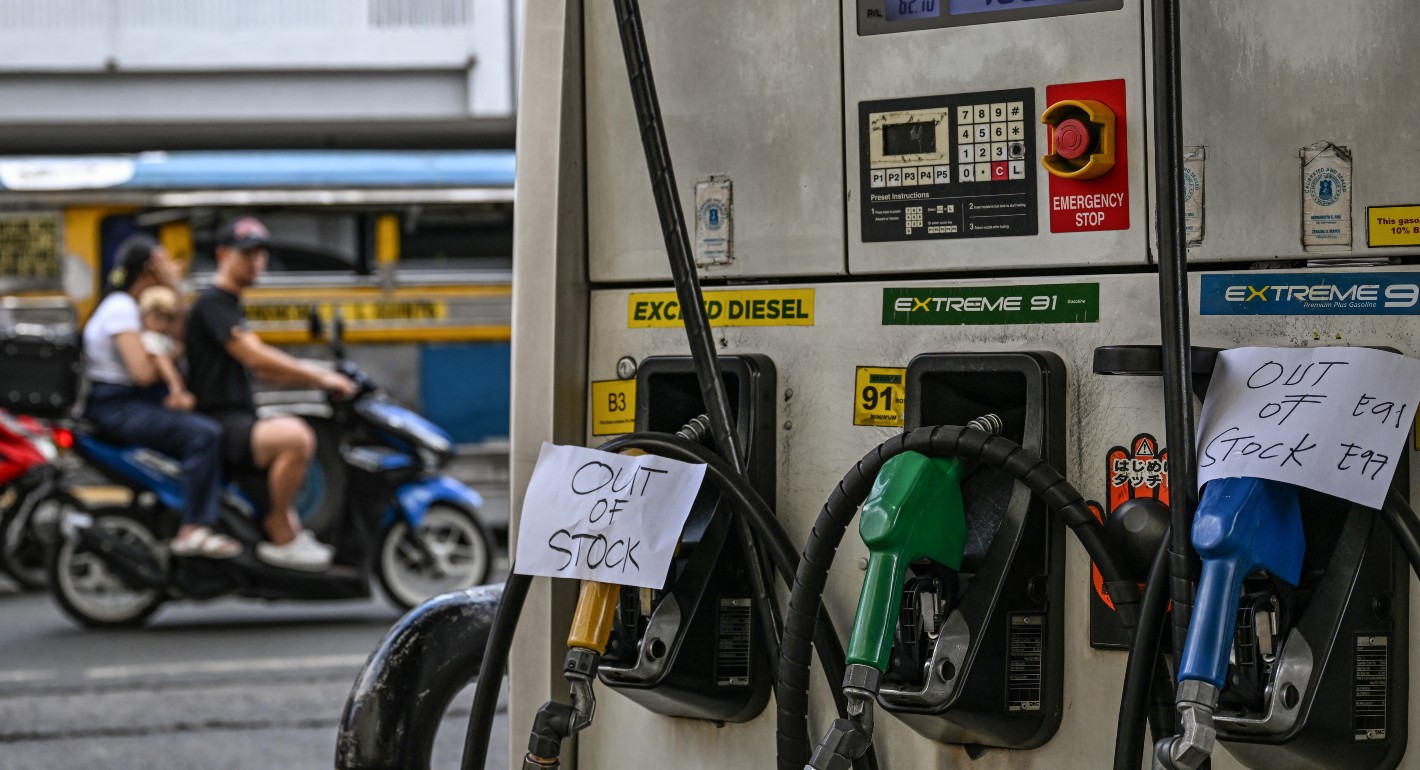
As the war between the United States, Israel, and Iran continues, Carnegie scholars contribute cutting-edge analysis on the events of the war and their wide-reaching implications. From the impact on Iran and its immediate neighbors to the responses from Gulf states to fuel and fertilizer shortages caused by the effective shutdown of the Strait of Hormuz, the war is reshaping Middle East alliances and creating shockwaves around the world. Carnegie experts analyze it all.
{
"authors": [],
"type": "pressRelease",
"centerAffiliationAll": "dc",
"centers": [
"Carnegie Endowment for International Peace"
],
"collections": [],
"englishNewsletterAll": "menaTransitions",
"nonEnglishNewsletterAll": "",
"primaryCenter": "Carnegie Endowment for International Peace",
"programAffiliation": "MEP",
"programs": [
"Middle East"
],
"projects": [],
"regions": [],
"topics": [
"Economy"
]
}REQUIRED IMAGE
With greater transparency and accountability, SWFs can help stabilize global economy
Managers of Sovereign Wealth Funds are seeing real progress on implementing the Santiago Principles—a voluntary code of conduct for SWFs designed to promote good governance, transparency, and accountability. In fact, however, implementation is highly uneven. There is still far to go if SWFs are to be responsible members of the global economy.
BEIRUT, May 6—Managers of Sovereign Wealth Funds (SWFs) gathering for their annual meeting in Sydney this week will likely note real progress on implementing the Santiago Principles—a voluntary code of conduct for SWFs designed to promote good governance, transparency, and accountability. In fact however implementation is highly uneven. There is still far to go if SWFs are to be responsible members of the global economy, concludes a new paper by Sven Behrendt.
Key Conclusions:
- Only four of the 26 SWFs which signed the Santiago Principles are close to fully implementing all principles. As a voluntary agreement, it is at risk of failing if it does not gain wider support.
- A country’s level of democracy correlates significantly with how fully its SWF has adopted the principles. But there is no strong correlation between a country’s level of economic development and its overall adherence.
- At the upcoming G20 Summit in Toronto, leaders should acknowledge progress but urge SWFs to more aggressively comply with the Santiago Principles.
“The G20 wants to make progress on financial regulatory reform. The Santiago Principles are a test case for how broad the commitment to reforms in global finance is,” writes Behrendt. “The G20 should urge all signatories to the Santiago Principles to fully comply with them.”
###
NOTES
- Sven Behrendt is a visiting scholar at the Carnegie Middle East Center. He is an expert in global policy issues, international negotiations, corporate strategy, and diplomacy. Prior to his appointment at Carnegie, he served in various management positions at the World Economic Forum and the Bertelsmann Group on Policy Research. He is a regular commentator on television and in the press on corporate strategy and globalization.
- The Carnegie Middle East Center based in Beirut, Lebanon, aims to better inform the process of political change in the Middle East.
- The Carnegie Middle East Program combines in-depth local knowledge with incisive comparative analysis to examine economic, socio-political, and strategic interests in the Arab world to provide analysis and recommendations in both English and Arabic that are deeply informed by knowledge and views from the region.
- Carnegie's Arab Reform Bulletin analyzes political reform in the Middle East.
- Press Contact: David Kampf, 202/939-2233, pressoffice@ceip.org
Carnegie does not take institutional positions on public policy issues; the views represented herein are those of the author(s) and do not necessarily reflect the views of Carnegie, its staff, or its trustees.
More Work from Carnegie Endowment for International Peace
- The Iran War’s Global ReachCollection
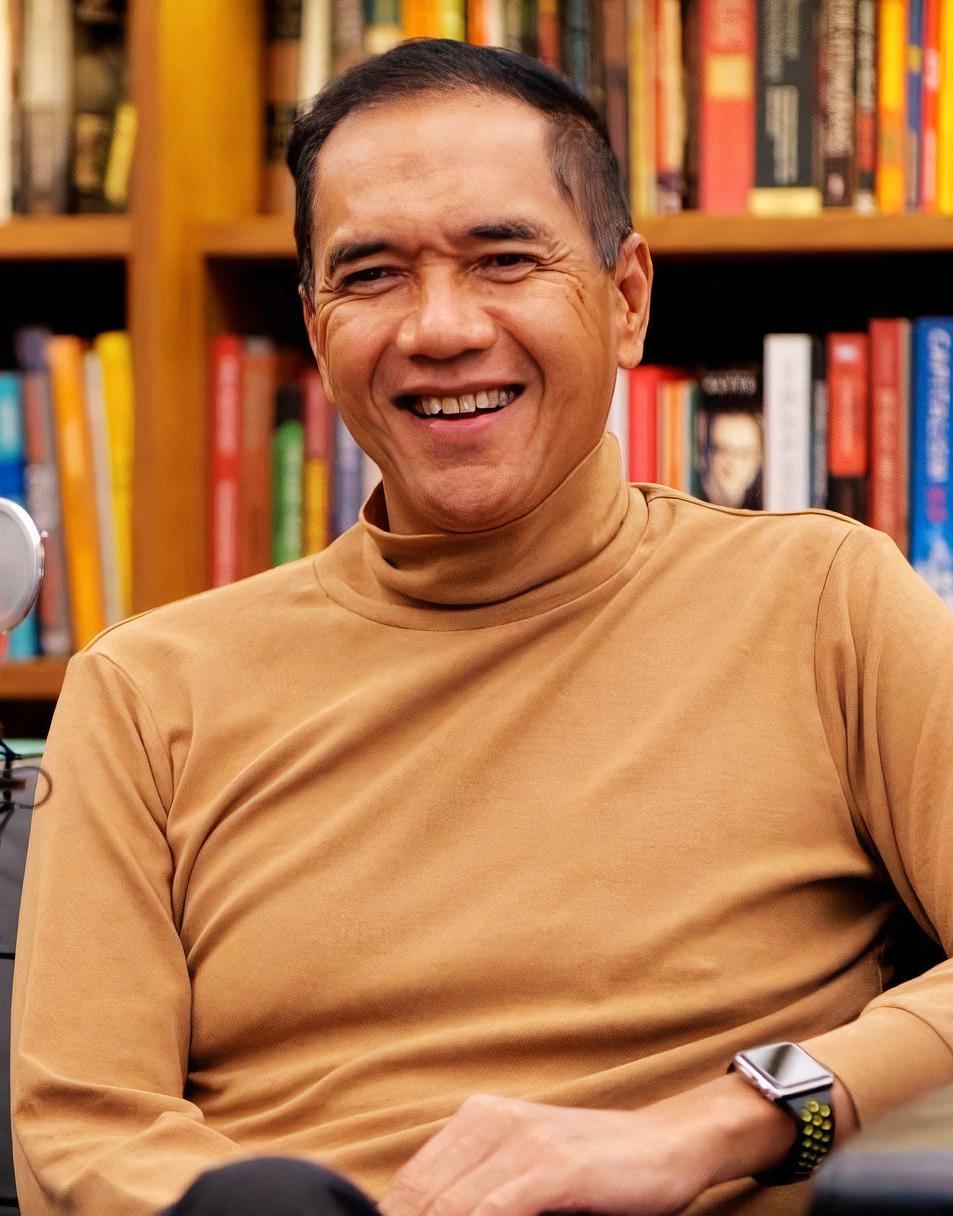
- Southeast Asia’s Agency Amid the New Oil CrisisCommentary
There is no better time for the countries of Southeast Asia to reconsider their energy security than during this latest crisis.
Gita Wirjawan
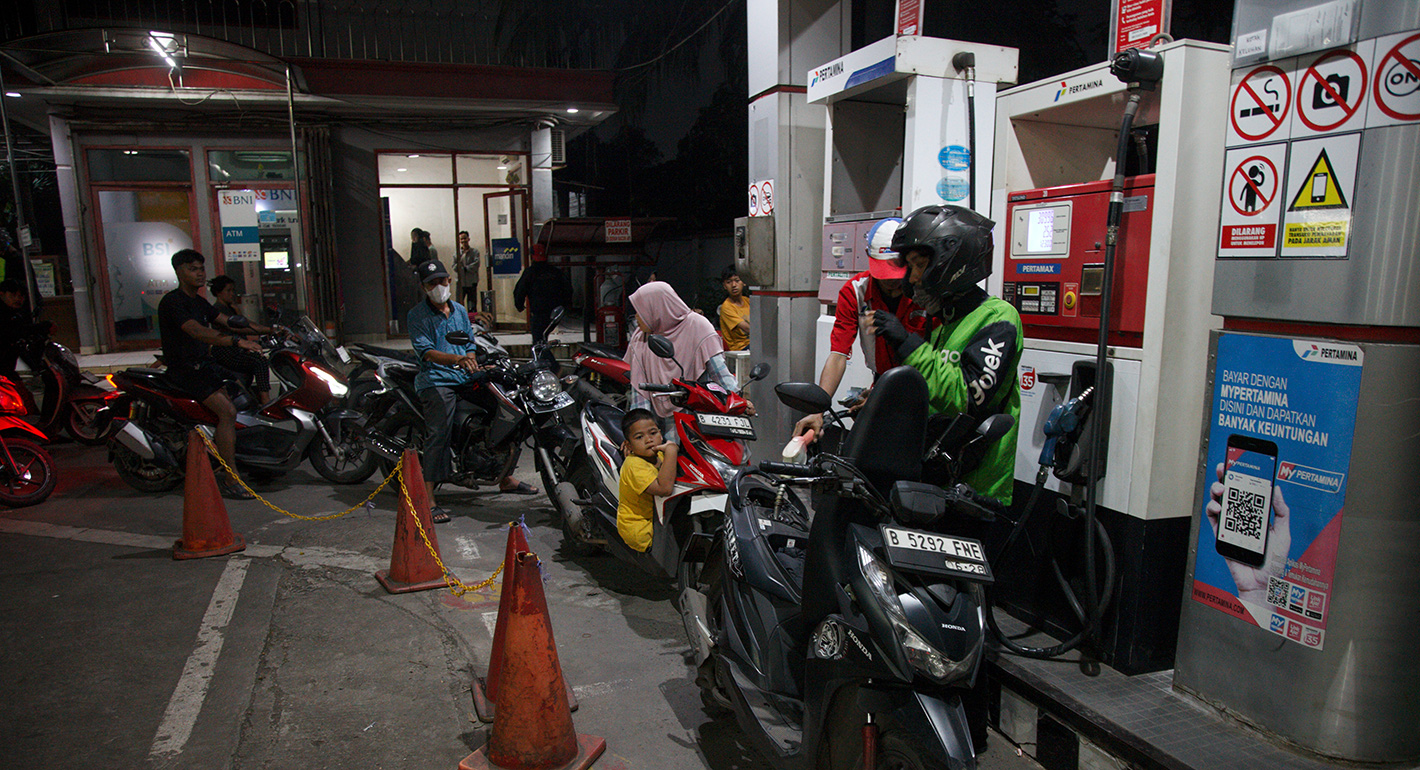
- Fuel Crisis Forces Politically Perilous Trade-Offs in IndonesiaCommentary
As conflict in the Middle East drives up fuel costs across Asia, Indonesia faces difficult policy trade-offs over subsidies, inflation, and fiscal credibility. President Prabowo’s personalized governance style may make these hard choices even harder to navigate.
Sana Jaffrey
- In Its Iran War Debate, Washington Has Lost the Plot in AsiaCommentary
The United States ignores the region’s lived experience—and the tough political and social trade-offs the war has produced—at its peril.
Evan A. Feigenbaum
- What GDP Means in a Soft Budget Economy Like ChinaCommentary
The GDP measure is an attempt to measure value creation in an economy. This measure, however, can vary greatly between economies that have disciplinary mechanisms that force them to recognize investment losses quickly and economies that don’t, and can postpone this recognition for many years.
Michael Pettis