• Research
  • Emissary
  • About
  • Experts
Carnegie Global logoCarnegie lettermark logo
DemocracyIran
  • Donate
{
  "authors": [],
  "type": "pressRelease",
  "centerAffiliationAll": "dc",
  "centers": [
    "Carnegie Endowment for International Peace",
    "Carnegie Europe"
  ],
  "collections": [],
  "englishNewsletterAll": "menaTransitions",
  "nonEnglishNewsletterAll": "",
  "primaryCenter": "Carnegie Endowment for International Peace",
  "programAffiliation": "MEP",
  "programs": [
    "Middle East"
  ],
  "projects": [],
  "regions": [
    "United States",
    "Middle East",
    "Israel",
    "Palestine",
    "North America"
  ],
  "topics": [
    "Foreign Policy"
  ]
}
REQUIRED IMAGE

REQUIRED IMAGE

Press Release

The Israeli–Palestinian peace process requires functioning Palestinian politics

It is clear that a two-state solution requires reconciliation between Palestinian factions and reunification of the West Bank and Gaza. The United States should support Palestinian institution building and be open to political competition, including elections.

Link Copied
Published on Jun 7, 2010
Program mobile hero image

Program

Middle East

The Middle East Program in Washington combines in-depth regional knowledge with incisive comparative analysis to provide deeply informed recommendations. With expertise in the Gulf, North Africa, Iran, and Israel/Palestine, we examine crosscutting themes of political, economic, and social change in both English and Arabic.

Learn More

WASHINGTON, June 7—The Israeli raid on the flotilla of humanitarian aid headed for Gaza dealt a blow to chances for a breakthrough in the peace process. As the U.S. administration struggles to keep indirect talks alive, Michele Dunne prescribes a different approach. It is clear that a two-state solution requires reconciliation between Palestinian factions and reunification of the West Bank and Gaza. Dunne recommends that the United States should support Palestinian institution building and be open to political competition, including elections.

Recommendations for the United States

  • Build lasting Palestinian institutions as Israeli–Palestinian negotiations proceed. The United States should move beyond a short-term perspective that pushes for a deal between Israel and the Palestinians while blocking the emergence of functioning and representative Palestinian institutions.
  • Signal openness to Palestinian reconciliation. The rift between Fatah and Hamas paralyzes politics and hurdles to reconciliation should be removed. While this does not mean the United States should directly engage Hamas, the organization cannot be starved out of existence or political relevance—as has been made clear over the last three years.
  • Support the resumption of politics. The United States should stop constraining or manipulating Palestinian politics and support inclusive legislative and presidential elections. As long as Palestinian leaders are ready to negotiate with Israel and prevent violence, the United States should look for ways to continue cooperation with and assistance to a Palestinian Authority, even one that includes Hamas.

“By allowing political competition in the Palestinian territories, the United States can help lay the groundwork necessary for a lasting peace settlement,” writes Dunne. “And Israel can have faith that a Palestinian negotiating partner possesses enough popular support to make agreements and uphold them.”

###


NOTES

  • Click here to read the paper online

  • Click here to read the executive summary online

  • Michele Dunne is a senior associate at the Carnegie Endowment and editor of the Arab Reform Bulletin. She is a former specialist on Middle East affairs for the U.S. Department of State and White House.
  • The Carnegie Middle East Program combines in-depth local knowledge with incisive comparative analysis to examine economic, socio-political, and strategic interests in the Arab world to provide analysis and recommendations in both English and Arabic that are deeply informed by knowledge and views from the region.
  • The Carnegie Middle East Center based in Beirut, Lebanon, aims to better inform the process of political change in the Middle East.
  • Carnegie's Arab Reform Bulletin analyzes political reform in the Middle East.
  • Press Contact: David Kampf, 202/939-2233, pressoffice@ceip.org
Foreign PolicyUnited StatesMiddle EastIsraelPalestineNorth America

Carnegie does not take institutional positions on public policy issues; the views represented herein are those of the author(s) and do not necessarily reflect the views of Carnegie, its staff, or its trustees.
More Work from Carnegie Endowment for International Peace

  • Commentary
    Strategic Europe
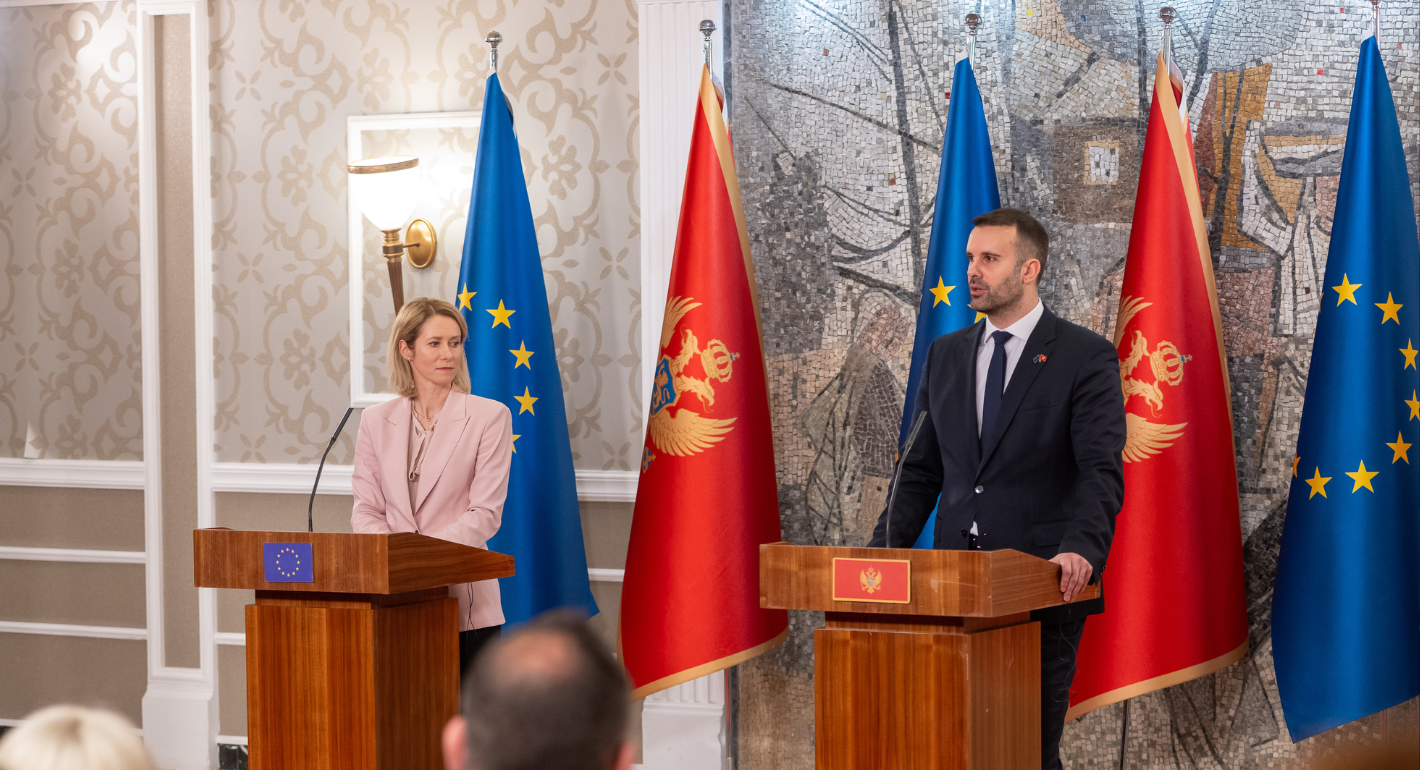
    How to Join the EU in Three Easy Steps

    Montenegro and Albania are frontrunners for EU enlargement in the Western Balkans, but they can’t just sit back and wait. To meet their 2030 accession ambitions, they must make a strong positive case.


      Dimitar Bechev, Iliriana Gjoni
  • flood wall
    Commentary
    Emissary
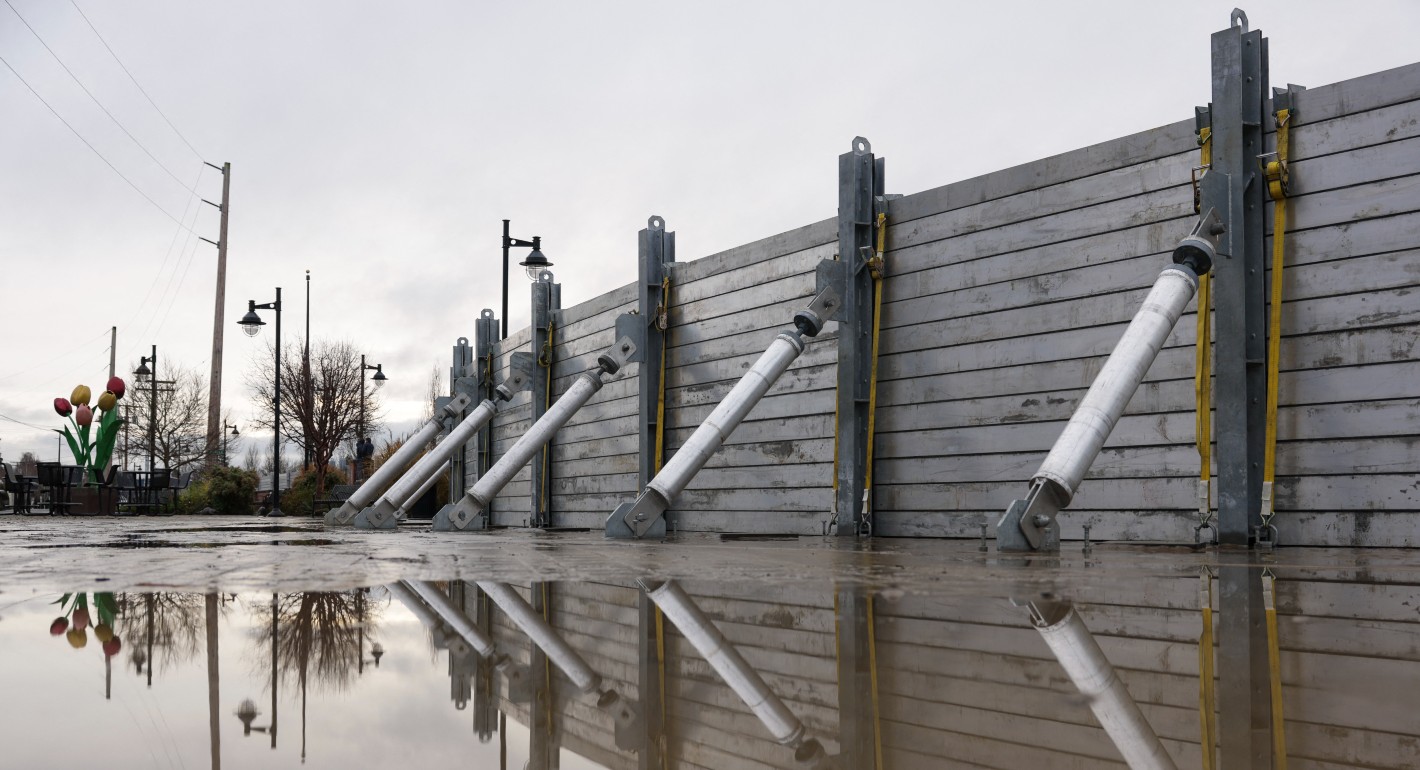
    BRIC Is Critical for U.S. National Security. After a Yearlong Legal Battle, It’s Back.

    Its reinstatement should be celebrated, but it retains some major shortcomings.

      Leonardo Martinez-Diaz
  • Article
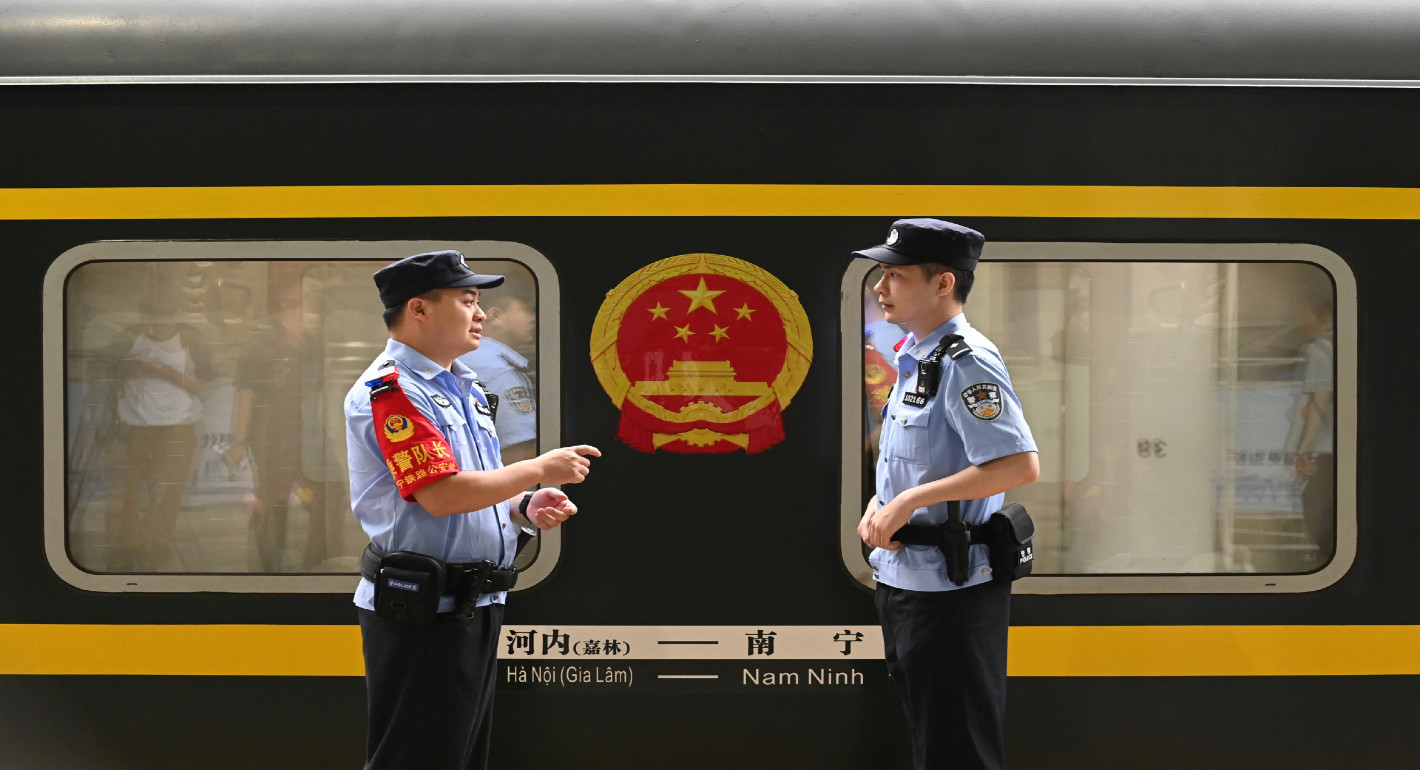
    Leveraging Internal Security Cooperation with Vietnam Offers a Glimpse of Future Chinese Diplomacy with Southeast Asia

    Despite long-standing differences, China and Vietnam are reinforcing common ground for collaboration, especially in public security. This internal security–centered diplomacy offers a strengthened road map for how China moves forward with Southeast Asia.

      Sophie Zhuang
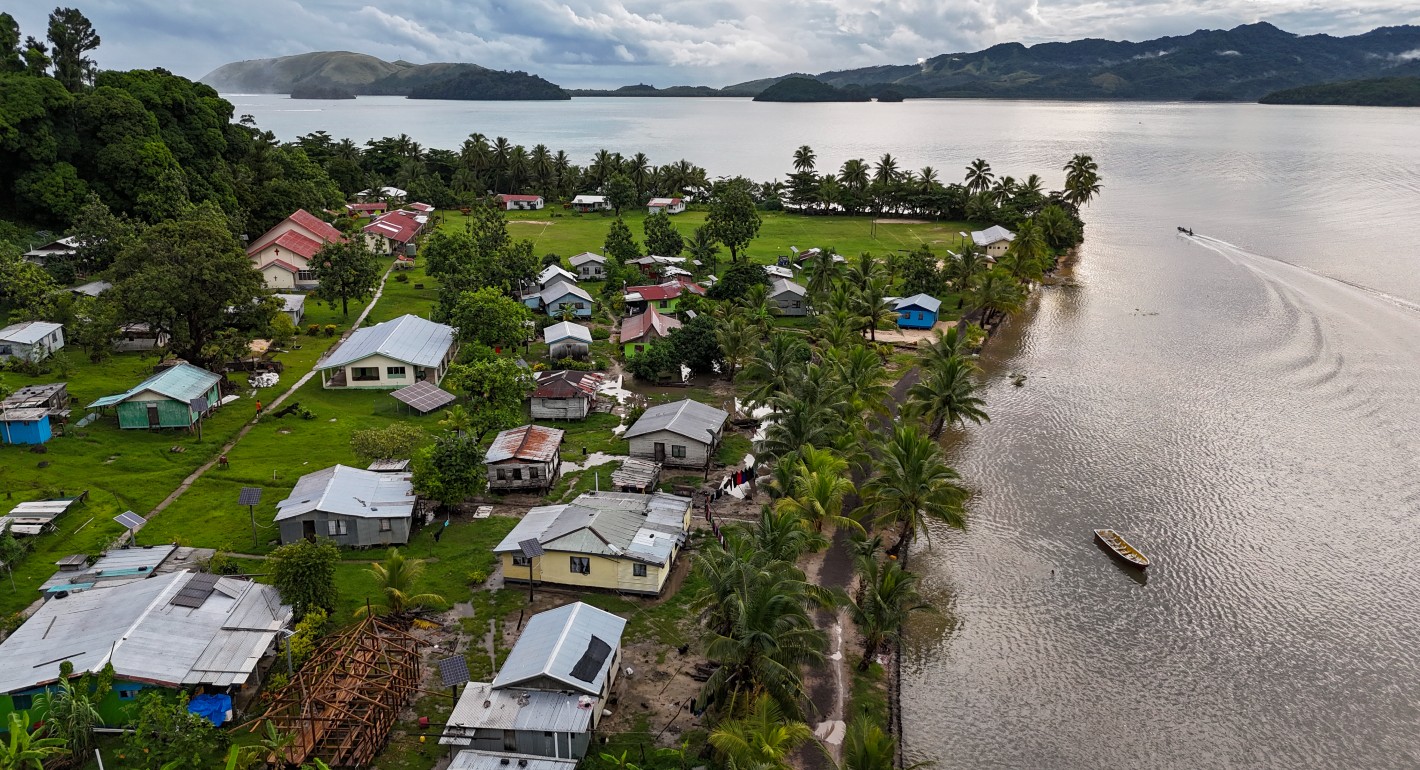
  • Aerial shot of island community
    Commentary
    One Year After the Great Aid Recession, Investments in Climate Mobility Offer Cost-Effective Returns

    Climate mobility interventions can vary, but they all present opportunities to unlock transformative results that mitigate costs associated with inaction.

      • Alejandro Rodriguez

      Alejandro Martin Rodriguez

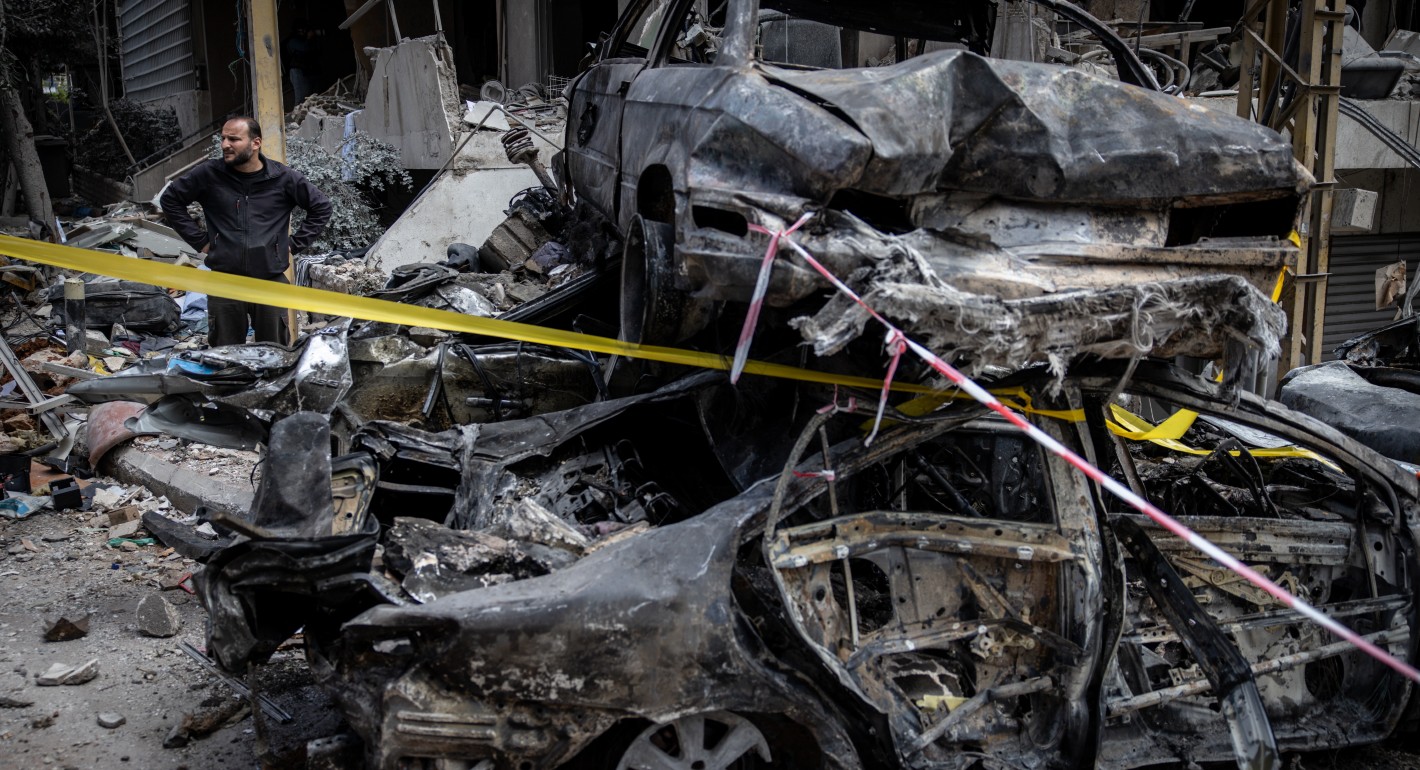
  • Man standing next to a pile of burned cars
    Commentary
    Emissary
    The Myriad Problems With the Iran Ceasefire

    Four Middle East experts analyze the region’s reactions and next steps.

      • Andrew Leber
      • Eric Lob
      • +1

      Amr Hamzawy, Andrew Leber, Eric Lob, …

Get more news and analysis from
Carnegie Endowment for International Peace
Carnegie global logo, stacked
1779 Massachusetts Avenue NWWashington, DC, 20036-2103Phone: 202 483 7600Fax: 202 483 1840
  • Research
  • Emissary
  • About
  • Experts
  • Donate
  • Programs
  • Events
  • Blogs
  • Podcasts
  • Contact
  • Annual Reports
  • Careers
  • Privacy
  • For Media
  • Government Resources
Get more news and analysis from
Carnegie Endowment for International Peace
© 2026 Carnegie Endowment for International Peace. All rights reserved.