Paper
Gilles Dorronsoro
{
  "authors": [
    "Gilles Dorronsoro"
  ],
  "type": "legacyinthemedia",
  "centerAffiliationAll": "dc",
  "centers": [
    "Carnegie Endowment for International Peace",
    "Carnegie Europe"
  ],
  "collections": [],
  "englishNewsletterAll": "ctw",
  "nonEnglishNewsletterAll": "",
  "primaryCenter": "Carnegie Endowment for International Peace",
  "programAffiliation": "SAP",
  "programs": [
    "South Asia"
  ],
  "projects": [],
  "regions": [
    "North America",
    "United States",
    "South Asia",
    "Afghanistan",
    "Asia"
  ],
  "topics": [
    "Security",
    "Military",
    "Foreign Policy"
  ]
}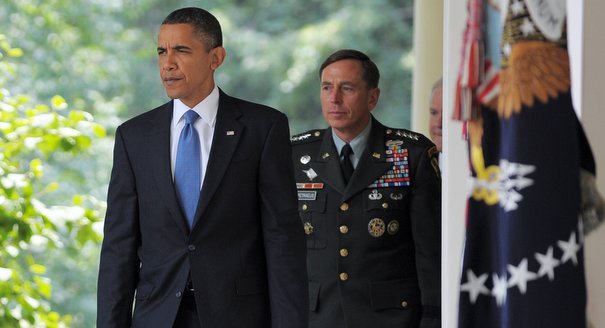
Source: Getty
The selection of General David Petraeus offers a window to analyze the grim realities in Afghanistan and start implementing the most effective way forward.
Source: The Washington Post

On the ground, the situation looks unwinnable, and the United States will not be able to reverse the trajectory of the war in the next year. America and its partners decided -- sensibly -- not to go through with a major military offensive in Kandahar this summer. Officials in the area are highly corrupt, there is little trust in government or judiciary, and there is virtually no chance for success without a reliable local partner.
With security and political stability across Afghanistan continuing to deteriorate, U.S. strategy needs to be rethought. The coalition faces the risk of an endless engagement with an unsustainable cost and intolerable loss of life that cannot be won militarily.
President Hamid Karzai is in decline and the Taliban is gaining strength, so Washington's best option is to begin negotiations with the Taliban. Patraeus should begin by scaling back military offensives and reducing coalition casualties. This winter the coalition should declare a cease-fire and start negotiating with the Taliban.
Without a military solution, negotiating with the Taliban is the only option. A negotiated agreement can pave the way for a unity government and hopefully stabilize the country. The arrival of Petraeus offers a window to analyze the grim realities and start implementing the most effective way forward.
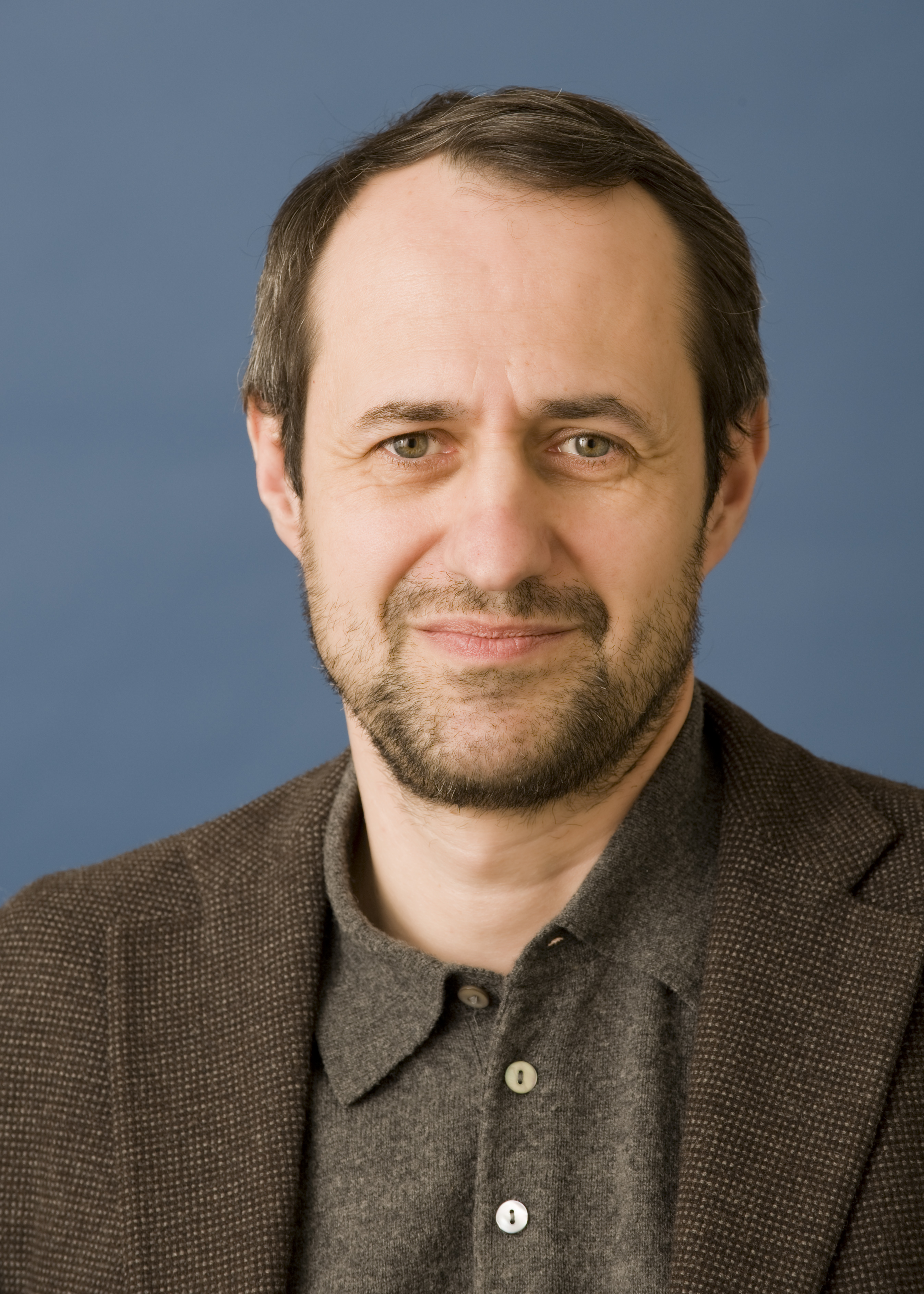
Former Nonresident Scholar, South Asia Program
Dorronsoro’s research focuses on security and political development in Afghanistan. He was a professor of political science at the Sorbonne in Paris and the Institute of Political Studies of Rennes.
Recent Work
Gilles Dorronsoro
Gilles Dorronsoro
Carnegie does not take institutional positions on public policy issues; the views represented herein are those of the author(s) and do not necessarily reflect the views of Carnegie, its staff, or its trustees.
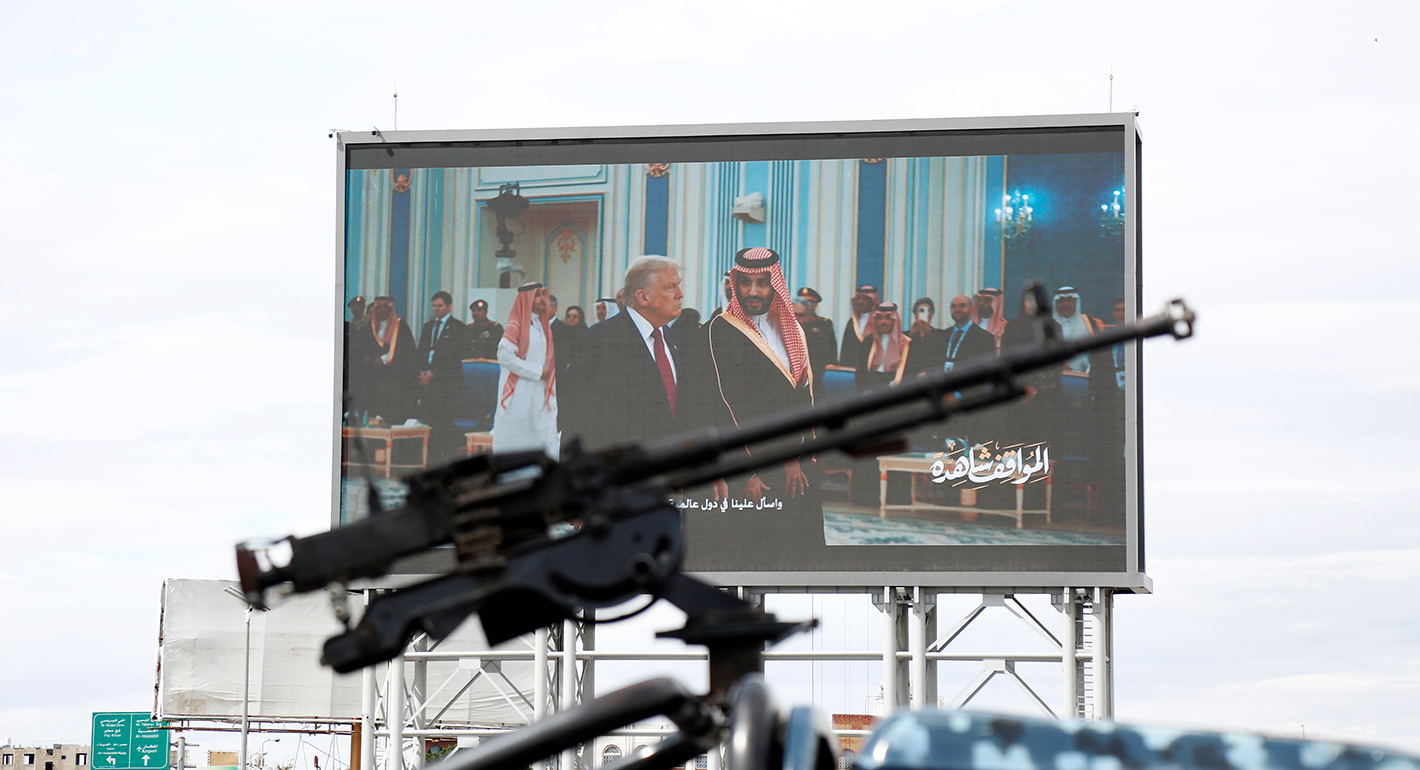
As the war between the United States, Israel, and Iran continues, Carnegie scholars contribute cutting-edge analysis on the events of the war and their wide-reaching implications. From the impact on Iran and its immediate neighbors to the responses from Gulf states to fuel and fertilizer shortages caused by the effective shutdown of the Strait of Hormuz, the war is reshaping Middle East alliances and creating shockwaves around the world. Carnegie experts analyze it all.
The return of war as the organizing factor in Middle Eastern politics has predictable consequences: governments are prioritizing regime stability and becoming averse to political and social reform.


Sarah Yerkes, Amr Hamzawy
Central Asia’s digital ambitions are achievable, but only if policy is aligned with the region’s physical constraints.

Aruzhan Meirkhanova
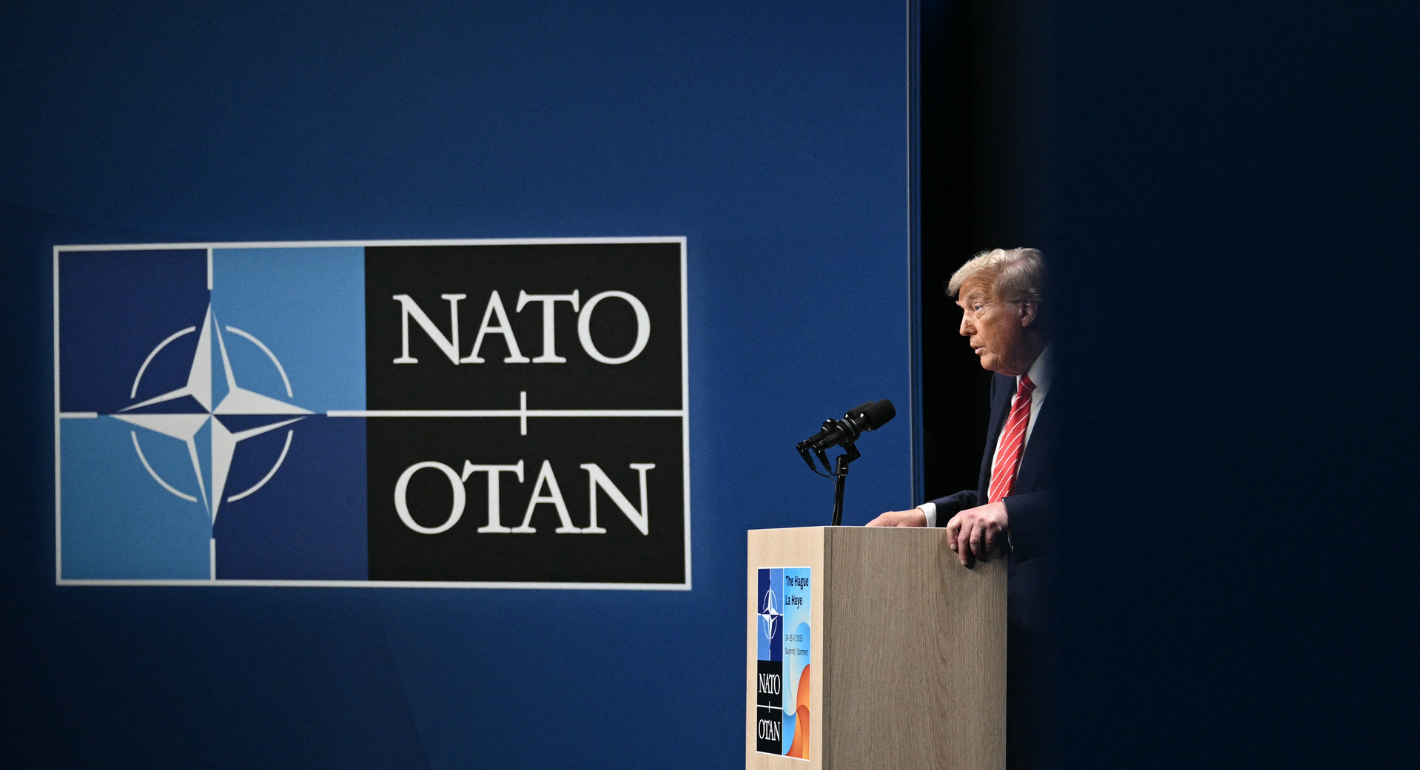
Donald Trump has repeatedly bashed NATO and European allies, threatening to annex Canada and Greenland and deploring their lack of enthusiasm for his war of choice in Iran. Is this latest round of abuse the final straw?

Rym Momtaz, ed.
The future looks bleak for independent media worldwide, but there is a robust infrastructure of knowledge, organizations, and people to build upon.

Daniel Sabet, Susan Abbott