Article
For Morocco, integrating gender into climate governance is not simply a matter of social justice. It is a strategic imperative for effective adaptation.
Fadwa Rajoauni

Source: Getty
The private sector has become the main driver of growth in the Middle East and North Africa, but more consistent and equitable regulations are needed to transform the region into a diversified, high-performance economy.
Once driven by the public sector, the economies of the Middle East and North Africa (MENA) now look to the private sector for growth. Private enterprises account for more than 80 percent of the region’s non-hydrocarbon value added. Increased openness and liberalization, as well as investment climate reforms, have enabled this transformation over the past two decades. Despite the private sector’s growing role, however, the low quality and weak implementation of reforms has limited their effect and the MENA countries have failed to transform into diversified, high-performing economies. To strengthen the private sector, the government should enact more consistent and equitable regulations, while entrepreneurs must play a larger role in developing and evaluating reforms.
Countries across the region have made considerable progress in reforming their investment climates in recent years. Egypt, for example, dramatically changed taxes, tariffs, and other key areas of government interaction with private investors and ranked among the top ten reformers in the World Bank’s Ease of Doing Business Index four times in the last five years as a result. Jordan carried out reforms in 6 of the 10 areas measured by the Index, and Saudi Arabia ascended to thirteenth out of the 183 economies evaluated. Morocco established a private credit bureau to facilitate access to finance; Tunisia strengthened investor protection and reduced customs processing delays by two days on average; and the UAE sped up its building permit process by putting it online.
Despite these reforms, MENA’s private sector is still lagging behind that of other high-performing regions in several important respects:

World Bank enterprise surveys show that 60 percent of business managers do not think that the rules and regulations, as they appear “on paper,” are applied consistently and predictably in MENA. The same surveys show that uncertainty about regulatory policy, unfair competition practices, and corruption significantly constrain business. Too many would-be entrepreneurs across the region still believe that the keys to success are connections or privilege—rather than creativity, persistence, and competitiveness—reducing the incentive to comply with regulation and the desire to invest.
Government Role
MENA needs a new generation of entrepreneurs to emerge and create dynamic firms that are efficient enough to export even advanced products. In order to achieve this, policy makers must show the new generation that business-friendly reforms benefit them as well—and not just the minority of privileged or connected individuals. Transparency, accountability, and quality of service in public agencies that interact with firms must be at the core of these reforms.
There are several instances of such successful reforms, including customs reform in Morocco and Tunisia, as well as Egypt’s General Authority for Investment (GAFI)—a one-stop-shop for investors. As a result of more transparent and computerized processes, strong incentives for staff to improve the quality of service, and limited points of interaction with public servants (and therefore limited opportunities for indiscretion), GAFI has reduced business registration delays in its Cairo office from 34 days to three days; streamlining also eliminated some 40 procedures. As a result, business registration has increased dramatically. To be sure, such institutional reforms will need to expand to other agencies for the full impact to be felt.
Private Sector Role
The private sector also has a responsibility—and an important role to play—within this agenda. Too often, its voice has been dominated by proponents of the status quo, who hope to maintain their privileges. But the world is changing. Already, a new generation of entrepreneurs is emerging in MENA, including a—so far—small number of educated women. The ability of this new generation to influence the future of reform will be crucial. To ensure that their voices are heard, the private sector needs to be better organized and more inclusive. It needs to be a stronger partner for governments in developing, implementing, and evaluating reforms.
Ritva Reinikka is the director of the World Bank’s Economic Development Group for the Middle East and North Africa Region.
Ritva Reinikka
World Bank
Carnegie does not take institutional positions on public policy issues; the views represented herein are those of the author(s) and do not necessarily reflect the views of Carnegie, its staff, or its trustees.
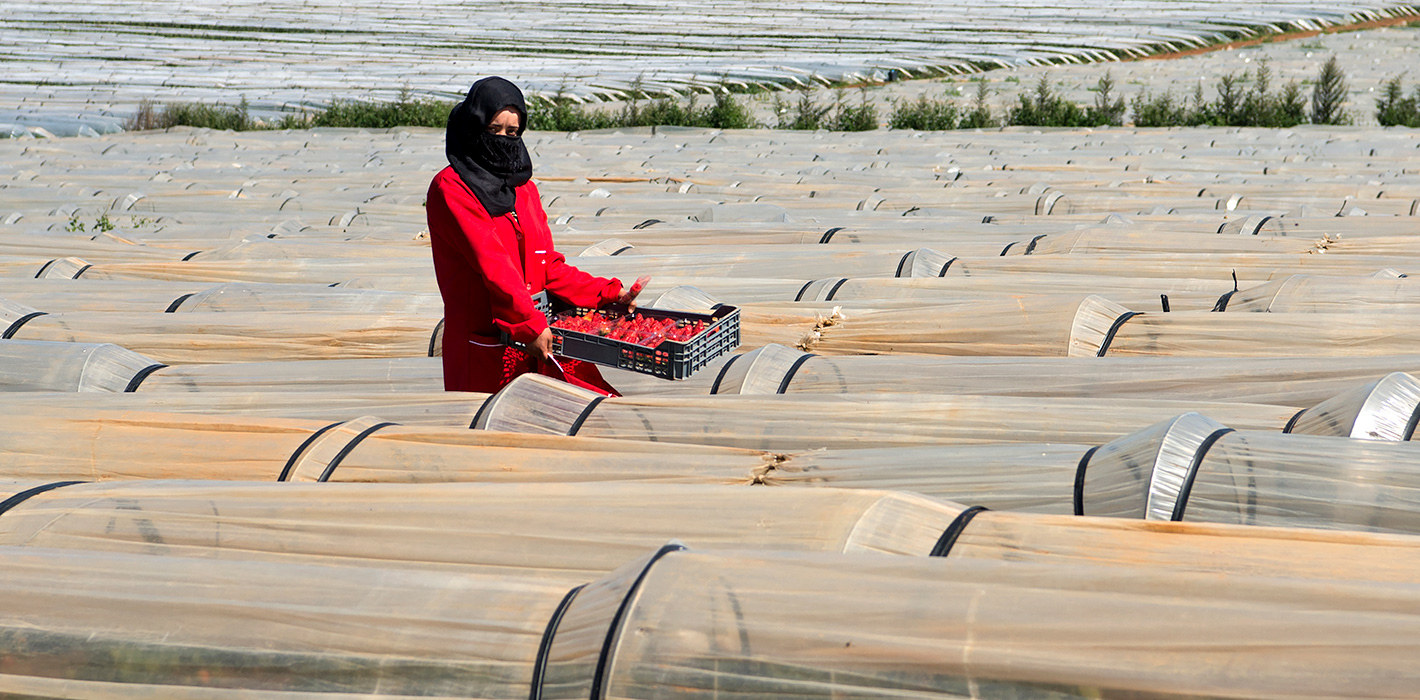
For Morocco, integrating gender into climate governance is not simply a matter of social justice. It is a strategic imperative for effective adaptation.
Fadwa Rajoauni

Four Middle East experts analyze the region’s reactions and next steps.



Amr Hamzawy, Andrew Leber, Eric Lob, …

As the war between the United States, Israel, and Iran continues, Carnegie scholars contribute cutting-edge analysis on the events of the war and their wide-reaching implications. From the impact on Iran and its immediate neighbors to the responses from Gulf states to fuel and fertilizer shortages caused by the effective shutdown of the Strait of Hormuz, the war is reshaping Middle East alliances and creating shockwaves around the world. Carnegie experts analyze it all.
The return of war as the organizing factor in Middle Eastern politics has predictable consequences: governments are prioritizing regime stability and becoming averse to political and social reform.

Sarah Yerkes, Amr Hamzawy
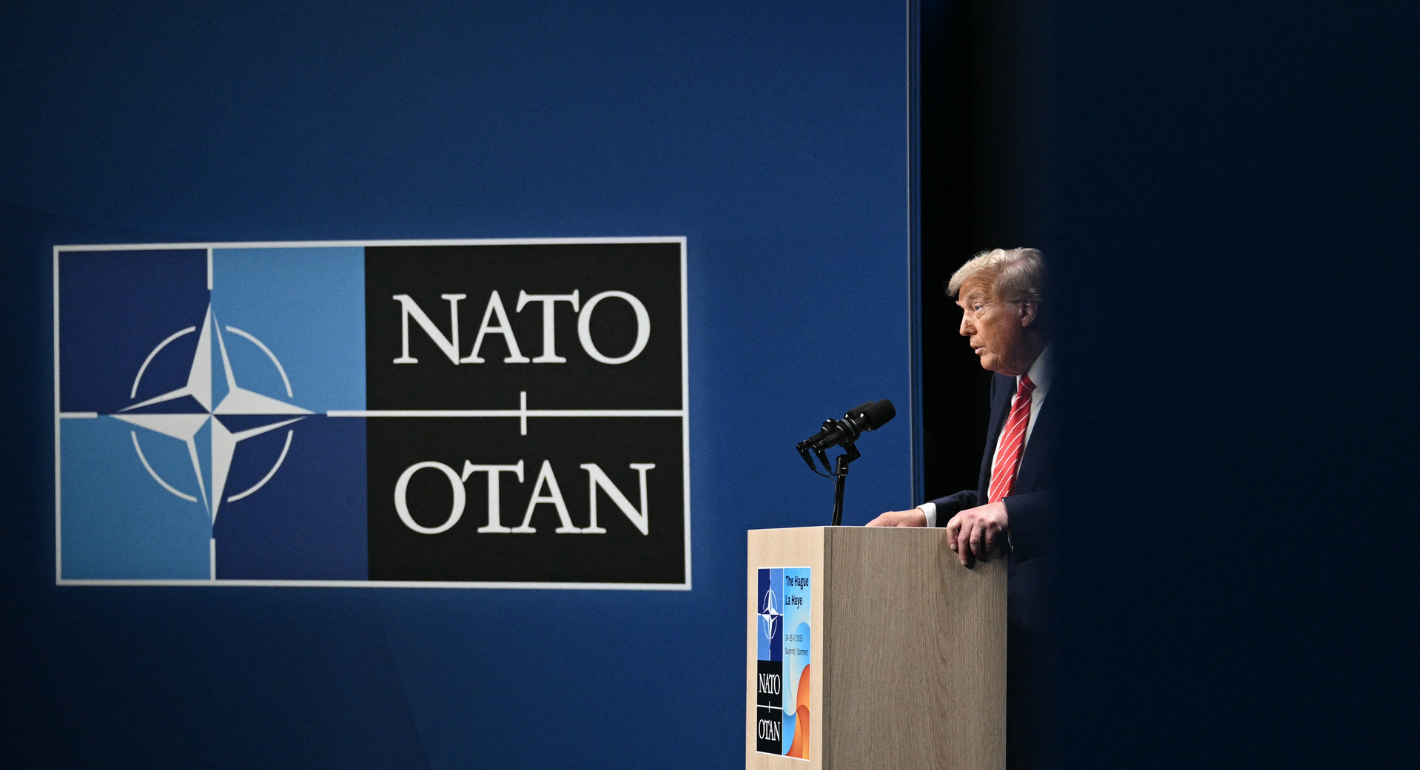
Donald Trump has repeatedly bashed NATO and European allies, threatening to annex Canada and Greenland and deploring their lack of enthusiasm for his war of choice in Iran. Is this latest round of abuse the final straw?

Rym Momtaz, ed.