

Commentary
Despite having the resources and expertise, the Russian space industry missed the opportunity to offer the United States or China a mutually rewarding partnership in the lunar race.
Georgy Trishkin
{
  "authors": [],
  "type": "pressRelease",
  "centerAffiliationAll": "dc",
  "centers": [
    "Carnegie Endowment for International Peace"
  ],
  "collections": [],
  "englishNewsletterAll": "ctw",
  "nonEnglishNewsletterAll": "",
  "primaryCenter": "Carnegie Endowment for International Peace",
  "programAffiliation": "russia",
  "programs": [
    "Russia and Eurasia"
  ],
  "projects": [],
  "regions": [
    "Caucasus",
    "Russia"
  ],
  "topics": []
}
REQUIRED IMAGE
The Arctic is emerging as the world’s next hot spot for oil and gas development. As the melting ice cap opens new shipping lanes and makes it easier to access strategic energy reserves, countries are racing to gain control over the Arctic’s abundant natural resources. In a report, Dmitri Trenin and Pavel Baev offer a view from Moscow on what the opening of the Arctic means.
MOSCOW—The Arctic is emerging as the world’s next hot spot for oil and gas development. As the melting ice cap opens new shipping lanes and makes it easier to access strategic energy reserves, countries are racing to gain control over the Arctic’s abundant natural resources.
In a report, Dmitri Trenin and Pavel Baev offer a view from Moscow on what the opening of the Arctic means. While there is a strong desire to compete over the resources in order to meet increasing energy demands, Trenin and Baev argue that all countries—with Russia in a leading role—can benefit more through cooperation.
“As countries around the globe continue to rely on a dwindling number of oil and gas reserves to serve their energy needs, the Arctic territory—parts of which remain unclaimed—will continue to be an area of intense geopolitical interest,” Trenin and Baev write. “Russia’s role in fostering either goodwill or rivalry will have implications for countries far from the Arctic’s icy waters.”
NOTES
Click here to read the full report.
Dmitri Trenin, director of the Carnegie Moscow Center, has been with the Center since its inception. He retired from the Russian Army in 1993. From 1993-1997, Trenin held posts as a Senior Research Fellow at the NATO Defense College in Rome and a Senior Research Fellow at the Institute of Europe in Moscow. He served in the Soviet and Russian armed forces from 1972 to 1993, including experience working as a liaison officer in the External Relations Branch of the Group of Soviet Forces (stationed in Potsdam) and as a staff member of the delegation to the U.S.-Soviet nuclear arms talks in Geneva from 1985 to 1991. He also taught at the war studies department of the Military Institute from 1986 to 1993.
The Carnegie Russia and Eurasia Program has, since the end of the Cold War, led the field on Eurasian security, including strategic nuclear weapons and nonproliferation, development, economic and social issues, governance, and the rule of law.
Press Contact: Kendra Galante, 202-939-2289, pressoffice@ceip.org
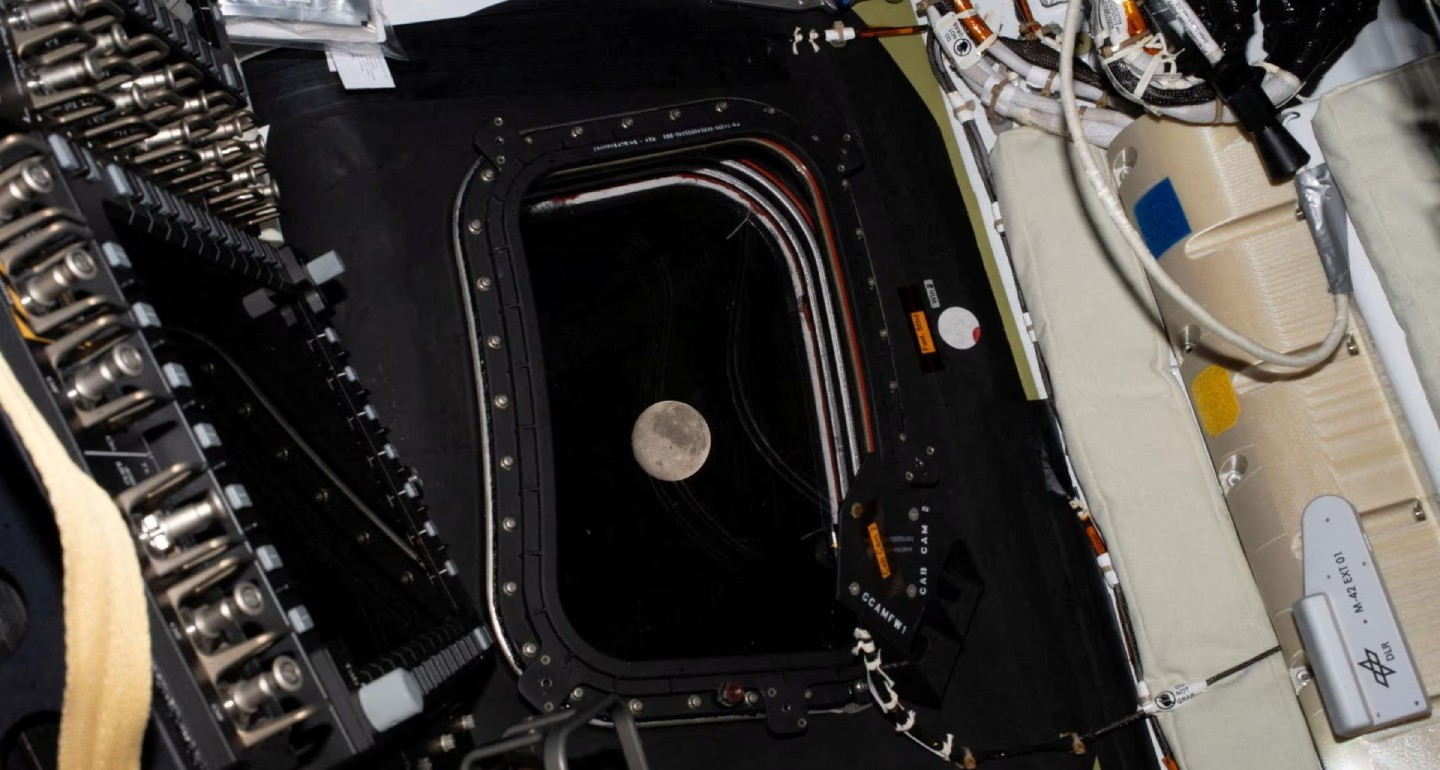
Despite having the resources and expertise, the Russian space industry missed the opportunity to offer the United States or China a mutually rewarding partnership in the lunar race.
Georgy Trishkin
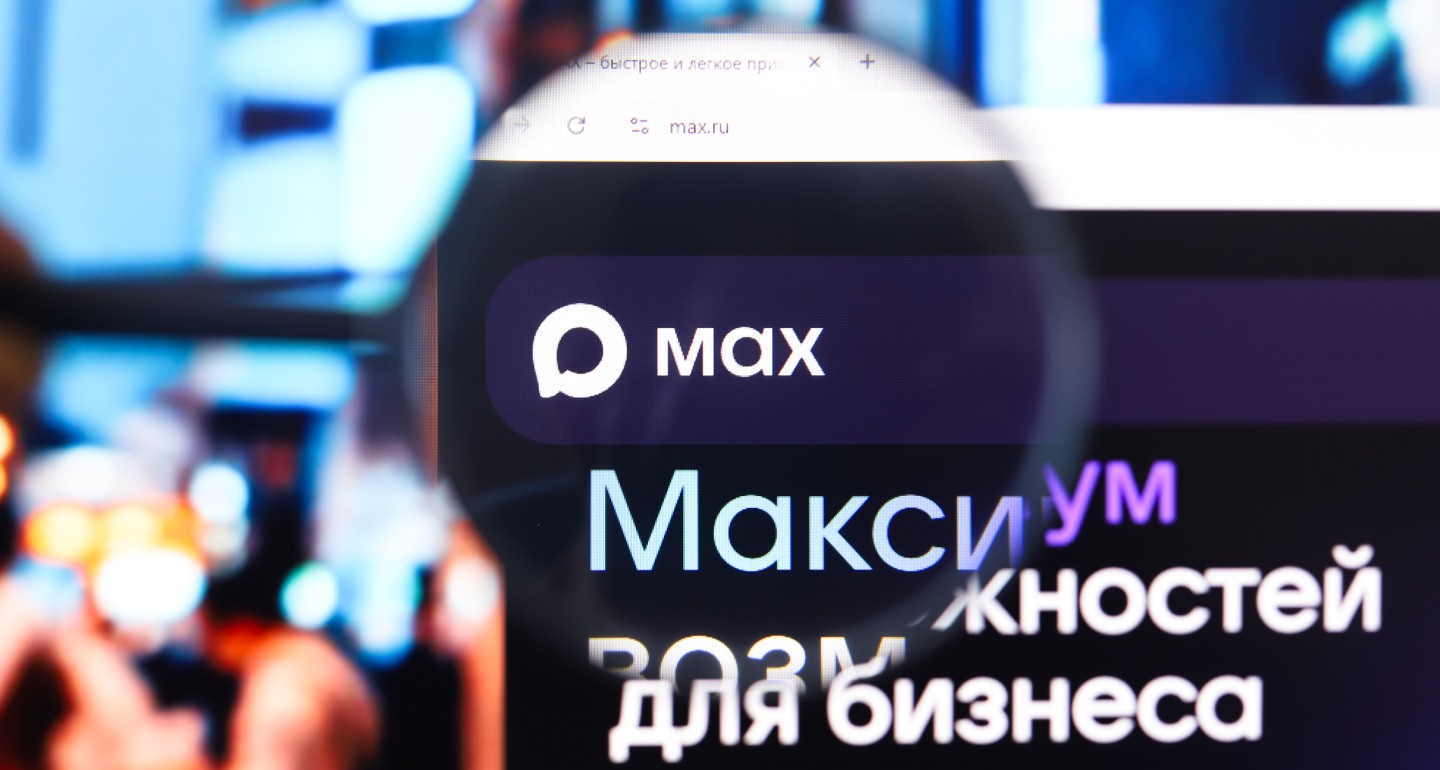
The internet is awash not only with instructions from digital security experts, but also with urban legends and conspiracy theories that divert attention away from the real dangers of Max.

David Frenkel
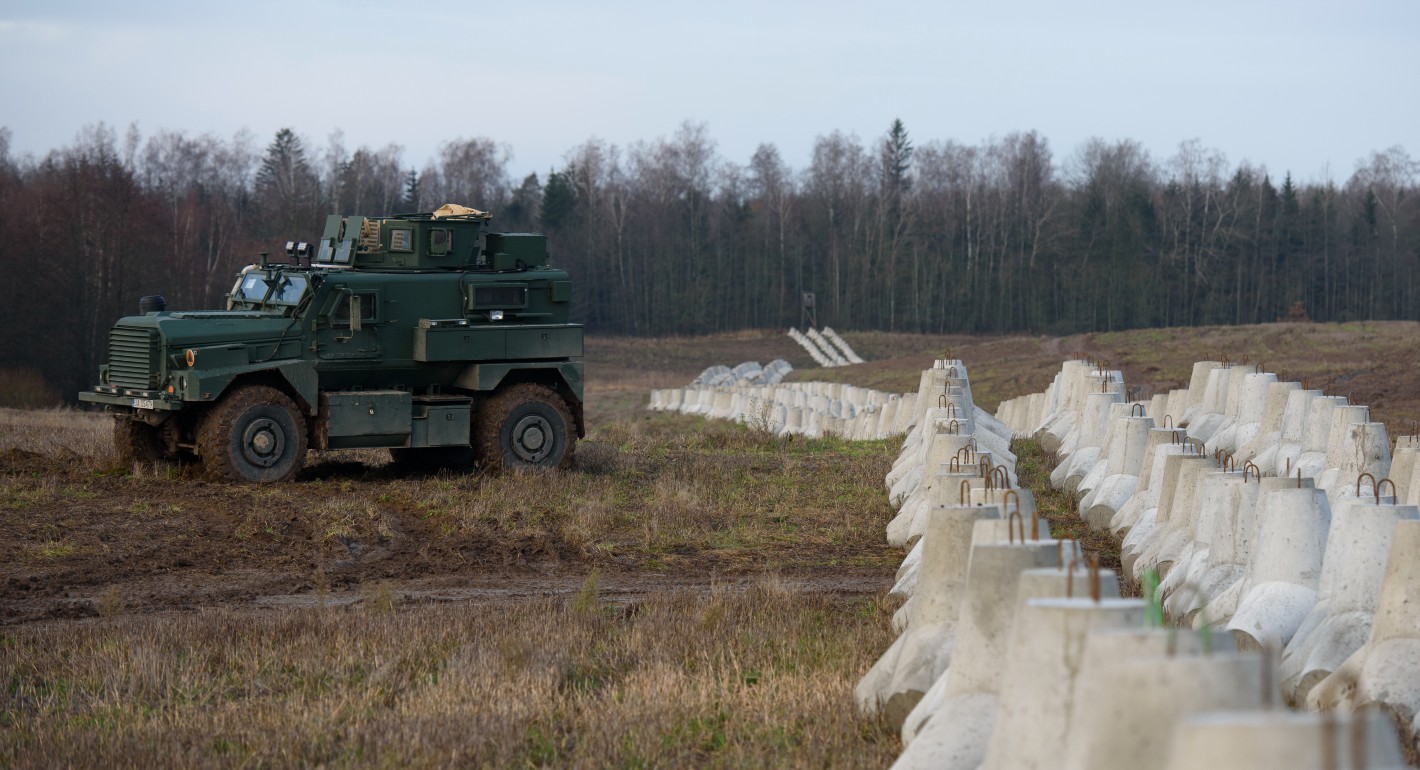
Putin’s blunder has created new and enduring security challenges for Russia and Europe.
Eugene Rumer

The prospect of a total block on Russia’s most popular messaging app has sparked disagreement between the regime’s political managers and its security agencies.

Andrey Pertsev
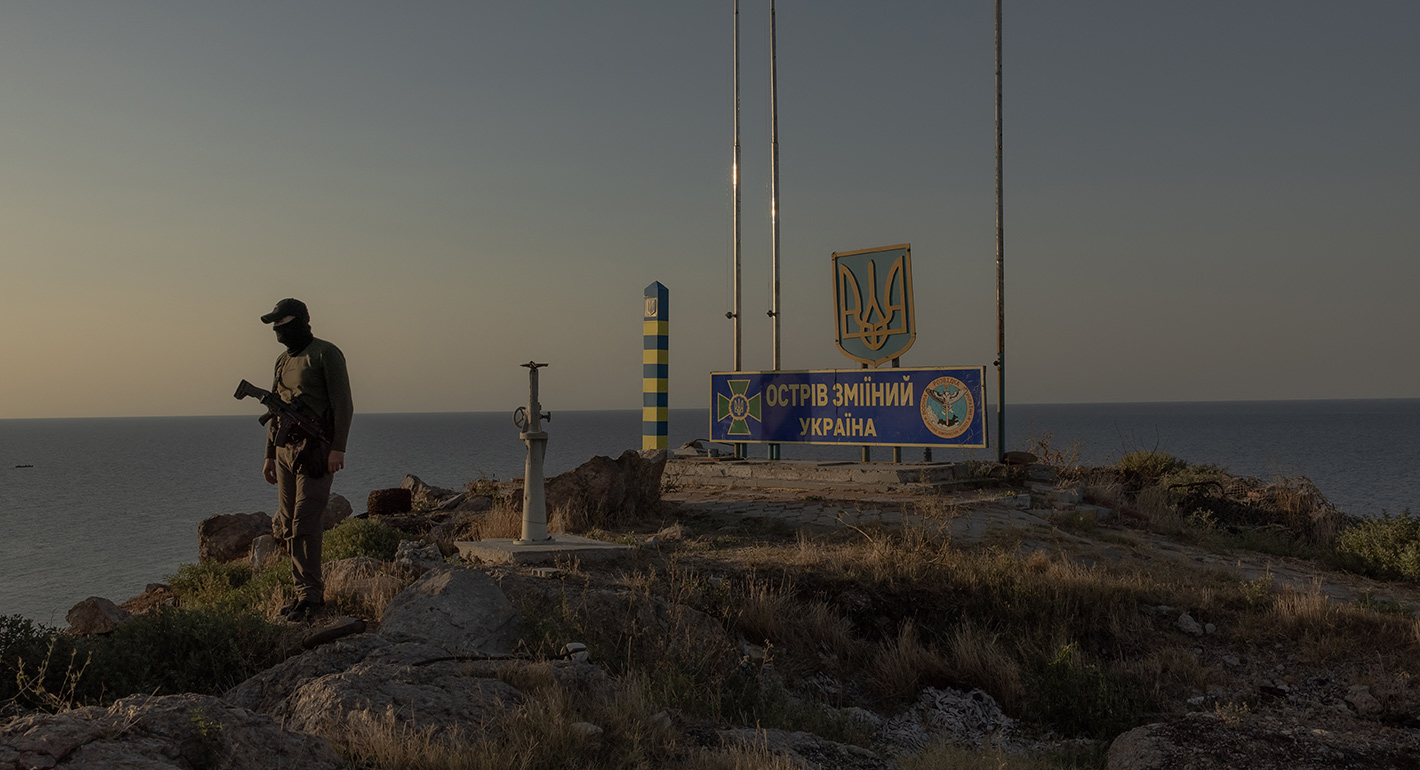
Ukraine’s asymmetric approach has rendered Russia’s Black Sea Fleet functionally useless. But a long-term commitment will be needed to maintain this balance of power.
Alina Frolova, Stepan Yakymiak