Paper
Gilles Dorronsoro
{
  "authors": [
    "Gilles Dorronsoro"
  ],
  "type": "legacyinthemedia",
  "centerAffiliationAll": "dc",
  "centers": [
    "Carnegie Endowment for International Peace",
    "Carnegie Europe",
    "Carnegie Russia Eurasia Center"
  ],
  "collections": [],
  "englishNewsletterAll": "ctw",
  "nonEnglishNewsletterAll": "",
  "primaryCenter": "Carnegie Endowment for International Peace",
  "programAffiliation": "SAP",
  "programs": [
    "South Asia"
  ],
  "projects": [
    "Eurasia in Transition"
  ],
  "regions": [
    "South Asia",
    "Afghanistan",
    "Asia"
  ],
  "topics": [
    "Security",
    "Military",
    "Foreign Policy"
  ]
}
Source: Getty
Negotiating with the Taliban now, when concessions are still possible, is the best hope for securing protections for the Afghan people, putting Afghanistan on the path towards a new constitution, and ending the coalition’s failing military strategy.
Source: Politico

The realities of the war should dictate a political approach. But Washington’s false hope for future success—drawing erroneous parallels with the Iraqi surge, for example—prevents it from making the right decision. With no military solution at hand, the only option is to start talking with the insurgents. Waiting is only likely to diminish any chance of success.
The current counterinsurgency campaign shows little signs of accomplishing its mission. The surge is not enough to reverse the Taliban’s gains, or the quick decline of the Karzai government. Pakistan’s lack of support makes the Taliban sanctuary there a major strategic problem.
More troops and the latest strategy have failed to make progress. The war is not conclusive in the south — where stabilization could take years—and the Taliban is gaining momentum in the north.
Instead of being able to begin a withdrawal next summer, the United States could be forced to add more troops just to hold ground and compensate for our allies’ progressive withdrawal. Never mind turning back the Taliban’s gains.
As the Taliban increases its sway across the country, it will be less open to negotiating. Far from using the surge to break the Taliban’s resolve, and reintegrating them into the Afghan forces, the insurgents are likely to make fewer concessions as time goes by.
The Obama administration should use the December strategic review of the war to reverse course. It’s time to start talking.
To start, the Western coalition should propose a cease-fire this winter. This break in fighting would allow negotiations to begin. Instead of including all players, the talks should first include only the United States (representing the coalition), the Taliban, members of the Afghan government and Pakistani military.
Some argue that negotiations should exclusively go through President Hamid Karzai— but he is no longer a reliable partner. It would not be a good idea to let Karzai and his entourage take charge of negotiations. The United States must be at the table to protect its own interests in Afghanistan: the removal of Al Qaeda operatives and its camps.
Involving Pakistan could be contentious. But the talks are unlikely to succeed otherwise. The West can here use the Pakistani military’s links to the Taliban to its advantage -- rather than pushing ineffectively for Islamabad to sever the connections. If Pakistan loses its influence over the Taliban now, it will be at the expense of the United States.
The importance of involving Pakistan was evident in February, when Abdul Ghani Baradar, the Taliban’s operational commander and second-ranking official under Mullah Muhammad Omar, was arrested in Karachi. The Western press first heralded this as a sign of Islamabad’s new-found resolve against terrorism and the Taliban. In fact, his arrest was carried out to end secret contacts between Baradar and Kabul that had sidelined Pakistan.
What are sure to be long and fraught negotiations will need to accomplish two things. First, a coalition government that includes Taliban leaders needs to be agreed to and put in place. This is likely to help Afghans begin finding compromises on a series of issues -- notably a new constitution.
Second, the parties also need to establish security guarantees for the West and India. Jihadist groups must not be allowed to use Afghanistan as a base.
As talks move forward, the number of foreign troops that remain in the country will need to be discussed. Ideally, there could be an agreement to keep a few thousand coalition troops, to strike radical groups looking to come back to Afghanistan.
After a broad-based coalition government is in place, a larger international conference involving all the key players in Afghanistan—including India, Iran and Saudi Arabia—could help bring in political backing and financial support for the new rulers.
Making a deal with the Taliban is not ideal -- particularly with the group’s dismal human rights record. But negotiating now—when concessions are still possible—is the best hope for securing protections for the Afghan people, particularly women and religious and ethnic minorities.
Talking is the best path forward. If the United States starts now, it can work. Washington cannot afford—in lives or in treasure—to devote more time to a failing military strategy in Afghanistan. The longer Washington delays, the stronger the Taliban is likely to become.
Now’s the time to act.

Former Nonresident Scholar, South Asia Program
Dorronsoro’s research focuses on security and political development in Afghanistan. He was a professor of political science at the Sorbonne in Paris and the Institute of Political Studies of Rennes.
Recent Work
Gilles Dorronsoro
Gilles Dorronsoro
Carnegie does not take institutional positions on public policy issues; the views represented herein are those of the author(s) and do not necessarily reflect the views of Carnegie, its staff, or its trustees.
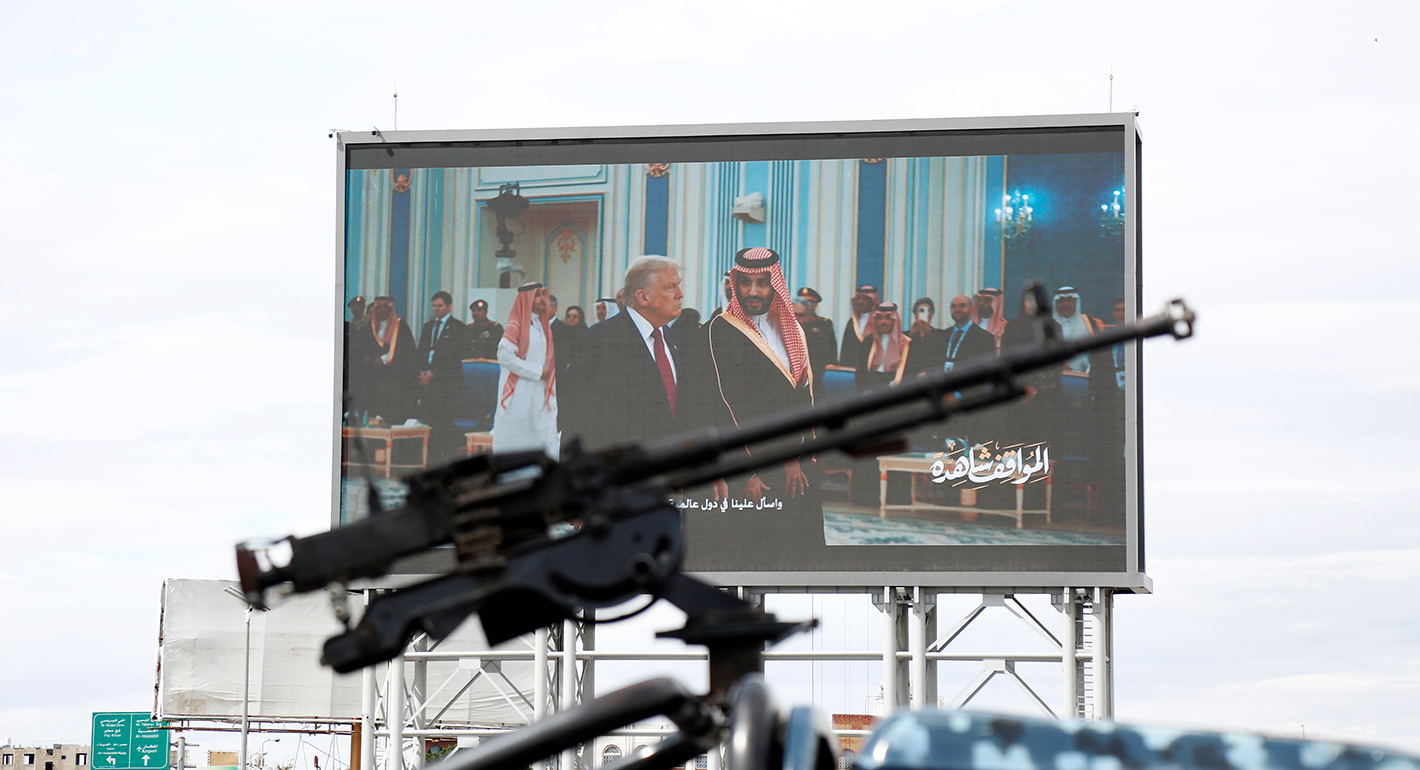
As the war between the United States, Israel, and Iran continues, Carnegie scholars contribute cutting-edge analysis on the events of the war and their wide-reaching implications. From the impact on Iran and its immediate neighbors to the responses from Gulf states to fuel and fertilizer shortages caused by the effective shutdown of the Strait of Hormuz, the war is reshaping Middle East alliances and creating shockwaves around the world. Carnegie experts analyze it all.
The return of war as the organizing factor in Middle Eastern politics has predictable consequences: governments are prioritizing regime stability and becoming averse to political and social reform.


Sarah Yerkes, Amr Hamzawy

Central Asia’s digital ambitions are achievable, but only if policy is aligned with the region’s physical constraints.

Aruzhan Meirkhanova
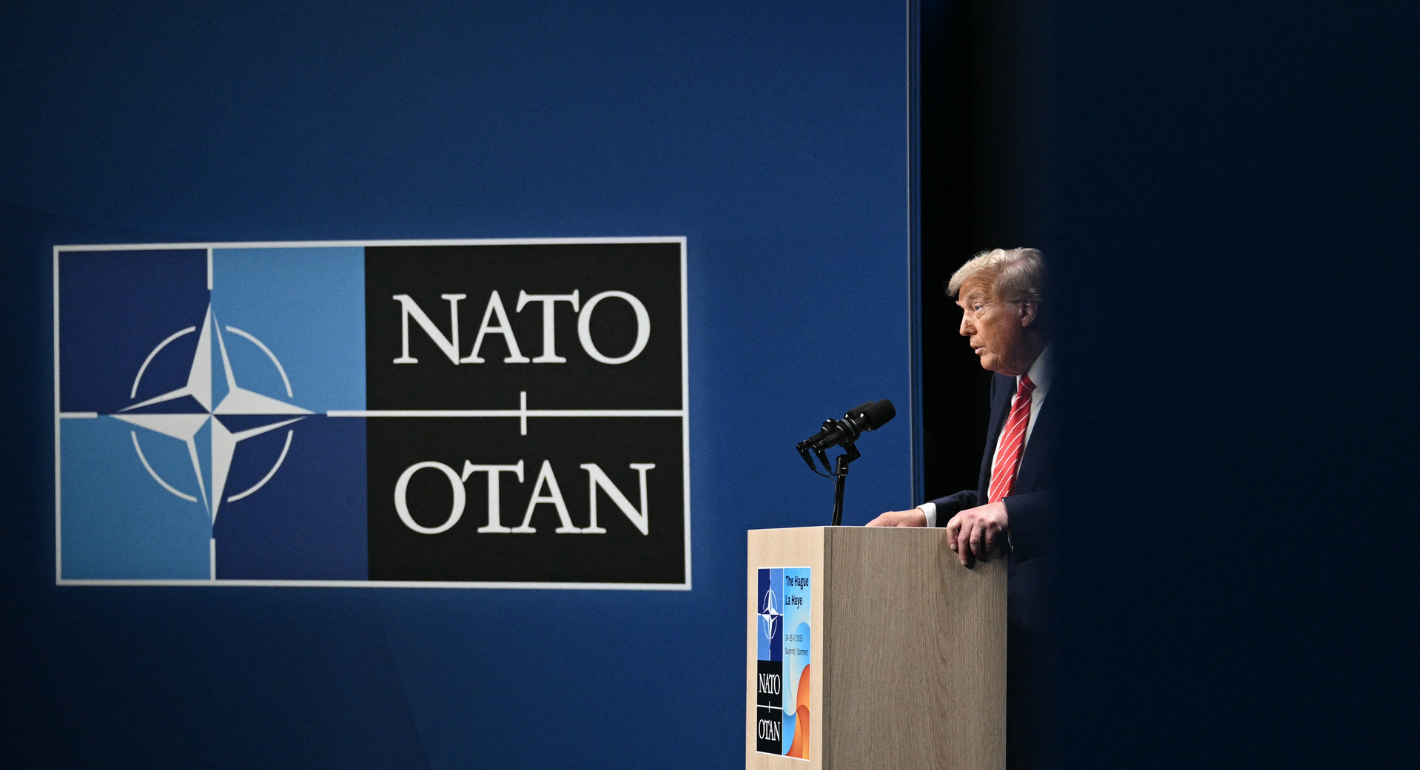
Donald Trump has repeatedly bashed NATO and European allies, threatening to annex Canada and Greenland and deploring their lack of enthusiasm for his war of choice in Iran. Is this latest round of abuse the final straw?

Rym Momtaz, ed.

Why the Iran ceasefire isn’t a quick fix to the Strait of Hormuz energy crisis.


Helima Croft, Aaron David Miller