

Article
Thailand is no longer safe for regional activists; neither are Cambodia, Laos, or Vietnam for Thai dissidents who had typically sought refuge in those countries.
Janjira Sombatpoonsiri
{
  "authors": [],
  "type": "pressRelease",
  "centerAffiliationAll": "",
  "centers": [
    "Carnegie Endowment for International Peace"
  ],
  "collections": [],
  "englishNewsletterAll": "",
  "nonEnglishNewsletterAll": "",
  "primaryCenter": "Carnegie Endowment for International Peace",
  "programAffiliation": "",
  "programs": [],
  "projects": [],
  "regions": [
    "Southeast Asia"
  ],
  "topics": []
}
REQUIRED IMAGE
Vikram Nehru, chief economist for East Asia and the Pacific at the World Bank, is joining the Carnegie Endowment for International Peace this summer as a senior associate focused on the economic, political, and strategic issues confronting Asia, particularly South East Asia.
WASHINGTON—Vikram Nehru, chief economist for East Asia and the Pacific at the World Bank, is joining the Carnegie Endowment for International Peace this summer as a senior associate focused on the economic, political, and strategic issues confronting Asia, particularly South East Asia.
Making the announcement, Douglas Paal, vice president for studies at the Carnegie Endowment, said:
“I am delighted that Vikram has chosen to bring his longstanding expertise on economic and governance issues in South East Asia to Carnegie. For years, governments throughout East Asia and the Pacific have turned to Vikram for his highly regarded analysis and advice on economic development, governance, and poverty reduction issues. Carnegie is fortunate that someone of his caliber—who combines top-quality academic scholarship, real-world experience developing workable solutions, and strong relationships with leaders throughout South East Asia—has joined.”
Nehru added:
“I look forward to collaborating with Carnegie’s world-class team of experts on Asia. The emerging countries in East Asia and the Pacific face many challenges and opportunities as they transition from a developing region to a global economic powerhouse in the twenty-first century. Carnegie offers a perfect home to study and help shape the region’s development during this very exciting time.”
ABOUT
Vikram Nehru, the World Bank's chief economist for East Asia and the Pacific, will join the Carnegie Endowment as a senior associate in the Asia Program. An expert on development economics, growth, poverty reduction, debt sustainability, governance, and the performance and prospects of East Asia, his research focuses on the economic, political, and strategic issues confronting Asia, particularly South East Asia.
Nehru has served in the World Bank since 1981, including in a number of senior management positions. He is currently the chief economist and director for poverty reduction, economic management, and private and financial sector development for East Asia and the Pacific. In this capacity, he advises the governments of developing countries in East Asia and the Pacific on economic and governance issues, including macroeconomic management, public sector and public financial management, financial and private sector development, and poverty reduction.
Previously, he directed the World Bank’s economic policy and debt department, where he was responsible for managing global programs for debt relief and for developing new tools and techniques for growth analytics, fiscal policy analysis, subnational and regional development, and small states development. In addition, he chaired the Bank’s Economic Policy Sector Board, which provided strategic leadership for all of its country and macro-economists.
In leading the Bank’s debt department, Nehru managed the Bank’s Heavily Indebted Poor Countries (HIPC) Initiative, the Multilateral Debt Relief Initiative (MDRI), the Debt Sustainability Framework (DSF), the Debt Reduction Facility (DRF), the Debt Management Facility (DMF), the Debt Management Performance Assessment Program (DEMPA), and Medium Term Debt Strategies for Developing Countries.
His portfolio at the World Bank also includes serving as lead economist on Indonesia and China, as well as senior economist for Ghana. Prior to joining the Bank, he held an administrative position with the Government of India.
Nehru has written numerous journal articles and contributed to several books. His papers include: “East Asia and the Pacific Confronts the ‘New Normal’”; “The Concept of Odious Debt: Some Considerations”; “When is External Debt Sustainable?”; “Indonesia in Crisis”; and “China 2020: Development Challenges in the New Century.”
Carnegie does not take institutional positions on public policy issues; the views represented herein are those of the author(s) and do not necessarily reflect the views of Carnegie, its staff, or its trustees.
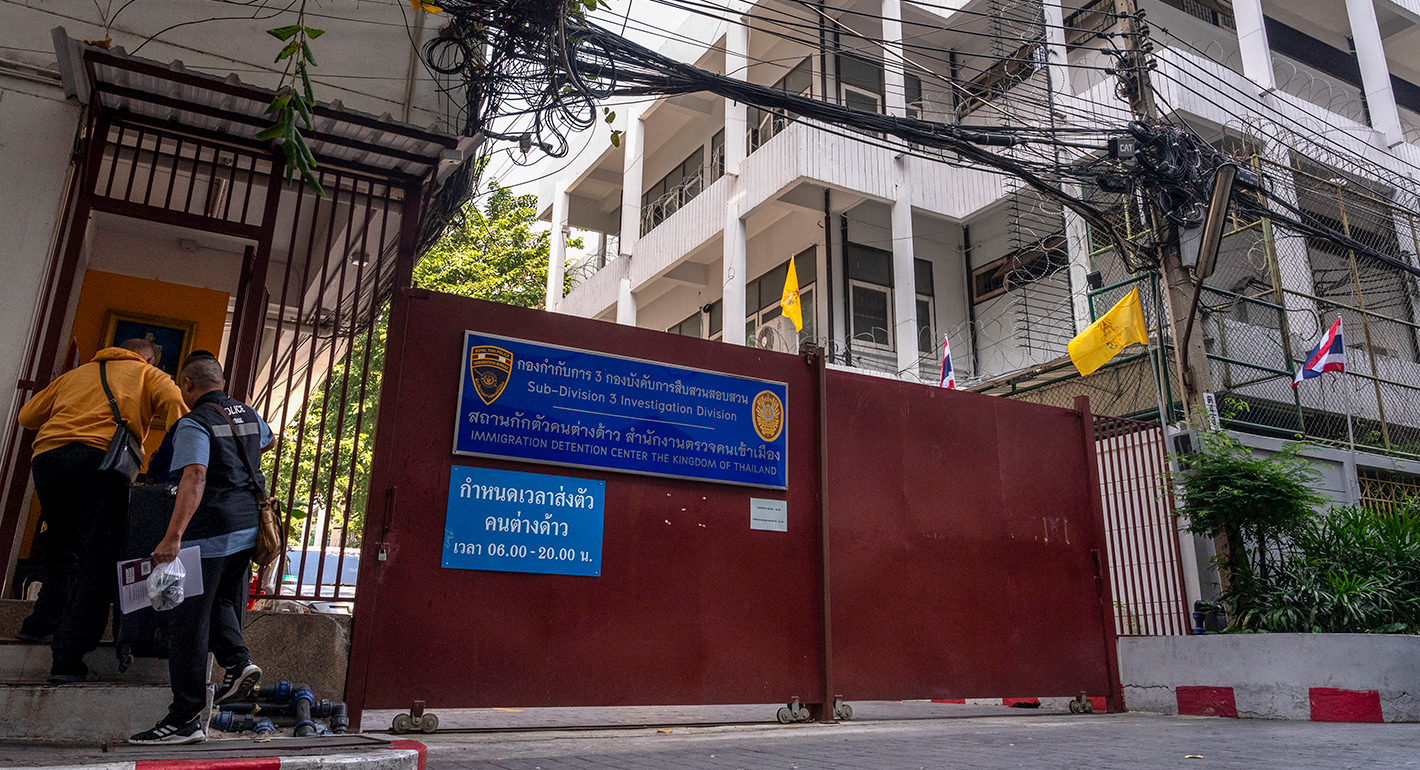
Thailand is no longer safe for regional activists; neither are Cambodia, Laos, or Vietnam for Thai dissidents who had typically sought refuge in those countries.

Janjira Sombatpoonsiri

Russia looks set to reap economic benefits from closer ties with Southeast Asian countries that are keen to find reliable energy suppliers and diversify trade ties.

Alexander Gabuev
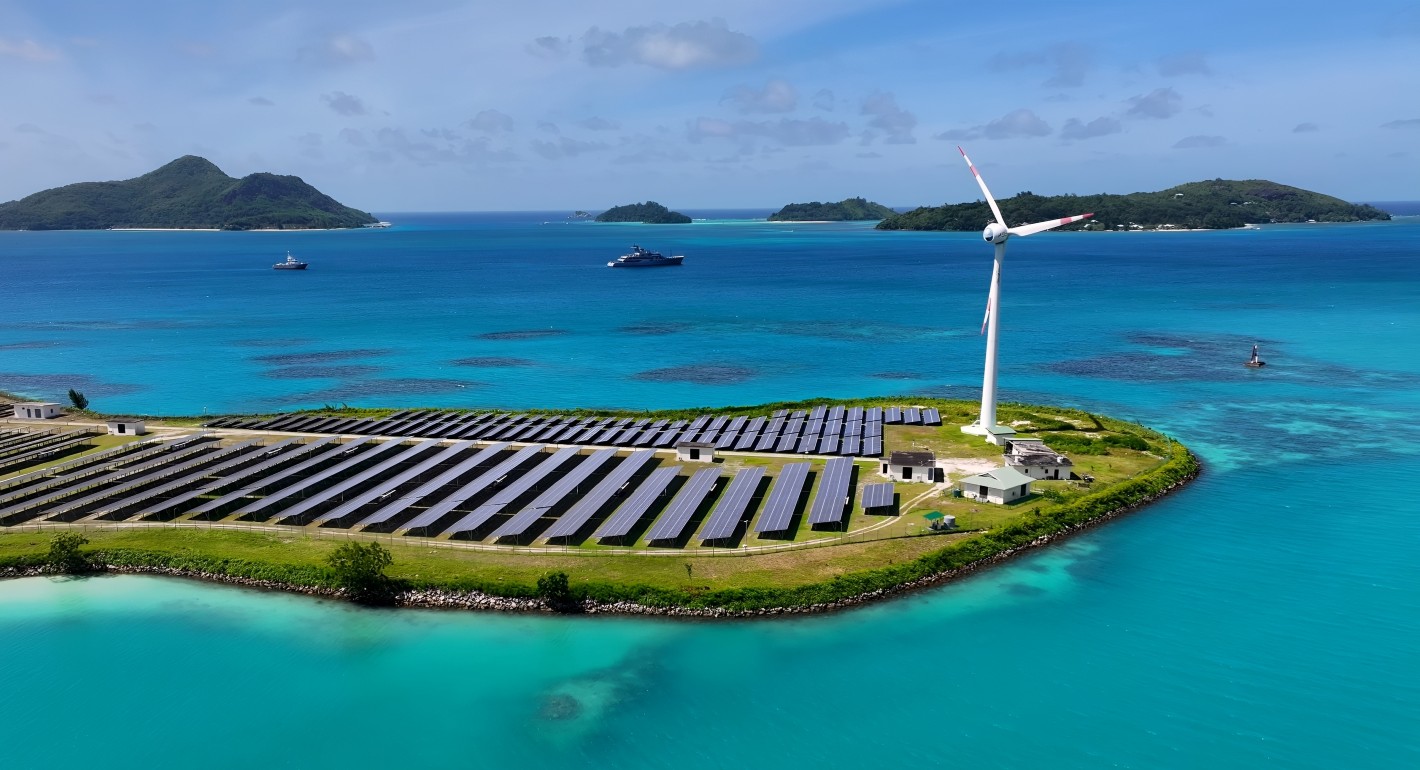
China’s central bank swap lines could help developing world leaders drive their energy transition—if they harness conditionality to protect their interests.
Ebipere K. Clark

U.S. unpredictability has allowed China to capitalize on its positioning as the “responsible great power”. Paradoxically, the more China wins the perception game, the more likely expectations will rise for Beijing to deliver not just words but to demonstrate with its deeds.

Chong Ja Ian

Hanoi and Beijing have long treated each other as distant cousins rather than comrades in arms. That might be changing as both sides draw closer to hedge against uncertainty and America’s erratic behavior.

Nguyễn Khắc Giang