• Research
  • Emissary
  • About
  • Experts
Carnegie Global logoCarnegie lettermark logo
DemocracyIran
  • Donate
{
  "authors": [],
  "type": "pressRelease",
  "centerAffiliationAll": "",
  "centers": [
    "Carnegie Endowment for International Peace",
    "Carnegie Europe",
    "Carnegie China"
  ],
  "collections": [
    "China’s Foreign Relations",
    "U.S.-China Relations"
  ],
  "englishNewsletterAll": "",
  "nonEnglishNewsletterAll": "",
  "primaryCenter": "Carnegie Endowment for International Peace",
  "programAffiliation": "",
  "programs": [],
  "projects": [],
  "regions": [
    "North America",
    "South America",
    "Southern, Eastern, and Western Africa",
    "South Asia",
    "India",
    "East Asia",
    "China",
    "Caucasus",
    "Asia",
    "Russia"
  ],
  "topics": [
    "Economy",
    "Trade"
  ]
}

Source: Getty

Press Release

Juggernaut: How Emerging Markets Are Reshaping Globalization

In Juggernaut, Uri Dadush and William Shaw explore the rise of developing countries and how they will reshape the economic landscape.

Link Copied
Published on May 31, 2011

Against the long sweep of economic history, the current moment is special. Living standards advanced so rapidly and across so many countries over the last decade that it is difficult to think of parallels—even the deepest recession since the Great Depression did not halt progress.

In Juggernaut, Uri Dadush and William Shaw explore the rise of developing countries and how they will reshape the economic landscape. Dadush and Shaw project that the global economy will more than triple over the next forty years and the advance of a large group of developing countries—home to most of the world's population but seen as supplicants rather than trendsetters less than a generation ago—will drive this improvement. The authors systematically examine the effects of this seismic shift on the main avenues of globalization—trade, finance, migration, and the global commons—and identify the policy options available to leaders in managing the transformation.

In the years to come, the rise of emerging economies will likely enhance prosperity but also create great tensions that could slow the process or even stop it in its tracks. Juggernaut calls for leadership by the largest countries in managing these tensions, and underscores the need to cultivate a "global conscience."

NOTES

Click here to purchase the book

Uri Dadush is a senior associate at the Carnegie Endowment for International Peace. He previously served as the director of global prospects, director of international trade, and director of economic policy at the World Bank. He was also president of the Economist Intelligence Unit and a consultant at McKinsey and Company.

William Shaw is a visiting scholar at the Carnegie Endowment. He previously served as lead economist in the World Bank research department and was the main author or co-author of several of the institution's flagship reports. He is a consultant to the World Bank, the African Development Bank, and other organizations.

The Carnegie International Economics Program monitors and analyzes short- and long-term trends in the global economy, including macroeconomic developments, trade, commodities, and capital flows, and draws out policy implications. The current focus of the Program is the global financial crisis and the policy issues raised. Among other research, the Program examines the ramifications of the rising weight of developing countries in the global economy.

Press Contact: Karly Schledwitz, +1 202 939 2233, pressoffice@ceip.org

EconomyTradeNorth AmericaSouth AmericaSouthern, Eastern, and Western AfricaSouth AsiaIndiaEast AsiaChinaCaucasusAsiaRussia

Carnegie does not take institutional positions on public policy issues; the views represented herein are those of the author(s) and do not necessarily reflect the views of Carnegie, its staff, or its trustees.

More Work from Carnegie Endowment for International Peace

  • Article
    India’s Oil Security Strategy: Structural Vulnerabilities and Strategic Choices

    This piece argues that the present Indian strategy, based on opportunistic diversification and utilization of limited strategic reserves, remains inadequate when confronting supply disruptions. It evaluates India’s options in the short, medium, and long terms.

      Vrinda Sahai

  • Article
    Leveraging Internal Security Cooperation with Vietnam Offers a Glimpse of Future Chinese Diplomacy with Southeast Asia

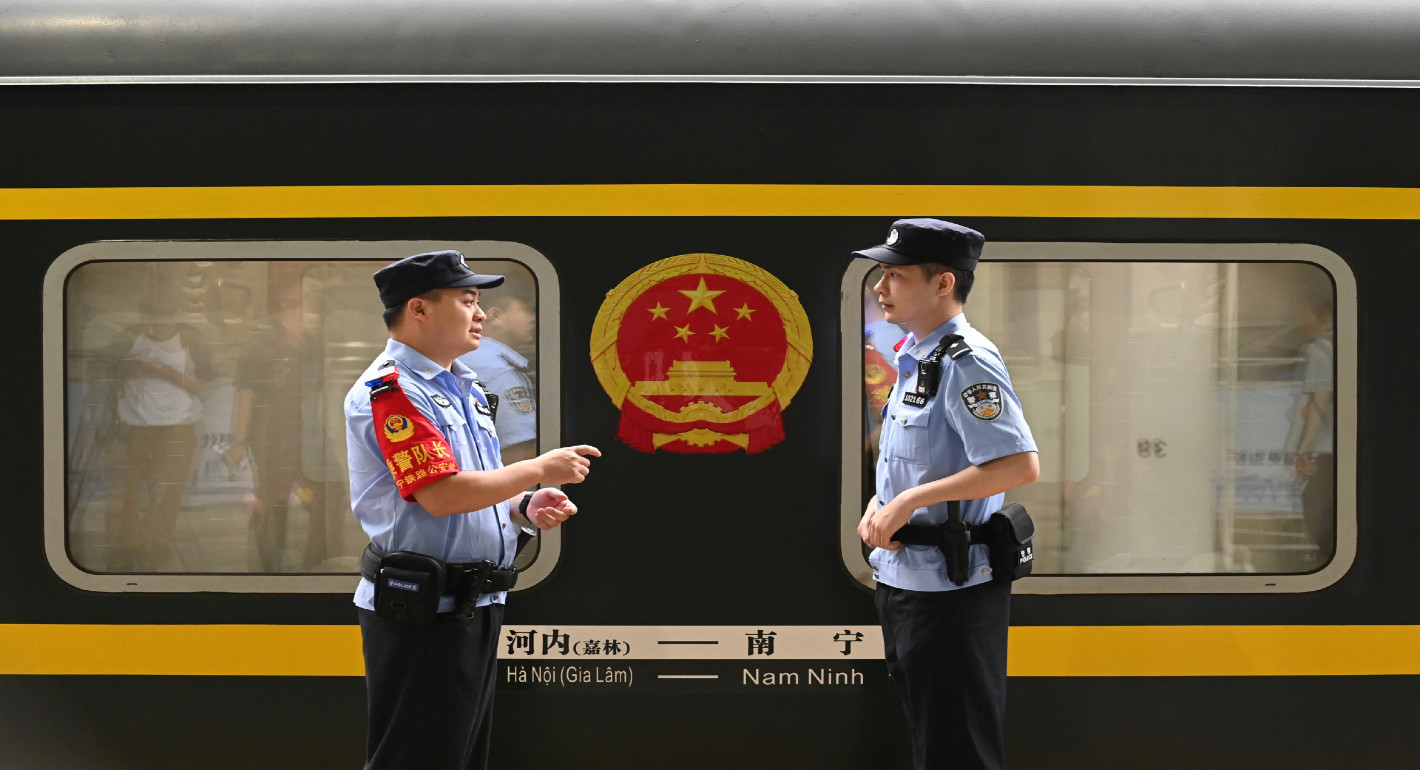
    Despite long-standing differences, China and Vietnam are reinforcing common ground for collaboration, especially in public security. This internal security–centered diplomacy offers a strengthened road map for how China moves forward with Southeast Asia.

      Sophie Zhuang

  • Commentary
    Carnegie Politika
    Is There a Place for Russia in the New Race Back to the Moon?

    Despite having the resources and expertise, the Russian space industry missed the opportunity to offer the United States or China a mutually rewarding partnership in the lunar race.

      Georgy Trishkin

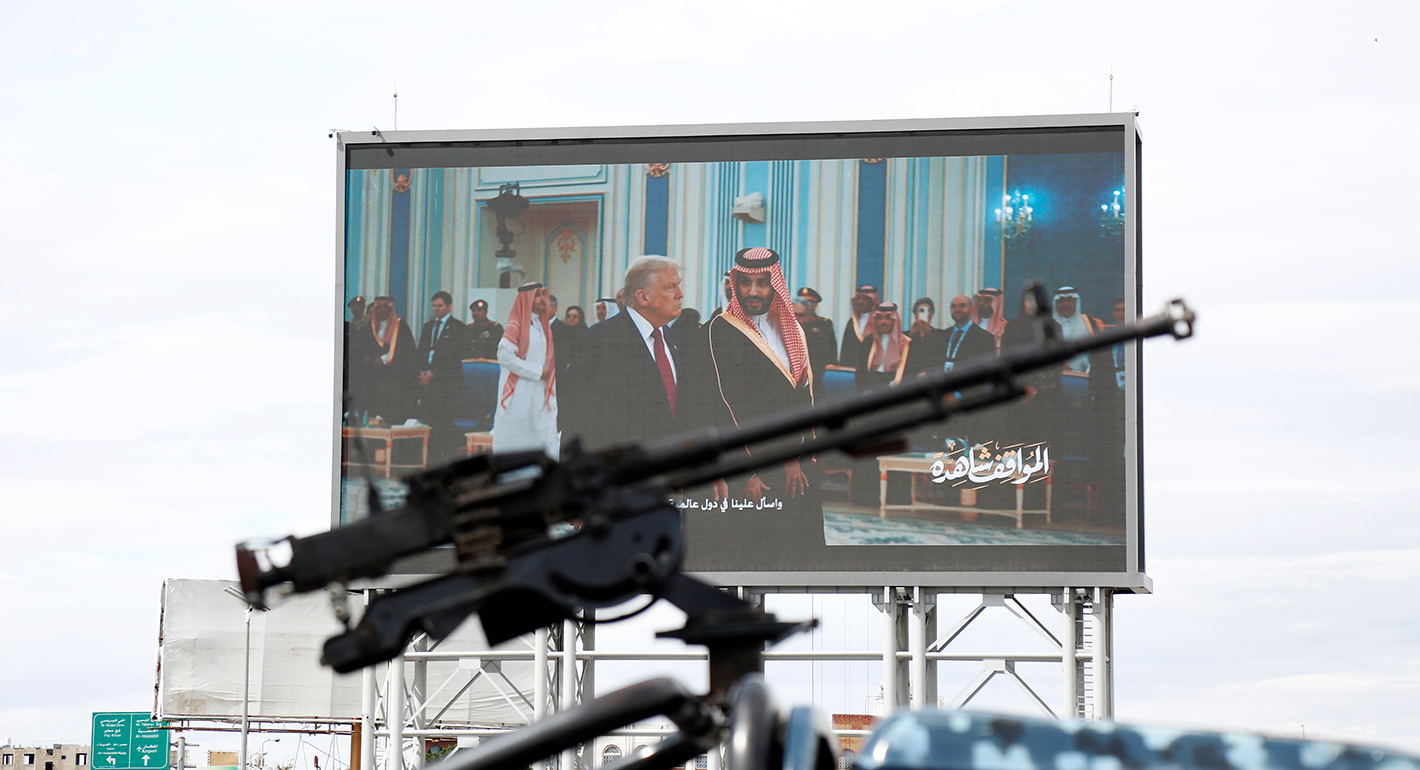
  •  A machine gun of a Houthi soldier mounted on a police vehicle next to a billboard depicting the U.S. president Donald Trump and Mohammed Bin Salman, the Crown Prince and Prime Minister of Saudi Arabia, during a protest staged to show support to Iran against the U.S.-Israel war on March 27, 2026 in Sana'a, Yemen.
    Collection
    The Iran War’s Global Reach

    As the war between the United States, Israel, and Iran continues, Carnegie scholars contribute cutting-edge analysis on the events of the war and their wide-reaching implications. From the impact on Iran and its immediate neighbors to the responses from Gulf states to fuel and fertilizer shortages caused by the effective shutdown of the Strait of Hormuz, the war is reshaping Middle East alliances and creating shockwaves around the world. Carnegie experts analyze it all.

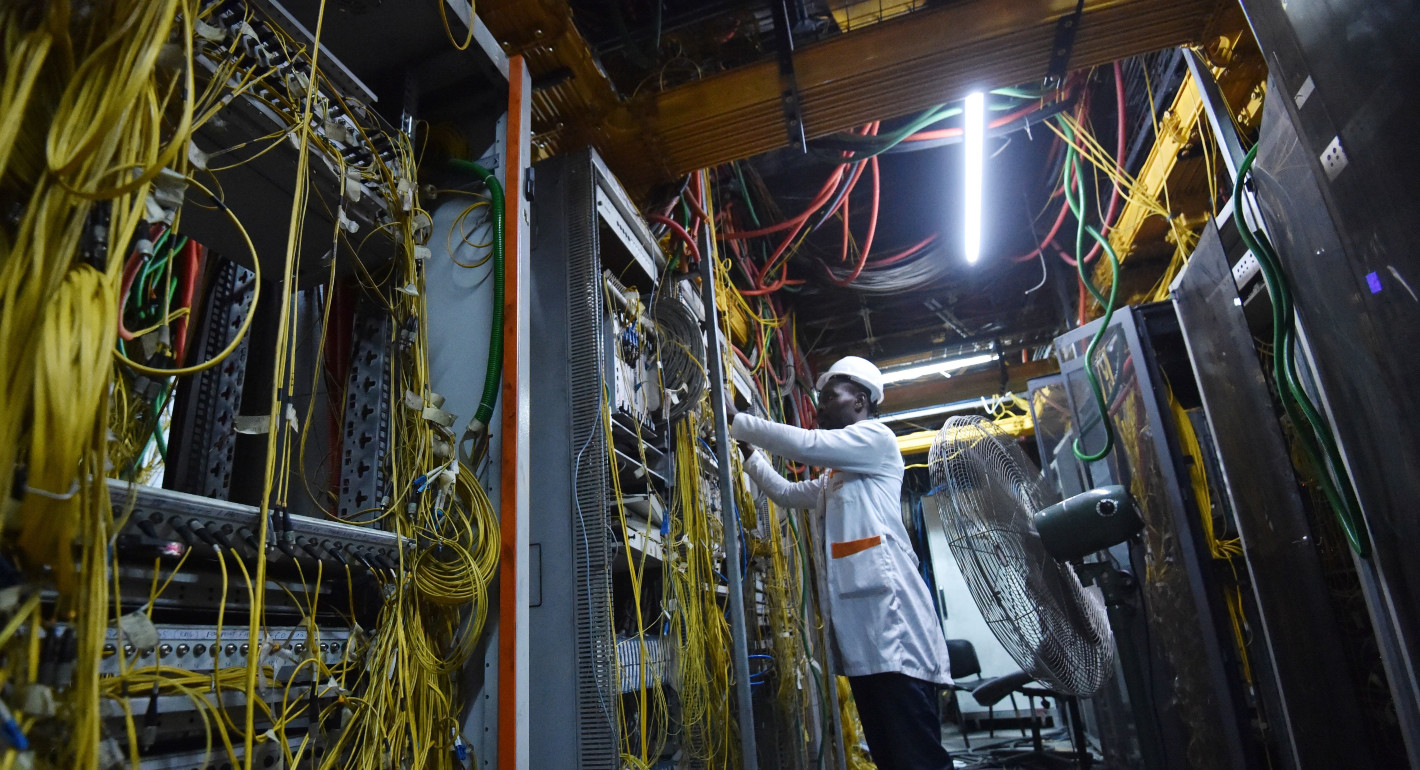
  • Photo of a man conducting repairs in a technical center, surrounded by wires.
    Article
    Africa’s Digital Infrastructure Imperative

    The Africa Technology Policy Tracker reveals policymakers’ priorities for the continent’s digital transformation.

      Jane Munga

Get more news and analysis from
Carnegie Endowment for International Peace
Carnegie global logo, stacked
1779 Massachusetts Avenue NWWashington, DC, 20036-2103Phone: 202 483 7600Fax: 202 483 1840
  • Research
  • Emissary
  • About
  • Experts
  • Donate
  • Programs
  • Events
  • Blogs
  • Podcasts
  • Contact
  • Annual Reports
  • Careers
  • Privacy
  • For Media
  • Government Resources
Get more news and analysis from
Carnegie Endowment for International Peace
© 2026 Carnegie Endowment for International Peace. All rights reserved.