

Q&A
Christopher Boucek
{
  "authors": [
    "Christopher Boucek"
  ],
  "type": "legacyinthemedia",
  "centerAffiliationAll": "dc",
  "centers": [
    "Carnegie Endowment for International Peace"
  ],
  "collections": [
    "Arab Awakening"
  ],
  "englishNewsletterAll": "menaTransitions",
  "nonEnglishNewsletterAll": "",
  "primaryCenter": "Carnegie Endowment for International Peace",
  "programAffiliation": "MEP",
  "programs": [
    "Middle East"
  ],
  "projects": [],
  "regions": [
    "Middle East",
    "Yemen"
  ],
  "topics": [
    "Political Reform",
    "Economy"
  ]
}
Source: Getty
While the political crisis in Yemen is important, the failure of the country's economy could be catastrophic, with potentially serious consequences on a regional and global scale.
Source: WHYY Radio

Boucek discussed why the situation in Yemen gives him cause for concern. Yemen faces both a political and an economic crisis. Water, food, and fuel prices are rapidly rising, the value of the Yemeni currency continues to fall, and there are concerns the country is in economic meltdown. Boucek pointed out that Yemenis are among the most well-armed populations in the world, and with “too many guns and too many grievances there is the potential for the country to spiral into chaos and violence.” While the political crisis in the country is important, the failure of the Yemeni economy could be catastrophic and demands the attention of domestic and international policymakers.

Former Associate, Middle East Program
Boucek was an associate in the Carnegie Middle East Program where his research focused on security challenges in the Arabian Peninsula and Northern Africa.
Recent Work
Christopher Boucek

Christopher Boucek, Karim Sadjadpour
Carnegie does not take institutional positions on public policy issues; the views represented herein are those of the author(s) and do not necessarily reflect the views of Carnegie, its staff, or its trustees.
Five problems—and solutions—to make it actually work as a tool of great power competition.

Afreen Akhter

One is hopeful. One is realistic. One is cautionary.

Andrew Leber, Sam Worby
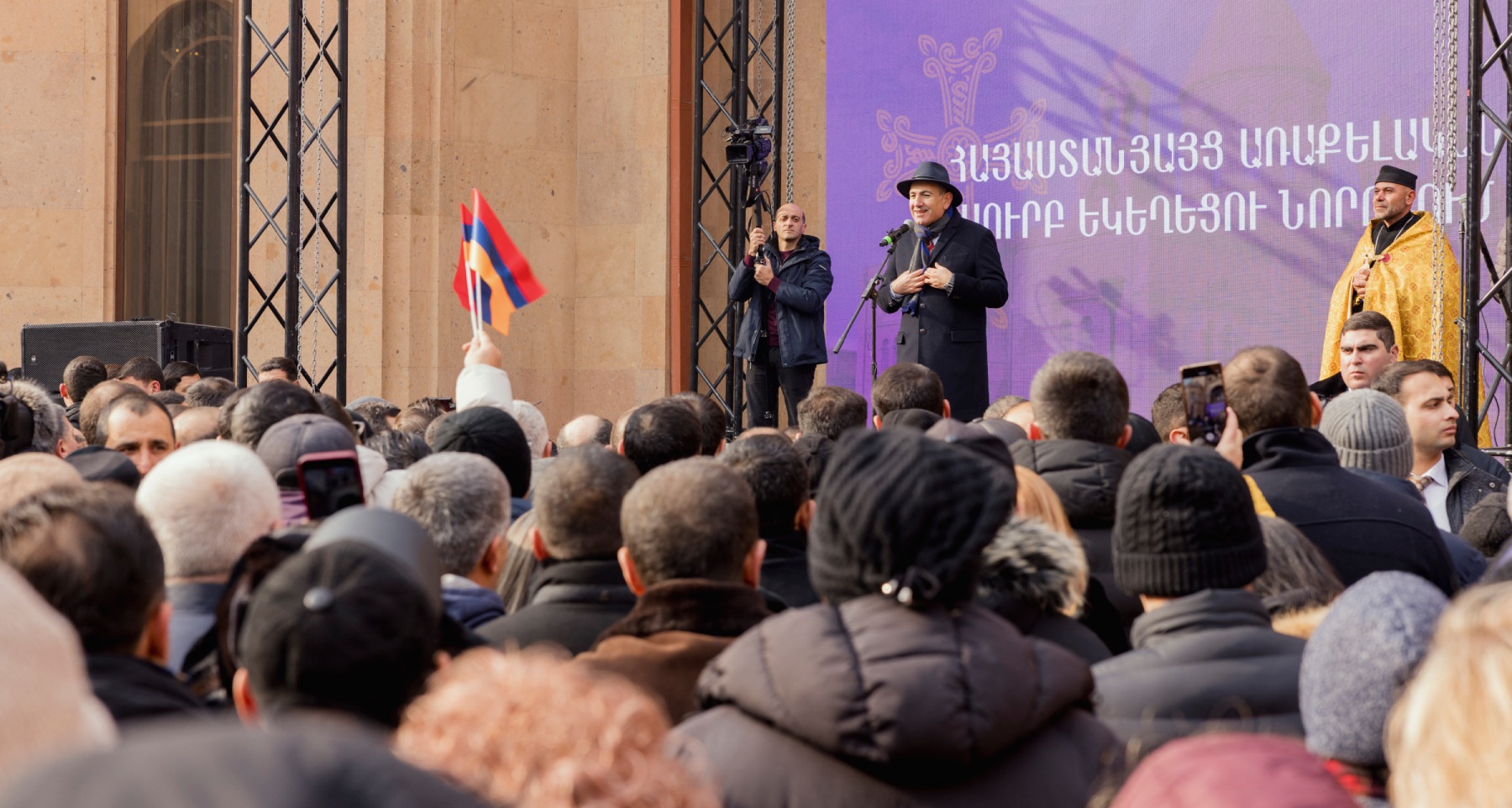
It’s true that many Armenians would vote for anyone just to be rid of Pashinyan, whom they blame for the loss of Nagorno-Karabakh, but the pro-Russia opposition is unlikely to be able to channel that frustration into an electoral victory.
Mikayel Zolyan
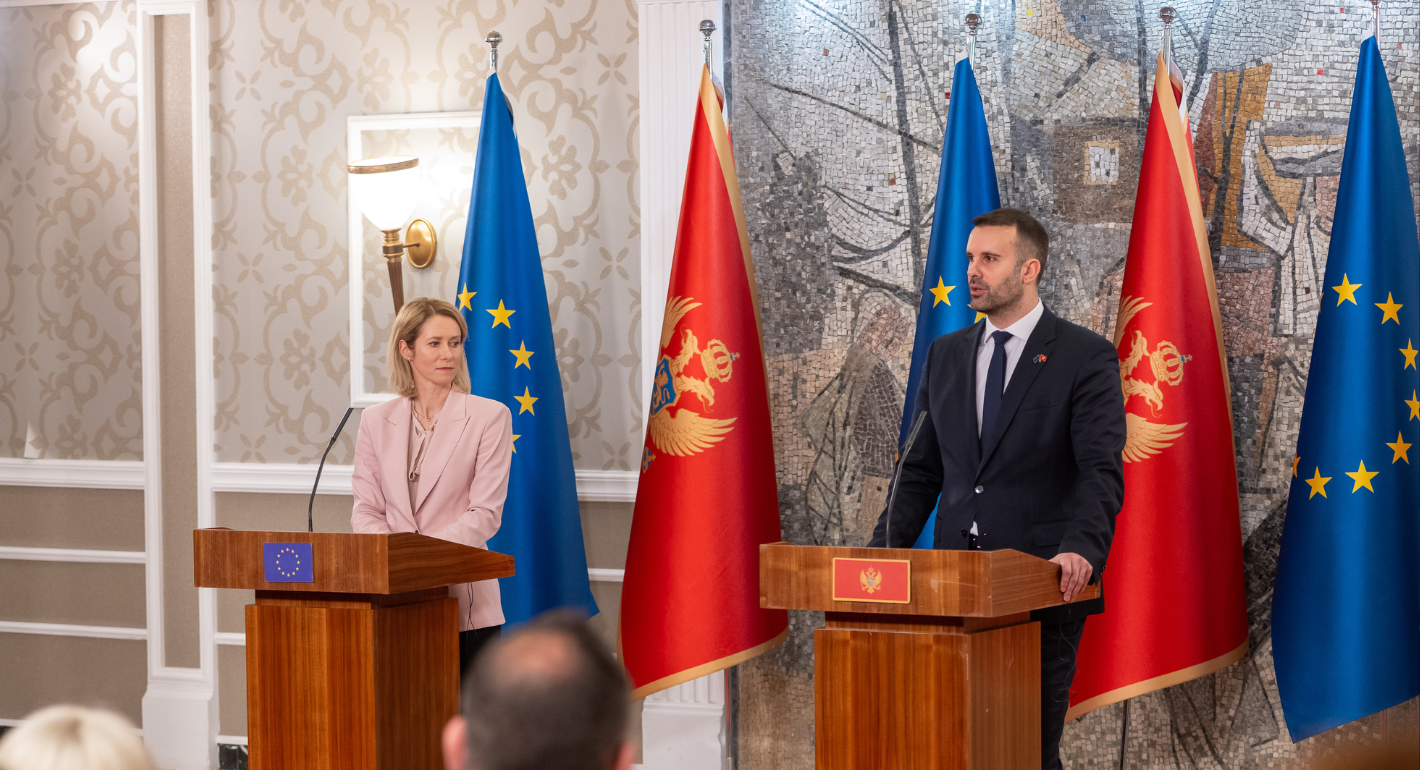
Montenegro and Albania are frontrunners for EU enlargement in the Western Balkans, but they can’t just sit back and wait. To meet their 2030 accession ambitions, they must make a strong positive case.


Dimitar Bechev, Iliriana Gjoni
Four Middle East experts analyze the region’s reactions and next steps.


Amr Hamzawy, Andrew Leber, Eric Lob, …