• Research
  • Emissary
  • About
  • Experts
Carnegie Global logoCarnegie lettermark logo
DemocracyIran
  • Donate
{
  "authors": [
    "Matthew Rojansky"
  ],
  "type": "legacyinthemedia",
  "centerAffiliationAll": "dc",
  "centers": [
    "Carnegie Endowment for International Peace"
  ],
  "collections": [],
  "englishNewsletterAll": "ctw",
  "nonEnglishNewsletterAll": "",
  "primaryCenter": "Carnegie Endowment for International Peace",
  "programAffiliation": "russia",
  "programs": [
    "Russia and Eurasia"
  ],
  "projects": [],
  "regions": [
    "North America",
    "United States",
    "Caucasus",
    "Russia"
  ],
  "topics": [
    "Political Reform",
    "Democracy",
    "Foreign Policy"
  ]
}

Source: Getty

In The Media

What To Expect from Russia with Putin Once Again Unambiguously in Charge?

Given that Vladimir Putin retained a great deal of power during the presidency of Dmitry Medvedev, there are unlikely to be any major changes in Russian strategy toward the United States.

Link Copied
By Matthew Rojansky
Published on Sep 28, 2011
Program mobile hero image

Program

Russia and Eurasia

The Russia and Eurasia Program continues Carnegie’s long tradition of independent research on major political, societal, and security trends in and U.S. policy toward a region that has been upended by Russia’s war against Ukraine.  Leaders regularly turn to our work for clear-eyed, relevant analyses on the region to inform their policy decisions.

Learn More

Source: Voice of America

Speaking on Voice of America's On the Line, Carnegie’s Matthew Rojansky discussed the implications of Russian President Medvedev’s recent announcement that he will not run for re-election in 2012. His decision paves the way for Prime Minister Putin to return to the presidency, an office he held for eight years until 2008. “It has been clear that when Putin has been serving as Prime Minister under the President Medvedev, in actual fact, Putin has been calling a lot of the important shots,” Rojansky stated. “What that means in practice is that what we saw at least in part was a Putin presidency for the last 4 years.” 

Rojansky suggested that although “there will not be a contradiction in terms of strategy in the U.S.–Russia relations, Obama has to start over and build a personal rapport with Putin.” Rojansky also warned that Russia needs to learn from the current situation in Western Europe and fix its state budget, especially its dependence on oil revenues.
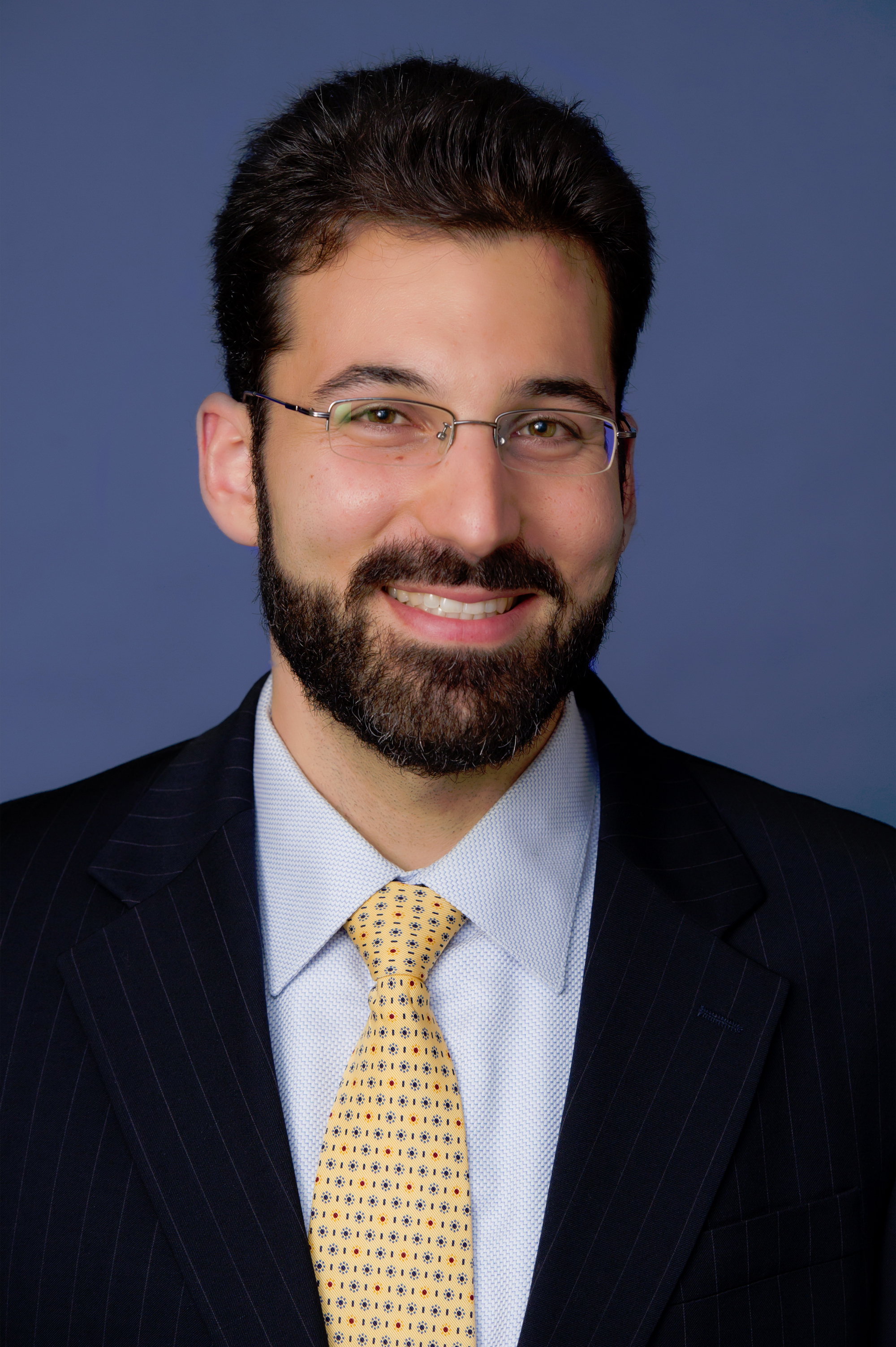
About the Author

Matthew Rojansky

Former Deputy Director, Russia and Eurasia Program

Rojansky, formerly executive director of the Partnership for a Secure America, is an expert on U.S. and Russian national security and nuclear-weapon policies.

    Recent Work

  • Paper
    An Opportunity for Ambition: Ukraine’s OSCE Chairmanship

      Matthew Rojansky

  • In The Media
    Presiding Over the OSCE: Challenges and Opportunities

      Matthew Rojansky

Matthew Rojansky
Former Deputy Director, Russia and Eurasia Program
Matthew Rojansky
Political ReformDemocracyForeign PolicyNorth AmericaUnited StatesCaucasusRussia

Carnegie does not take institutional positions on public policy issues; the views represented herein are those of the author(s) and do not necessarily reflect the views of Carnegie, its staff, or its trustees.
More Work from Carnegie Endowment for International Peace

  • Commentary
    Strategic Europe
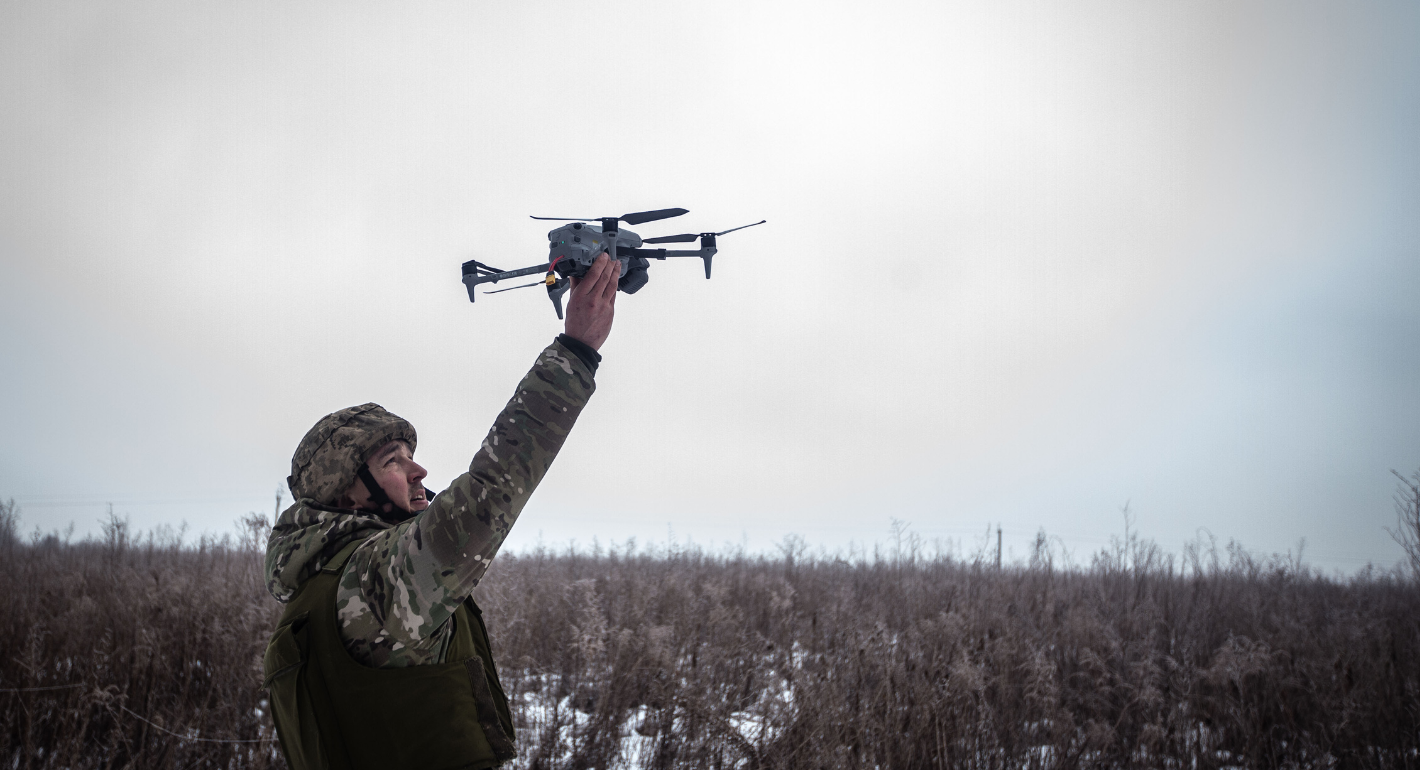
    The Fog of AI War

    In Ukraine, Gaza, and Iran, AI warfare has come to dominate, with barely any oversight or accountability. Europe must lead the charge on the responsible use of new military technologies.

      Raluca Csernatoni
  • Commentary
    Diwan
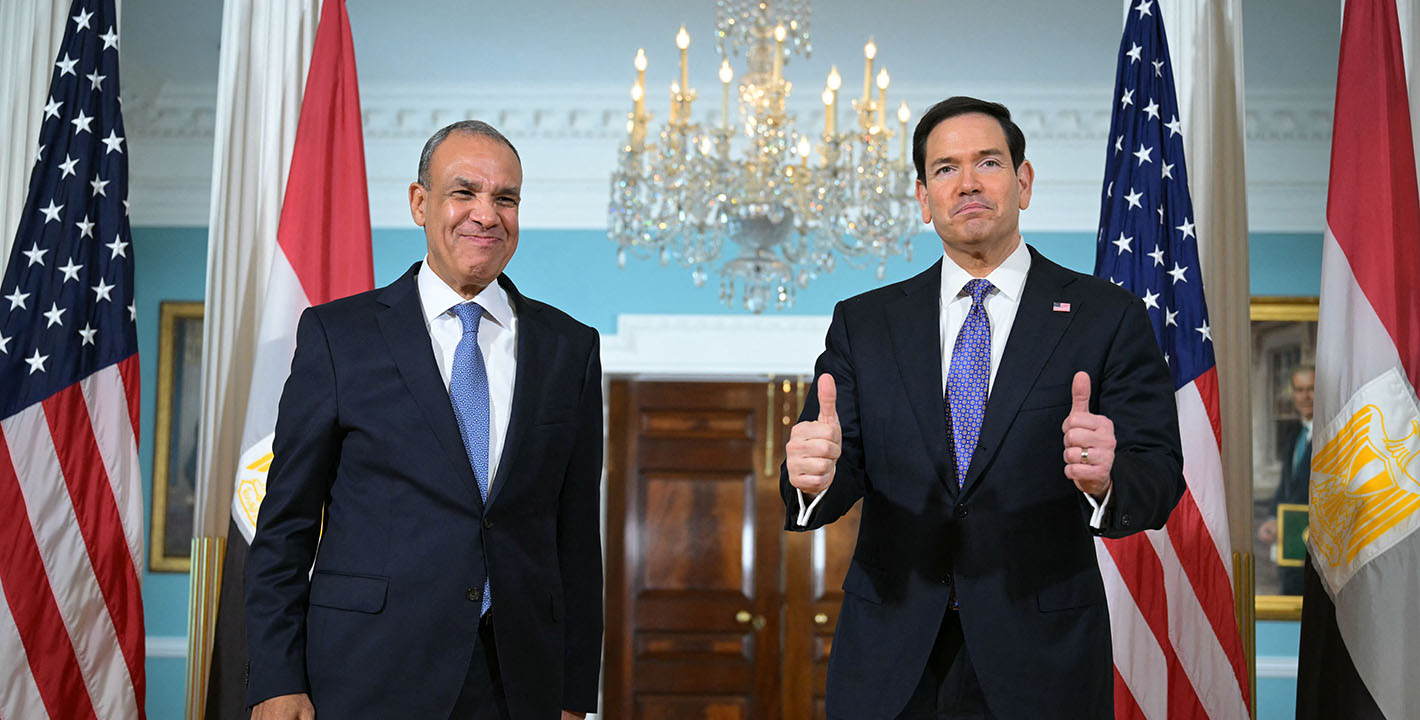
    Egypt’s Discrete Role in the Ceasefire with Iran

    Cairo’s efforts send a message to the United States and the region that it still has a place at the diplomatic table.

      • Angie Omar

      Angie Omar

  • Commentary
    Carnegie Politika
    Is Frustration With Armenia’s Pashinyan Enough to Bring the Pro-Russia Opposition to Power?

    It’s true that many Armenians would vote for anyone just to be rid of Pashinyan, whom they blame for the loss of Nagorno-Karabakh, but the pro-Russia opposition is unlikely to be able to channel that frustration into an electoral victory.
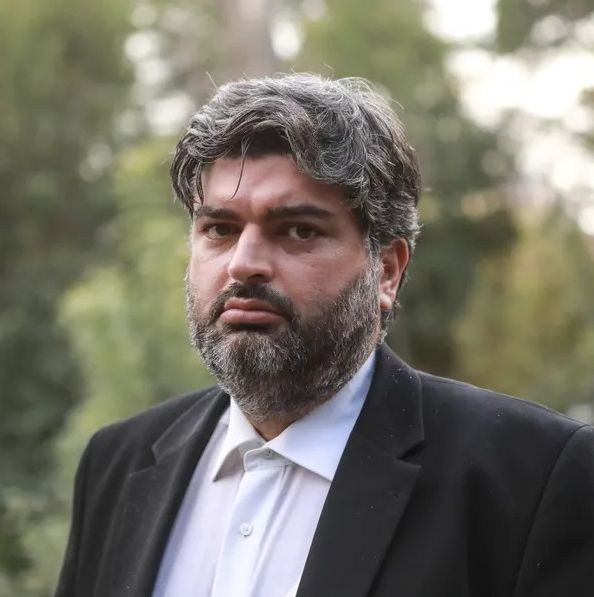
      Mikayel Zolyan
  • Commentary
    Carnegie Politika
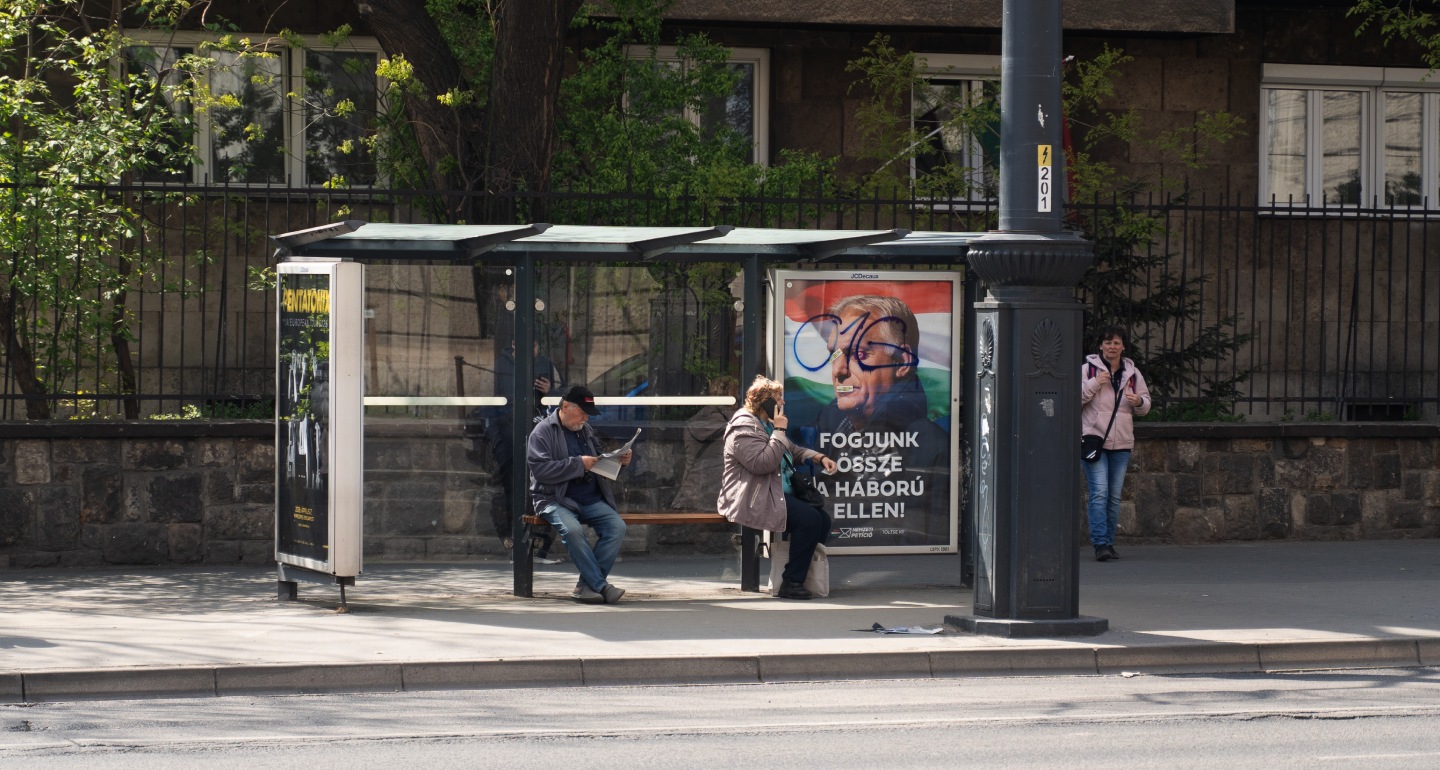
    Will Hungary’s New Leader Really Change EU Policy on Russia and Ukraine?

    Orbán created an image for himself as virtually the only opponent of aid to Ukraine in the entire EU. But in reality, he was simply willing to use his veto to absorb all the backlash, allowing other opponents to remain in the shadows.
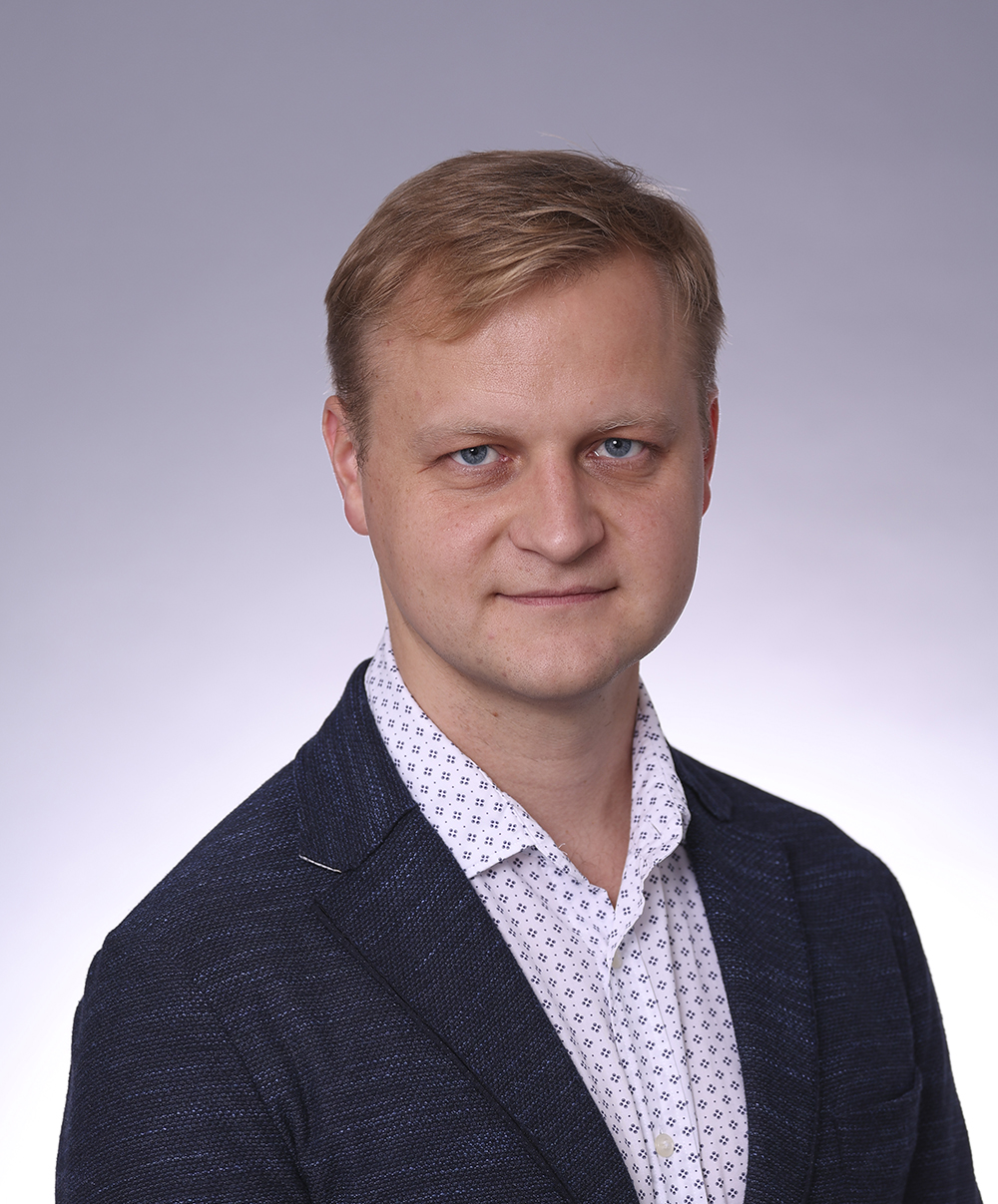
      Maksim Samorukov
  • Commentary
    Diwan
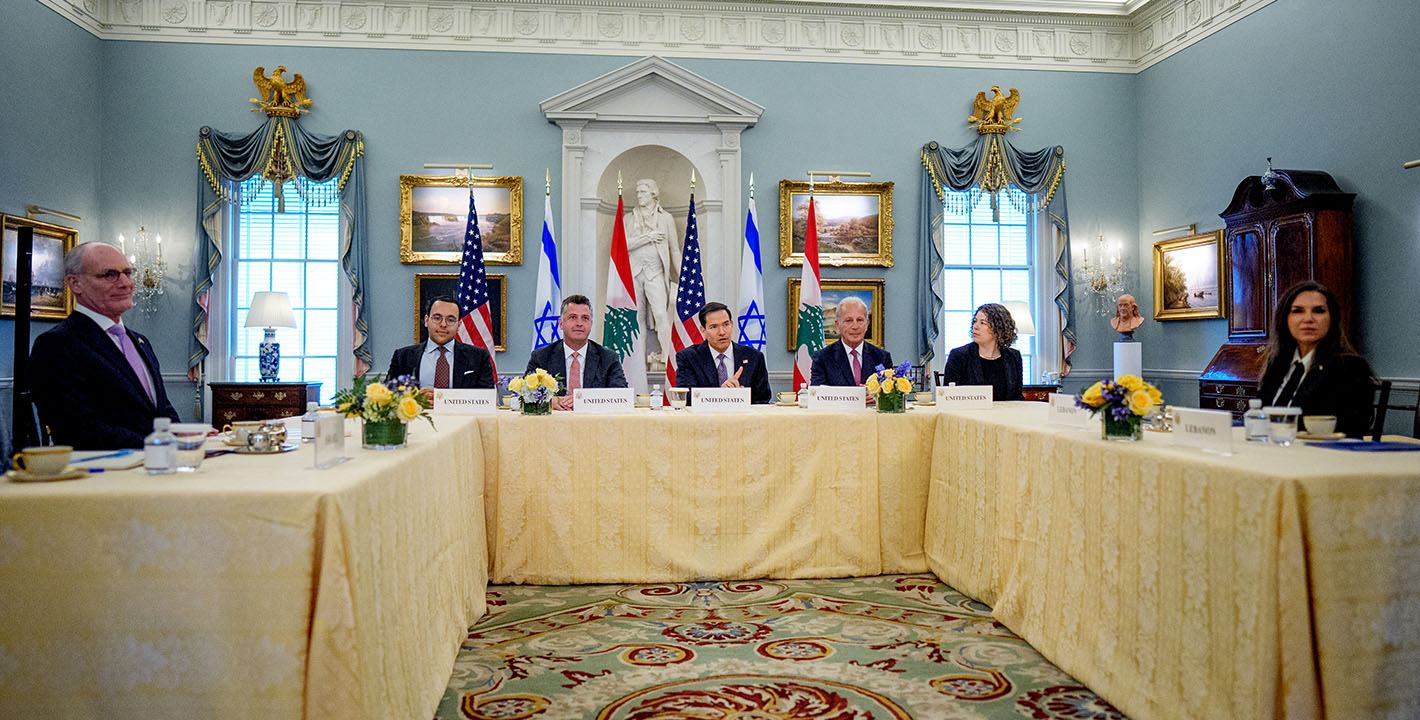
    Realism and the Lebanon-Israel Talks

    Beirut’s desire to break free from Iranian hegemony may push it into a situation where it has to accept Israel’s hegemony.  

      Michael Young

Get more news and analysis from
Carnegie Endowment for International Peace
Carnegie global logo, stacked
1779 Massachusetts Avenue NWWashington, DC, 20036-2103Phone: 202 483 7600Fax: 202 483 1840
  • Research
  • Emissary
  • About
  • Experts
  • Donate
  • Programs
  • Events
  • Blogs
  • Podcasts
  • Contact
  • Annual Reports
  • Careers
  • Privacy
  • For Media
  • Government Resources
Get more news and analysis from
Carnegie Endowment for International Peace
© 2026 Carnegie Endowment for International Peace. All rights reserved.