

Article
Bernd von Muenchow-Pohl
{
  "authors": [
    "Bernd von Muenchow-Pohl"
  ],
  "type": "legacyinthemedia",
  "centerAffiliationAll": "dc",
  "centers": [
    "Carnegie Endowment for International Peace",
    "Carnegie Europe"
  ],
  "collections": [],
  "englishNewsletterAll": "ctw",
  "nonEnglishNewsletterAll": "",
  "primaryCenter": "Carnegie Endowment for International Peace",
  "programAffiliation": "SAP",
  "programs": [
    "South Asia"
  ],
  "projects": [],
  "regions": [
    "South Asia",
    "India",
    "Western Europe",
    "Asia",
    "Europe"
  ],
  "topics": [
    "Economy",
    "Trade",
    "Foreign Policy"
  ]
}
Source: Getty
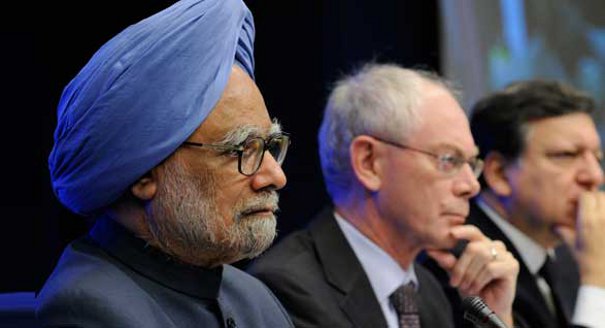
Despite initially high expectations, the enhanced relationship between India and the European Union has so far made relatively little impact and has fallen short of its own objectives.
Source: Great Indian Dream

From a historic perspective, the match seemed as if it would have a solid foundation. Adding a new dimension to its relationship with Europe, which was still overshadowed by the colonial past, New Delhi established diplomatic relations with the European Economic Community (EEC) as early as 1963. Ten years later, when Britain — India’s most important trading partner at the time — joined the original six EEC members, India’s loss of imperial trade preferences led to its first commercial cooperation agreement with the community. It took both sides another 20 years to sign their first political declaration after the EEC had morphed into an enlarged European Union of then twelve member states. In 2000, India’s raised economic and political profile and the EU’s desire to extend its newly defined political mission beyond the confines of the European continent after the end of the Cold War, brought about the first summit meeting in Lisbon. Successive annual summits heralded the EU-India Strategic Partnership (2004) and a voluminous Joint Action Plan for its implementation (2005).
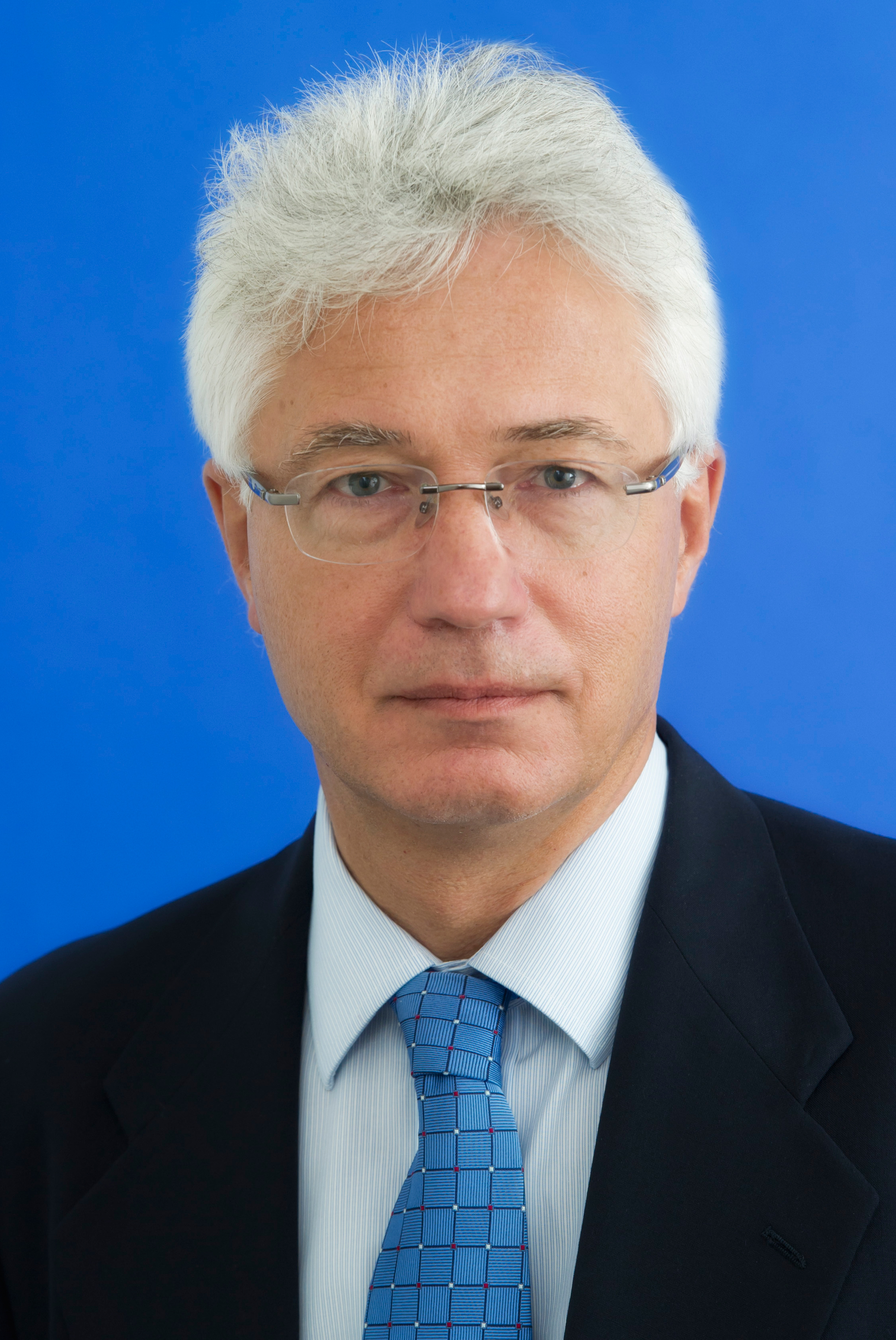
Former Nonresident Scholar, South Asia Program
Von Muenchow-Pohl was a nonresident scholar in Carnegie’s South Asia Program, where his work focuses on Indian domestic, foreign, and economic policy.
Recent Work
Bernd von Muenchow-Pohl
Bernd von Muenchow-Pohl
Carnegie does not take institutional positions on public policy issues; the views represented herein are those of the author(s) and do not necessarily reflect the views of Carnegie, its staff, or its trustees.
Central Asia’s digital ambitions are achievable, but only if policy is aligned with the region’s physical constraints.

Aruzhan Meirkhanova
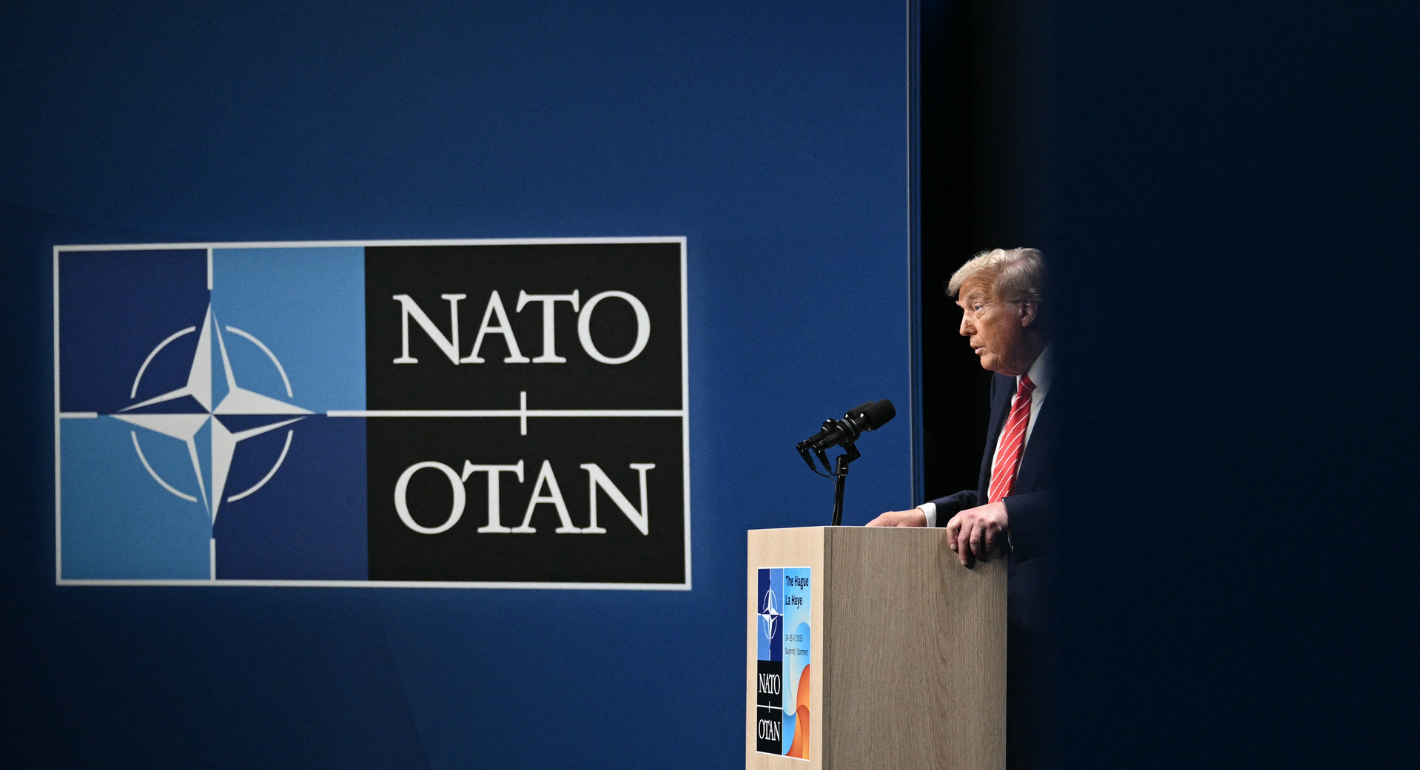
Donald Trump has repeatedly bashed NATO and European allies, threatening to annex Canada and Greenland and deploring their lack of enthusiasm for his war of choice in Iran. Is this latest round of abuse the final straw?

Rym Momtaz, ed.
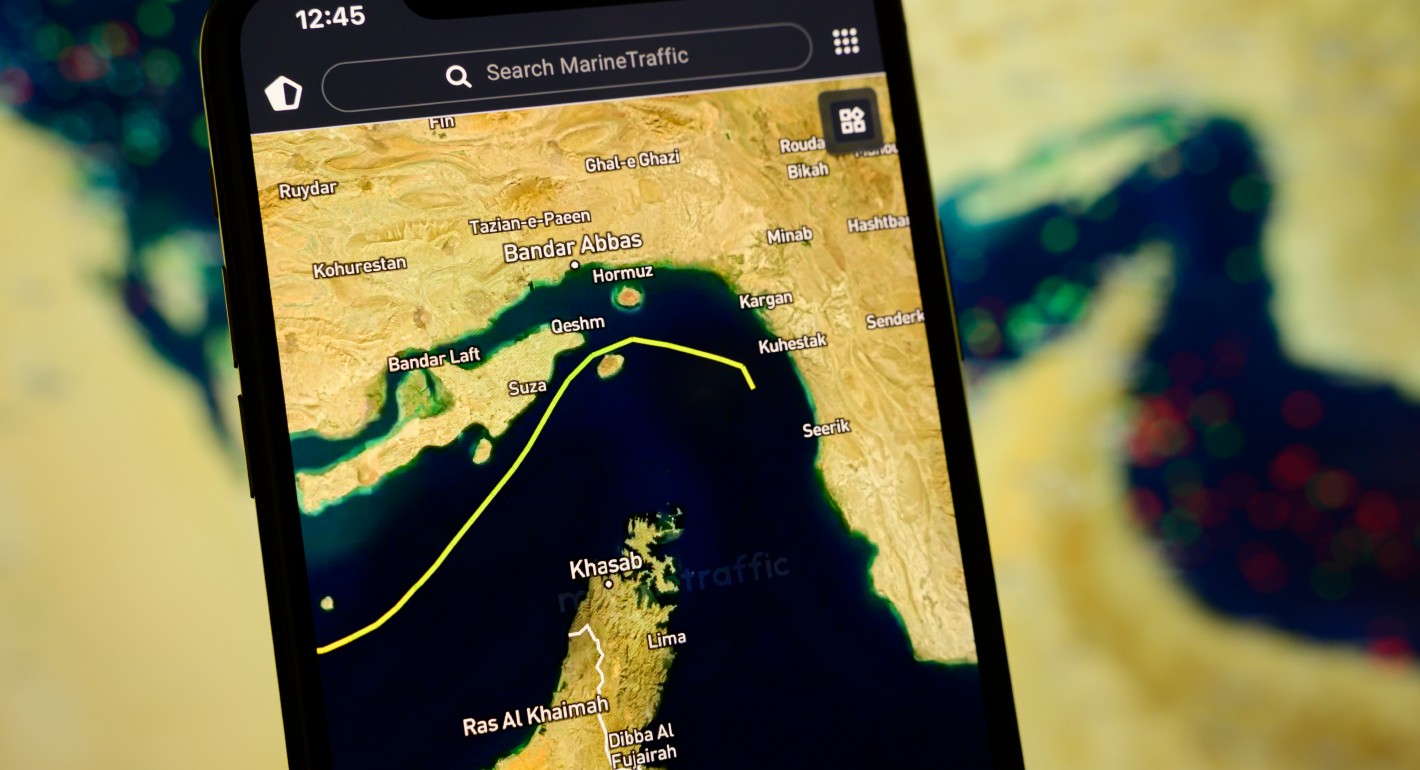
Why the Iran ceasefire isn’t a quick fix to the Strait of Hormuz energy crisis.


Helima Croft, Aaron David Miller

Across Asia, China is better positioned to withstand energy shocks from the fallout of the Iran war. Its abundant coal capacity can ensure stability in the near term. Yet at the same time, the country’s energy transition away from coal will make it even less vulnerable during the next shock.

Damien Ma
The Greenland crisis taught Europe to push back against Washington. In Iran, it must learn how to engage without falling in line.

Sophia Besch