

Commentary
Montenegro and Albania are frontrunners for EU enlargement in the Western Balkans, but they can’t just sit back and wait. To meet their 2030 accession ambitions, they must make a strong positive case.
Dimitar Bechev, Iliriana Gjoni
{
  "authors": [
    "Karl-Heinz Kamp",
    "Kurt Volker"
  ],
  "type": "other",
  "centerAffiliationAll": "",
  "centers": [
    "Carnegie Endowment for International Peace",
    "Carnegie Europe"
  ],
  "collections": [],
  "englishNewsletterAll": "",
  "nonEnglishNewsletterAll": "",
  "primaryCenter": "Carnegie Endowment for International Peace",
  "programAffiliation": "",
  "programs": [],
  "projects": [],
  "regions": [
    "North America",
    "United States",
    "Western Europe",
    "Europe"
  ],
  "topics": [
    "Security",
    "Foreign Policy"
  ]
}
Source: Getty
A renewed commitment from both sides of the Atlantic is essential to ensuring NATO’s continued success.
The North Atlantic Treaty Organization (NATO) is often described as the most successful military alliance in history. In addition to longevity, those characterizing NATO this way are usually thinking of the Alliance’s role in protecting freedom and guaranteeing peace in Europe against a hostile Soviet Union, right up until the Iron Curtain fell. NATO’s role in ending ethnic cleansing in the Balkans, and in helping to reintegrate Central and Eastern Europe into the mainstream of the continent, only added to this positive image of the Alliance.
For NATO to hold together all this time—even amid such monumental challenges as the Suez crisis, the Hungarian revolution, the Prague Spring, Vietnam, Pershing missiles, and Kosovo—it is clear that allies maintained an underlying commitment to each other and to the cause of an alliance greater than the sum of its parts. The recognition that each side of the Atlantic was willing to sacrifice a bit to the other for the benefit of the whole is what is meant by the concept of a “transatlantic bargain.” For decades, this transatlantic bargain—though predominantly unstated and uncodified—was instinctively understood and acted upon.
In more recent years, this transatlantic bond has been sorely tested, over the war in Iraq, over different perceptions of Russia, of missile defense, of terrorism, and even over differing interpretations of relations with Georgia and Ukraine. Whether or how NATO survives the severity of these tests still remains to be seen. NATO will surely come out best, however, if there is a renewed commitment on both sides of the Atlantic to some of the fundamentals of the Alliance that are important to both sides—a renewal of the transatlantic bargain.
This piece was adapted from the executive summary of The Transatlantic Bargain, a study sponsored by the NATO Defense College in Rome and the National Defense University in Washington, D.C. The full study is available here.
Karl-Heinz Kamp
NATO Defense College
Kurt Volker
SAIS, Johns Hopkins University
Carnegie does not take institutional positions on public policy issues; the views represented herein are those of the author(s) and do not necessarily reflect the views of Carnegie, its staff, or its trustees.
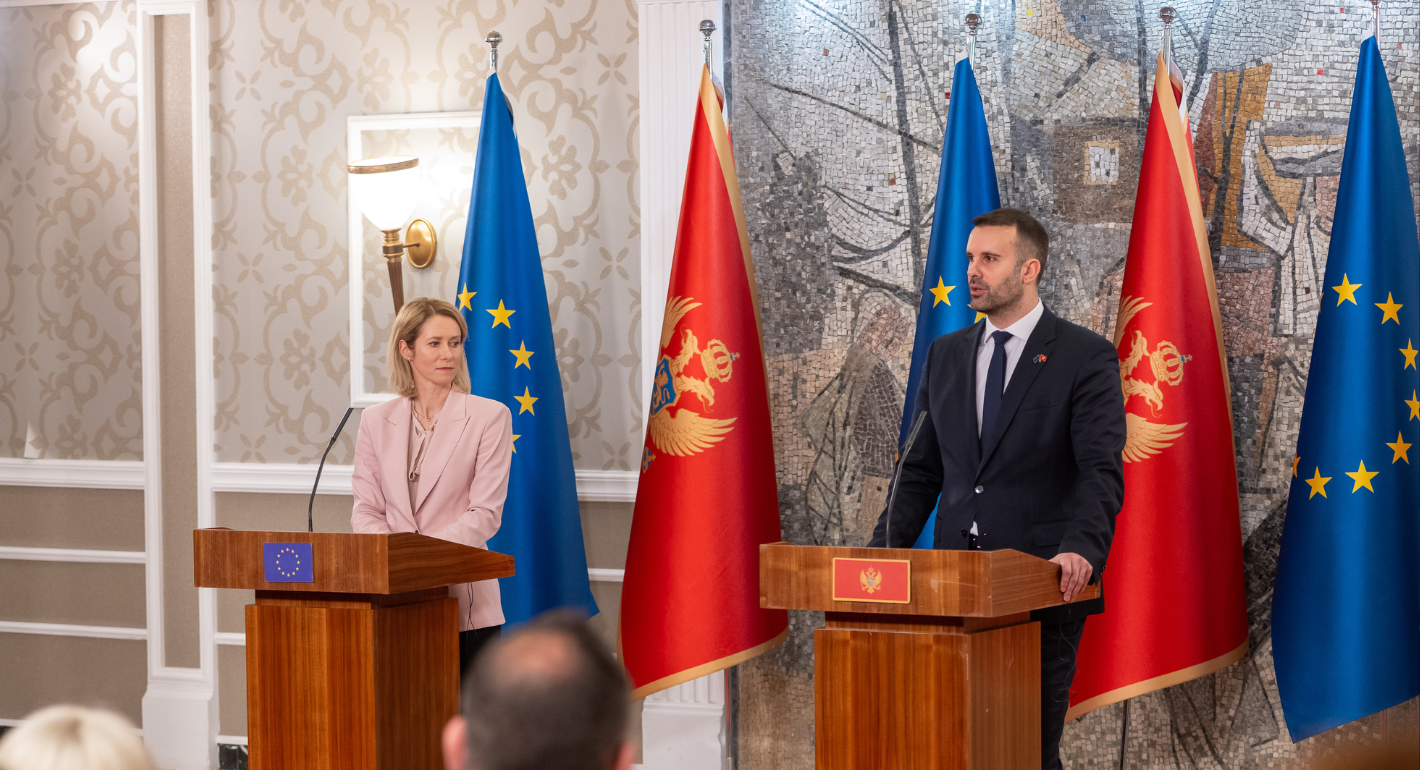
Montenegro and Albania are frontrunners for EU enlargement in the Western Balkans, but they can’t just sit back and wait. To meet their 2030 accession ambitions, they must make a strong positive case.


Dimitar Bechev, Iliriana Gjoni

This piece argues that the present Indian strategy, based on opportunistic diversification and utilization of limited strategic reserves, remains inadequate when confronting supply disruptions. It evaluates India’s options in the short, medium, and long terms.

Vrinda Sahai

Its reinstatement should be celebrated, but it retains some major shortcomings.

Leonardo Martinez-Diaz

Despite long-standing differences, China and Vietnam are reinforcing common ground for collaboration, especially in public security. This internal security–centered diplomacy offers a strengthened road map for how China moves forward with Southeast Asia.
Sophie Zhuang

Climate mobility interventions can vary, but they all present opportunities to unlock transformative results that mitigate costs associated with inaction.

Alejandro Martin Rodriguez