• Research
  • Emissary
  • About
  • Experts
Carnegie Global logoCarnegie lettermark logo
DemocracyIran
  • Donate
{
  "authors": [
    "Karim Sadjadpour"
  ],
  "type": "legacyinthemedia",
  "centerAffiliationAll": "dc",
  "centers": [
    "Carnegie Endowment for International Peace"
  ],
  "collections": [],
  "englishNewsletterAll": "menaTransitions",
  "nonEnglishNewsletterAll": "",
  "primaryCenter": "Carnegie Endowment for International Peace",
  "programAffiliation": "MEP",
  "programs": [
    "Middle East"
  ],
  "projects": [],
  "regions": [
    "Middle East",
    "Iran",
    "Gulf"
  ],
  "topics": [
    "Economy",
    "Political Reform",
    "Nuclear Policy"
  ]
}
Source: Getty

In The Media

Talk of a ‘Red Line’ Stirs Fears Inside Iran

The possibility of a military action targeting Iran, along with the current economic sanctions, are creating anxiety inside the country.

Link Copied
By Karim Sadjadpour
Published on Sep 27, 2012
Program mobile hero image

Program

Middle East

The Middle East Program in Washington combines in-depth regional knowledge with incisive comparative analysis to provide deeply informed recommendations. With expertise in the Gulf, North Africa, Iran, and Israel/Palestine, we examine crosscutting themes of political, economic, and social change in both English and Arabic.

Learn More

Source: PRI's The World

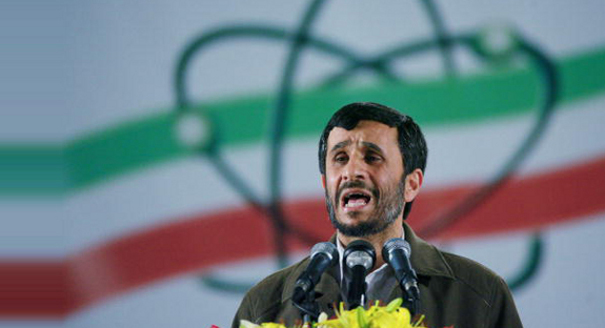
The heightened tensions between Israel, the United States, and Iran regarding Iran’s nuclear program, along with the devastating economics sanctions, are causing increased anxiety in the country. Speaking on PRI’s The World, Carnegie's Karim Sadjadpour noted that when people suffer under economic sanctions, it tends to accentuate their pre-existing political views. In other words, “if you are a supporter of the government you place the onus for personal economic hardship on the U.S. and Western imposed sanctions and if you are an opponent of the government, then you blame it on the regime.” The trend lines in Iran point to a further entrenchment of the dictatorial regime, ruled by Supreme Leader Khamenei and the Revolutionary Guard, Sadjadpour continued. Despite strong resentment among a large swath of the Iranian population, there seems to be little movement towards something resembling the Arab spring. The memory of the brutal repression following the contested 2009 elections demonstrated the regimes policy of refusing to bend, he added. Moreover, “In Iran, the term revolution does not have the romantic connotation that it does in the Arab world because much of the population is so disillusioned with the 1979 revolution,” concluded Sadjadpour.

About the Author

Karim Sadjadpour

Senior Fellow, Middle East Program

Karim Sadjadpour is a senior fellow at the Carnegie Endowment for International Peace, where he focuses on Iran and U.S. foreign policy toward the Middle East.

    Recent Work

  • Q&A
    What’s Keeping the Iranian Regime in Power—for Now

      Aaron David Miller, Karim Sadjadpour, Robin Wright
  • Q&A
    How Washington and Tehran Are Assessing Their Next Steps

      Aaron David Miller, David Petraeus, Karim Sadjadpour

Karim Sadjadpour
Senior Fellow, Middle East Program
Karim Sadjadpour
EconomyPolitical ReformNuclear PolicyMiddle EastIranGulf

Carnegie does not take institutional positions on public policy issues; the views represented herein are those of the author(s) and do not necessarily reflect the views of Carnegie, its staff, or its trustees.
More Work from Carnegie Endowment for International Peace

  • Commentary
    Carnegie Politika
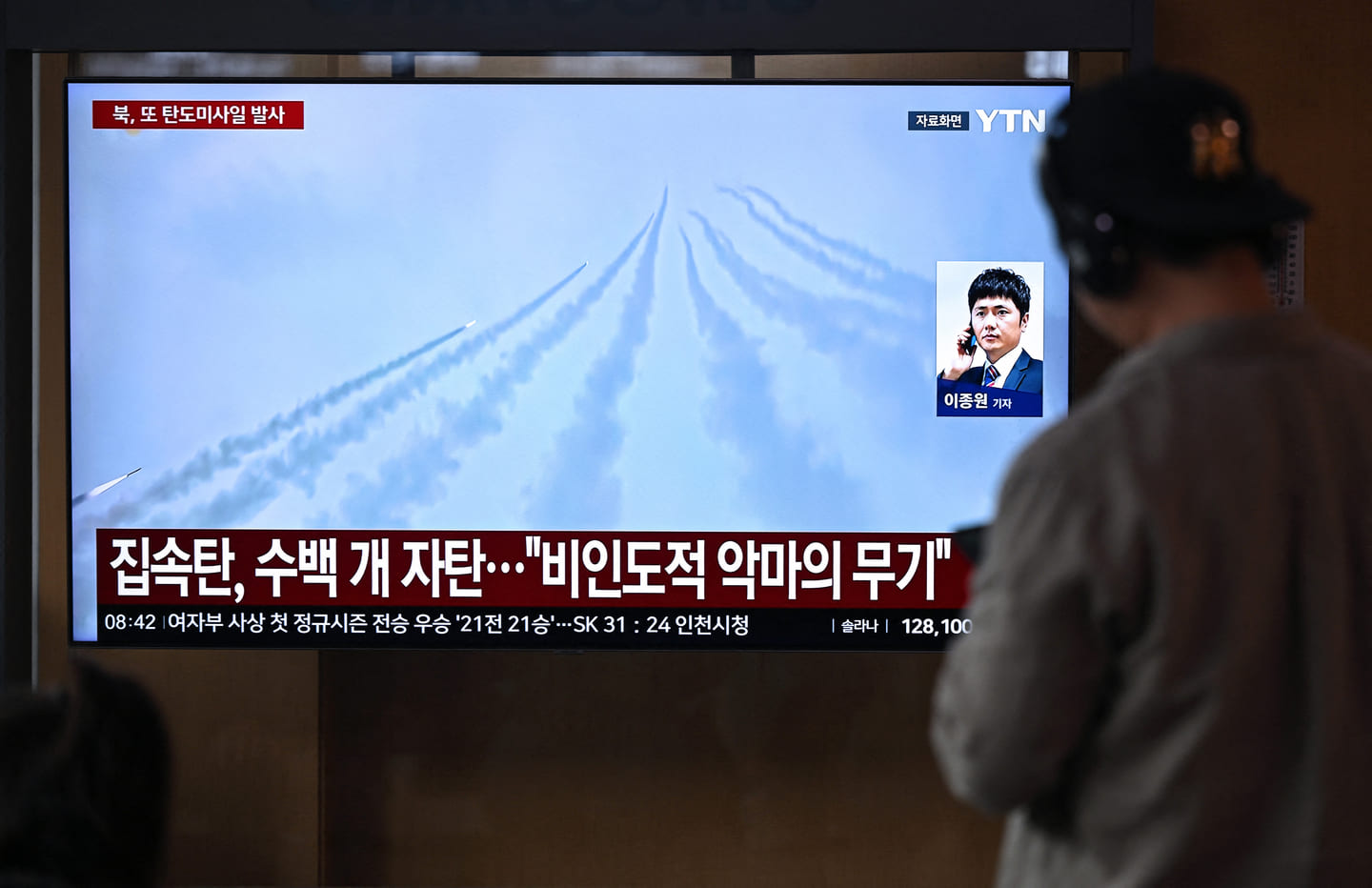
    What Does Nuclear Proliferation in East Asia Mean for Russia?

    Troubled by the growing salience of nuclear debates in East Asia, Moscow has responded in its usual way: with condemnation and threats. But by exacerbating insecurity, Russia is forcing South Korea and Japan to consider radical security options.

      James D.J. Brown
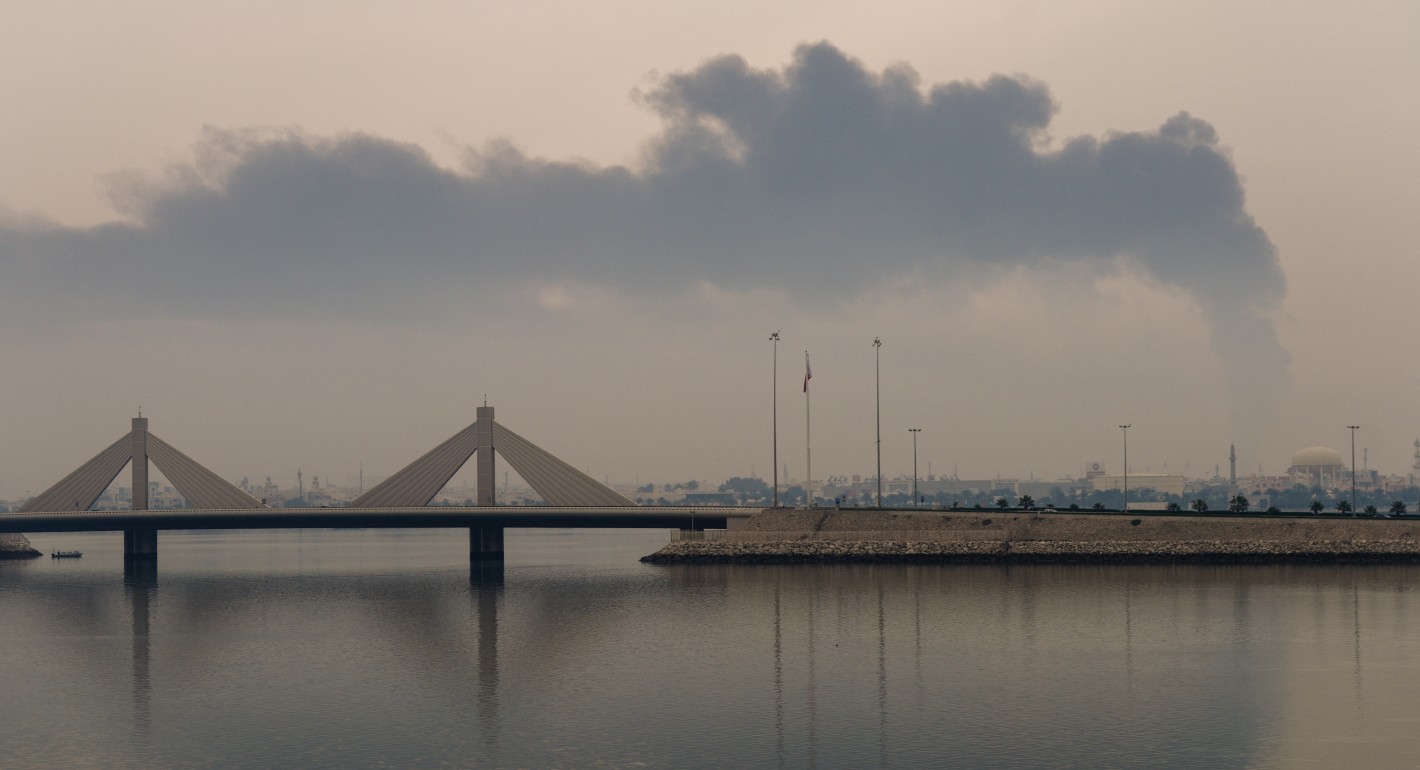
  • Smoke rising over a  bridge
    Commentary
    Emissary
    The Iran War Is a Stress Test for Gulf States

    The conflict is exposing the flaws and fissures of their domestic governance and social cohesion.
      Frederic Wehrey, Charles H. Johnson

  • Humanoid robots follow technicians to learn job skills at the data collection area of an embodied AI robot innovation center on September 14, 2025 in Shaoxing, Zhejiang Province of China.
    Paper
    The AI Labor Debate: Three Views on the Future of Work

    AI could hollow out jobs, reshape them gradually, create entirely new ones—or do all three at once. The case for starting to act now doesn’t depend on knowing which.
      • Teddy Tawil

      Teddy Tawil

  • Commentary
    Carnegie Politika
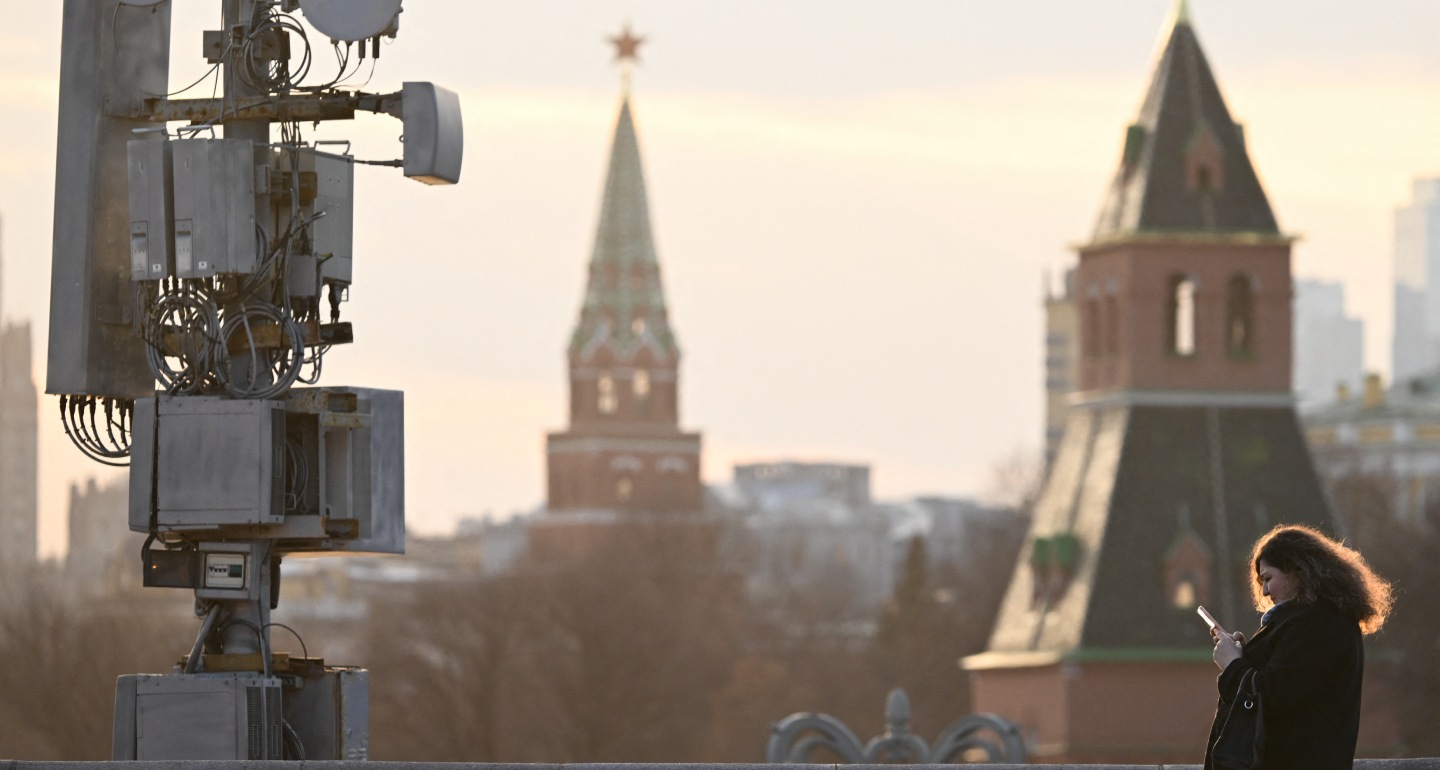
    Who Is Responsible for the Demise of the Russian Internet?

    The Russian state has opted for complete ideological control of the internet and is prepared to bear the associated costs.

      Maria Kolomychenko
  • Commentary
    Diwan
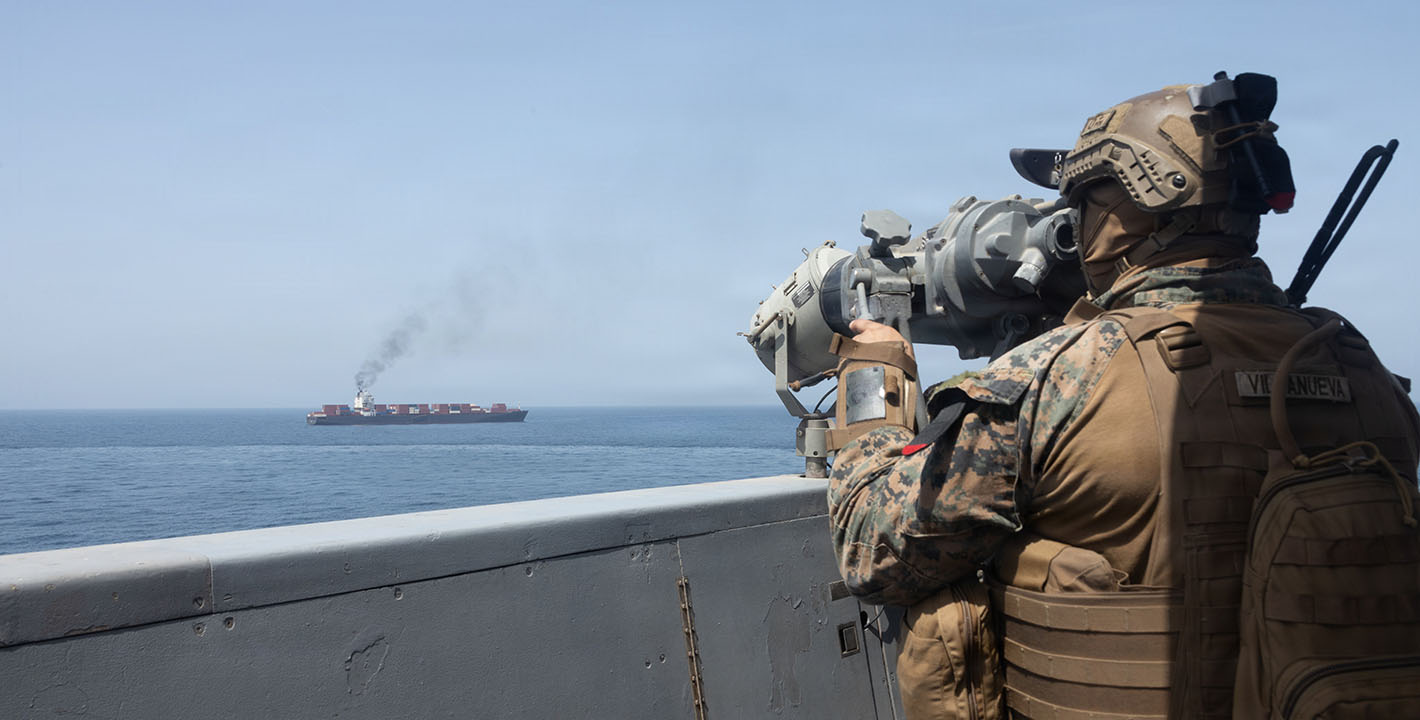
    A Military Balance Sheet in the U.S. and Israeli War With Iran

    In an interview, Jim Lamson discusses the ongoing regional conflict and sees an unclear picture when it comes to winners and losers. 

      Michael Young

Get more news and analysis from
Carnegie Endowment for International Peace
Carnegie global logo, stacked
1779 Massachusetts Avenue NWWashington, DC, 20036-2103Phone: 202 483 7600
  • Research
  • Emissary
  • About
  • Experts
  • Donate
  • Programs
  • Events
  • Blogs
  • Podcasts
  • Contact
  • Annual Reports
  • Careers
  • Privacy
  • For Media
  • Government Resources
Get more news and analysis from
Carnegie Endowment for International Peace
© 2026 Carnegie Endowment for International Peace. All rights reserved.