

Research
- +10
Rosa Balfour, Frances Z. Brown, Yasmine Farouk, …
{
  "authors": [
    "Moisés Naím"
  ],
  "type": "legacyinthemedia",
  "centerAffiliationAll": "",
  "centers": [
    "Carnegie Endowment for International Peace"
  ],
  "collections": [],
  "englishNewsletterAll": "",
  "nonEnglishNewsletterAll": "",
  "primaryCenter": "Carnegie Endowment for International Peace",
  "programAffiliation": "",
  "programs": [],
  "projects": [],
  "regions": [
    "North America",
    "South America",
    "Southern, Eastern, and Western Africa",
    "South Asia",
    "India",
    "East Asia",
    "China",
    "Russia"
  ],
  "topics": [
    "Economy",
    "Global Governance"
  ]
}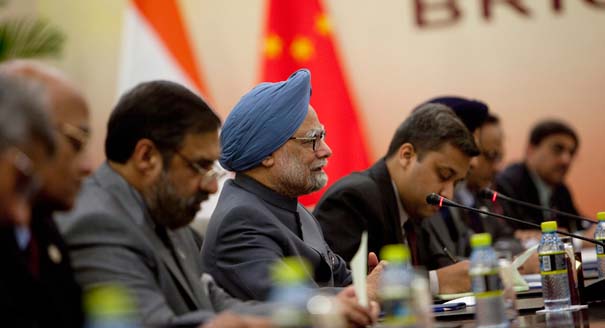
Source: Getty
Power has become more fleeting and transient, with a number of different kinds of constraints limiting the abilities of those in power, whether countries, corporations, churches, or armies.
Source: BBC World News America
Speaking on BBC World News America, Carnegie's Moisés Naím discussed the implications of how power has recently become more dispersed and thus more difficult to use. With new competitors entering the arena, there is an underlying threat to the significance and power of existing actors. In his new book, The End of Power, Naím explains that power is easier to get, harder to wield, and faster to lose. Power has become more fleeting and transient, with a number of different kinds of constraints limiting the abilities of those in power, whether countries, corporations, churches, or armies, Naím said. The BRICS-- Brazil, Russia, India, China, and South Africa-- are an example of how new countries are challenging the traditional power structure. These five large, fast-growing economies share great economic performance, yet they face the same corrosion of power that the big powers, such as the United States and Europe, have also experienced, said Naím.
This interview was originally broadcast on BBC World News America.

Distinguished Fellow
Moisés Naím is a distinguished fellow at the Carnegie Endowment for International Peace, a best-selling author, and an internationally syndicated columnist.
Recent Work



Rosa Balfour, Frances Z. Brown, Yasmine Farouk, …
Moisés Naím
Carnegie does not take institutional positions on public policy issues; the views represented herein are those of the author(s) and do not necessarily reflect the views of Carnegie, its staff, or its trustees.
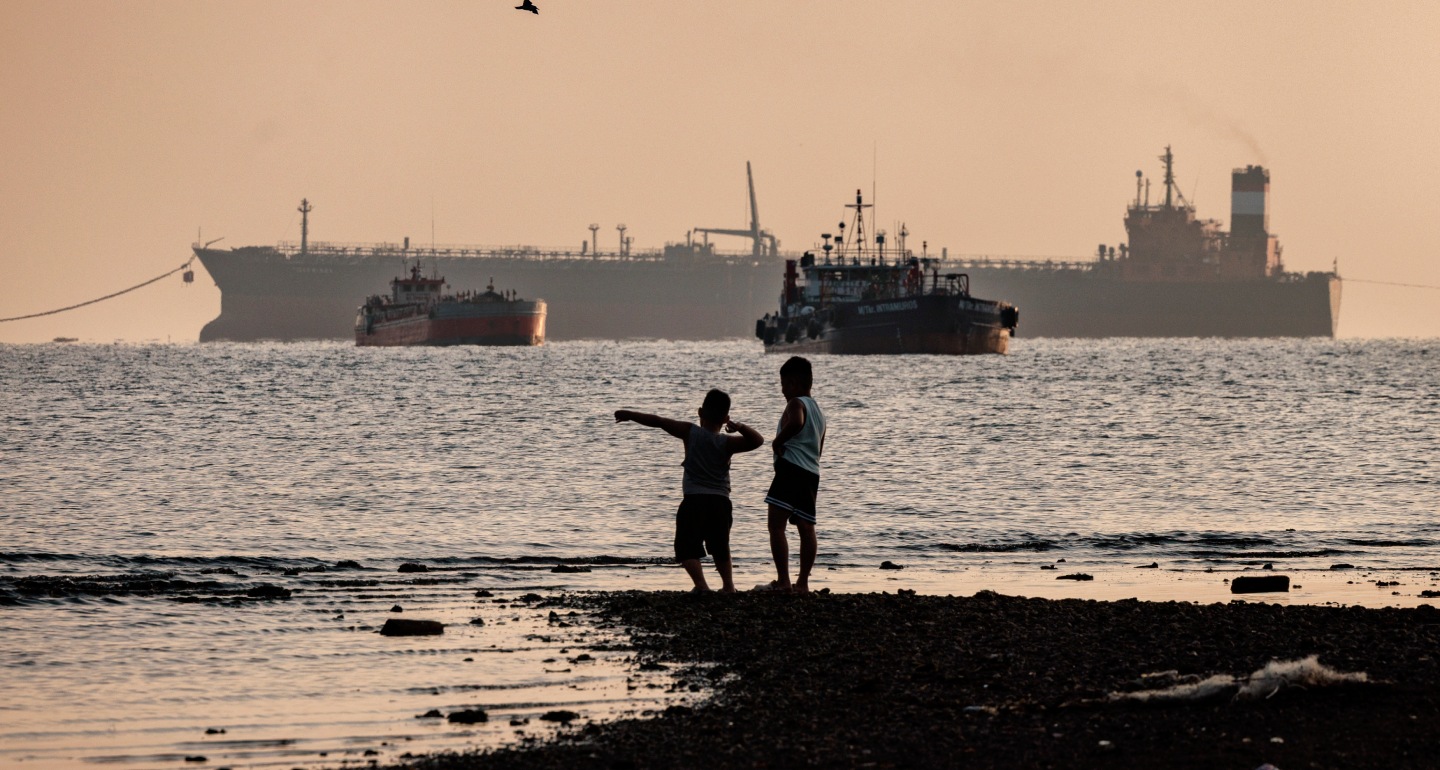
Although Ukrainian strikes have led to a noticeable decline in the physical volume of Russian oil exports, the rise in prices has more than made up for it.

Sergey Vakulenko

Five problems—and solutions—to make it actually work as a tool of great power competition.
Afreen Akhter
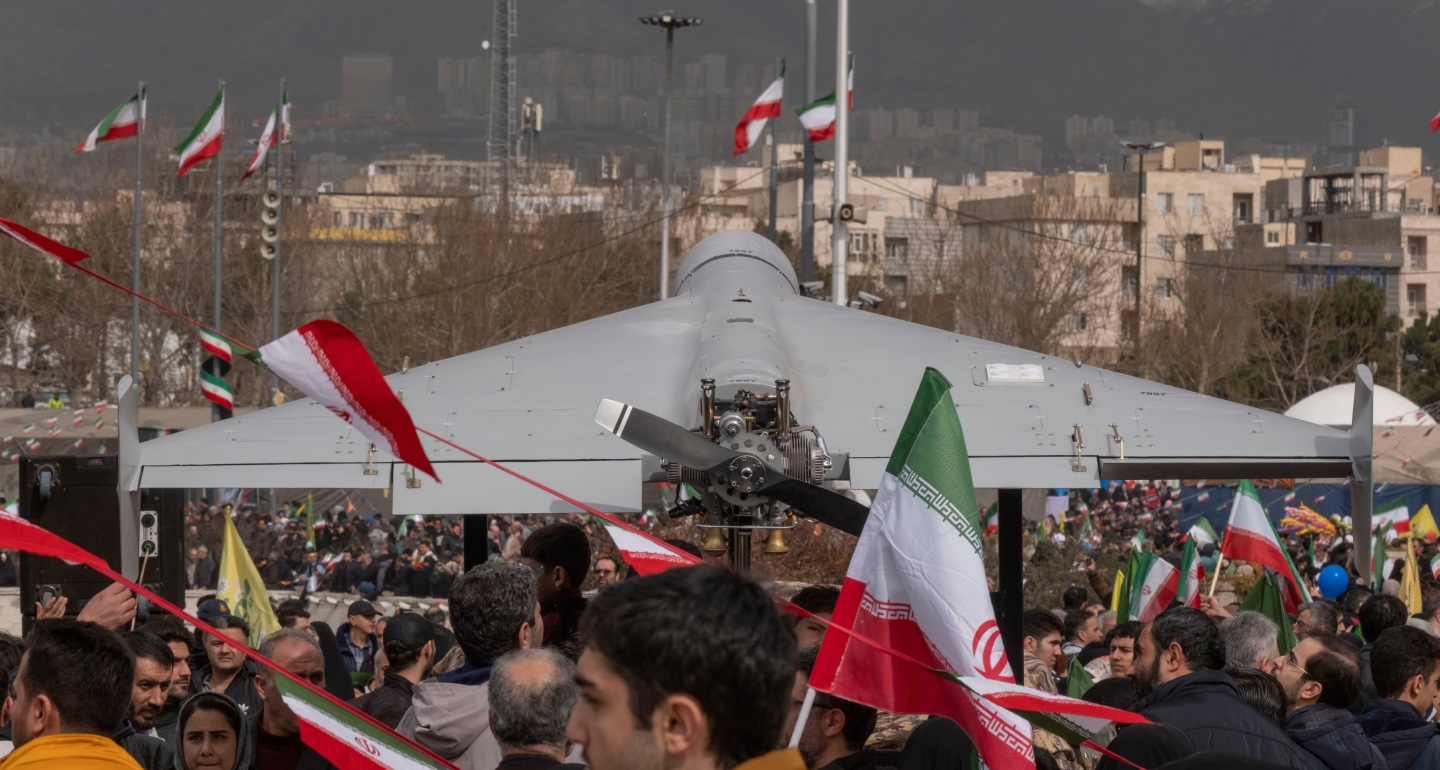
The Russian leadership wants to avoid a dangerous precedent in which it is squeezed out of Iran by the United States and Israel—and left powerless to respond in any meaningful way.

Nikita Smagin
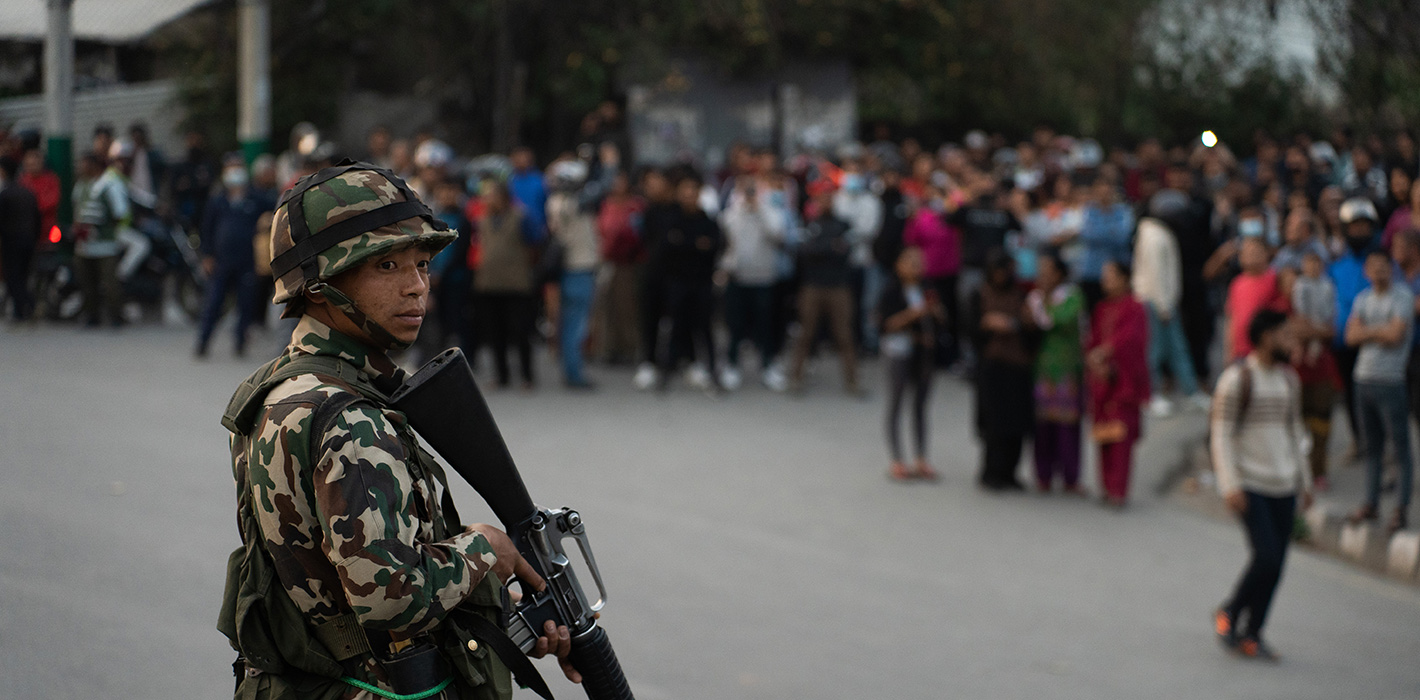
Military rule is now a defining political factor in South Asia. Here’s how analysts can understand and account for it.

Paul Staniland
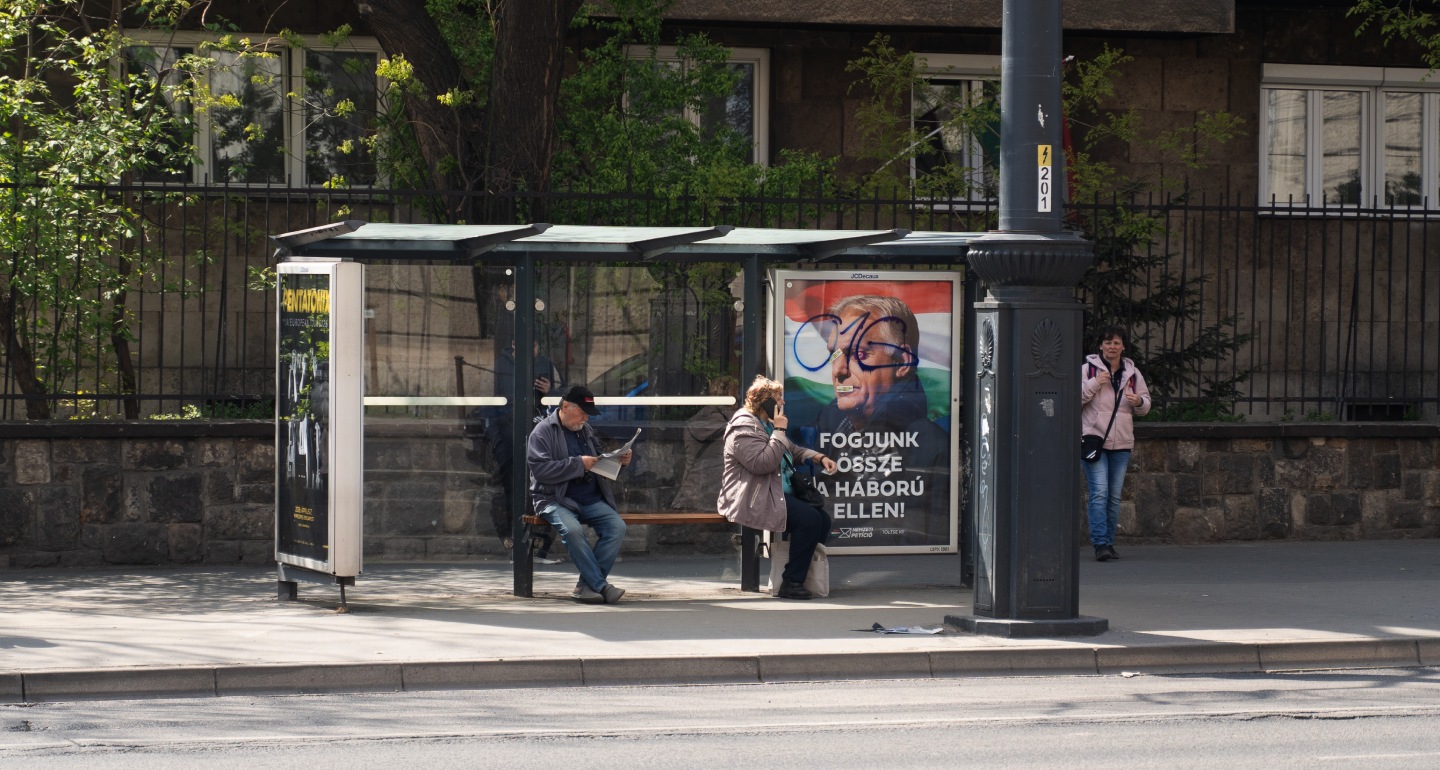
Orbán created an image for himself as virtually the only opponent of aid to Ukraine in the entire EU. But in reality, he was simply willing to use his veto to absorb all the backlash, allowing other opponents to remain in the shadows.
Maksim Samorukov