

Paper
Lora Saalman
{
  "authors": [
    "Lora Saalman"
  ],
  "type": "legacyinthemedia",
  "centerAffiliationAll": "",
  "centers": [
    "Carnegie Endowment for International Peace",
    "Carnegie China"
  ],
  "collections": [
    "China’s Foreign Relations"
  ],
  "englishNewsletterAll": "",
  "nonEnglishNewsletterAll": "",
  "primaryCenter": "Carnegie Endowment for International Peace",
  "programAffiliation": "",
  "programs": [],
  "projects": [],
  "regions": [
    "North America",
    "United States",
    "South Asia",
    "India",
    "East Asia",
    "China"
  ],
  "topics": [
    "Economy",
    "Security",
    "Arms Control",
    "Foreign Policy"
  ]
}
REQUIRED IMAGE
Beijing believes that China's strategic and security interests must be met in order to ensure that economic gains follow.
Source: Red Pix
Speaking to Red Pix, Carnegie-Tsinghua’s Lora Saalman discussed China’s global foreign policy aims. Saalman described how China’s most recent White Paper reflects Beijing's position that strategic and security interests must be met in order to ensure that economic gains follow. She detailed how China’s foreign policy now reflects an “ideology of markets” rather than one of global communism, and noted that China is actively seeking to avoid any bipolar dynamic with the United States reminiscent of the Cold War.
Saalman next addressed extant Sino-Indian problems stemming from the ambiguity of the Line of Actual Control and the failure to develop successful mechanisms to address border problems. She added that Sino-Sri Lankan ties reflect China engaging militarily and economically abroad to ensure a key component of its sea lines of communication. She concluded with a discussion of nuclear policies, noting that nuclear global policies are in flux, and that Asia will lead the charge in the future of nuclear development and forays into export markets.

Former Nonresident Associate, Nuclear Policy Program
Saalman was a nonresident associate in the Nuclear Policy Program at the Carnegie Endowment for International Peace. Her research focuses on China’s nuclear and strategic policies toward India, Russia, and arms control.
Recent Work
Lora Saalman
Lora Saalman
Carnegie does not take institutional positions on public policy issues; the views represented herein are those of the author(s) and do not necessarily reflect the views of Carnegie, its staff, or its trustees.

Five problems—and solutions—to make it actually work as a tool of great power competition.

Afreen Akhter
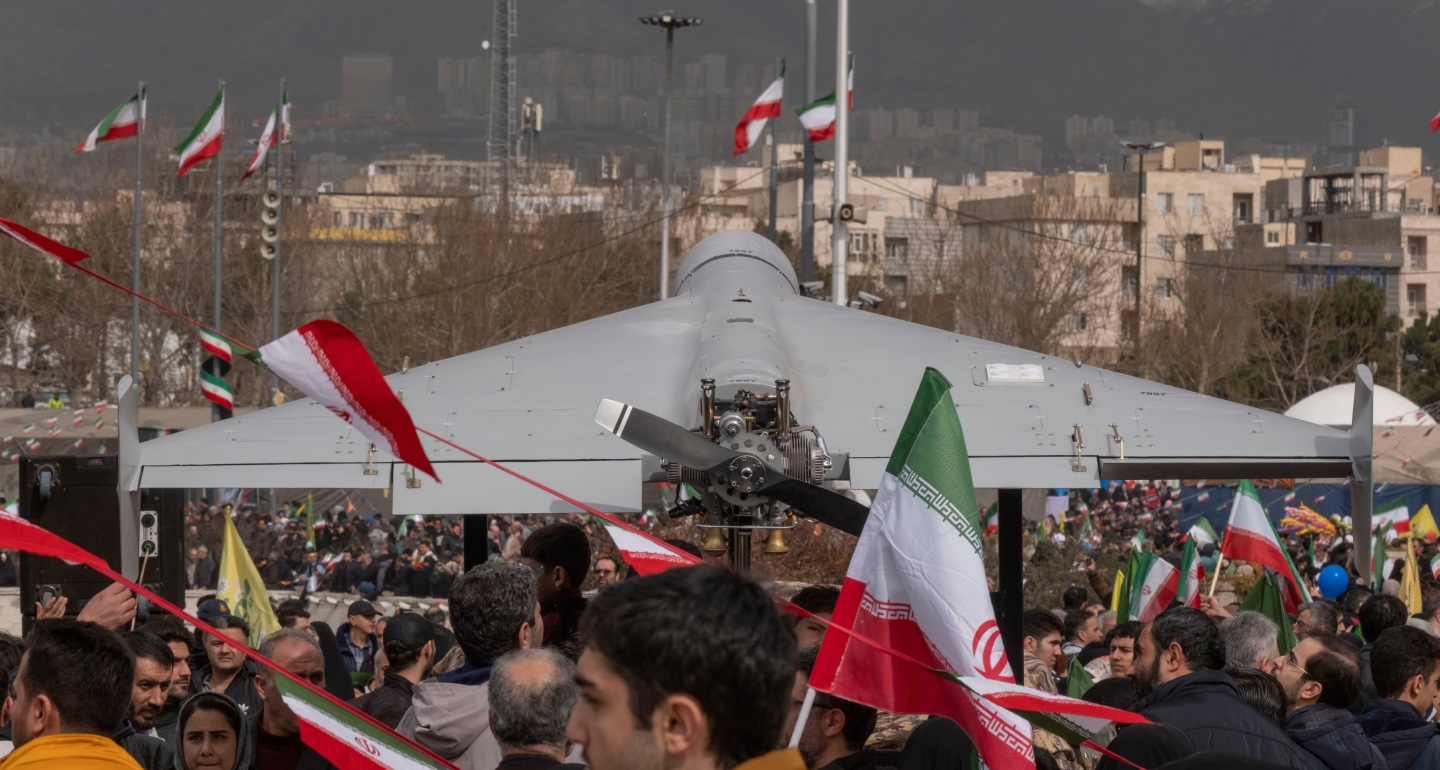
The Russian leadership wants to avoid a dangerous precedent in which it is squeezed out of Iran by the United States and Israel—and left powerless to respond in any meaningful way.

Nikita Smagin

One is hopeful. One is realistic. One is cautionary.

Andrew Leber, Sam Worby
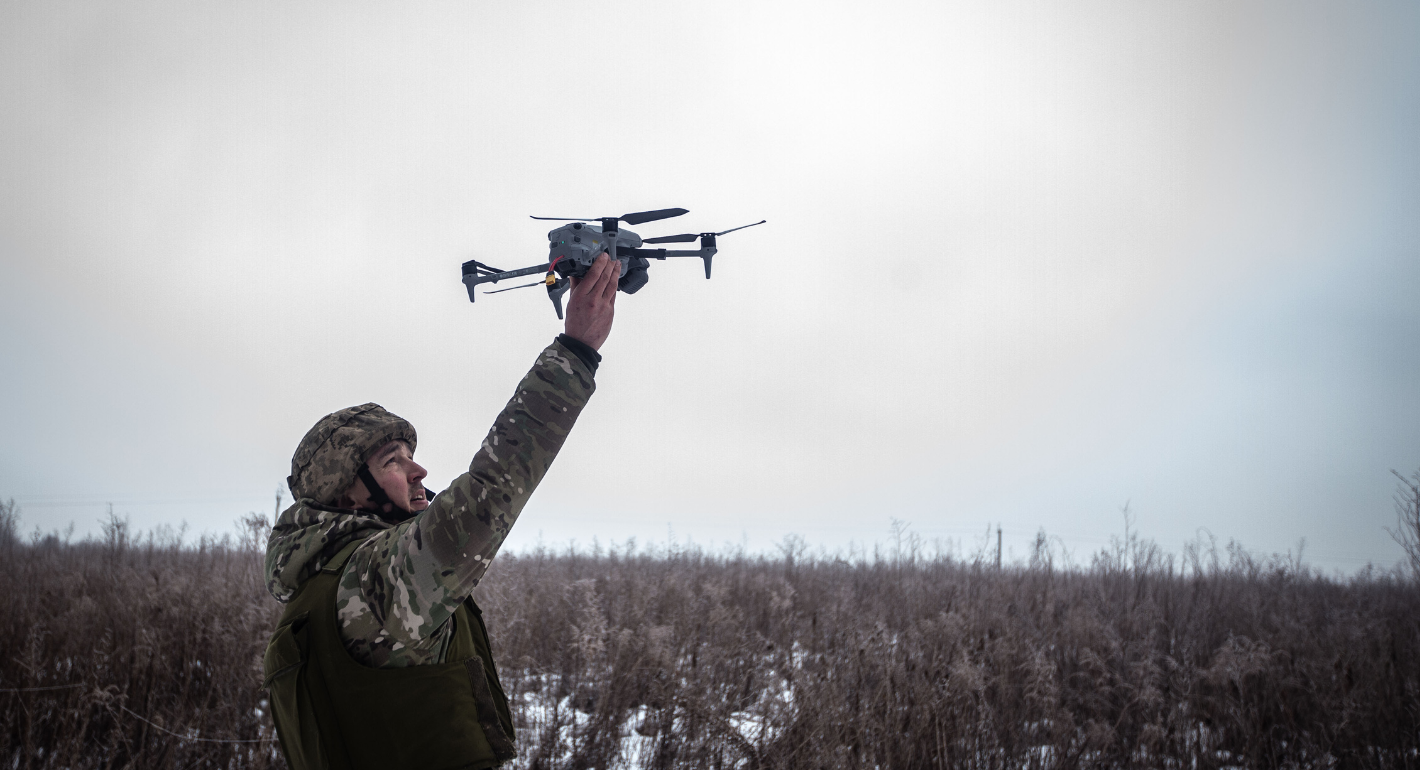
In Ukraine, Gaza, and Iran, AI warfare has come to dominate, with barely any oversight or accountability. Europe must lead the charge on the responsible use of new military technologies.

Raluca Csernatoni
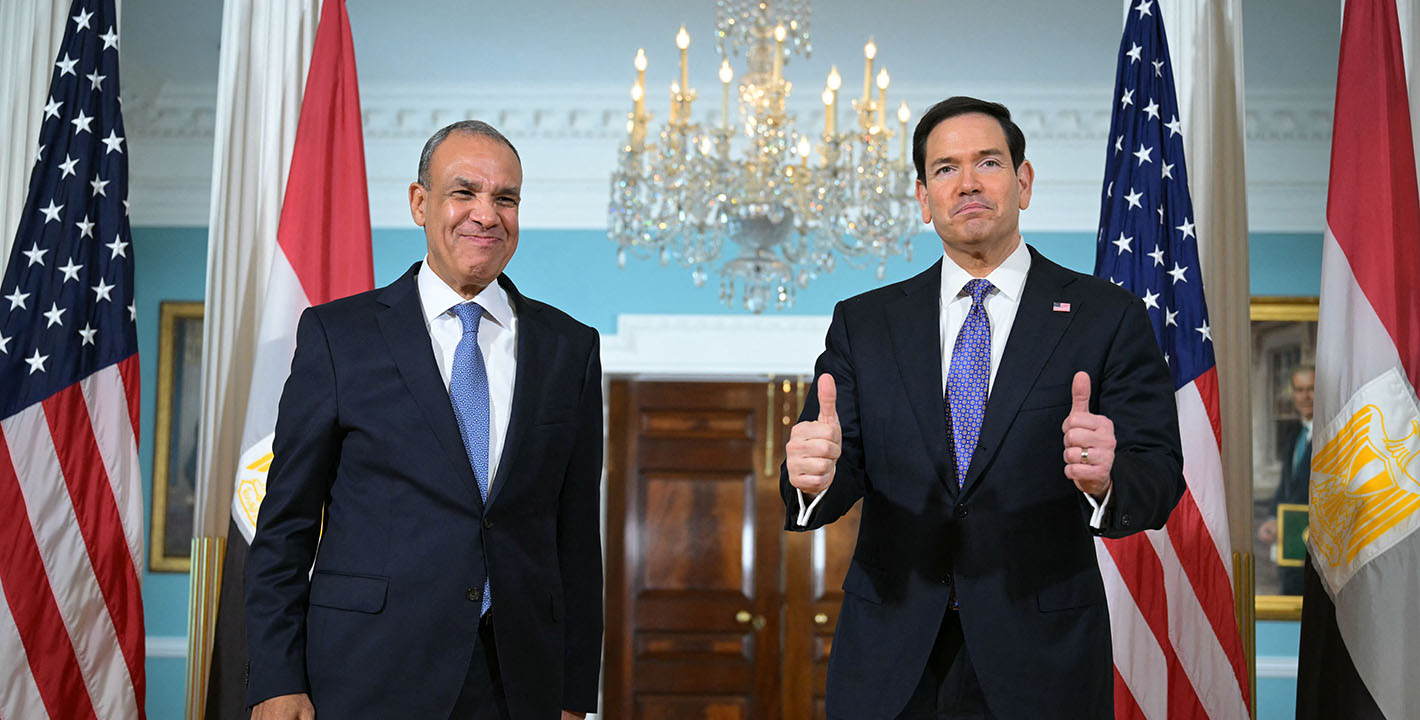
Cairo’s efforts send a message to the United States and the region that it still has a place at the diplomatic table.

Angie Omar