

Q&A
Aaron David Miller, Karim Sadjadpour, Robin Wright
{
  "authors": [
    "Karim Sadjadpour"
  ],
  "type": "legacyinthemedia",
  "centerAffiliationAll": "dc",
  "centers": [
    "Carnegie Endowment for International Peace",
    "Malcolm H. Kerr Carnegie Middle East Center"
  ],
  "collections": [
    "Iranian Proliferation"
  ],
  "englishNewsletterAll": "menaTransitions",
  "nonEnglishNewsletterAll": "",
  "primaryCenter": "Carnegie Endowment for International Peace",
  "programAffiliation": "MEP",
  "programs": [
    "Middle East"
  ],
  "projects": [],
  "regions": [
    "Middle East",
    "Iran"
  ],
  "topics": [
    "Political Reform",
    "Foreign Policy",
    "Nuclear Policy"
  ]
}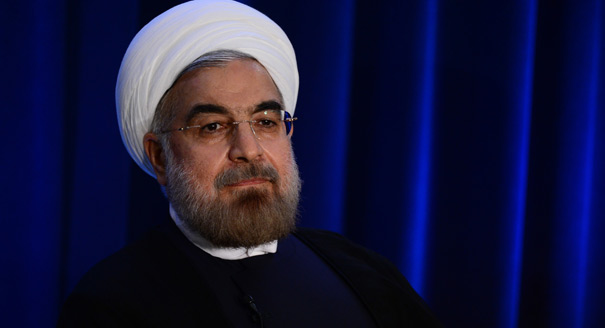
Source: Getty
If a nuclear deal with Iran is not reached within the next six months, Congress is intent on passing new sanctions.
Source: WBUR Here and Now
Speaking to Here and Now, Carnegie’s Karim Sadjadpour said that since becoming Iran’s president last year, Hassan Rouhani has tried to reconcile Iran’s revolutionary ideology with its national interests. However, Sadjadpour argued, these two things will be very difficult to resolve and there’s a group of very powerful, entrenched hardliners who stand to lose a lot if Iran becomes more integrated with the outside world political and economically.
“In order to reach a nuclear deal with the United States, Rouhani needs to somehow win the support of hardline forces within the Revolutionary Guards and the office of the Supreme Leader, who really oversee Iran’s nuclear program,” Sadjadpour said. Congress is very skeptical of these talks—they feel like it was their sanctions which forced Iran to the nuclear negotiating table, he concluded, and if a deal is not reached within the next six months, Congress is intent on passing new sanctions.

Senior Fellow, Middle East Program
Karim Sadjadpour is a senior fellow at the Carnegie Endowment for International Peace, where he focuses on Iran and U.S. foreign policy toward the Middle East.
Recent Work


Aaron David Miller, Karim Sadjadpour, Robin Wright
Aaron David Miller, David Petraeus, Karim Sadjadpour
Carnegie does not take institutional positions on public policy issues; the views represented herein are those of the author(s) and do not necessarily reflect the views of Carnegie, its staff, or its trustees.
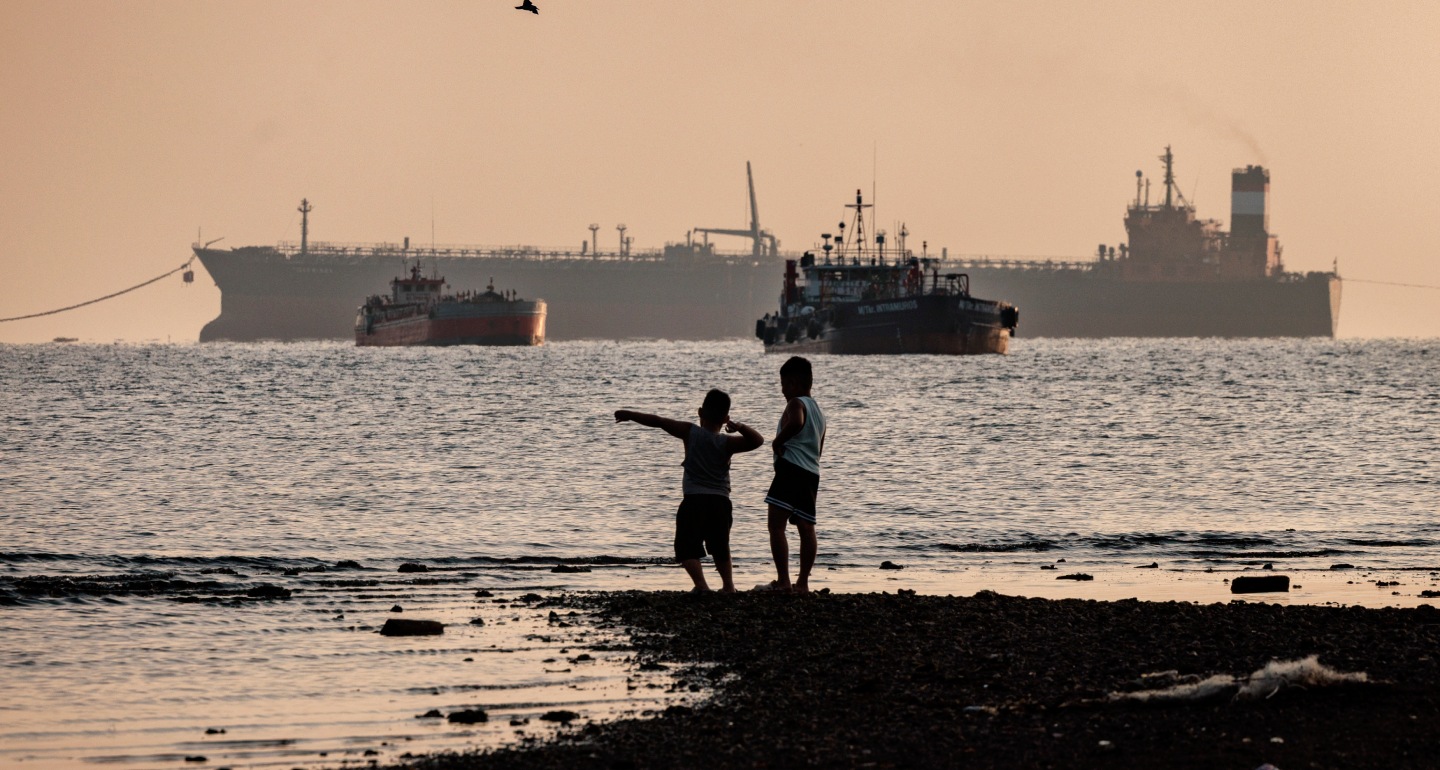
Although Ukrainian strikes have led to a noticeable decline in the physical volume of Russian oil exports, the rise in prices has more than made up for it.

Sergey Vakulenko

Five problems—and solutions—to make it actually work as a tool of great power competition.
Afreen Akhter
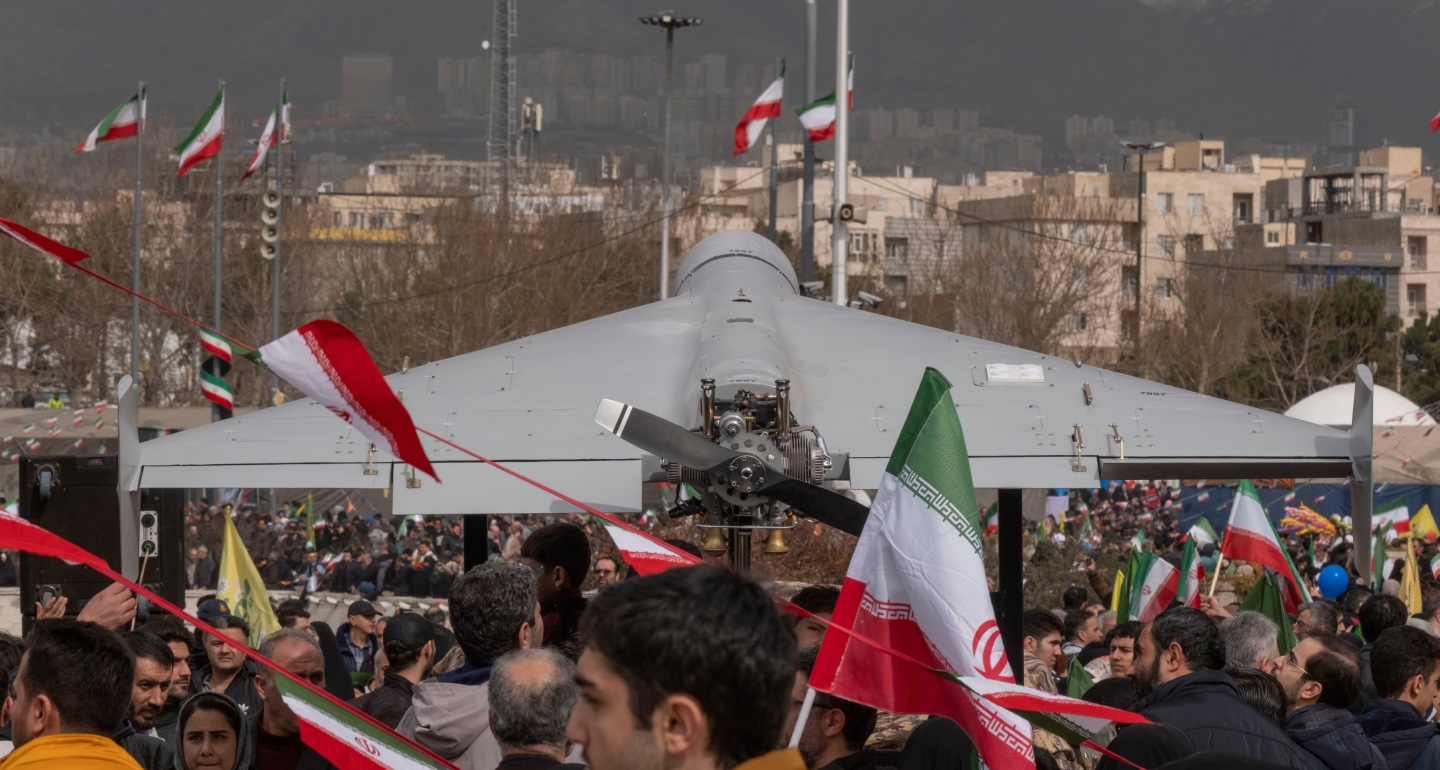
The Russian leadership wants to avoid a dangerous precedent in which it is squeezed out of Iran by the United States and Israel—and left powerless to respond in any meaningful way.

Nikita Smagin
One is hopeful. One is realistic. One is cautionary.

Andrew Leber, Sam Worby
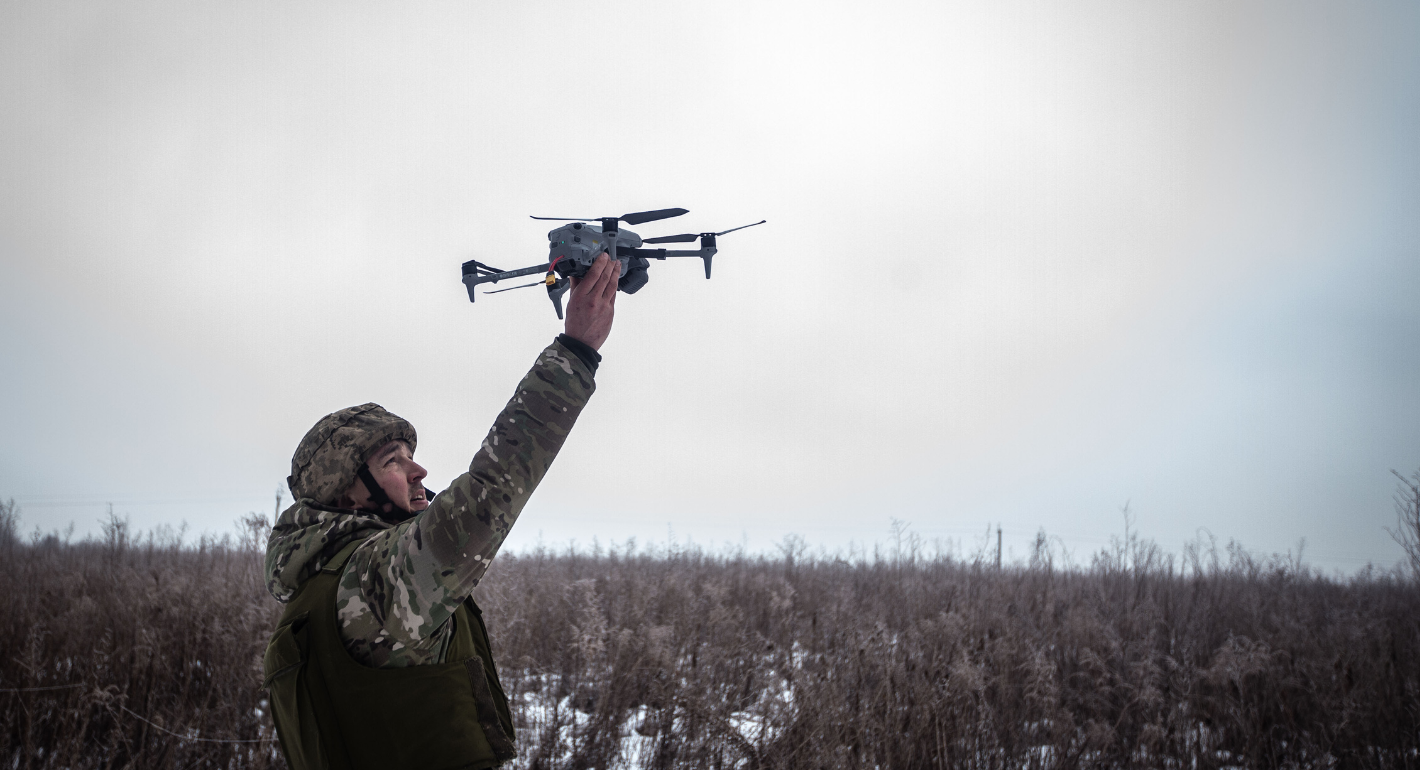
In Ukraine, Gaza, and Iran, AI warfare has come to dominate, with barely any oversight or accountability. Europe must lead the charge on the responsible use of new military technologies.

Raluca Csernatoni