

Paper
Renée DiResta, Rachel Kleinfeld, Margot Treadwell
{
  "authors": [
    "Rachel Kleinfeld"
  ],
  "type": "other",
  "centerAffiliationAll": "dc",
  "centers": [
    "Carnegie Endowment for International Peace"
  ],
  "collections": [
    "Anti-Corruption"
  ],
  "englishNewsletterAll": "democracy",
  "nonEnglishNewsletterAll": "",
  "primaryCenter": "Carnegie Endowment for International Peace",
  "programAffiliation": "DCG",
  "programs": [
    "Democracy, Conflict, and Governance"
  ],
  "projects": [],
  "regions": [],
  "topics": [
    "Political Reform",
    "Democracy"
  ]
}
Source: Getty
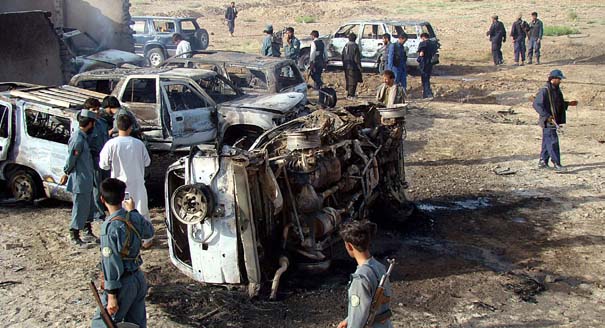
The world today seems engulfed in violence, from terror in the Middle East to near-daily mass shootings in America. In reality, most countries today are far safer than in the past.
Source: Center for Advanced Study in the Behavioral Sciences at Stanford University
The world today seems engulfed in violence, from ISIS-inspired terror in the Middle East, to near-daily mass shootings in America. In reality, most countries today are far safer than in the past. But some places are stuck in cycles of extreme, compounded violence, where terrorists, gangs, organized crime, regular crime, and state brutality create a pall of fear over daily life.
What makes some countries so violent? How have some countries managed to move from extremes of bloodshed to freedom from fear? What can the findings tell us about countries caught in the throes of violence today?
Over the past three years, 2015-16 CASBS fellow Rachel Kleinfeld conducted field research on every settled continent to answer those questions. In her CASBS symposium lecture, she discussed the themes and findings of her forthcoming book.
"As I traveled from the former Soviet Union to Colombia, West Africa to Sicily, patterns started to emerge in how countries got better," said Kleinfeld. "Bringing down violence turned out to be a spiral: Countries got better in some ways, but those very successes caused new problems. The path was not what I expected - and certainly not what I wanted to find. But it kept repeating. Clearly, there was a way out of violence, but it was hard and morally murky."
Kleinfeld’s findings provide a path for policymakers and people wishing to make change in their own countries that has worked in the past, and, she believes, could work again.
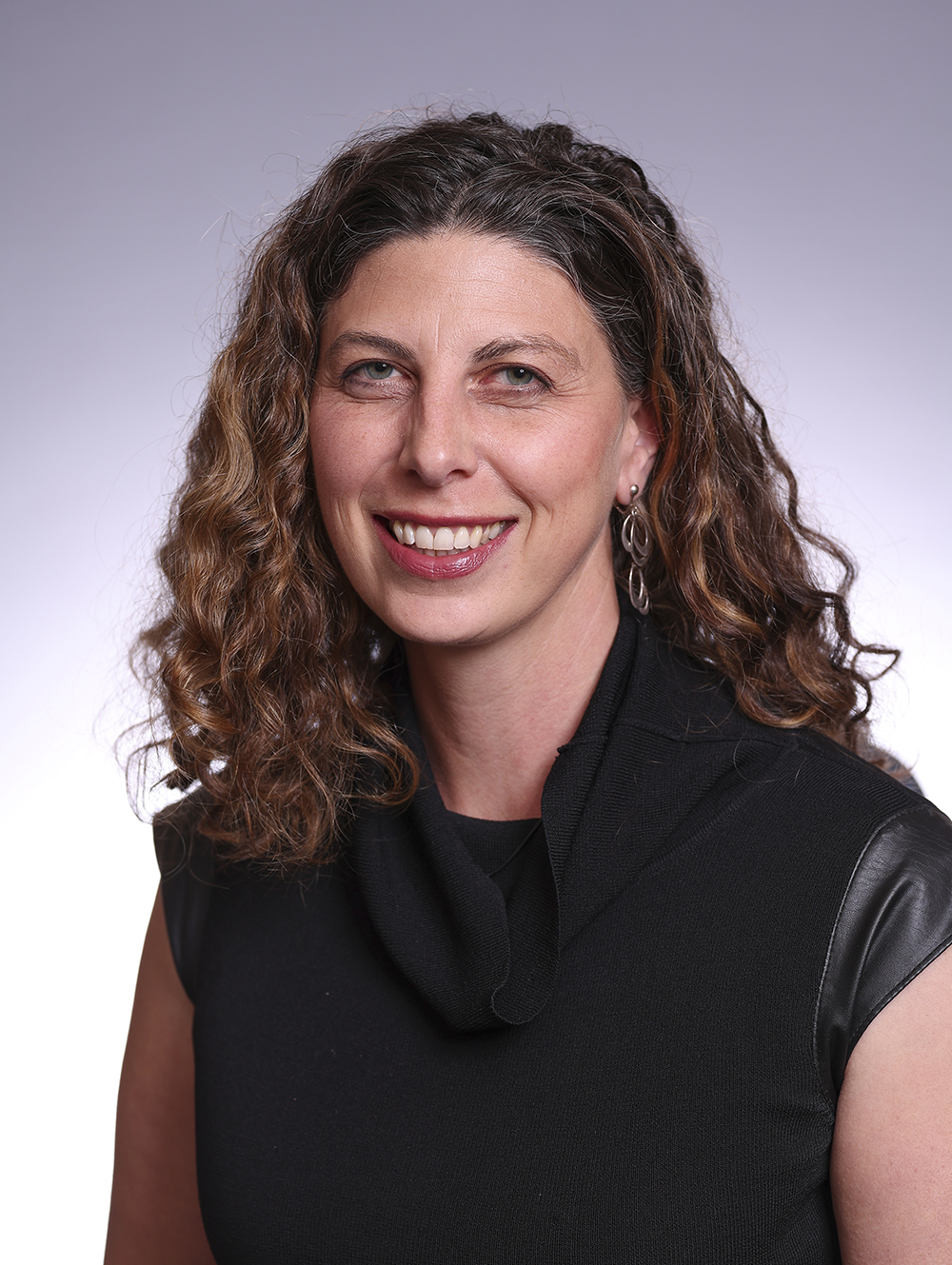
Senior Fellow, Democracy, Conflict, and Governance Program
Rachel Kleinfeld is a senior fellow in Carnegie’s Democracy, Conflict, and Governance Program, where she focuses on issues of rule of law, security, and governance in democracies experiencing polarization, violence, and other governance problems.
Recent Work
Renée DiResta, Rachel Kleinfeld, Margot Treadwell
Political Violence Researchers, Rachel Kleinfeld, ed., Dalya Berkowitz, ed.
Carnegie does not take institutional positions on public policy issues; the views represented herein are those of the author(s) and do not necessarily reflect the views of Carnegie, its staff, or its trustees.

Russia’s ruling party would have benefited from Putin appearing as its distant patron, but as an active frontman imposing his views on the public, he has done nothing but harm both the party’s election campaign and the ruling system overall.

Andrey Pertsev
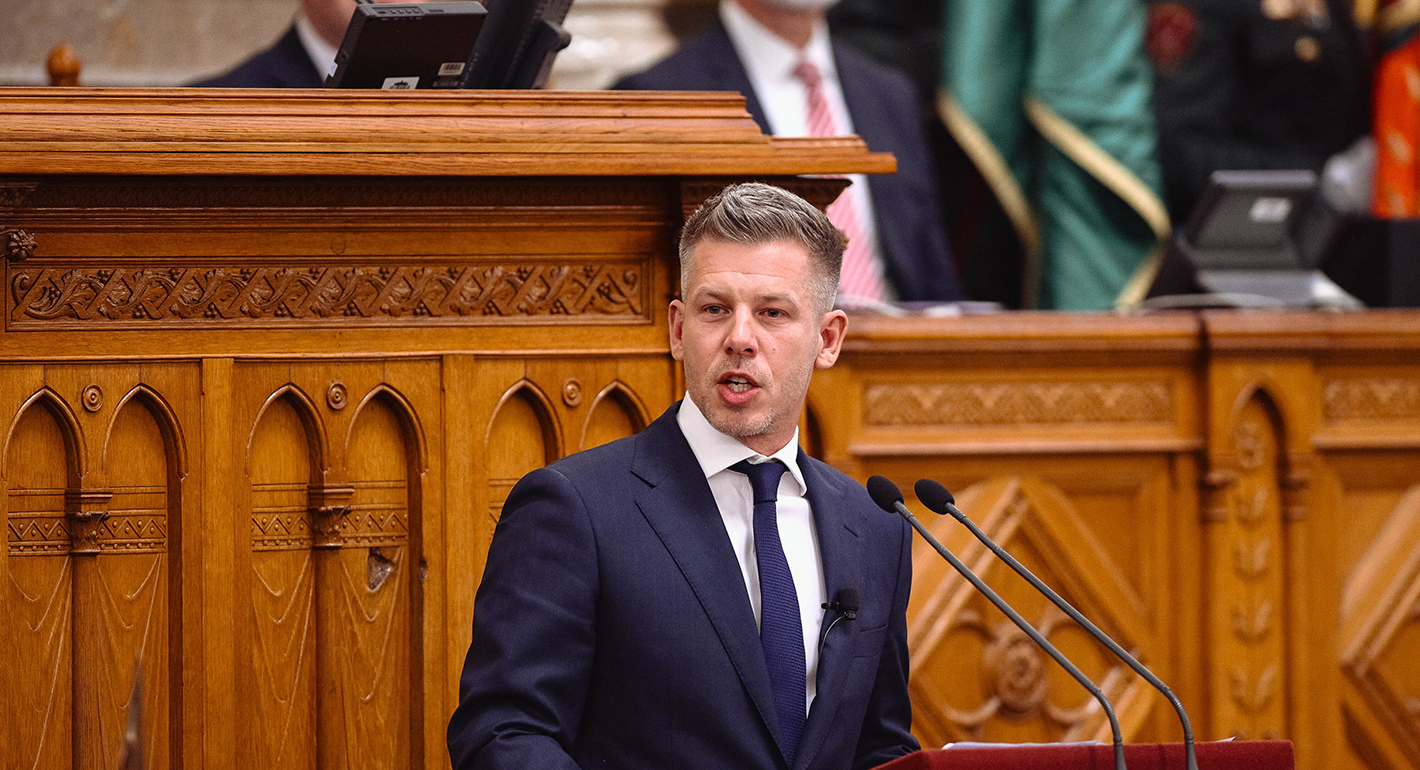
Despite myriad challenges and occasional stumbles, the new Hungarian government is moving ahead with energy and conviction to uproot years of illiberalism and corruption and rebuild Hungarian democracy.

Thomas Carothers

Radical-right parties are expected to do well in upcoming elections in four of the EU's biggest member states. If successful, they could prevent the union from addressing key challenges ahead.

Stefan Lehne

By abandoning past U.S. pro-democracy policies and adopting several lines of pro-autocratic action, the Trump administration has fundamentally repositioned the United States vis-à-vis democracy in the world.
Thomas Carothers

In the tenth year of his presidency, President Mirziyoyev’s system is becoming even more personalized than that of his predecessor Karimov.

Galiya Ibragimova