

Article
Deborah Gordon, Stephen D. Ziman
{
  "authors": [
    "Deborah Gordon"
  ],
  "type": "legacyinthemedia",
  "centerAffiliationAll": "dc",
  "centers": [
    "Carnegie Endowment for International Peace"
  ],
  "collections": [],
  "englishNewsletterAll": "ctw",
  "nonEnglishNewsletterAll": "",
  "primaryCenter": "Carnegie Endowment for International Peace",
  "programAffiliation": "SCP",
  "programs": [
    "Sustainability, Climate, and Geopolitics"
  ],
  "projects": [
    "Carnegie Oil Initiative"
  ],
  "regions": [
    "North America"
  ],
  "topics": [
    "Climate Change"
  ]
}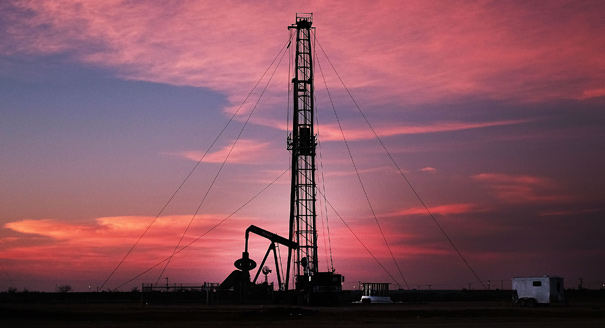
Source: Getty
A smart carbon tax differentiates among the different chemical entities called “oil,” accounts for GHG emissions along the entire oil supply chain, and includes byproducts that do not fuel transport.
Source: Hill
Oil is the other fossil fuel. It has long been overshadowed by coal—and, more recently, natural gas—when it comes to addressing climate change. This circumstance is curious, considering that oil ranks first in global energy demand and is the number one source of U.S. greenhouse gas (GHG) emissions.
Compared to the simpler lifecycles, limited geographic reach, and smaller capitalization of coal and gas, oil’s supply chain is intricate, long, and large. Geologically- and chemically-diverse oil resources are produced and refined worldwide into an array of petroleum products that consumers depend on for personal mobility, goods shipping, outdoor barbeques, everything plastic, and more. No wonder a sensible climate policy fully incorporating oil seems daunting.Prior carbon tax proposals that would apply to oil have been blunt and distorting. They have taken the form of flat fees, gasoline taxes, and BTU taxes that send a perverse market signals and are not up to the task of climate stabilization.
Until now.
There is a novel way to design a smart tax using an Oil-Climate Index (or OCI). Developed in a partnership between researchers at the Carnegie Endowment for International Peace, Stanford University, and the University of Calgary, the OCI is the first-of-its-kind analytic tool that quantifies the total life-cycle GHG emissions of individual oils—from upstream extraction to midstream refining to downstream end use. The engineering models that underpin the OCI identify variations in the profile of GHG emissions for different oils in different stages of the supply chain. Taken together, the emissions estimated using the OCI along with policymakers’ decisions about the social cost of GHG emissions make it possible to calculate a smart tax to apply fairly on oil producers, refiners, and consumers. And as future oil breakthroughs follow in the footsteps of fracking, all it will take is open-source data to estimate the right tax on future oil resources using the OCI.
Traditional tax designs are blunt instruments that treat all oils alike or tax only consumption of end products. Blunt taxes leave major oil emissions untaxed, treat dirtier oils more favorably than cleaner ones, provide no incentive for technological innovation, and offer no incentive for refiners to consider climate in determining product mix. A smart tax differentiates among the very different chemical entities called “oil,” accounts for GHG emissions along the entire oil supply chain, and includes byproducts that do not fuel transport, thereby correcting the shortcomings of a blunt tax.
The ability to replace blunt tax designs with a smart tax that captures total GHG emissions and their variability among global oils creates new climate policy opportunities that reduce economic cost and enhance market efficiency. Pricing oil for a safe climate is especially important for North American policymaking, the continent leading the unconventional oil revolution. The United States, Canada, and Mexico—which trade large volumes of crude and petroleum products with one another and together supply and consume one in four barrels of global oil—must catch up to the new climate realities of today’s oil landscape.
The implementation of a smart tax is administratively, economically, and politically feasible. Assessing charges at the refinery level allows the very small number of refiners to pass the charges up the supply chain to producers and crude transporters and down to product transporters and consumers. Selecting a lead government agency to standardize, collect, and make available a range of necessary data should be an early step. Applying border tax adjustments avoids the loss of competitiveness. Spreading the tax to all the responsible industry actors rather than pinning a tax only on consumers lowers political barriers to enactment. Moreover, making the smart tax revenue neutral with a formula for returning revenues to the economy that is simple and transparent to the public, can be equally attractive to both major political parties—or at least more appealing than the alternative of a flat tax or waves of new regulation.
To transform energy use and supply across the economy, GHG emissions will have to be priced and the power of the market brought to bear. Regulation and government funding of R&D are necessary but not sufficient to slow climate change. This is especially true in the oil sector. The long-standing expectation of a gradual, shortage-driven shift to clean fuels has been replaced by the need for a swift transformation in the face of abundant oil supply. National policy making has not begun to catch up. A new smart tax design offers a way to do so.

Former Director and Senior Fellow, Energy and Climate Program
Gordon was director of Carnegie’s Energy and Climate Program, where her research focuses on oil and climate change issues in North America and globally.
Recent Work
Deborah Gordon, Stephen D. Ziman
Deborah Gordon, Smriti Kumble, David Livingston
Carnegie does not take institutional positions on public policy issues; the views represented herein are those of the author(s) and do not necessarily reflect the views of Carnegie, its staff, or its trustees.
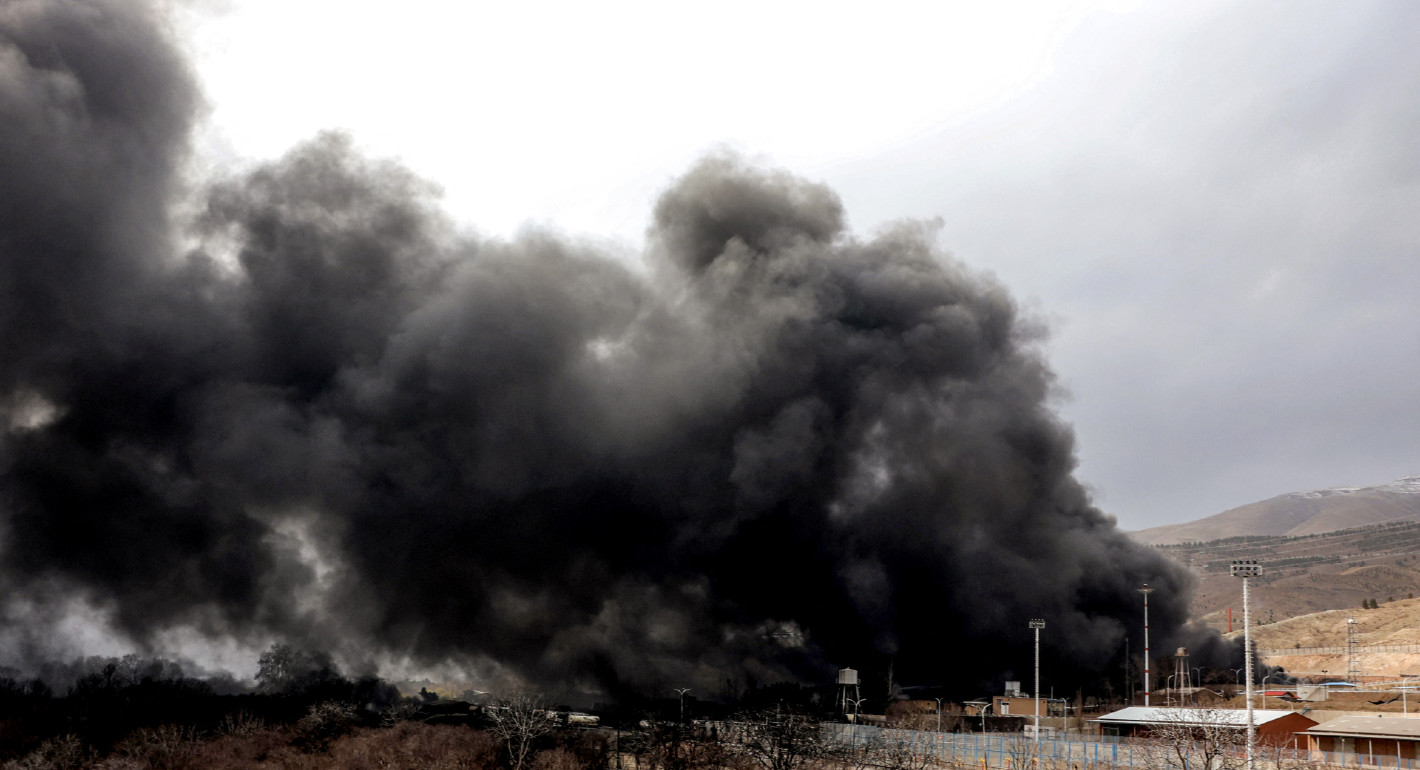
Understanding the climatic pain points is necessary for policymakers hoping to minimize the war’s negative environmental consequences.



Alejandro Martin Rodriguez, Joy Arkeh, Sarah Yerkes
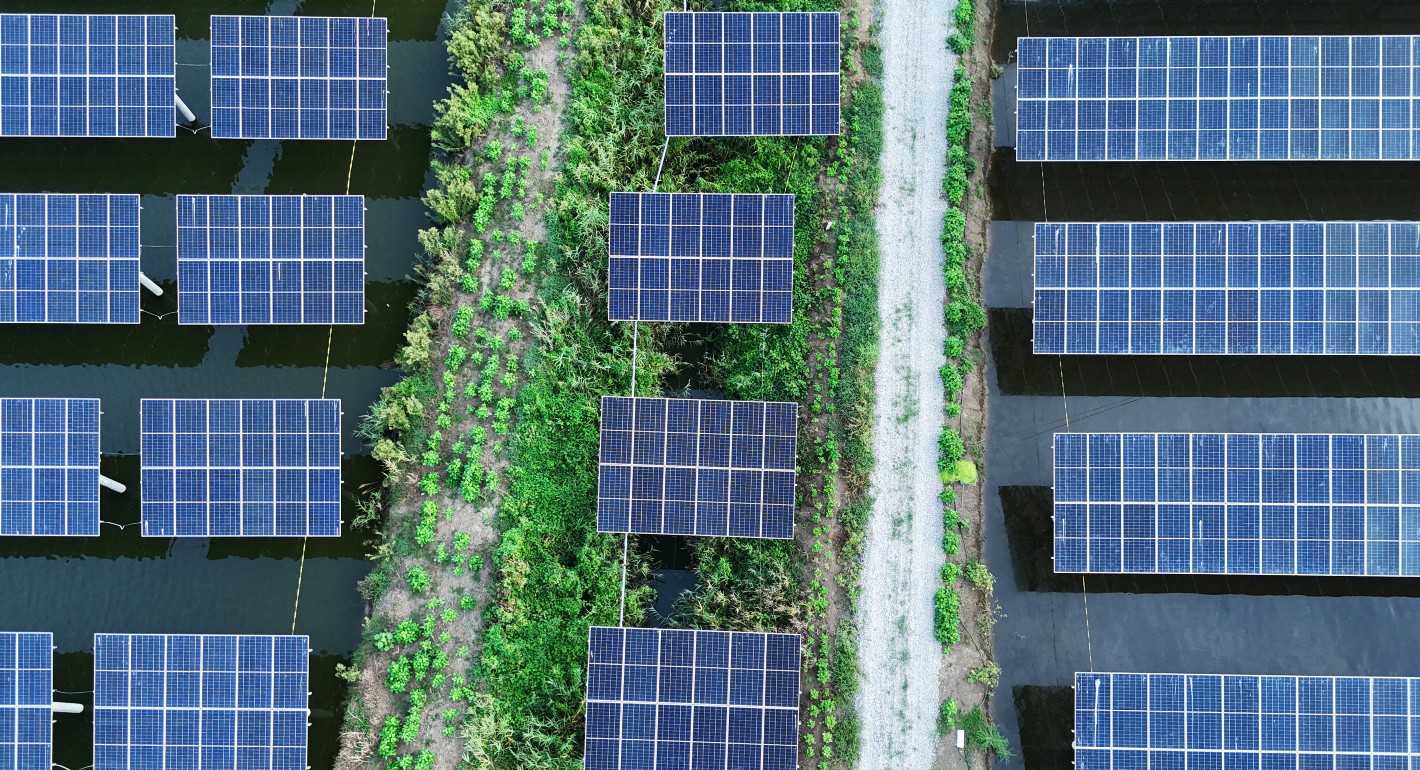
Congress needs to step up and make EXIM a low-carbon financing powerhouse.

Jesse Young

By focusing only on hard security, the Shield ignores the conditions that fuel cartel power.

Alejandro Martin Rodriguez, Kayly Ober
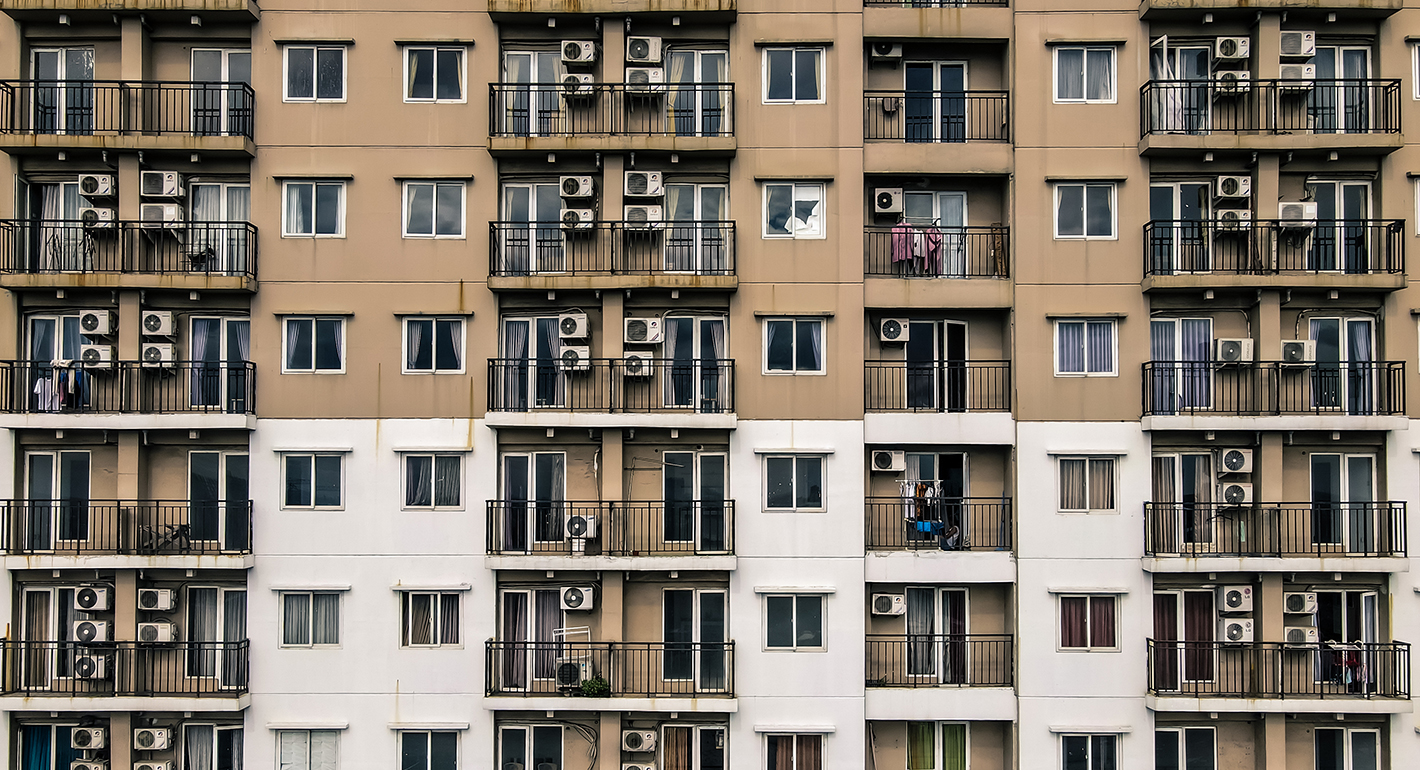
Investments in a climate-friendly cooling system known as geothermal district cooling will help rapidly urbanizing societies resist dangerous heat indexes.


Daevan Mangalmurti, Debbra Goh, Milo McBride

When faced with fuel shortages in the past, Central Asian governments could always count on additional supplies from Moscow. That safety net no longer exists.

Galiya Ibragimova