

Commentary
Ahead of a tough winter for Ukraine, Donald Trump’s swing back toward Russia bodes ill. But instead of panicking, Kyiv’s European allies are focusing on action.
Rym Momtaz
{
  "authors": [
    "Thomas Carothers",
    "Mark Freeman",
    "Cale Salih",
    "Robert Templer"
  ],
  "type": "other",
  "centerAffiliationAll": "dc",
  "centers": [
    "Carnegie Endowment for International Peace"
  ],
  "collections": [
    "Democracy and Governance",
    "Violence and Conflict"
  ],
  "englishNewsletterAll": "democracy",
  "nonEnglishNewsletterAll": "",
  "primaryCenter": "Carnegie Endowment for International Peace",
  "programAffiliation": "DCG",
  "programs": [
    "Democracy, Conflict, and Governance"
  ],
  "projects": [],
  "regions": [],
  "topics": [
    "Democracy",
    "Foreign Policy"
  ]
}
Source: Getty
This guide aims to help recipients of transition assistance better understand how the Western aid system operates so that they may find ways to ensure that their vision is supported, rather than hindered, by assistance providers.
Source: Institute for Integrated Transitions
Drawing on decades of experience with international assistance in dozens of transitional countries, this guide seeks to explain—for the benefit of local governmental and nongovernmental aid recipients—the Western aid system that lands in their countries in periods of transition out of war or authoritarianism. The aim is to help recipients of transition assistance better understand how the industry operates so that they may find ways to ensure that their vision is supported, rather than hindered, by assistance providers.
The guide aims to clarify the kinds of international actors offering such assistance, their motivations and interests, the forms of assistance they offer, the theories of change on which their actions are based, and the sorts of operational issues that arise most frequently in practice. It is premised on the conviction that greater knowledge and tools on the part of those on the receiving side can appreciably improve the results of national transitions.
This report was originally published by the Institute for Integrated Transitions.

Harvey V. Fineberg Chair for Democracy Studies; Senior Fellow, Democracy, Conflict, and Governance Program
Thomas Carothers, a senior fellow in the Carnegie Endowment for International Peace’s Democracy, Conflict, and Governance Program, is a leading expert on comparative democratization and international support for democracy.
Mark Freeman
Cale Salih
Robert Templer
Carnegie does not take institutional positions on public policy issues; the views represented herein are those of the author(s) and do not necessarily reflect the views of Carnegie, its staff, or its trustees.

Ahead of a tough winter for Ukraine, Donald Trump’s swing back toward Russia bodes ill. But instead of panicking, Kyiv’s European allies are focusing on action.

Rym Momtaz

Without a ceasefire with Ukraine on attacking each other’s energy infrastructure—to which the Kremlin is unlikely to agree—the diesel agreement between Putin and Trump is largely for show, rather than representing a genuine increase in the volumes of Russian diesel on the global market.

Sergey Vakulenko
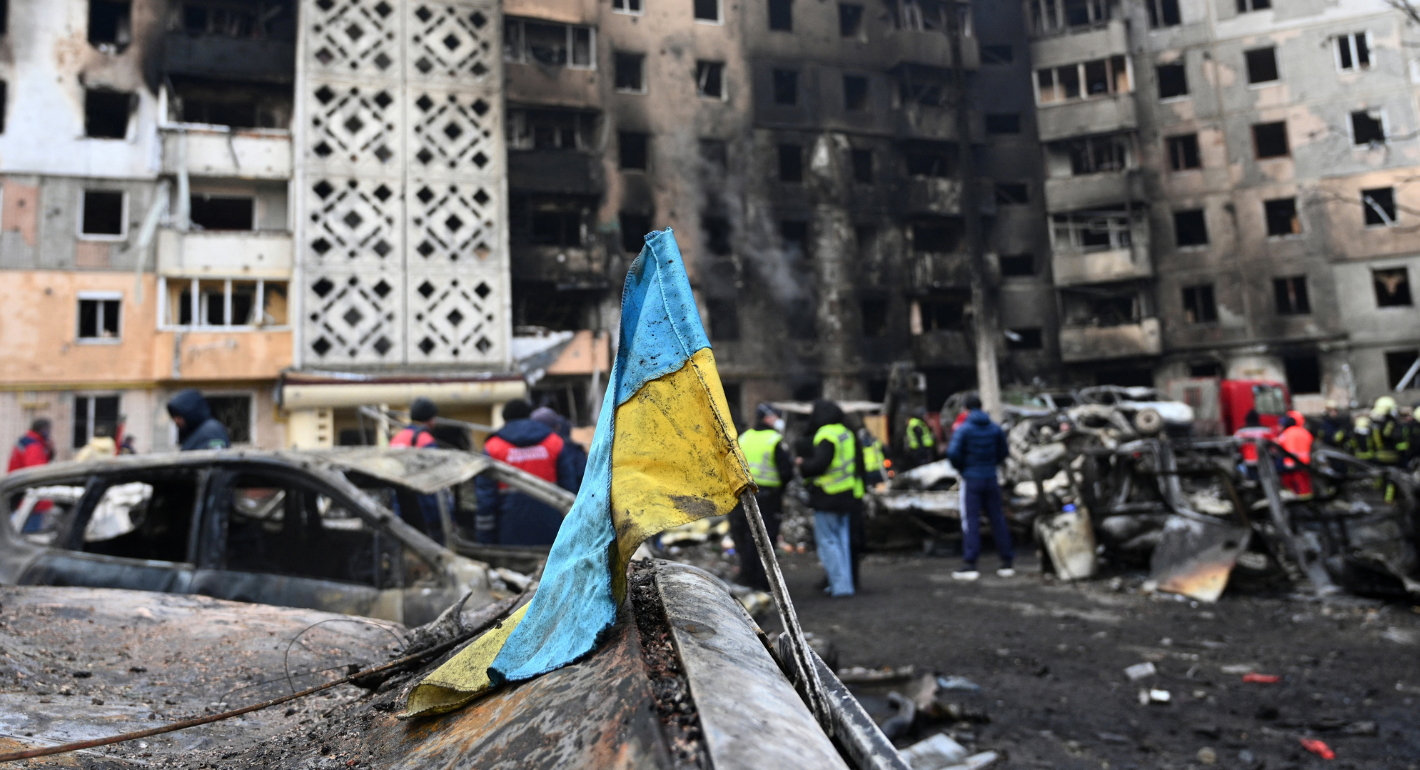
Funding Ukraine remains a priority for European leaders. As Russia’s war of aggression heads into another winter, two feasible options to mobilize support for Kyiv should be fast-tracked.
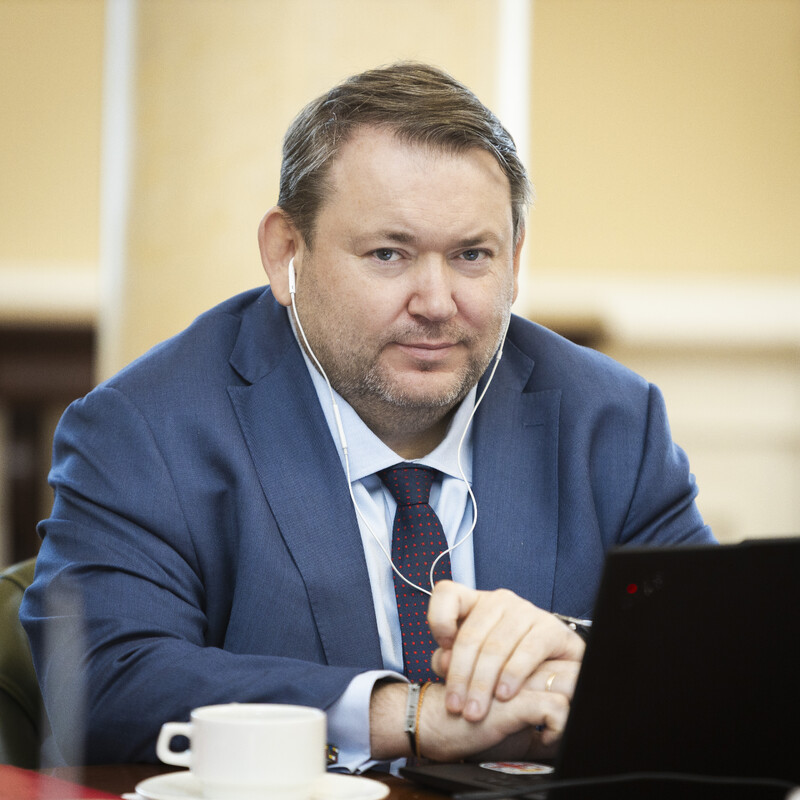
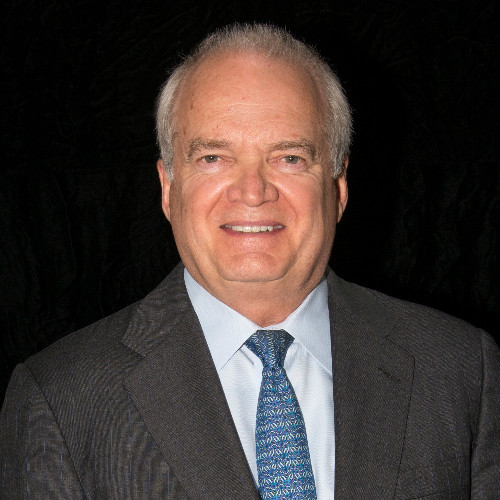
Vladyslav Rashkovan, Gregory P. Wilson
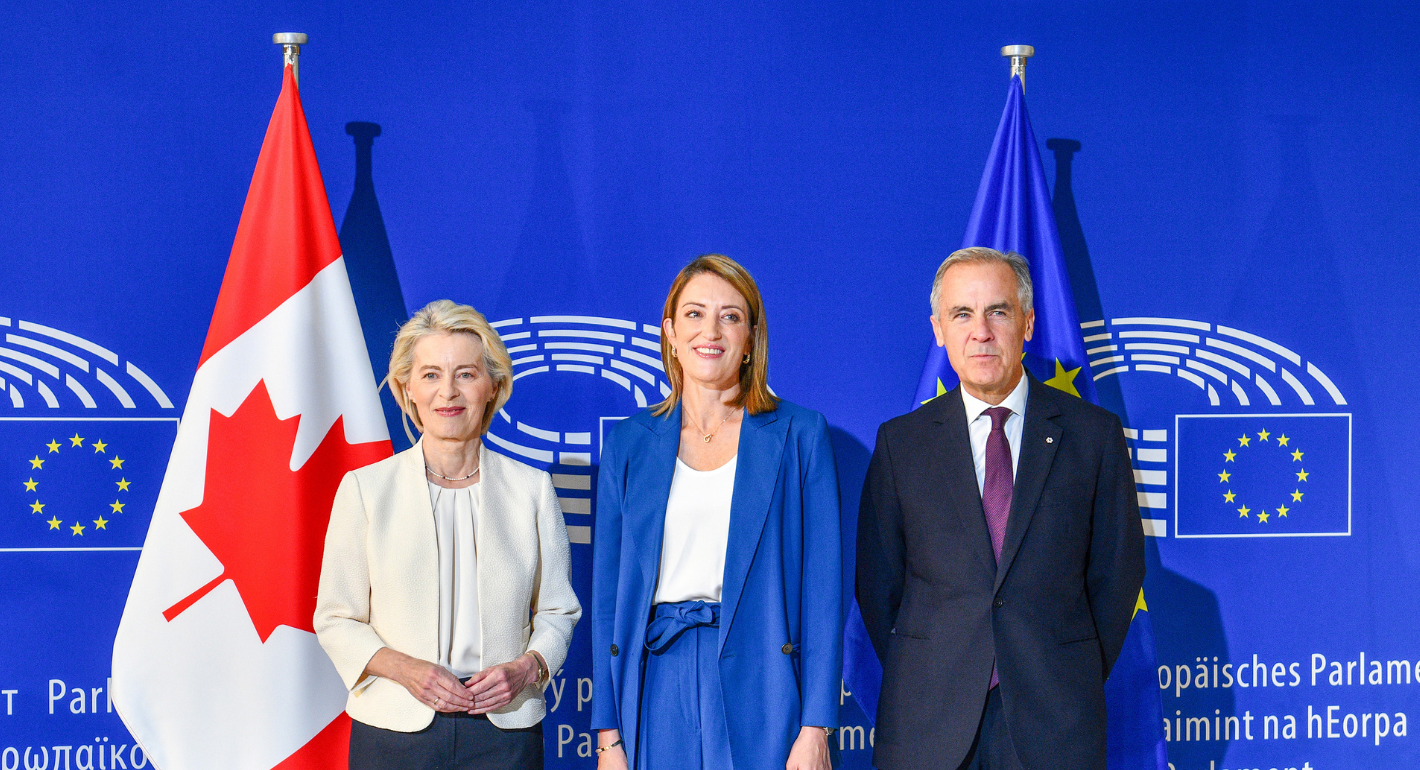
While the EU and European governments are embracing the much-lauded middle-power moment, this entails three difficult conundrums.

Richard Youngs

The middle power moment will not be defined by sovereign states alone, and California stands out for its potential contributions to international cooperation.

Ian Klaus, Stewart Patrick