

Commentary
In an interview, Rozina Ali discusses her new book on the rise and manifestations of Islamophobia in the United States.
Michael Young
{
  "authors": [
    "Denis McDonough"
  ],
  "type": "legacyinthemedia",
  "centerAffiliationAll": "dc",
  "centers": [
    "Carnegie Endowment for International Peace"
  ],
  "collections": [],
  "englishNewsletterAll": "ctw",
  "nonEnglishNewsletterAll": "",
  "primaryCenter": "Carnegie Endowment for International Peace",
  "programAffiliation": "TIA",
  "programs": [
    "Technology and International Affairs"
  ],
  "projects": [],
  "regions": [
    "North America",
    "United States",
    "South Asia",
    "Afghanistan",
    "Iran"
  ],
  "topics": [
    "Security",
    "Military",
    "Foreign Policy",
    "Global Governance"
  ]
}
Source: Getty
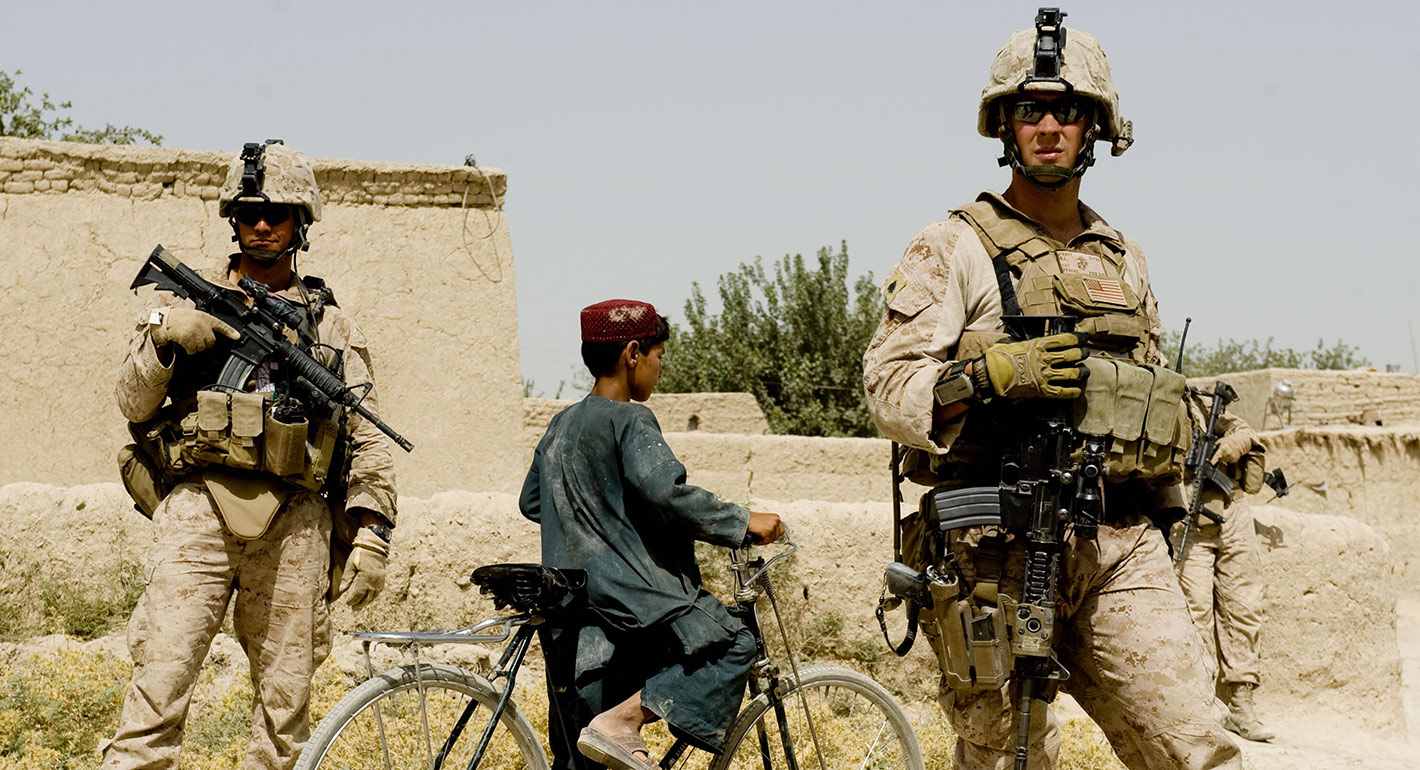
Congress has fallen behind on meeting oversight obligation, which is to assess the fitness of officials who would represent the United States overseas in diplomatic or military capacities.
Source: Foreign Affairs
When the 116th Congress—including a Democrat-controlled House of Representatives—is sworn into office in a few weeks, there will be no shortage of pressing issues demanding the attention of legislators. These include perhaps the most solemn question facing any government: when and how to deploy the awesome power of the United States armed forces.
Few matters are as complex or as consequential. And Congress should not be shy. The Constitution grants competing powers in the realm of foreign affairs to Congress and the president, with the expectation—even the demand—of aggressive oversight. Having served at both ends of Pennsylvania Avenue, I understand that many in the White House will see this congressional role as a nuisance. But they would be well advised to welcome it, because a full partnership with Congress on national security matters will improve both the policies and their execution, while also beginning to restore the American people’s trust in Washington.
The administration of U.S. President Donald Trump has sorely lacked any such oversight in its first two years. Two recent news stories highlight the need for congressional investigations into matters affecting Americans overseas. One tells us that accountability for the deadly ambush in 2017 of U.S. troops in Niger is still a matter of dispute. And the other reports that the Army National Guard—apparently prompted by an article in The New York Times—is conducting its own investigation into whether a unit deployed to Afghanistan was appropriately trained and outfitted after its request for specific equipment had gone unmet.
Congress has fallen behind on meeting even its most basic oversight obligation, which is to assess the fitness of officials who would represent the United States overseas in diplomatic or military capacities. According to The Washington Post and the Partnership for

Former Nonresident Scholar, Technology and International Affairs Program
Denis McDonough was a nonresident scholar in Carnegie’s Technology and International Affairs Program.
Carnegie does not take institutional positions on public policy issues; the views represented herein are those of the author(s) and do not necessarily reflect the views of Carnegie, its staff, or its trustees.

In an interview, Rozina Ali discusses her new book on the rise and manifestations of Islamophobia in the United States.

Michael Young

While the EU and European governments are embracing the much-lauded middle-power moment, this entails three difficult conundrums.

Richard Youngs
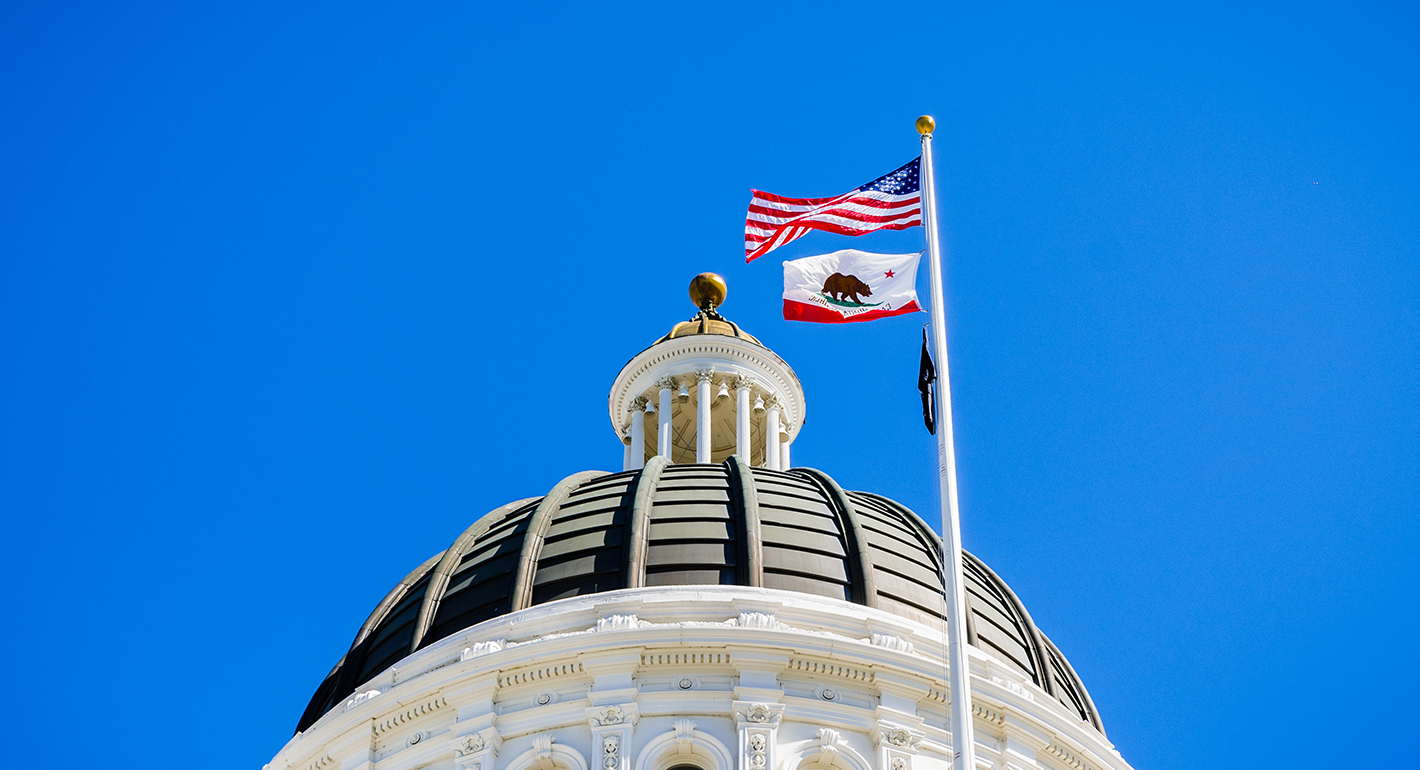
The middle power moment will not be defined by sovereign states alone, and California stands out for its potential contributions to international cooperation.


Ian Klaus, Stewart Patrick

Europe is facing rising populism internally as well as external pressures from Russia, China, Turkey, and the United States.

Dimitar Bechev

Much has been said of the changes Brussels is trying to make to the EU enlargement process. Here’s why gradual integration might—or might not—be the answer.
Dimitar Bechev