

Article
Suyash Rai, Anirudh Burman
{
  "authors": [
    "Suyash Rai"
  ],
  "type": "other",
  "centerAffiliationAll": "",
  "centers": [
    "Carnegie Endowment for International Peace",
    "Carnegie India"
  ],
  "collections": [],
  "englishNewsletterAll": "",
  "nonEnglishNewsletterAll": "",
  "primaryCenter": "Carnegie India",
  "programAffiliation": "",
  "programs": [],
  "projects": [
    "Political Economy"
  ],
  "regions": [
    "India"
  ],
  "topics": [
    "Domestic Politics",
    "Economy"
  ]
}
Source: Getty
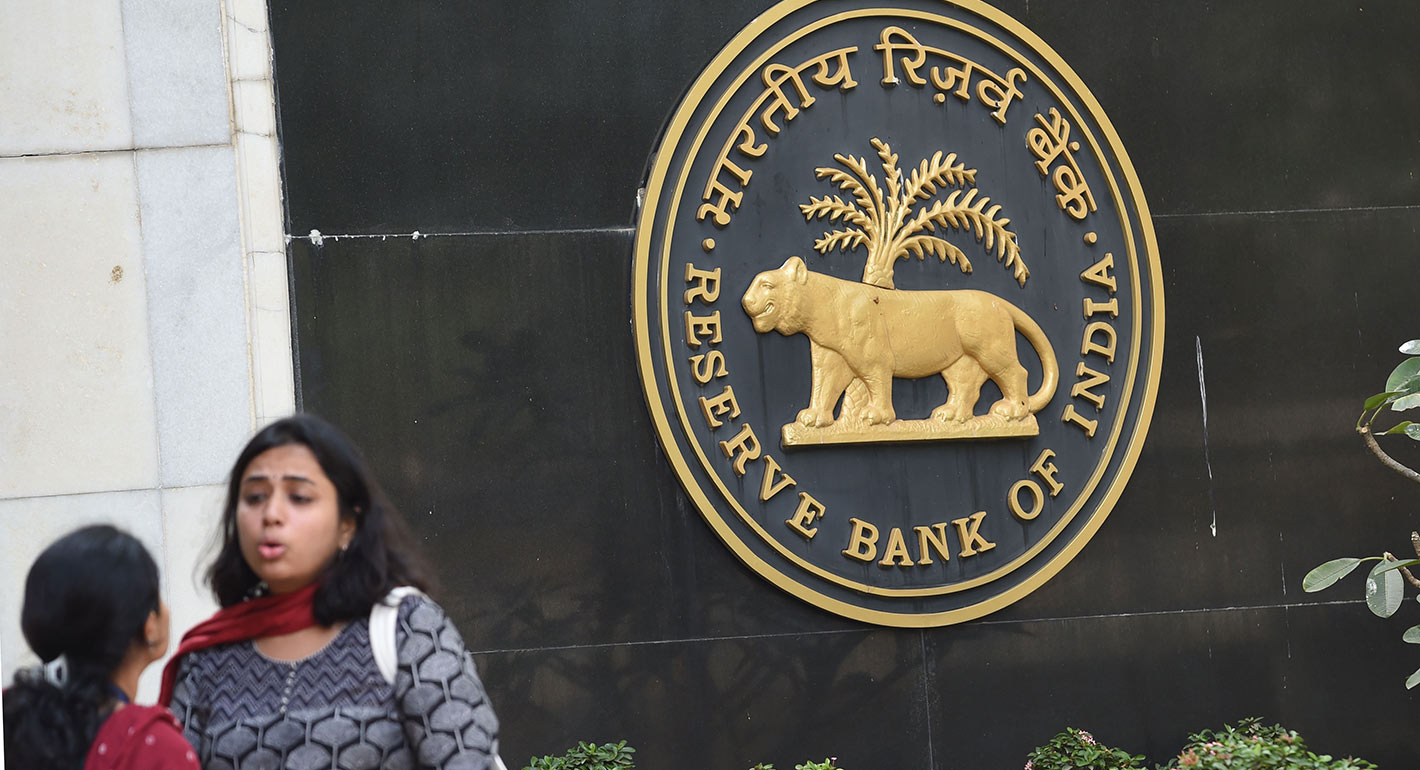
The financial system plays an important role in mobilizing savings, allocating capital in the economy, monitoring corporations, providing liquidity, helping individuals and firms manage risks, facilitating payments, and other economic functions.
Source: Hart Publishing
Banking is not only basically 19th-century technology, but it is disaster-prone technology.1
—Merton Miller
The financial system plays an important role in mobilising savings, allocating capital in the economy, monitoring corporations, providing liquidity, helping individuals and firms manage risks, facilitating payments and other economic functions. There is significant evidence of the positive impact of financial development on the economy.2 Financial systems of different countries differ in terms of their institutional structure, with some being largely market-based and others more bank-based.3
India’s financial system is largely bank-based. As of 31 March 2016, about 45.5 per cent of borrowing of non-financial firms was from banks (see Figure 6.1). For private non-financial firms, the share of bank loans was 51.6 per cent, while bonds and foreign borrowing added up to less than a quarter of borrowing. As of 31 March 2016, the ratio of scheduled commercial banks’ deposits to gross domestic product (GDP) was 67.8 per cent, up from 41.4 per cent at 31 March 1996. The total deposits with banks were Rs 103.6 trillion, while the total assets under management with mutual funds and the pension system were only Rs 13.5 trillion. Given the salience of banks in the economy, regulation of banking is a crucial function of the Indian state.
This book chapter was originally published by Hart Publishing.
1 Merton Miller, ‘Financial Markets and Economic Growth’ (2003)11(3) Journal of Applied Corporate Finance 8, 15.
2 See generally Raghuram G Rajan and Luigi Zingales, ‘Financial Dependence and Growth’ (1998)88(3) American Economic Review 559, 586.
3 Asli Demirgüç-Kunt and Ross Levine, ‘Bank-Based and Market-Based Financial Systems: Cross-country Comparisons’, World Bank, 1999, available at http://documents.worldbank.org/curated/en/259341468739463577/pdf/multi-page.pdf.

Former Fellow, Carnegie India
Suyash Rai was a fellow at Carnegie India. His research focuses on the political economy of economic reforms, and the performance of public institutions in India.
Recent Work

Suyash Rai, Anirudh Burman


Shruti Sharma, Suyash Rai, Konark Bhandari, …
Carnegie does not take institutional positions on public policy issues; the views represented herein are those of the author(s) and do not necessarily reflect the views of Carnegie, its staff, or its trustees.

With its public finances in shambles, the far right polling at 35 percent ahead of the 2027 presidential election, and a growing protest movement, is France’s crisis a threat to the EU’s geopolitical awakening?

Rym Momtaz, ed.

Putin’s conservative staffing policies and search for ever greater control have cemented parliament’s transformation into a bureaucratic appendage of the executive branch.

Andrey Pertsev

Russian strikes are weakening the economy sustaining Ukraine’s war effort. Closing the growing funding gap will require more European support and politically contentious reforms in Kyiv.

Balázs Jarábik

Ex-president Gurbanguly Berdimuhamedov remains interested in politics, but his son Serdar, Turkmenistan’s current president, is becoming increasingly independent and willing to break with his father’s legacy. If their covert rivalry goes too far, both risk losing power.

Galiya Ibragimova
Economic recovery has brought Sri Lanka a modicum of stability, but domestic strains and great-power rivalry could test how long it lasts.

Avinash Paliwal