

Commentary
It signals a new era of tech diffusion and warfare.
Steve Feldstein
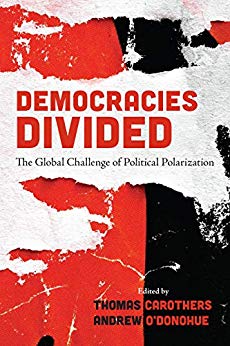
Why divisions have deepened and what can be done to heal them.
Source: Brookings Institution
As one part of the global democratic recession, severe political polarization is increasingly afflicting old and new democracies alike, producing the erosion of democratic norms and rising societal anger. This volume is the first book-length comparative analysis of this troubling global phenomenon, offering in-depth case studies of countries as wide-ranging and important as Brazil, India, Kenya, Poland, Turkey, and the United States. The case study authors are a diverse group of country and regional experts, each with deep local knowledge and experience.
Democracies Divided identifies and examines the fissures that are dividing societies and the factors bringing polarization to a boil. In nearly every case under study, political entrepreneurs have exploited and exacerbated long-simmering divisions for their own purposes—in the process undermining the prospects for democratic consensus and productive governance.
But this book is not simply a diagnosis of what has gone wrong. Each case study discusses actions that concerned citizens and organizations are taking to counter polarizing forces, whether through reforms to political parties, institutions, or the media.
The book’s editors distill from the case studies a range of possible ways for restoring consensus and defeating polarization in the world’s democracies. Timely, rigorous, and accessible, this book is of compelling interest to civic activists, political actors, scholars, and ordinary citizens in societies beset by increasingly rancorous partisanship.
“A must-read for anyone concerned about the fate of contemporary democracies. Democracies Divided offers new insights into the causes of polarization, illuminates the ways polarization can harm democracy, and explores a range of real-world efforts to overcome polarization.”
—Steven Levitsky, Harvard University, co-author of How Democracies Die
“At a moment when American society is being divided by profound polarization, Carothers and O’Donohue provide new and necessary perspective by focusing on polarization as an international problem. Their insights will help Americans, Europeans, and citizens around the world identify why polarization is worsening and what can be done to counter it.”
—Anne Applebaum, The Washington Post
“An exceptionally rich, insightful, and timely analysis of one of the most serious challenges to democracy. The lucid and incisive case studies vividly demonstrate the danger posed by intense polarization, and Carothers and O’Donohue urge creative initiatives to bridge political gulfs. This is a must-read for scholars and practitioners of democracy.”
—Larry Diamond, Stanford University, author of Ill Winds

Harvey V. Fineberg Chair for Democracy Studies; Senior Fellow, Democracy, Conflict, and Governance Program
Thomas Carothers, a senior fellow in the Carnegie Endowment for International Peace’s Democracy, Conflict, and Governance Program, is a leading expert on comparative democratization and international support for democracy.
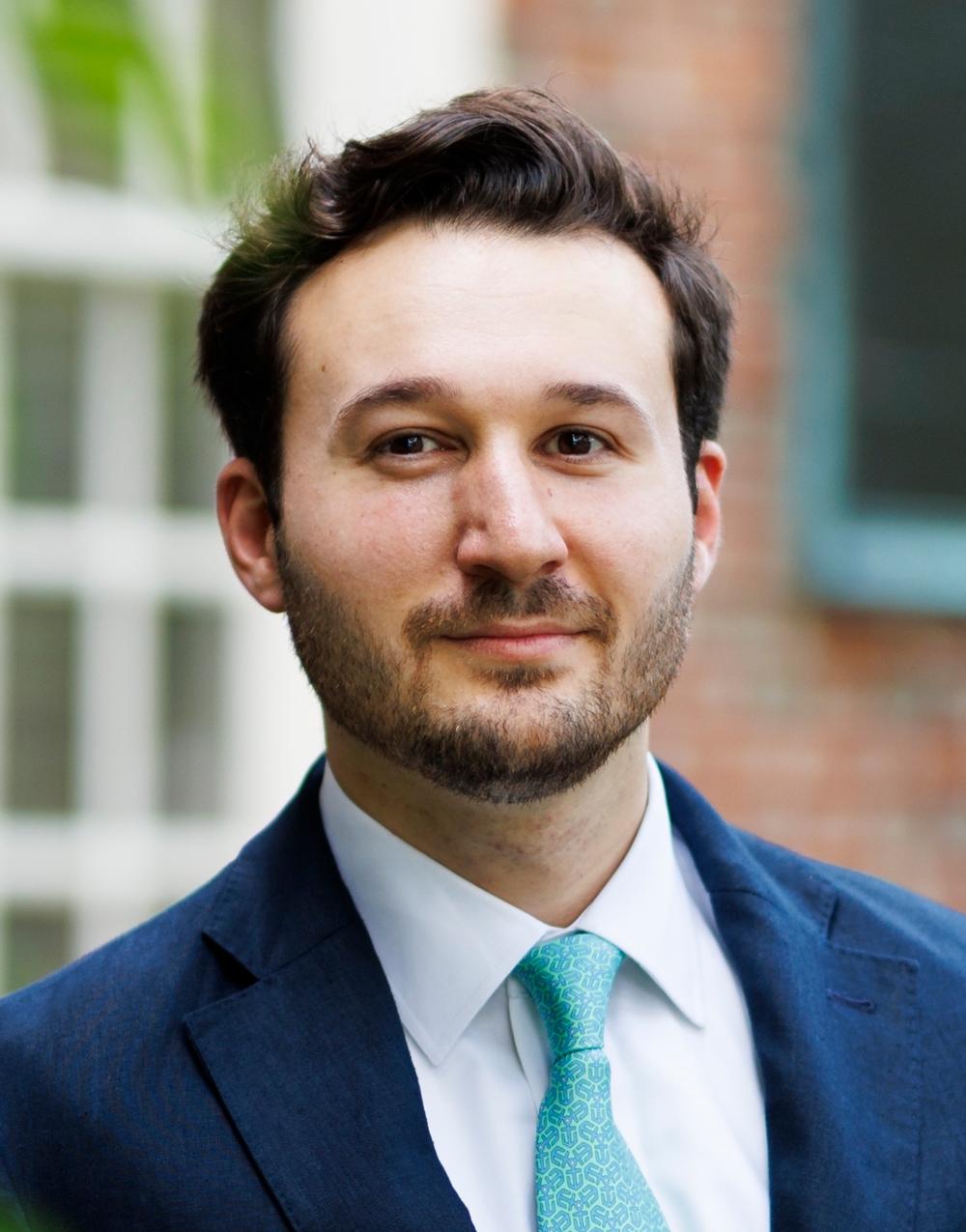
Fellow, Democracy, Conflict, and Governance Program
Andrew O’Donohue is a fellow in Carnegie’s Democracy, Conflict, and Governance Program. His research studies law and courts, democracy and authoritarianism, and Middle East politics, with a focus on Türkiye and Israel.
Carnegie does not take institutional positions on public policy issues; the views represented herein are those of the author(s) and do not necessarily reflect the views of Carnegie, its staff, or its trustees.

It signals a new era of tech diffusion and warfare.

Steve Feldstein

Putin’s conservative staffing policies and search for ever greater control have cemented parliament’s transformation into a bureaucratic appendage of the executive branch.

Andrey Pertsev

Ahead of a tough winter for Ukraine, Donald Trump’s swing back toward Russia bodes ill. But instead of panicking, Kyiv’s European allies are focusing on action.

Rym Momtaz

Despite its flop at the box office, the film raises important questions for the climate community to answer.

Leonardo Martinez-Diaz

In an interview, Rozina Ali discusses her new book on the rise and manifestations of Islamophobia in the United States.

Michael Young