

Research
- +10
Rosa Balfour, Frances Z. Brown, Yasmine Farouk, …
{
  "authors": [
    "Moisés Naím"
  ],
  "type": "legacyinthemedia",
  "centerAffiliationAll": "",
  "centers": [
    "Carnegie Endowment for International Peace"
  ],
  "collections": [],
  "englishNewsletterAll": "",
  "nonEnglishNewsletterAll": "",
  "primaryCenter": "Carnegie Endowment for International Peace",
  "programAffiliation": "",
  "programs": [],
  "projects": [],
  "regions": [
    "North America",
    "Middle East",
    "South Asia",
    "East Asia",
    "Western Europe"
  ],
  "topics": [
    "Political Reform",
    "Democracy",
    "Global Governance",
    "Foreign Policy"
  ]
}
Source: Getty
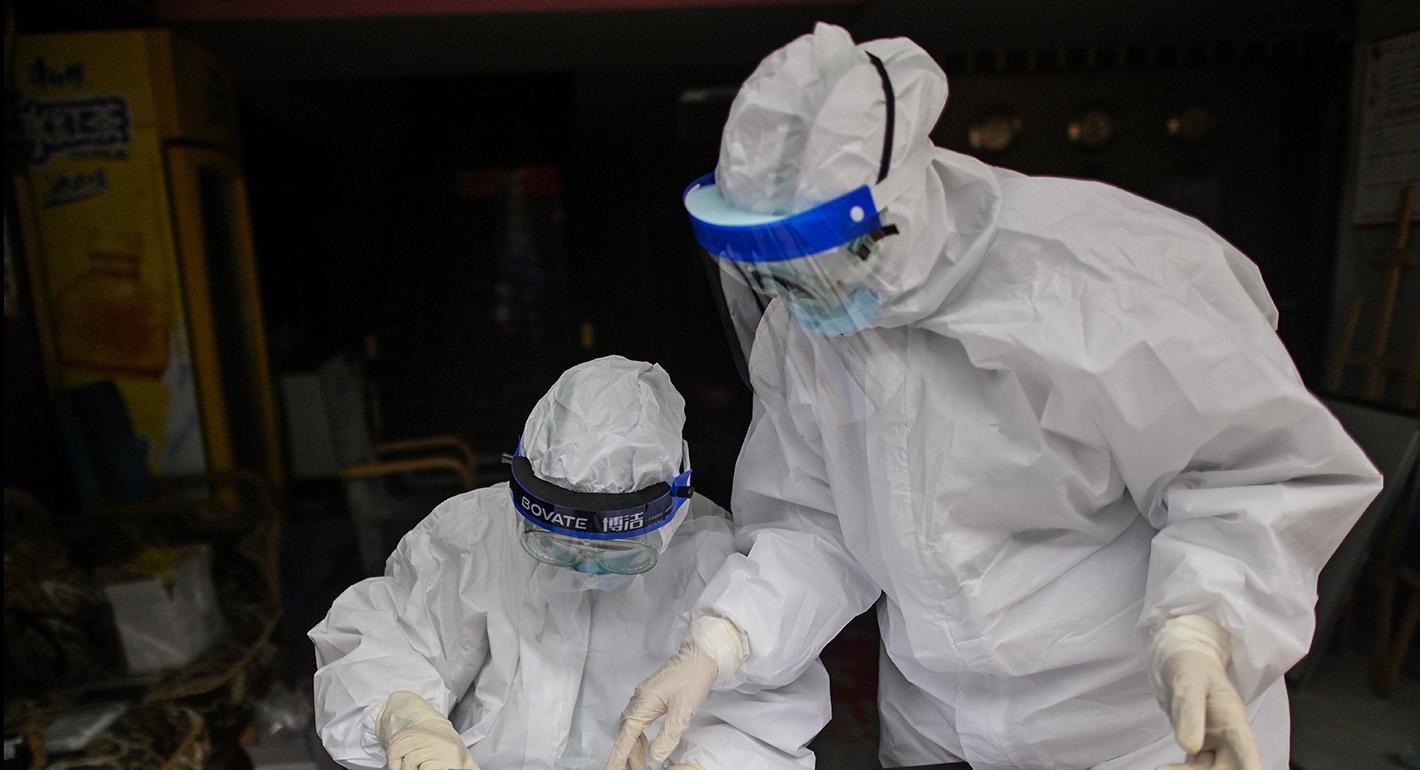
While the assault on human health will–hopefully–be temporary, the political and economic upheaval it has unleashed could last for generations.
Source: El País
Henry Kissinger thinks the world will never be the same after the coronavirus. “While the assault on human health will – hopefully – be temporary, the political and economic upheaval it has unleashed could last for generations.” He warns that “the historic challenge for leaders is to manage the crisis while building the future. Failure could set the world on fire.”

Distinguished Fellow
Moisés Naím is a distinguished fellow at the Carnegie Endowment for International Peace, a best-selling author, and an internationally syndicated columnist.
Recent Work



Rosa Balfour, Frances Z. Brown, Yasmine Farouk, …
Moisés Naím
Carnegie does not take institutional positions on public policy issues; the views represented herein are those of the author(s) and do not necessarily reflect the views of Carnegie, its staff, or its trustees.

Funding Ukraine remains a priority for European leaders. As Russia’s war of aggression heads into another winter, two feasible options to mobilize support for Kyiv should be fast-tracked.


Vladyslav Rashkovan, Gregory P. Wilson

While the EU and European governments are embracing the much-lauded middle-power moment, this entails three difficult conundrums.

Richard Youngs
The middle power moment will not be defined by sovereign states alone, and California stands out for its potential contributions to international cooperation.


Ian Klaus, Stewart Patrick

Ex-president Gurbanguly Berdimuhamedov remains interested in politics, but his son Serdar, Turkmenistan’s current president, is becoming increasingly independent and willing to break with his father’s legacy. If their covert rivalry goes too far, both risk losing power.

Galiya Ibragimova

Europe is facing rising populism internally as well as external pressures from Russia, China, Turkey, and the United States.

Dimitar Bechev