

Commentary
Before the next wave of EU enlargement takes place, the union needs to grapple with thorny questions of how power is distributed among its members.
Emil Sondaj Hansen, Ditte Brasso Sørensen
{
  "authors": [
    "Darshana M. Baruah",
    "Yogesh Joshi"
  ],
  "type": "other",
  "centerAffiliationAll": "dc",
  "centers": [
    "Carnegie Endowment for International Peace"
  ],
  "collections": [],
  "englishNewsletterAll": "ctw",
  "nonEnglishNewsletterAll": "",
  "primaryCenter": "Carnegie Endowment for International Peace",
  "programAffiliation": "SAP",
  "programs": [
    "South Asia"
  ],
  "projects": [
    "Indian Ocean Initiative"
  ],
  "regions": [
    "South Asia",
    "Western Europe",
    "United Kingdom",
    "Europe",
    "Indo-Pacific"
  ],
  "topics": [
    "Foreign Policy"
  ]
}
Source: Getty
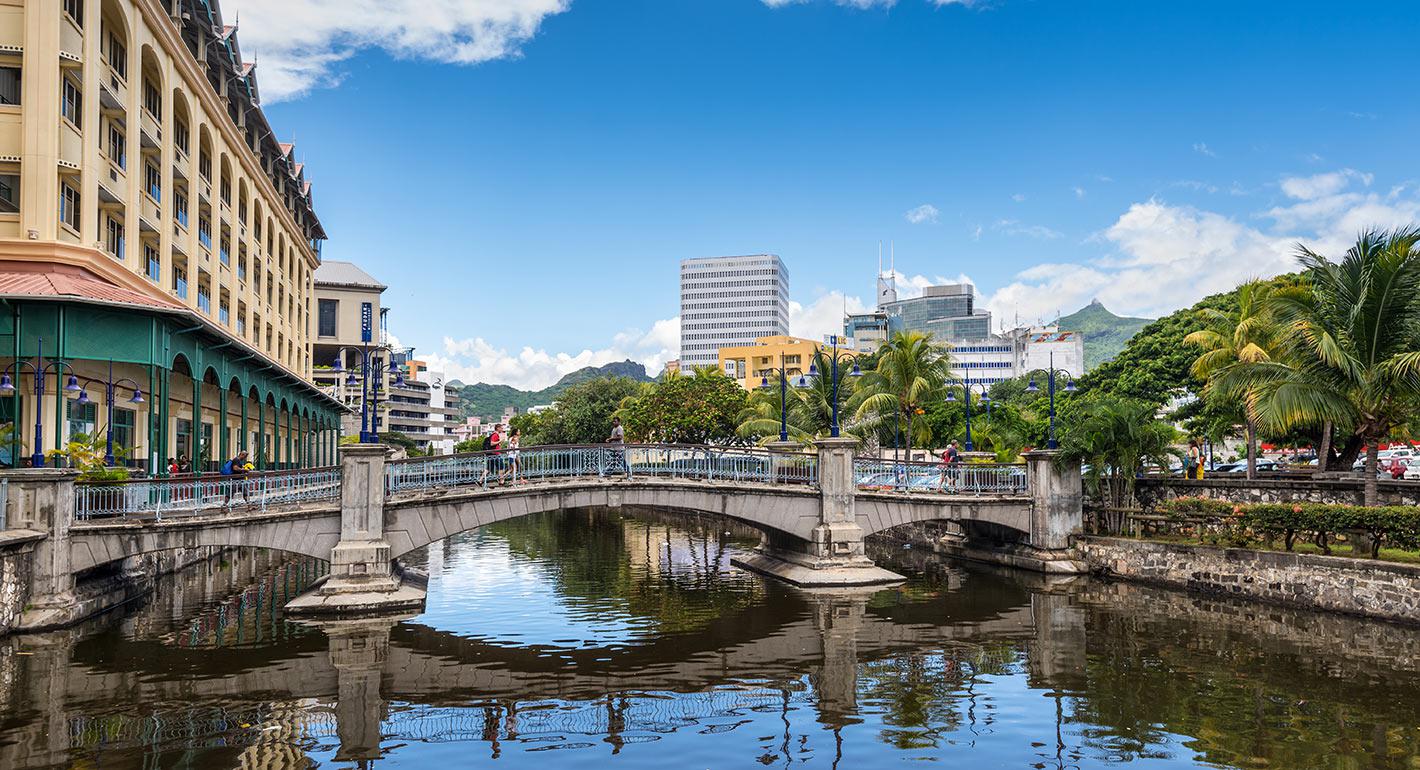
The ongoing contention between Mauritius and the UK over the sovereignty of the Diego Garcia presents a difficult challenge for Indian policymakers.
Source: Australian Journal of International Affairs
The ongoing contention between Mauritius and the UK over the sovereignty of the Diego Garcia presents a difficult challenge for Indian foreign policy-makers. New Delhi’s principled opposition to colonialism and its historical relationship with Port Louis has made it steadfastly support the Mauritian claim. However, such principled foreign policy militates against India’s quest to balance the growing Chinese influence in the Indian Ocean. Insofar, Diego Garcia allows the US Navy to maintain an active presence in the Indian Ocean, thereby keeping the Chinese naval power at bay. Balance of power considerations notwithstanding, the expanding trajectory of the Indo-US strategic partnership also demands New Delhi to weigh the burden of its policies on Diego Garcia carefully. This article juxtaposes India’s historical record on Diego Garcia during the Cold War with its contemporary approach to the issue. In doing so, it sheds further light on India’s strategic decisionmaking in the Indian Ocean, its dilemmas in confronting a genuinely hostile maritime power in the region, and deliberates on potential options for dispute resolution which can not only satisfy Mauritian demands but also ensure a healthy balance of power in the Indian Ocean.
This article was originally published in the Australian Journal of International Affairs.

Former Nonresident Scholar, South Asia Program
Darshana M. Baruah was a nonresident scholar with the South Asia Program at the Carnegie Endowment for International Peace where she directs the Indian Ocean Initiative.
Yogesh Joshi
Yogesh Joshi is the Indian Community Endowed Chair at the School of Politics, Security and International Affairs and Director of the India Center at the University of Central Florida. His research focuses on military technological diffusion among rising powers, conventional military and nuclear strategy, and alliance politics, with an empirical focus on India, South Asia, and the Indo-Pacific.
Carnegie does not take institutional positions on public policy issues; the views represented herein are those of the author(s) and do not necessarily reflect the views of Carnegie, its staff, or its trustees.

Before the next wave of EU enlargement takes place, the union needs to grapple with thorny questions of how power is distributed among its members.


Emil Sondaj Hansen, Ditte Brasso Sørensen

The real test may come after the leaders leave the room.



Sheena Chestnut Greitens, Oriana Skylar Mastro, Yukon Huang, …

The Horn of Africa countries are among those facing a new security calculus.


Andrew Leber, Lesley Anne Warner

The European far right might fail to steer EU policy in the direction Russia wants, but they will create enough chaos inside Europe to benefit the Kremlin.

Dimitar Bechev

The new U.S.–Denmark–Greenland agreement will help Washington exert political, economic, and financial dominance under the guise of security. Yet, it acknowledged Copenhagen’s and Nuuk’s sovereignty on the island.

Marc Pierini