

Research
- +5
Herbert Crowther, Darcie Draudt-Véjares, Walter James, …
{
  "authors": [
    "Darcie Draudt-Véjares"
  ],
  "type": "commentary",
  "blog": "Emissary",
  "centerAffiliationAll": "",
  "centers": [
    "Carnegie Endowment for International Peace"
  ],
  "englishNewsletterAll": "",
  "nonEnglishNewsletterAll": "",
  "primaryCenter": "Carnegie Endowment for International Peace",
  "programAffiliation": "",
  "programs": [],
  "projects": [],
  "regions": [
    "South Korea"
  ],
  "topics": [
    "Economy",
    "Democracy"
  ]
}
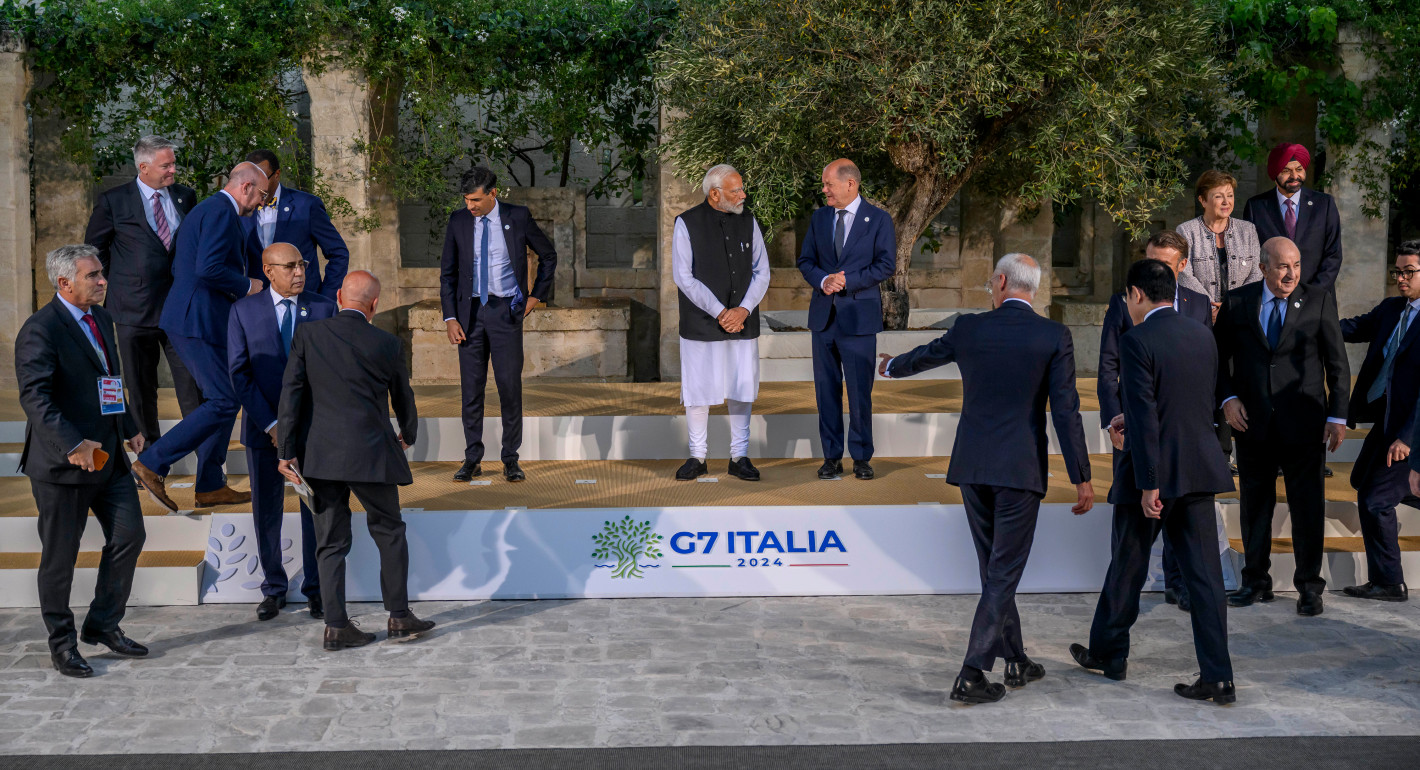
Photo by Antonio Masiello/Getty Images
Seoul could act as a crucial link for the current cast of characters, particularly as it seeks to integrate emerging markets.
At the G7 meeting in Italy last week, discussions turned to the continued relevance of an elite institution that represents a small portion of the world’s population. One important item for debate was whether and how to expand the group, a topic with increasing importance since Russia was expelled in 2014.
Any new member must preserve the group’s mission and procedural integrity amid shifting power dynamics. Among the nations frequently cited as potential candidates, none makes more sense than South Korea. Expanding the G7 to include advanced industrialized democracies such as South Korea or Australia—the other likely candidate—might detract from the group’s cohesion. However, the G7 should make a concerted effort to ensure sustained integration of these powerful midsize states to enhance both the institution’s relevance and its capacity to protect the global liberal economic order.
Roughly the size of Virginia, South Korea is 70 percent mountains, and the population is 51 million (and shrinking). Yet these statistics belie the country’s economic stature—the thirteenth-largest in the world. It is a leading manufacturer of memory chips, displays, batteries, and other key electronic and computing components through industrial juggernauts such as Samsung, LG, and SK Hynix that supply many of the world’s biggest tech firms. Korea also boasts a highly skilled workforce, innovative research and development capabilities, and massive production capacities that span continents. Moreover, Korea has a strong track record in fostering global and transregional partnerships that leverage the country’s expertise in green technology and sustainable development.
Economically, Seoul could act as a crucial link for the current cast of G7 characters, particularly as the group seeks to integrate emerging markets. One of the world’s poorest nations in the 1950s, Korea achieved rapid industrialization within the span of two decades under a U.S.-backed military dictator who employed savvy macroeconomic planning that built the country’s industrial prowess. Its historical trajectory, shaped by its colonial past and subsequent liberation after World War II, imbues its diplomatic character and agenda with a blend of networked diplomacy, hosting initiatives, and substantial overseas development assistance efforts across Africa, Latin America, and South and Southeast Asia. This experience and approach, coupled with its status as a strong U.S. ally, positions South Korea as a vital non-Western partner with robust ties to global and Asian economies. Seoul has the potential to offer a fresh perspective to revitalize the G7’s relevance while also meshing well into the existing framework.
Incorporating South Korea more closely would also be important from a cross-regional perspective. Japan is the only Asian member of the G7, so bringing a strong, industrialized democracy into the fold bolsters strategic relevance and clout in managing global affairs that depend so heavily on Asia. (Asia comprises 60 percent of the world’s population and 46 percent of the global economy.) In addition, a joint communique from this year’s summit censured arms transfers from North Korea to Russia for violating UN Security Council resolutions. The fact that North Korea’s escalatory development of its missile and nuclear programs remains one of the G7’s central agenda items further underscores the importance of the role South Korea can play in mediating and moderating stability in Asia.
Under President Yoon Suk Yeol, Korea has expressed a clear interest in G7 membership. Yoon’s ambitious “global pivotal state” strategic initiative captures the important economic, industrial, and technological capabilities of the country, and his administration has directly promoted these efforts to work more actively with the G7.
However, there would be notable caveats if Korea were to officially join the group. While the U.S.-ROK alliance remains pivotal for regional security, Korean industries face mounting challenges as economic, trade, and technological domains become increasingly intertwined with U.S. defense policy, straining efforts to balance national interests, alliance politics, and supply chain realities. South Korea’s relationship with China, characterized by economic interdependencies and strategic unease, could present diplomatic challenges. If Beijing perceives G7 expansion to include Seoul as an attempt at containment, it could potentially escalate regional geopolitical tensions and disrupt trade relations between the two countries.
Additionally, unresolved historical issues between Korea and its former colonizer, Japan, present diplomatic hurdles. Despite recent overtures between Yoon and Japanese Prime Minister Kishida Fumio, the bilateral relationship is prone to politicization, especially in Korea. If Korean membership were handled deftly, the G7 ultimately might help smooth out bilateral relations to promote greater economic stability outside of Northeast Asia. Furthermore, South Korea’s ongoing geopolitical uncertainties relating to North Korea, compounded by Pyongyang’s unpredictable behavior, could also be a spoiler to Seoul’s integration into an expanded G7. As South Korea continues to grapple with its isolationist northern brother, G7 membership would need to align with its long-term strategic and economic objectives.
Last year, Korea attended the G7 summit in Hiroshima, Japan, and it expressed hopes of joining this year’s June 13–15 gathering in Apulia, Italy, as well—but did not receive an invitation. The rotating presidency, currently belonging to Italy, prioritized engagement with the Global South and issues such as migration, food security, climate change mitigation, and ethical governance of AI. But South Korea can help bridge between the G7 countries on the one side and midsized states and emerging markets on the other in all these issues. Its exclusion from this year’s summit as a nonmember participant deprived the G7 of Korea’s capacity as a global economic powerhouse to contribute to issues such as climate change mitigation, technology governance, and supply chain resiliency.
Understand the world with the latest from our scholars around the world.

Fellow, Asia Program
Darcie Draudt-Véjares is a fellow for Korea studies in the Asia Program at the Carnegie Endowment for International Peace. Her research focuses on South Korean political economy, governance, and foreign policy, particularly the intersection of economics, technology, and geopolitics.
Recent Work

Herbert Crowther, Darcie Draudt-Véjares, Walter James, …
Darcie Draudt-Véjares
Carnegie does not take institutional positions on public policy issues; the views represented herein are those of the author(s) and do not necessarily reflect the views of Carnegie, its staff, or its trustees.
Rubio’s recent visit brought welcome attention, but more capital requires governance changes that may be a hard sell for regional governments.

Jennifer B. Murtazashvili
Despite public disputes over trade and immigration, the strategic partnership’s foundations remain sturdy.
Sameer Lalwani
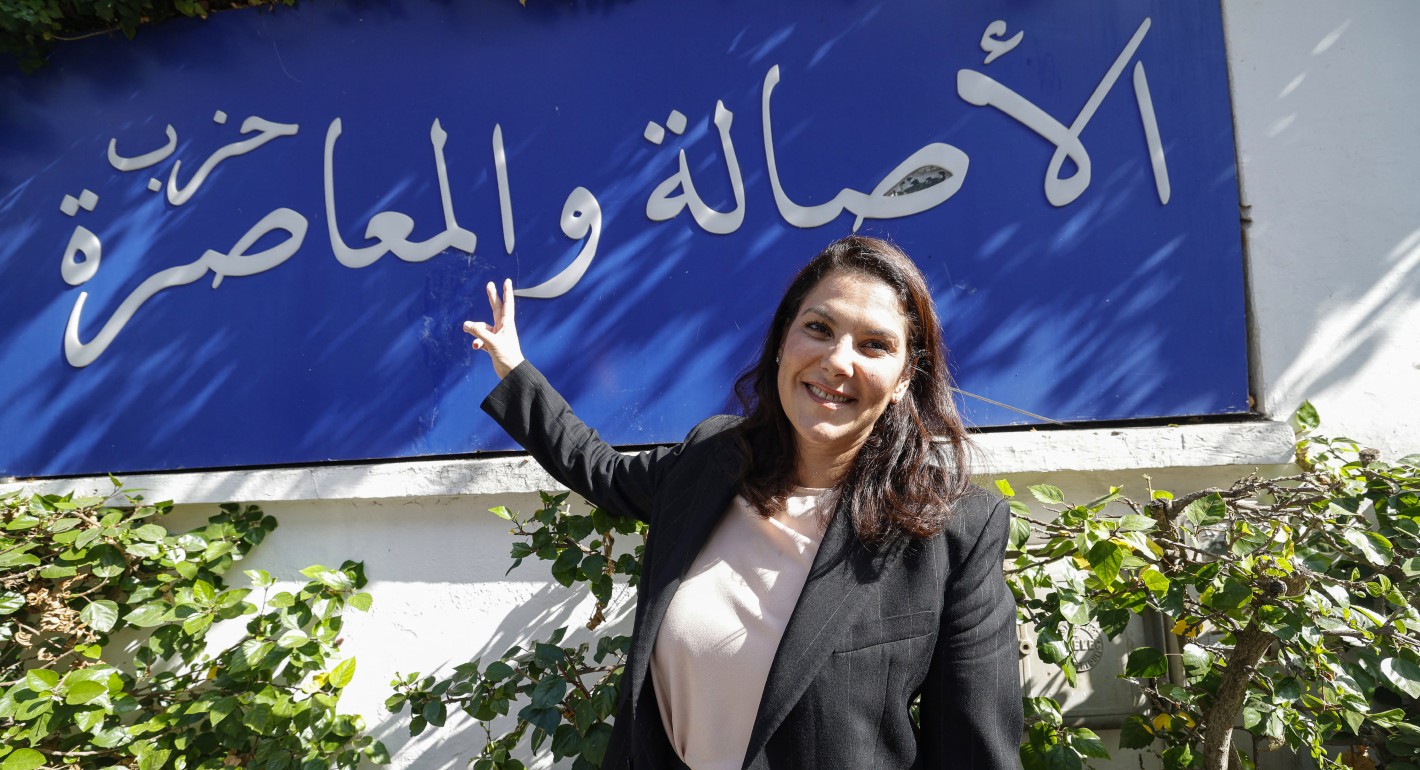
Fatima El Mansouri is the country’s first female prime minister. She’s also a privileged insider in a largely ceremonial position.

Sarah Yerkes
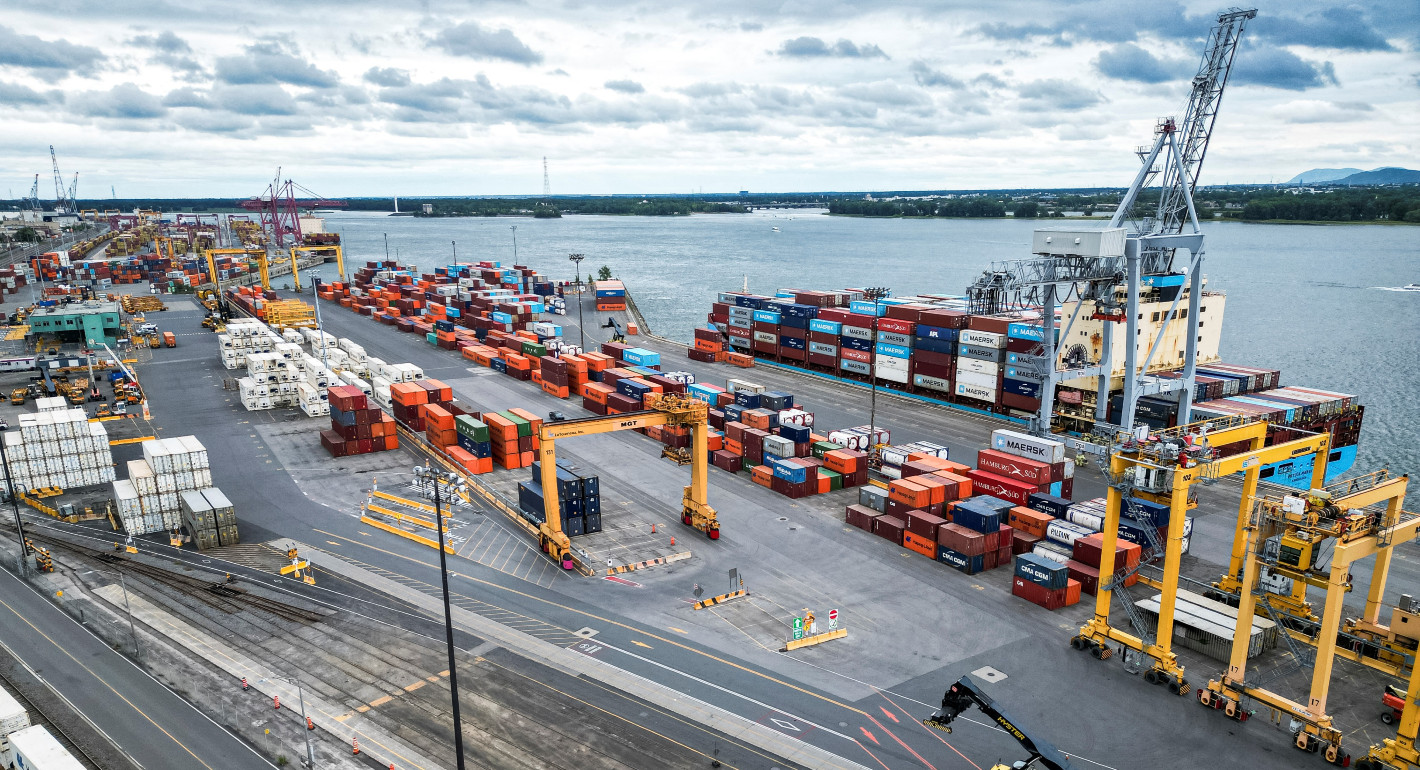
U.S. trading partners in Asia are closely watching the dispute for signs of how it may affect their own interests.
Barbara Weisel
Amid celebrations of bilateral ties was a deeper focus on stability in the Middle East.

Amr Hamzawy