

Commentary
When democracies and autocracies are seen as interchangeable targets, the language of democracy becomes hollow, and the incentives for democratic governance erode.
Sarah Yerkes, Amr Hamzawy
{
  "authors": [
    "C. Raja Mohan"
  ],
  "type": "legacyinthemedia",
  "centerAffiliationAll": "",
  "centers": [
    "Carnegie Endowment for International Peace",
    "Carnegie India",
    "Malcolm H. Kerr Carnegie Middle East Center"
  ],
  "collections": [],
  "englishNewsletterAll": "",
  "nonEnglishNewsletterAll": "",
  "primaryCenter": "Carnegie India",
  "programAffiliation": "",
  "programs": [
    "South Asia"
  ],
  "projects": [],
  "regions": [
    "Gulf",
    "Middle East",
    "Iraq",
    "South Asia",
    "India"
  ],
  "topics": [
    "Foreign Policy"
  ]
}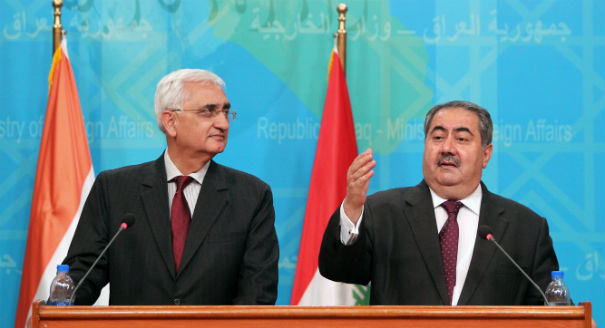
The visit of the Iraqi Prime Minister Nouri al-Maliki to India marks the rapid acceleration of bilateral ties after Delhi’s prolonged neglect of Baghdad.
Source: Indian Express
The visit of the Iraqi Prime Minister Nouri-al-Maliki to India this week marks the rapid acceleration of bilateral ties after Delhi's prolonged neglect of Baghdad. The resurgence of Iraq will not only contribute to India's energy security but also widen the basis of India's engagement with the volatile Gulf region.
Until the ouster of the Saddam Hussein regime by the American invasion in early 2003, Iraq used to be India's closest partner in the Middle East. Iraq was a major source of oil imports and Baghdad gave very favourable financial terms.
The India-Iraq partnership was not limited to energy security. Indian public sector companies participated in a big way in Iraq's national construction in the oil boom of the 1970s.The Indian armed forces had close contacts with their Iraqi counterparts. Saddam Hussein's Iraq also among the few countries in the OIC that stood up for India when Pakistan pushed hostile resolutions on Jammu & Kashmir. Above all India enjoyed extraordinary good will among the Iraqi people.
Delhi's well-rounded partnership with Baghdad began to fray amidst the Iran-Iraq war of the 1980s and Baghdad's international isolation after the first American Gulf war to liberate Kuwait from Iraqi occupation in 1990.
After America's Second Gulf War in 2003 transformed the Iraq's political structure by empowering the nation's Shia majority, the Atal Bihari Vajpayee government briefly considered the U.S. request to send a division of Indian troops to stabilise Iraq. While Vajpayee finally ruled against the proposal, the UPA government's neglect of Iraq that followed has been rather unfortunate.
Since 2003, Iraq slowly but certainly emerged out of a difficult period. As the new rulers of Baghdad opened Iraqi oil fields and economy for international investments, China and other major energy importers rushed in. But India seemed utterly distinterested. Fortunately that has begun to change in the last couple of years.
With India's energy relationship with Iran under the stress of international sanctions, Iraq has once again become an attractive source of oil for Delhi. Iraq's exports to India, mostly oil jumped from US$ 11 billion in 2011 to more than US$ 20 billion in 2012.
The external affairs minister, Salman Khurshid traveled to Baghdad in June and the Iraq's Deputy Premier in charge of the energy sector, Ibrahim Shahristani was in India earlier this month pitching for Indian investments.
As the Indian leaders meet Maliki this week, they need to appreciate the return of Iraq as a major shaper of regional balance of power in the Middle East along with Iran, Saudi Arabia, Egypt and Turkey.
To be sure, Iraq has been hit by fresh sectarian violence between the Shia and the Sunni. Tension tension between the Arabs and Kurds remains a source of instability. Iraq's close relations with Shia Iran worry some of the Sunni Arab states.
Yet there is no denying that Baghdad's relative weight in the Middle East can only grow in the coming years. This, in turn, provides Delhi yet another pillar for the conduct of an effective policy towards the Middle East.
This article was originally published in the Indian Express.
Carnegie does not take institutional positions on public policy issues; the views represented herein are those of the author(s) and do not necessarily reflect the views of Carnegie, its staff, or its trustees.
When democracies and autocracies are seen as interchangeable targets, the language of democracy becomes hollow, and the incentives for democratic governance erode.

Sarah Yerkes, Amr Hamzawy
Unexpectedly, Trump’s America appears to have replaced Putin’s Russia’s as the world’s biggest disruptor.
Alexander Baunov
And how they can respond.
Sophia Besch, Steve Feldstein, Stewart Patrick, …
They cannot return to the comforts of asymmetric reliance, dressed up as partnership.
Sophia Besch
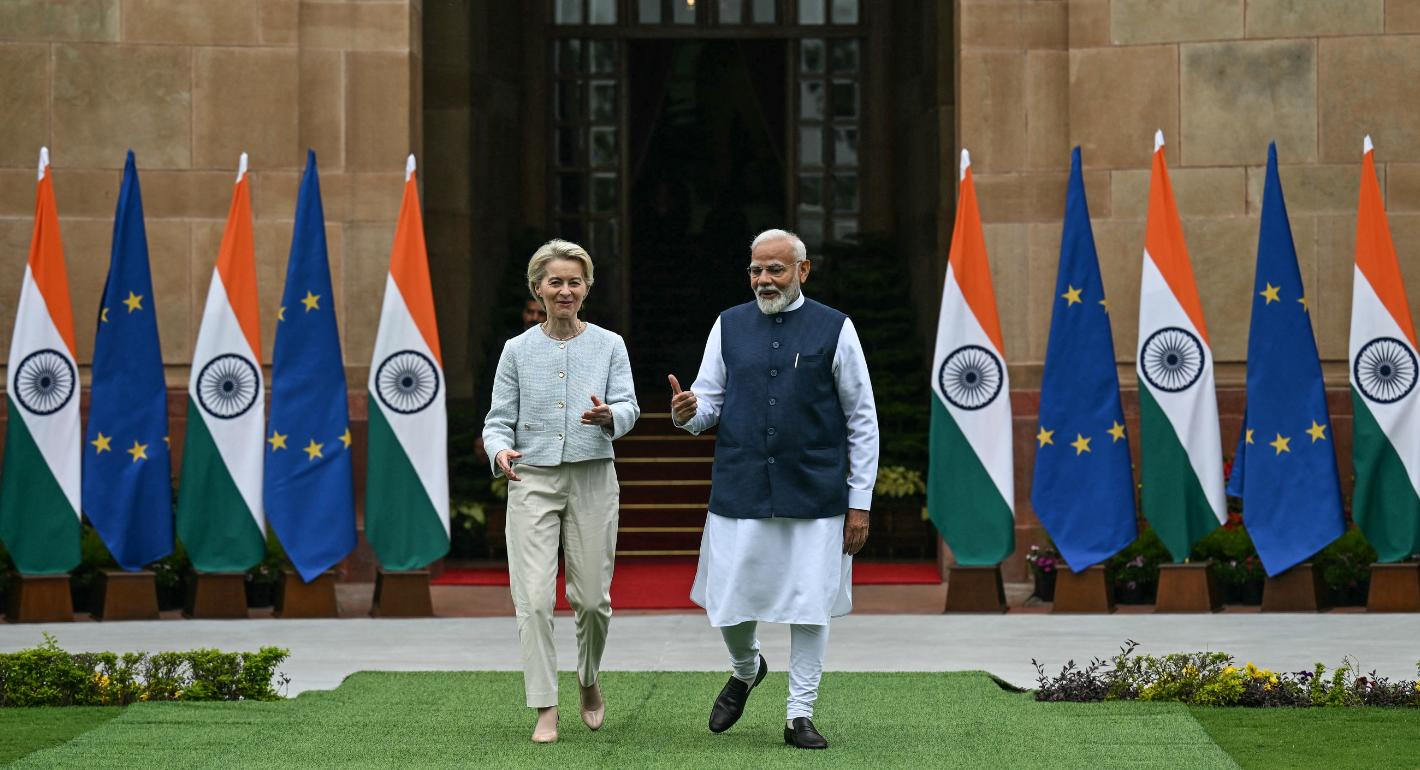
As European leadership prepares for the sixteenth EU-India Summit, both sides must reckon with trade-offs in order to secure a mutually beneficial Free Trade Agreement.
Dinakar Peri