

Commentary
When democracies and autocracies are seen as interchangeable targets, the language of democracy becomes hollow, and the incentives for democratic governance erode.
Sarah Yerkes, Amr Hamzawy
{
  "authors": [
    "C. Raja Mohan"
  ],
  "type": "legacyinthemedia",
  "centerAffiliationAll": "",
  "centers": [
    "Carnegie Endowment for International Peace",
    "Carnegie India"
  ],
  "collections": [],
  "englishNewsletterAll": "",
  "nonEnglishNewsletterAll": "",
  "primaryCenter": "Carnegie India",
  "programAffiliation": "",
  "programs": [
    "South Asia"
  ],
  "projects": [],
  "regions": [
    "Russia",
    "Eastern Europe",
    "Ukraine"
  ],
  "topics": [
    "Democracy",
    "Security",
    "Military",
    "Foreign Policy"
  ]
}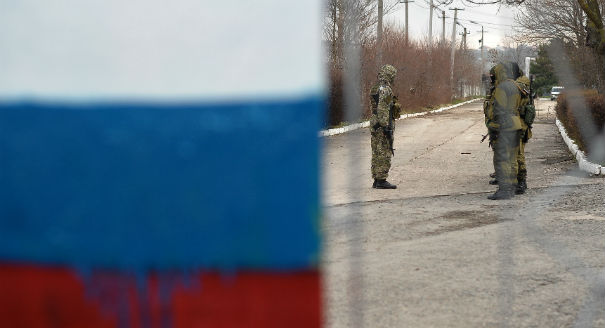
As the crisis in Crimea deepens, the formal arguments between Russia and the West are about two perennial themes in international politics—sovereignty and intervention.
Source: Indian Express
As the crisis in Crimea deepens, the formal arguments between Russia and the West are about two perennial themes in international politics—sovereignty and intervention. The United States and its allies accuse Russia of violating the territorial sovereignty of Ukraine, and thereby international law, in gaining control over Crimea. Moscow says its actions are entirely in tune with international law and that it is merely protecting the legitimate rights of Russian citizens and other “compatriots” in Crimea and eastern Ukraine. According to Moscow, it is the new regime in Kiev that has ousted a democratically elected president and is threatening the rights of the Russian minorities in the eastern and southern parts of the country.
Legal arguments are always interesting, but rarely drive the evolution of any crisis in international politics. What matters is the change in the distribution of power within and around the crisis zone. The current legal contestation on Ukraine marks an interesting reversal of Russian and American positions on sovereignty and intervention. Russia routinely opposes Western interventions around the world and is an articulate defender of the principle of inviolable territorial sovereignty in international politics.In Crimea today, Russia is finding ways to justify its intervention in Ukraine. Europeans and Americans, who never tire of telling Asians that the concept of territorial sovereignty is overrated, are the ones at the forefront of defending Ukraine’s territorial sovereignty.
Internationalists, multilateralists and liberal imperialists in the West have long insisted that outsiders have a right to intervene in another country if the rights of minorities or civilian populations are threatened by the state. But the Western champions of the “Responsibility to Protect” find it difficult to accept the Russian justification on securing the rights of minorities in Ukraine.
Put simply, the legal positions that major powers take are about the nature of their perceived political interests in a given place at a specific point of time. Territorial sovereignty and non-intervention are not absolute principles, but are defined by circumstances and distribution of power. Where you stand on sovereignty and intervention depends on where you sit.
To understand the developments in Ukraine, we must look beyond international law to the logic of power politics. The seemingly outdated idea of “spheres of influence” helps us gain insight into the contemporary struggle between Russia and the West in Eurasia. All great powers claim spheres of influence on their periphery, where they seek to limit the role of rival powers and prevent internal developments in their neighborhood that threaten their interests.
Russia calls its sphere of influence in Eurasia the “near abroad.” In the immediate aftermath of the collapse of the Soviet Union, Moscow lost much ground, thanks to the eastwards expansion of NATO, the integration of Russia’s western neighbors into the European Union, and the United States attempts to promote regime change in Eurasia. Russian President Vladimir Putin is saying enough is enough. He is determined to restore Moscow’s primacy in Russia’s near abroad. But Russia is not the only one seeking a sphere of influence.
The United States has had its Monroe Doctrine in Latin America since the early 19th century. India has a variant of it in the subcontinent inherited from the Raj. Japan tried, unsuccessfully, to develop one in the first half of the 20th century. China is bound to create one in Asia as it rises to become a great power.
There is one other allegedly 19th-century concept of buffer states that offers an insight into the conflict between Russia and the West in Ukraine. “Ukraina” is an old Slavic word for a borderland and has been used to refer to Russia’s southwestern frontiers. When Ukraine became an independent state in 1991 after the collapse of the Soviet Union, its challenge was to learn the rules of being a buffer state between a sulking Russia and a triumphant West.
Buffer states do seek a measure of autonomy from the powerful neighbor, but are always aware of the dangers of going too far. Internal developments in Ukraine and encouragement from the West have broken this delicate balance and set the stage for the current crisis. The resolution lies in restoring the internal political equilibrium in Ukraine and negotiating a set of agreed rules of the road for Moscow, Brussels and Washington in Russia’s near abroad. The reported talks between Russia and the West to de-escalate the crisis are likely to be focused on these two elements.
Carnegie does not take institutional positions on public policy issues; the views represented herein are those of the author(s) and do not necessarily reflect the views of Carnegie, its staff, or its trustees.
When democracies and autocracies are seen as interchangeable targets, the language of democracy becomes hollow, and the incentives for democratic governance erode.
Sarah Yerkes, Amr Hamzawy
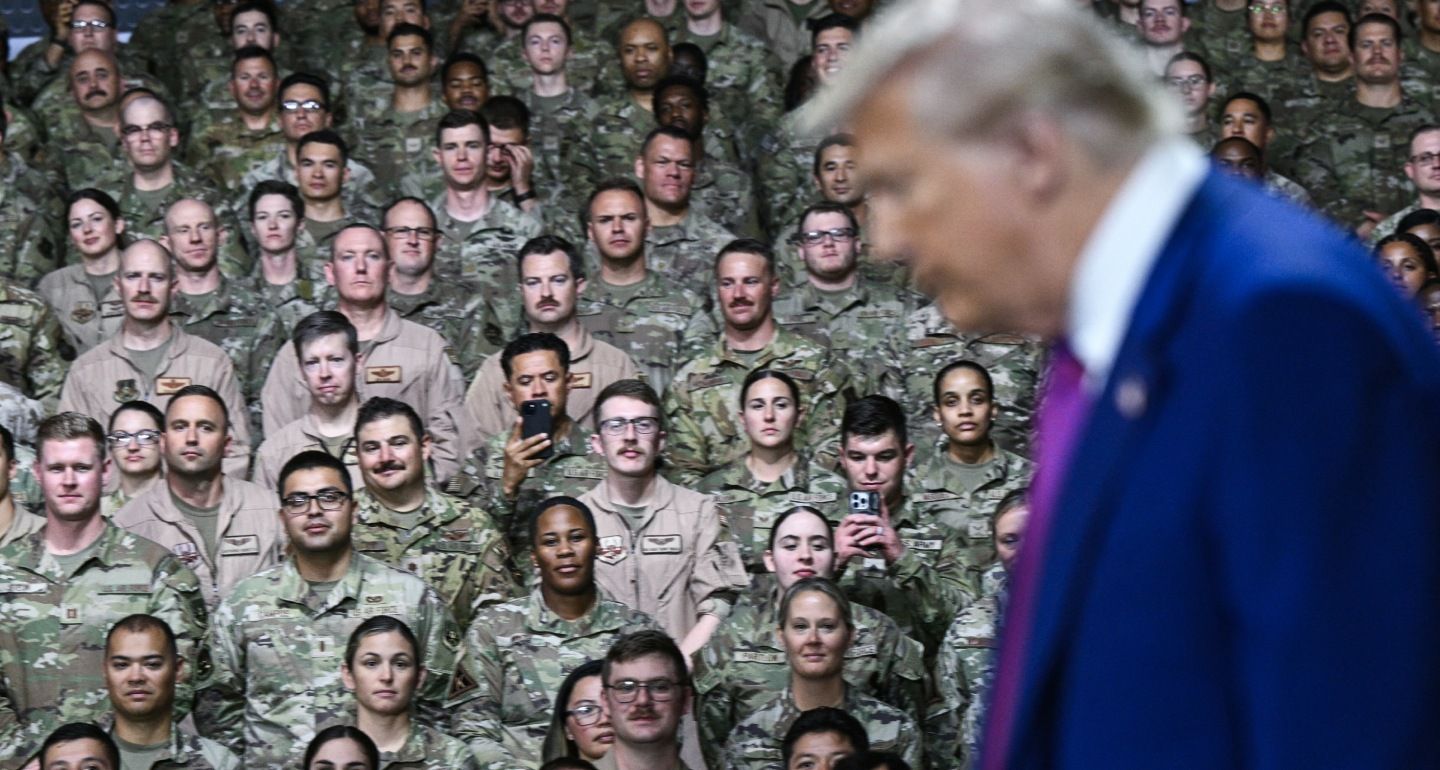
Unexpectedly, Trump’s America appears to have replaced Putin’s Russia’s as the world’s biggest disruptor.
Alexander Baunov
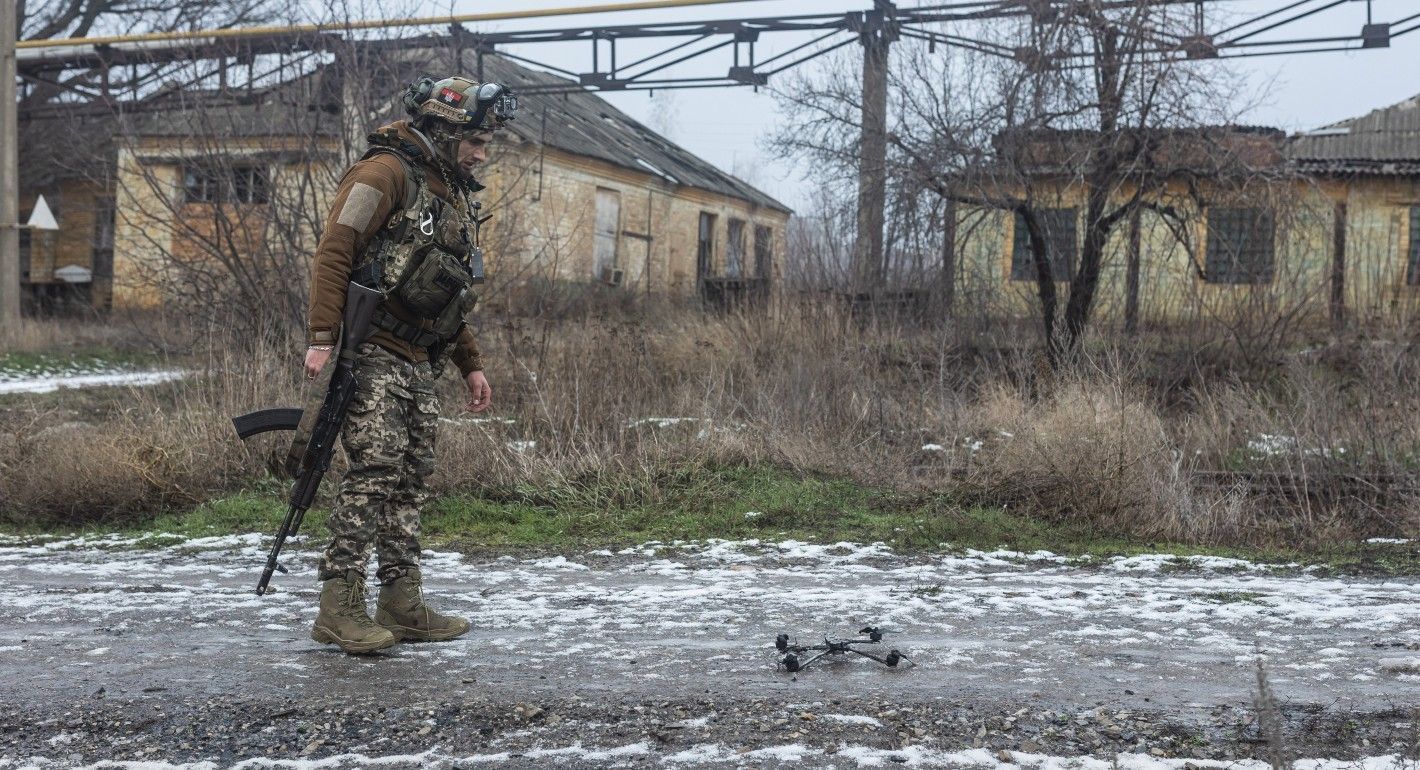
From Sudan to Ukraine, UAVs have upended warfighting tactics and become one of the most destructive weapons of conflict.

Jon Bateman, Steve Feldstein
And how they can respond.
Sophia Besch, Steve Feldstein, Stewart Patrick, …
They cannot return to the comforts of asymmetric reliance, dressed up as partnership.
Sophia Besch