Source: Indian Express
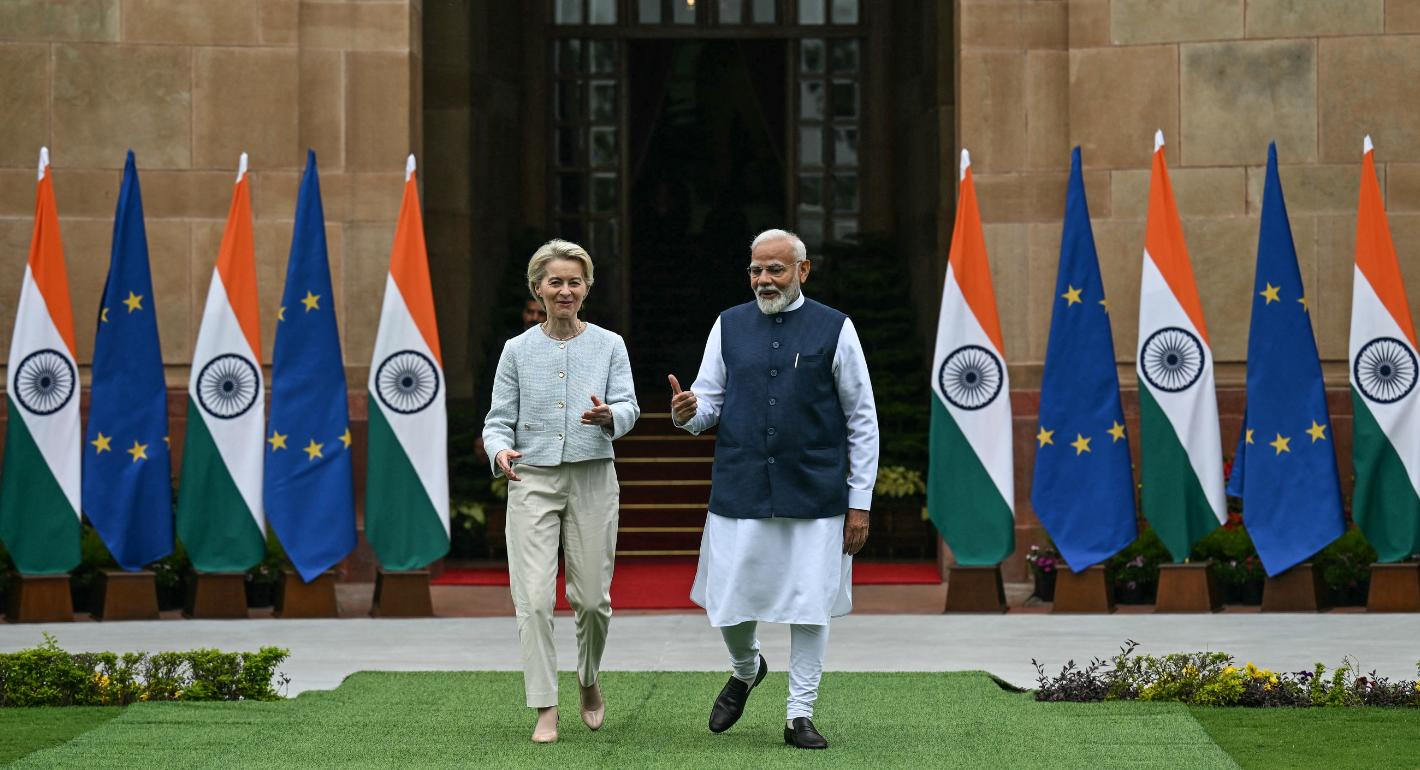
That President Ram Nath Kovind’s first visit abroad is to Djibouti and Ethiopia suggests India is finally waking up to the extraordinary geopolitical significance of a region that is called the Horn of Africa. The four different states constituting the Horn — Somalia, Ethiopia, Eritrea and Djibouti — along with Yemen across the Red Sea have long been described as one of the world’s pivotal regions.
Kovind is India’s first president or prime minister to visit Djibouti. While its population is less than a million and its land is largely barren, Djibouti’s location at the confluence of the Red Sea with the Indian Ocean and the crossroads connecting Africa, the Middle East and Asia, and the region’s multiple conflicts — inter-state and intra-state — have made it a very attractive piece of geopolitical real estate.
The president of Djibouti, Ismail Omar Guelleh, has adopted a vigorous strategy to turn Djibouti’s strategic location into economic fortune. His “all are welcome” approach has drawn many powers to set up military bases in Djibouti. Guelleh also hopes to turn Djibouti into a commercial logistics hub like Dubai and Singapore and is seeking massive infrastructure investments.
India does not have an embassy in Djibouti. The president’s visit suggests Delhi is now ready to end its prolonged neglect of Djibouti and re-engage the region strategically. The emphasis here is indeed on “re-engagement”, for modern India has a long tradition of critical involvement in the Horn.
The East India Company occupied Aden in 1839 and the Raj administered it until 1937. With the creation of the British Somaliland in 1889 as a protectorate, the Raj acquired a stranglehold on the Bab-el-Mandeb straits that controlled access to the Indian Ocean from the north west. The Raj saw the protection of sea lines of communication and controlling the choke points, and maintaining access to major islands of the Indian Ocean as central to India’s security and economic prosperity.
Independent India discarded this geopolitical thinking as it adopted an inward economic orientation and replaced its inherited regional security role with non-alignment and military isolationism. As a result, India’s influence on the ground steadily diminished. Things began to change in the 1990s as Delhi turned to economic globalisation.
Delhi’s growing commerce resulted in intensifying India’s focus on Africa as a major economic partner. More broadly, the new reliance on the sea lines of communication for India’s economic growth saw the rejuvenation of India’s maritime sensibility. By the turn of the new century, Delhi declared that its national interests were no longer limited to the Subcontinent but stretched from the “Aden to Malacca”.
The idea that Delhi must take larger responsibility for regional stability helped restore the proposition that India is a “net security provider” in the Indian Ocean. At the Africa summit in Delhi during 2015, most participating leaders wanted an expansion of security and defence cooperation with India.
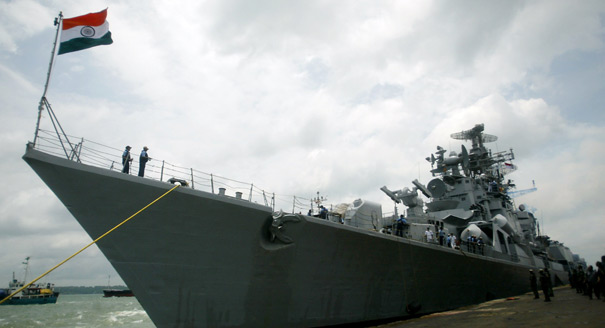
Although India has not been able to meet this demand from Africa, defence diplomacy has become an important imperative for India all across the Indian Ocean littoral and will hopefully figure in the president’s first visit abroad. Like in so many areas, China’s strategic advances in the Horn have helped put Djibouti back on India’s political radar.
Beijing’s infrastructure development in the Horn preceded the launch of the Belt and Road Initiative by President Xi Jinping. But it has acquired an unprecedented momentum in recent years. One of the more visible infrastructure projects in the region has been the 750 km-long rail link between landlocked Ethiopia and Djibouti.
China’s geopolitical interest in the Horn has come into sharp focus over the last decade with the regular deployment of naval units to combat piracy in the Gulf of Aden. Although piracy has now come down significantly, China is raising its strategic profile in the region. Under an accord signed last year, Beijing has secured the rights to a base in Djibouti that can host up to 10,000 soldiers until 2026.
This is the first ever foreign military base for China. But Beijing is not the only one that has bases in the region. France, which ruled Djibouti during the colonial era, has the largest concentration of its foreign legions in the country. The French base now hosts soldiers from other European countries including Spain and Germany. Italy, that had colonial possessions in the Horn, also has a military presence in Djibouti.
After the 9/11 attacks on the United States, Washington established a major military base in Djibouti as part of its Great War on Terror. Foreign military presence in Djibouti is not limited to the Western powers. From the east, Japan in 2011 acquired a facility to support its anti-piracy operations in the Gulf of Aden.
Many regional powers are now trying to shape the strategic landscape of the Horn through military bases and armed interventions. Djibouti, for example, is reported to host military facilities of Saudi Arabia and Qatar; Eritrea has bases for UAE, Saudi Arabia and Qatar; UAE and Turkey have facilities in different regions of Somalia. India is somewhat late in joining the scramble for political influence in this critical corner of the Indian Ocean. The President’s visit will hopefully lay the foundations for a comprehensive engagement with Djibouti and the Horn of Africa.
This article was originally published in Indian Express.