• Research
  • Emissary
  • About
  • Experts
Carnegie Global logoCarnegie lettermark logo
Democracy
  • Donate
REQUIRED IMAGE
Report

Taiwan's Management of Relations with the United States During the First Chen Shui-bian Administration

This report was prepared for a conference on the first Chen Shui-bian Administration, held in Annapolis Maryland in May 2005, and sponsored by Harvard University and the School of Oriental and African Studies, University of London.

Link Copied
By Michael D. Swaine
Published on May 5, 2005

Additional Links

Full Text
Program mobile hero image

Program

Asia

The Asia Program in Washington studies disruptive security, governance, and technological risks that threaten peace, growth, and opportunity in the Asia-Pacific region, including a focus on China, Japan, and the Korean peninsula.

Learn More

During his first administration, Taiwan President Chen Shui-bian traversed the full spectrum of relations with the United States: from trusted democratic friend and quasi-ally with increasingly convergent views, to highly distrusted and disliked leader, viewed by Washington as potentially disruptive of some vital U.S. interests.  Shortly after entering office, President Chen received an unprecedented level of political---and military---support from the recently elected President George W. Bush.  At that time (2001-2002), Chen was regarded by Washington as an energetic democrat with strong support from the Taiwan public and a close, consultative and cooperative relationship with the White House (the last point was in contrast to his predecessor, Lee Teng-hui).  However, by the end of his first term in office, Chen was regarded by Bush as extremely untrustworthy and a potential source of significant new problems for a U.S. president preoccupied with Iraq, his reelection campaign, and the agenda for a prospective second term.

Such a radical reversal came about as a result of a combination of broad shifts in U.S. foreign policy priorities, domestic political forces in Taiwan, the inexperience and immaturity of the Chen Administration, and perhaps most importantly, a series of personal blunders by President Chen in respect to his management of relations with the White House, and with President Bush in particular.  Fundamentally, the mistakes of the first Chen Administration derived to a large extent from a misreading of the U.S. policy dynamic involving Taiwan.  Chen placed narrower, short-term domestic political calculations above those fundamental, enduring strategic imperatives that confront every Taiwan government---especially the imperative of maintaining reasonably close and cooperative relations with the U.S.

Michael D. Swaine
Former Senior Fellow, Asia Program
Michael D. Swaine
North AmericaUnited StatesEast AsiaChinaTaiwanSecurityMilitaryForeign Policy

Carnegie does not take institutional positions on public policy issues; the views represented herein are those of the author(s) and do not necessarily reflect the views of Carnegie, its staff, or its trustees.
More Work from Carnegie Endowment for International Peace

  • People on a stage
    Commentary
    Emissary
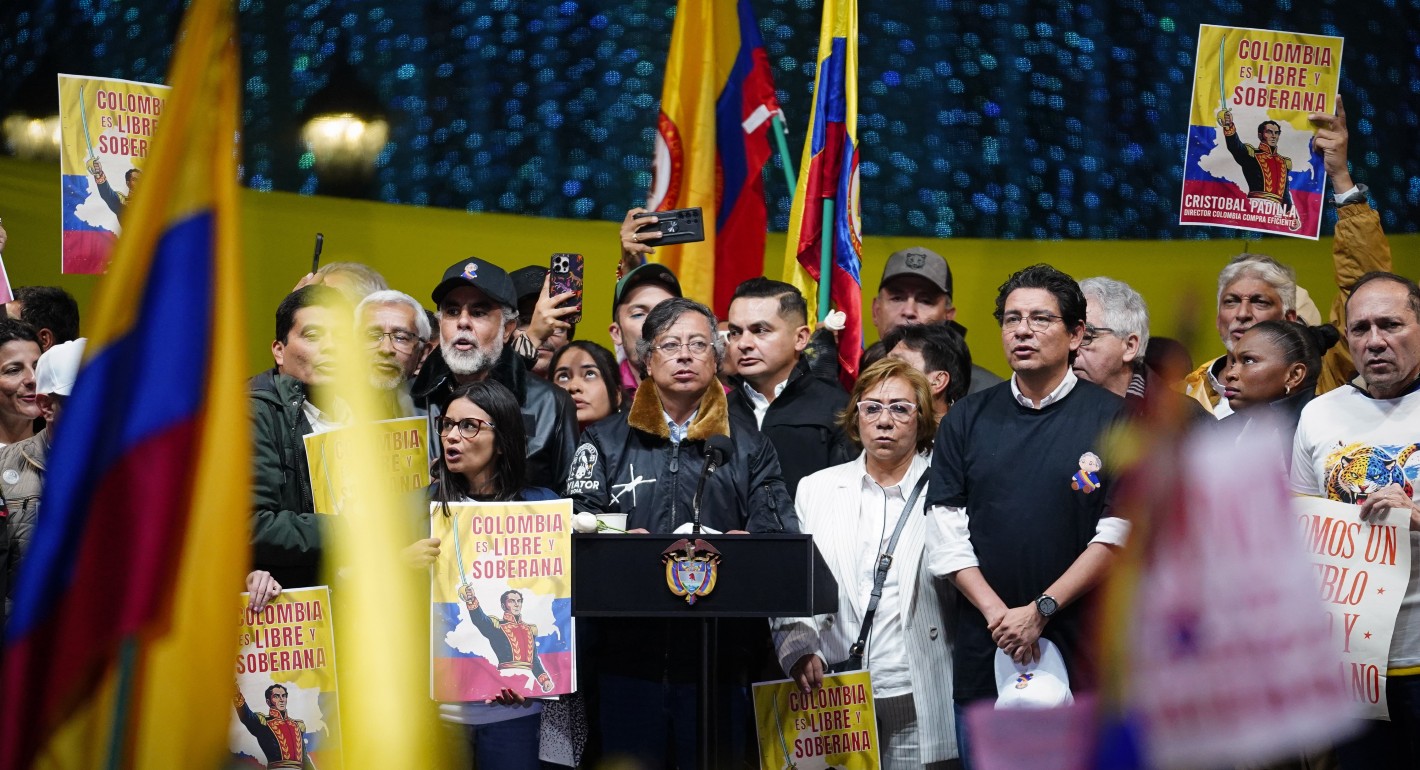
    The Dangerous Consequences of Treating Colombia Like Venezuela

    When democracies and autocracies are seen as interchangeable targets, the language of democracy becomes hollow, and the incentives for democratic governance erode.

      • Sarah Yerkes

      Sarah Yerkes, Amr Hamzawy

  • Commentary
    Carnegie Politika
    Has Trump the Destroyer Eclipsed Putin the Destroyer?

    Unexpectedly, Trump’s America appears to have replaced Putin’s Russia’s as the world’s biggest disruptor.
      Alexander Baunov
  • Soldier looking at a drone on the ground
    Commentary
    Emissary
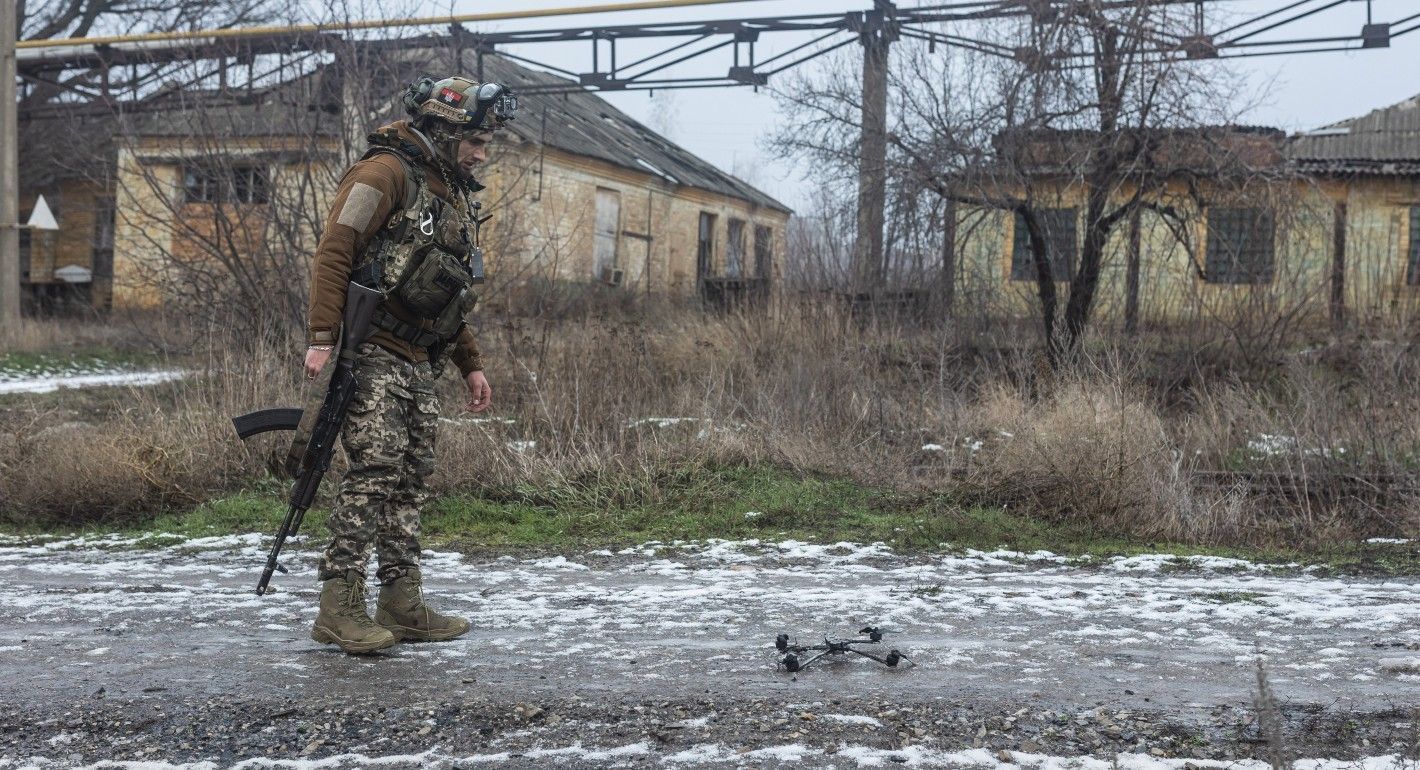
    Are All Wars Now Drone Wars?

    From Sudan to Ukraine, UAVs have upended warfighting tactics and become one of the most destructive weapons of conflict.


      • Jon Bateman

      Jon Bateman, Steve Feldstein

  • Carney speaking on stage
    Commentary
    Emissary
    Carney’s Remarkable Message to Middle Powers

    And how they can respond.

      • +1

      Sophia Besch, Steve Feldstein, Stewart Patrick, …
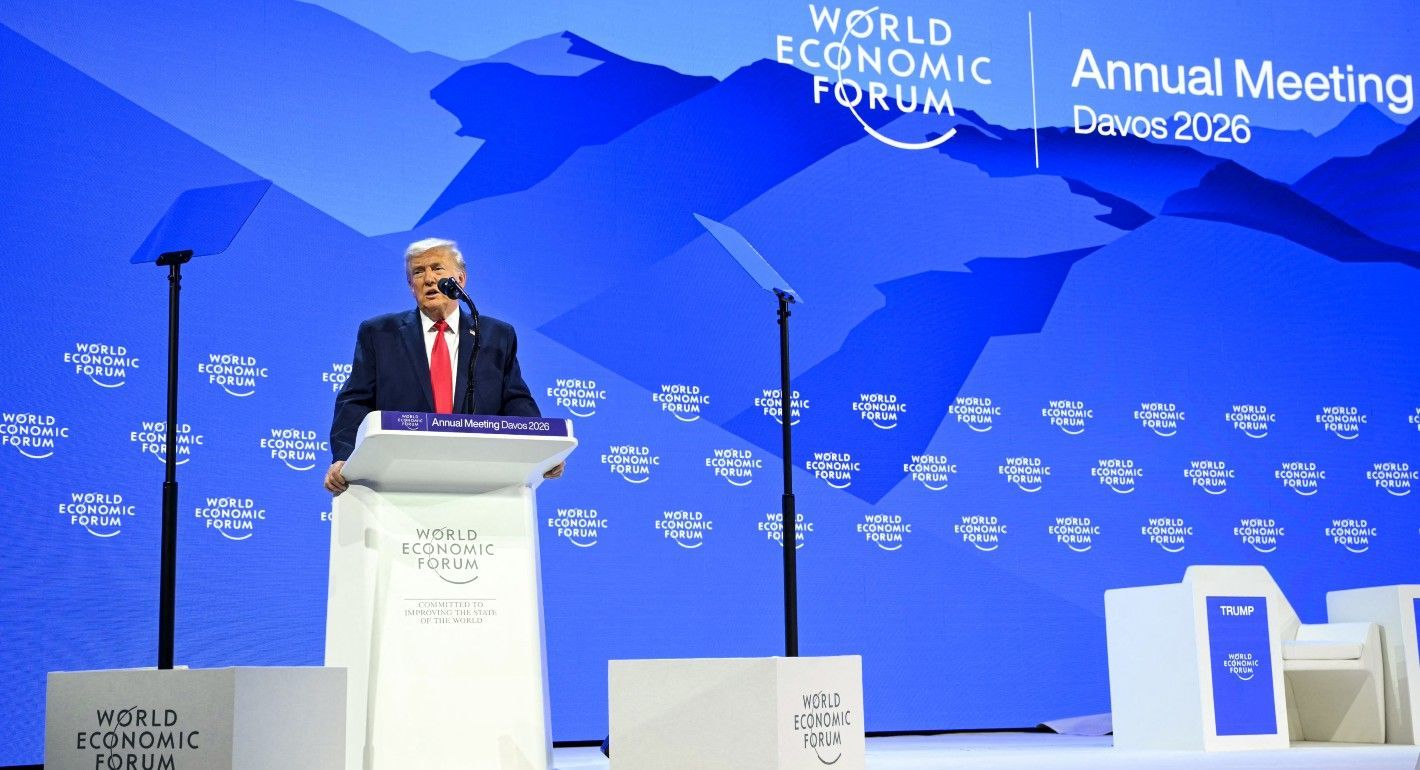
  • Trump speaking on a stage
    Commentary
    Emissary
    The Greenland Episode Must Be a Lesson for Europe and NATO

    They cannot return to the comforts of asymmetric reliance, dressed up as partnership.

      Sophia Besch

Get more news and analysis from
Carnegie Endowment for International Peace
Carnegie global logo, stacked
1779 Massachusetts Avenue NWWashington, DC, 20036-2103Phone: 202 483 7600Fax: 202 483 1840
  • Research
  • Emissary
  • About
  • Experts
  • Donate
  • Programs
  • Events
  • Blogs
  • Podcasts
  • Contact
  • Annual Reports
  • Careers
  • Privacy
  • For Media
  • Government Resources
Get more news and analysis from
Carnegie Endowment for International Peace
© 2026 Carnegie Endowment for International Peace. All rights reserved.