

Commentary
When democracies and autocracies are seen as interchangeable targets, the language of democracy becomes hollow, and the incentives for democratic governance erode.
Sarah Yerkes, Amr Hamzawy
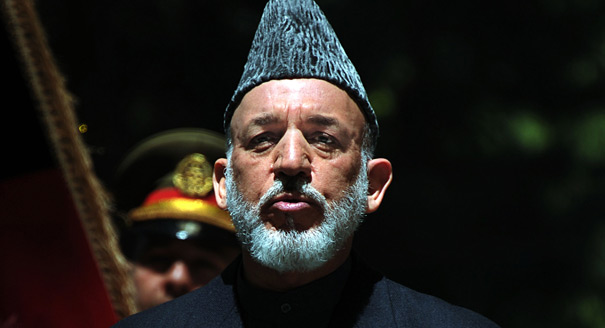
Source: Getty
Pausing bilateral security negotiations until after valid elections in Afghanistan would be one way to demonstrate a U.S. commitment to the Afghan population.
For six months, U.S. negotiators have been wrangling with their Afghan counterparts over a bilateral agreement that would govern the presence of U.S. troops after 2014. A raft of issues, from placement of bases to the judicial status of U.S. soldiers, is stalling the effort. Such details are normally vexed. They are typical sticking points whenever agreements of this sort are being hammered out, be they bilateral treaties or mandates negotiated with the United Nations during peacekeeping efforts. In this case, the process may also be suffering from timing. Given the political climate in Kabul, Washington should consider pausing negotiations and restarting them with a new government after Afghan presidential elections next spring.
That would not mean taking negotiations off the table completely. Washington has already signaled its interest in concluding a pact that would allow for the presence of some residual forces in Afghanistan after December 31, 2014. Apart from U.S. troops’ role supporting the Afghan National Security Forces, such a presence would presumably be a means of retaining a platform in a region that remains important for U.S. national security.
Many Americans and Afghans also see an ongoing troop presence as a stabilizing factor that could help Afghanistan navigate the transition away from the overwhelming international involvement it has experienced in the past dozen years. Troops, more than any other item of support, seem to symbolize the “enduring commitment” U.S. officials keep emphasizing. Without troops, many fear, such commitments may prove easy to shrug off.In other words, there may be real and symbolic value, for both Americans and Afghans, in concluding a bilateral security agreement.
Negotiations with Afghan President Hamid Karzai, however, have never been straightforward. The list of provocative outbursts and manipulative fits of pique on the part of the Afghan president is long. His sudden repudiation of terms governing the transfer of detainee facilities, which negotiators thought he had approved, and his March 10 assertion that insurgent attacks were to “serve the United States” and “pave the way for troops not to leave but to stay” were the latest episodes in a timeworn pattern.
Karzai has a history of using negotiations with the United States as a prop in internal political wrangles. Indeed, several Afghan commentators suggested that this latest posturing was part of Karzai’s effort to position himself as a kingmaker ahead of the election.
More than two dozen Afghan political movements repudiated their president’s remarks, insisting in a joint statement that they “do not represent the views of the people of Afghanistan toward their international friends.” For Afghanistan’s legendarily fractious politics, such unity is a remarkable sign of commitment to ongoing substantive relations with the United States and the rest of the international community.
In this context, and with Afghan electoral politics heating up, U.S. officials should seriously consider removing the bilateral security agreement (BSA) from the midst of this internal power struggle. A different approach would be to:
Because the current UN mandate and the military technical agreement covering the NATO-led forces in Afghanistan expiring at the end of 2014, such a revised timetable for negotiations would be tight. But chances are that with a new Afghan government more focused on substance than effect, talks might go faster—toward whatever outcome they ultimately reach.
Changing the negotiating calendar might also help reduce Karzai’s lingering leverage over next year’s vote. Washington has stated its interest in an election that takes place as mandated by the Afghan constitution, with President Karzai neither running, as he has committed not to do, nor placing the finances and apparatus of the Afghan government behind an heir of his choice—acting, in other words, as a kingmaker.
Surprisingly, given the lingering scars of the last presidential vote, during which Karzai supporters were found to have forged about a third of ballots cast for him, the hopes of ordinary Afghans are rising at the thought of next year’s election. As one man from Kandahar put it to me earlier this week, “Last time, everyone knew Karzai would win. This time they really think their votes might count. They are interested in the election because they know he will be gone.”
Making the United States’ Afghanistan policy just a bit less Karzai-centric—especially at this late date—might be the most salutary impact of pausing negotiations. For too long, U.S. officials have confused President Karzai with the Afghan people and have made one man the axis on which U.S. policy turns. A U.S. commitment to the Afghan population, in all its diversity, and to the credibility of the country’s institutions can help foster a more stable and secure future. Pausing bilateral security negotiations until after valid elections would be one way to demonstrate it.
Carnegie does not take institutional positions on public policy issues; the views represented herein are those of the author(s) and do not necessarily reflect the views of Carnegie, its staff, or its trustees.
When democracies and autocracies are seen as interchangeable targets, the language of democracy becomes hollow, and the incentives for democratic governance erode.
Sarah Yerkes, Amr Hamzawy
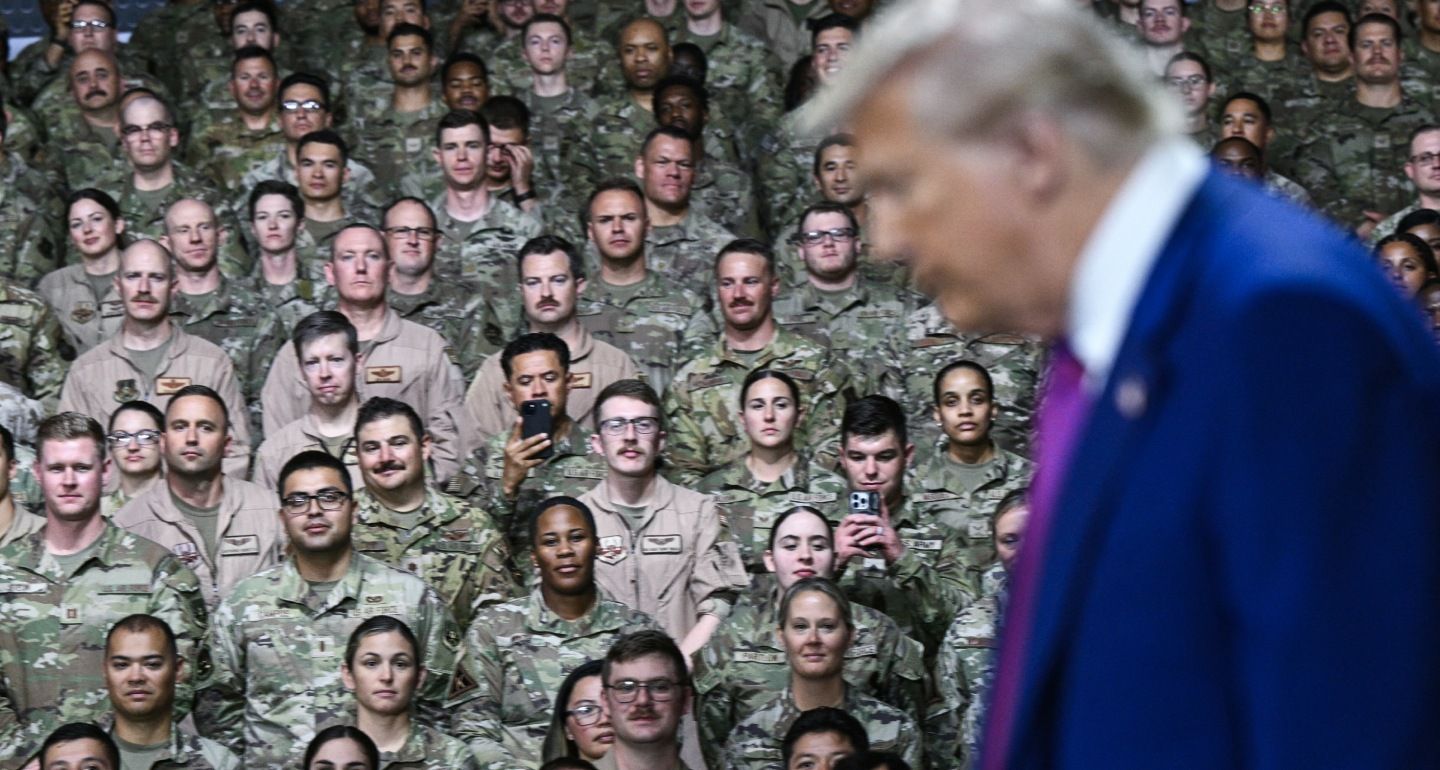
Unexpectedly, Trump’s America appears to have replaced Putin’s Russia’s as the world’s biggest disruptor.
Alexander Baunov
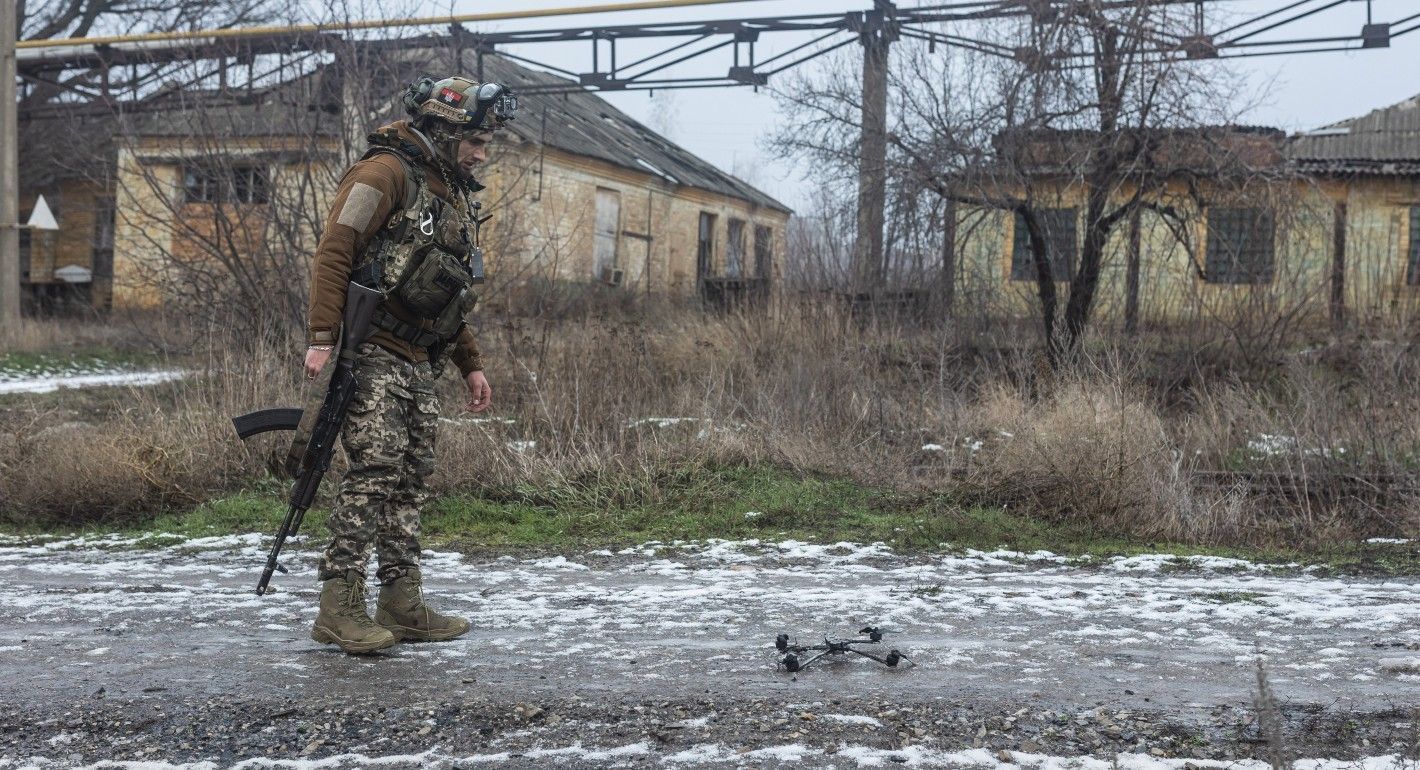
From Sudan to Ukraine, UAVs have upended warfighting tactics and become one of the most destructive weapons of conflict.


Jon Bateman, Steve Feldstein
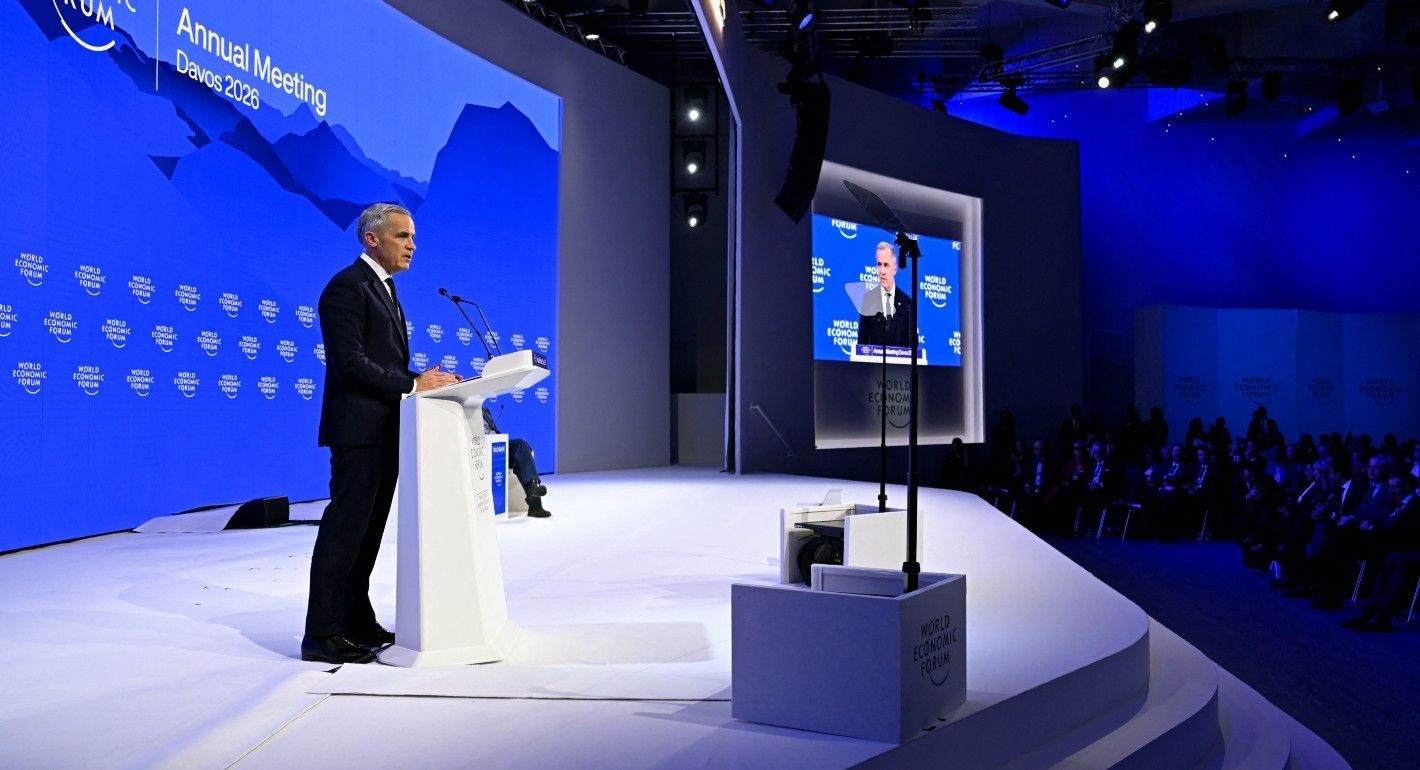
And how they can respond.
Sophia Besch, Steve Feldstein, Stewart Patrick, …
They cannot return to the comforts of asymmetric reliance, dressed up as partnership.
Sophia Besch